Phones/More from Phones/Phone Accessories
Fairphone’s Repair‑Ready Revolution Takes Root in the EU
EU regulators’ new 2027 rules push phones toward longer life, and Fairphone is leading the charge—here’s why it matters for consumers and the planet.
By Emery Wells · Updated August 16, 2026 at 9:37 AM
The EU’s New Phone Rules
The European Union’s upcoming 2027 legislation will make it mandatory for smartphones to feature replaceable batteries and to provide at least seven years of spare‑parts support. The goal? Reduce electronic waste, extend product lifespans, and give repair shops the tools they need to keep devices running.
Fairphone, a Dutch start‑up founded in 2013, has long championed the idea that phones should be built to last. Their latest generation, the Fairphone 6, is already designed with a modular chassis that lets users swap out components—screen, camera, battery—without the need for a specialist. As the EU’s new rules start to take effect, Fairphone’s approach is gaining real market traction.
Why the EU is Taking Repairability Seriously
In the past, smartphone manufacturers treated devices as disposable. Once a battery’s capacity dipped below 80 % or a software update was no longer supported, most users simply bought a new phone. That cycle is changing.
"A phone that can be repaired is a phone that can stay in your pocket longer," says Dr. Anja de Vries, an EU policy analyst. "It’s a win for the environment and for consumers who don’t want to throw away a perfectly good device."
The new regulations will force manufacturers to rethink supply chains. Battery chemists will need to work with recyclers to design cells that can be safely disassembled. Repair shops will be able to source parts directly from OEMs, making repair a more viable option.

Fairphone’s Modular Design Bet
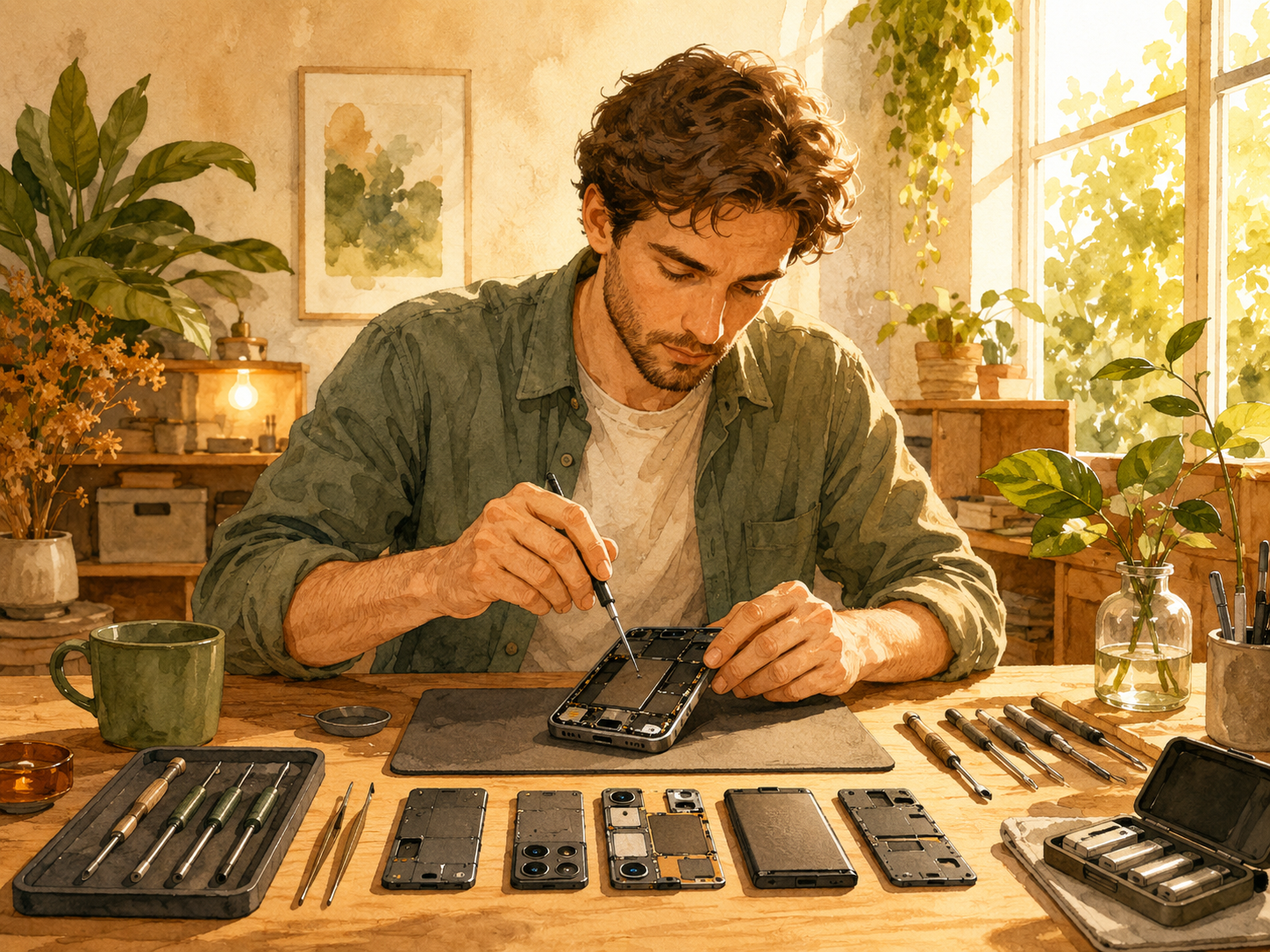
Fairphone’s modular architecture is more than a marketing buzzword. The company’s phones consist of a frame, a battery compartment, a camera module, and a display that can be swapped with the touch of a button. The modularity isn’t just about convenience; it’s also a design strategy that reduces waste.
In a recent community workshop in Berlin, several volunteers gathered around a wooden table to repair an old Fairphone 4. They demonstrated how a cracked screen could be replaced with a spare part that cost less than half the price of a new phone. The workshop highlighted how repairability can become a social movement, fostering skill development and local entrepreneurship.
Fairphone’s supply chain partners—battery manufacturers, chip designers, and packaging firms—have all begun aligning with EU standards. While the company is still a niche player compared to giants like Samsung or Apple, its commitment to sustainability has attracted a loyal following among eco‑conscious consumers.
The Competitive Landscape
The European phone market is shifting. Brands that once seemed like niche players are gaining ground. In 2024, HMD Global started assembling the Nokia XR21 in Hungary, and Murena released its first budget‑friendly smartphone in France. Yet none of these competitors have embraced the same level of repairability as Fairphone.
Consumers are becoming more aware of the environmental cost of their devices. A recent survey from GreenTech Analytics found that 62 % of EU respondents would consider buying a phone that could be repaired if it meant saving money over the long term. Fairphone’s transparent supply chain and open repair guides give it a competitive edge in this emerging market.
Uncertain Details and What We Know
While the EU’s 2027 law is clear about battery replacement and spare‑parts availability, the specifics of the seven‑year support window are still under negotiation. Some industry insiders suggest that the requirement could be phased in, allowing manufacturers to meet the minimum standard by 2029.
Fairphone’s founder, Hans van de Ven, confirmed that the company is actively lobbying for a clear timeline. “We want to make sure the regulations are realistic and that we can deliver on our promises to consumers,” he said in a recent interview.
What This Means for You
If you’re in the market for a new phone—or even an old one that’s been acting up—Fairphone’s modular design could save you money and the planet. By replacing a single component instead of buying a new device, you can avoid the hidden costs of e‑waste disposal and reduce your carbon footprint.
Moreover, the EU’s new rules mean that, in the future, repair shops will have access to genuine parts for a wider range of phones. This will make it easier for independent technicians to offer affordable repair services, breaking the monopoly that large manufacturers currently hold.
Looking Ahead
Fairphone’s success may well pave the way for a more sustainable mobile ecosystem. As the EU pushes for longer‑lasting devices, we expect to see more manufacturers adopt modular designs, open‑source repair manuals, and supply chains that prioritize recyclability.
For now, Fairphone remains the most visible champion of repairable phones, but the industry’s trajectory suggests that repair‑ready phones could become the norm rather than the exception.
The future of mobile technology may not be about the flashiest features, but about lasting value. Fairphone’s mission is a reminder that sustainability can be both ethical and profitable—especially when the market is finally forced to listen.