Phones/Popular Phone Brands/iPhone
EU Digital Markets Act Turns iPhone Sideloading Into Reality – What It Means for European Users
Apple’s new compliance with the EU Digital Markets Act is reshaping how iPhones in Europe can be used, opening the door for alternative app stores and direct downloads.
By Noah Bennett · Updated August 16, 2026 at 8:56 AM
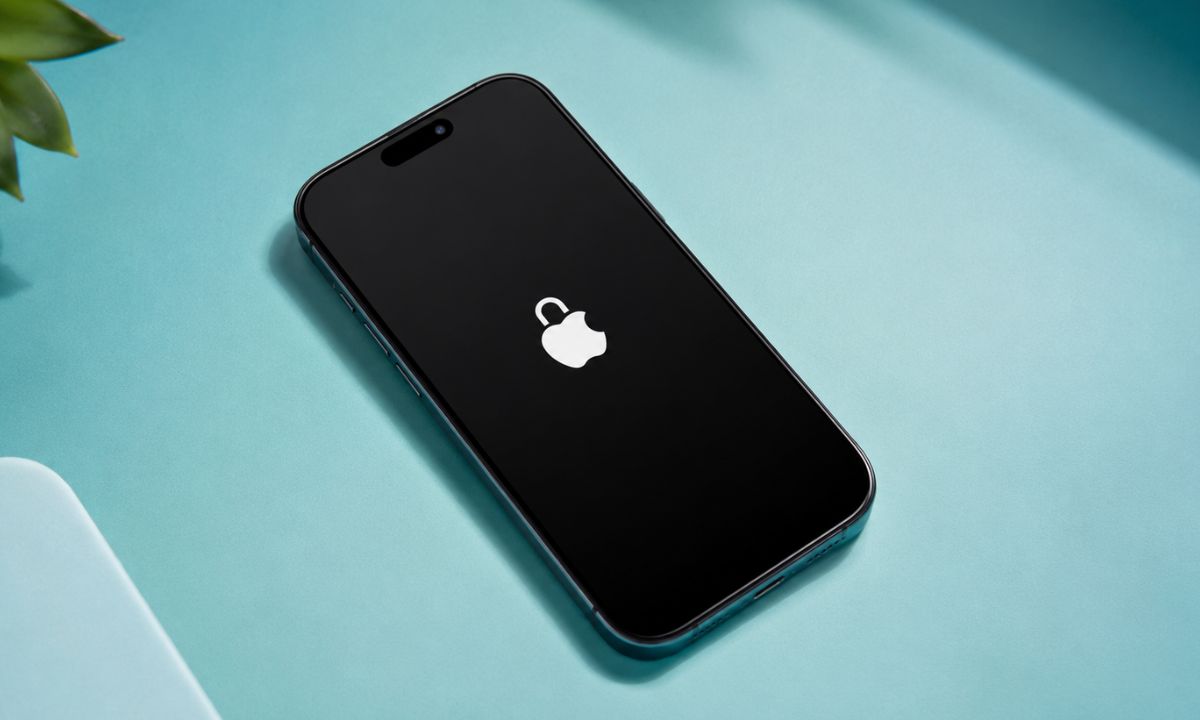
The Legal Shake‑Up
The EU Digital Markets Act (DMA) took effect in early 2024, and its ripple effects were felt almost immediately by Apple. Starting with iOS 17.4 in March, Apple was forced to allow iPhones sold in Europe to sideload apps and use alternative app marketplaces.
Until that point, Apple’s gatekeeping model had been the bedrock of iOS security: no app could enter a device without passing the company’s rigorous review process. The DMA removed the exclusive approval power, compelling Apple to loosen that grip.
How Sideloading Works on iPhones
Sideloading means installing an app from a source other than Apple’s App Store. In the EU, Apple introduced a few pathways:
- Developer ID certificates – Developers can sign apps with an EU‑issued certificate that allows the phone to install the package.
- App‑Marketplace Alternatives – A handful of third‑party app stores can register with Apple, provided they meet certain transparency and safety standards.
- Direct App Distribution – Apps can be pushed to users via links or QR codes, bypassing the App Store entirely.

These mechanisms are similar to the Android model, where users can install an .apk file directly from any source. However, the EU rules also mandate that users can change default apps for calls, messaging, keyboards, and more, further eroding Apple’s ecosystem lock‑in.
Security Implications
Apple’s own developer page acknowledges a shift:
"For as long as iPhone has existed, Apple’s answer to malware was simple: nothing gets on your phone unless it passes App Store review first. That argument no longer applies everywh…"
The ellipsis is where uncertainty lies. Apple does not yet detail the full risk profile of sideloaded apps on iOS. Independent security researchers suggest that the sandboxing mechanisms that keep iOS tight still apply, but the lack of a central vetting process introduces new vectors.
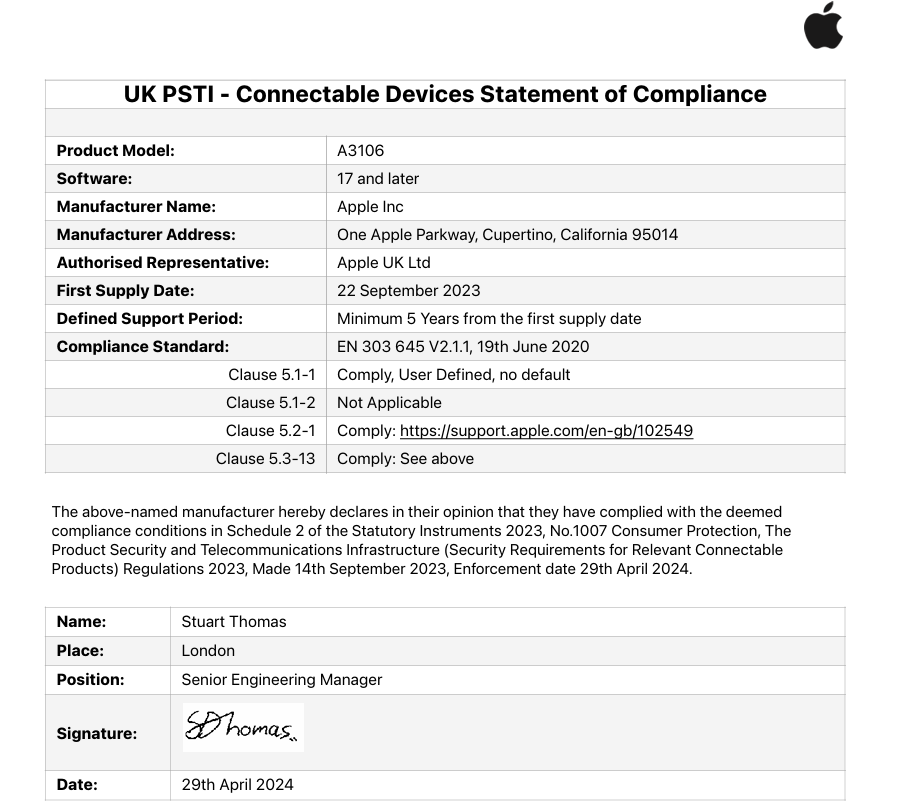
If you’re a European user, the trade‑off is clear: more choice and flexibility versus the need for vigilance when installing unfamiliar software.
Impact on App Developers
For developers, the DMA opens a new revenue stream but also new responsibilities. They must:
- Obtain the appropriate EU certificate.
- Comply with the DMA’s transparency rules.
- Provide clear disclosures about permissions and data handling.
Some developers are already planning to launch European‑only versions of their apps on third‑party stores to tap into a market that prefers “free‑to‑install” solutions. Others are lobbying for stricter controls to prevent malicious actors from exploiting the new loophole.
The Market Snapshot
According to the latest market data, Android still holds a larger share of the European mobile games market, with 58.3% of the 2025 share. However, iOS remains a powerhouse for premium apps and subscription services.
The DMA’s influence could tilt that balance slightly, as the barriers to entry for indie developers will lower. This could lead to a surge in niche apps and services tailored specifically for European users, including region‑specific payment methods and localized content.
Consumer Choice
With the ability to change default apps, European iPhone users can finally set their preferred messaging app, call manager, or keyboard. That means a user who prefers a privacy‑focused keyboard can now install it from any source and set it as the system default.
It also means that large tech ecosystems like Google’s Android and Microsoft’s Windows can now compete more directly for a slice of the European iOS market.
Looking Ahead
Apple announced it will continue to refine its compliance roadmap in the coming months. Whether the company will roll out a full-fledged alternative app store for Europe remains to be seen. Meanwhile, developers and users alike will need to stay informed about best practices for sideloading to keep their devices secure.
"The DMA is a game changer for European consumers and developers," says a leading EU technology analyst. "It will foster competition but also demands new security standards and user awareness."
Uncertain aspects include how the EU will enforce the new transparency rules and what penalties Apple might face for non‑compliance. These details will emerge as the industry adapts.
Bottom Line
The EU Digital Markets Act has effectively broken Apple’s monopoly over the iPhone app distribution channel in Europe. This shift promises greater freedom for users and developers but also introduces new security considerations. For the average European iPhone owner, the key takeaway is: you now have the power to choose where your apps come from—and you must also choose wisely.