Computing/Popular Computing Brands/Dell
Dell, HP, and Lenovo Quietly Cut Laptop Configurations to Dodge Sky‑High Memory Costs
With DRAM prices projected to double by 2026, major PC makers are trimming 16‑GB options to keep price‑tags reasonable – but the relief may still be years away.
By Cameron Reed · Updated August 16, 2026 at 9:41 AM

Rising DRAM Prices and Their Ripple Effects
In the world of laptop manufacturing, memory is no longer a silent commodity. Gartner recently warned that DRAM costs could surge by 130 % year‑on‑year through the end of 2026. That translates into a 15‑20 % price hike for the second‑half 2026 inventory of leading brands like Dell, HP, and Lenovo. While the figures are projections, the trend has already begun to reshape the lineup of consumer laptops.
The spike is mainly driven by supply‑chain bottlenecks and a shift toward higher‑performance memory modules for gaming and professional workloads. As a result, the 16 GB configurations that once represented a sweet spot between performance and affordability are now the most expensive options on many chassis.
"Memory pricing is the most volatile element in a laptop’s bill of materials, and manufacturers have to act quickly to preserve margins," notes a senior analyst at a major market‑research firm.
How the Giants Are Responding
Dell
Dell has announced a gradual phase‑out of its 16 GB models in the XPS 13 and XPS 15 lines. The company’s public statement attributes the move to “pre‑existing memory contracts that are now untenable” and an effort to keep price growth below 20 %. The 12 GB alternatives remain available, but buyers seeking the full 16‑GB boost must now look to older models that were built before the latest surge.
HP
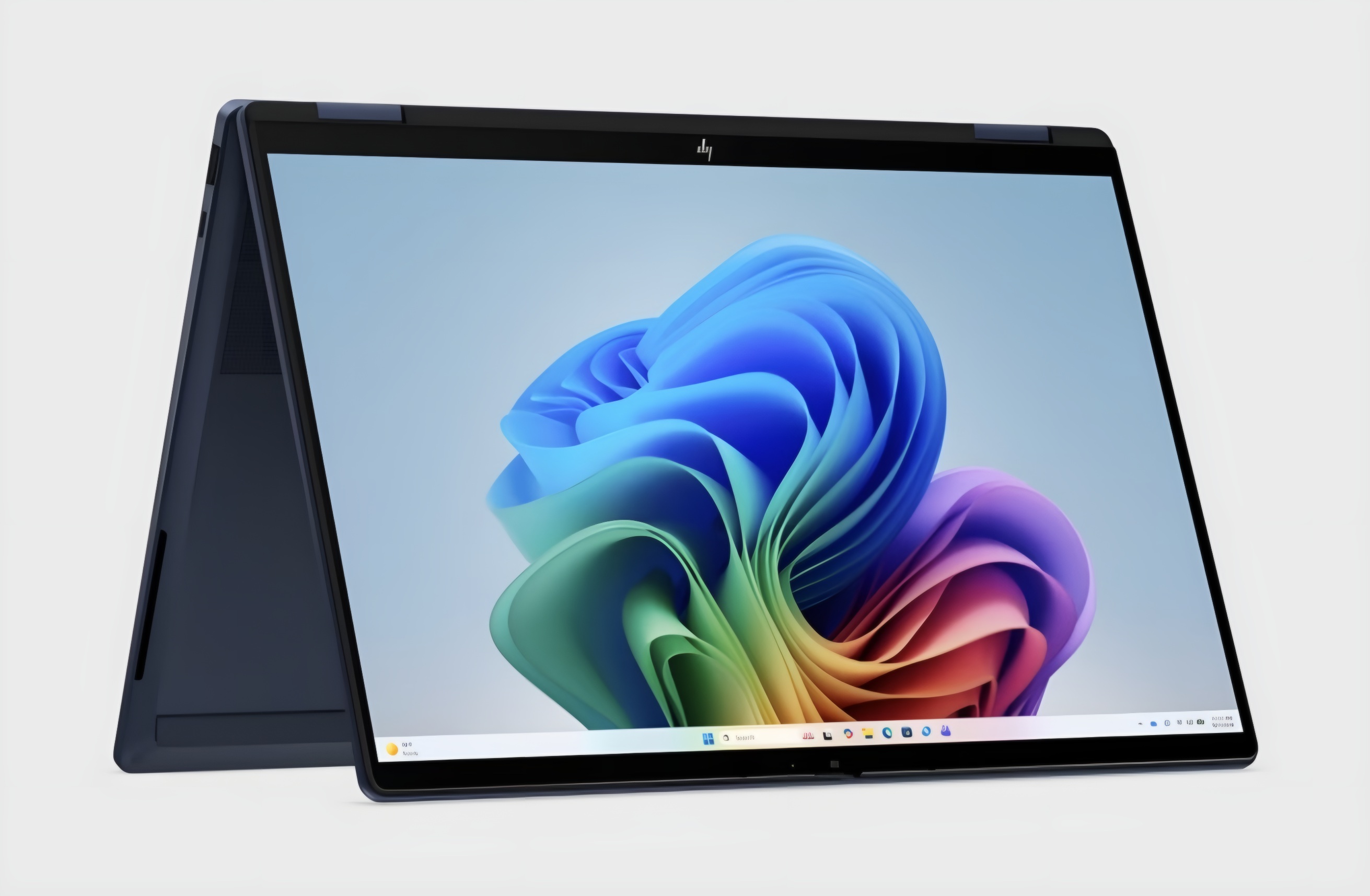
HP’s new OmniBook X Flip OLED 2‑in‑1, priced at $999, was initially released with a 16 GB memory option. However, the 2‑in‑1 models currently discounted at Best Buy were manufactured under contracts signed before DRAM prices hit the new highs. HP has since shifted the standard configuration to 12 GB, citing the need to maintain profitability in the face of rising component costs.
Lenovo
Lenovo has taken a similar route. The ThinkPad X1 Carbon and Yoga Slim 7 are no longer offered with 16 GB as a baseline. Instead, the company now packages the 12 GB variant as the default, pushing the 16 GB option to a premium tier. Lenovo’s strategy appears to mirror Dell’s in that it keeps the base price competitive while still offering the higher memory tier for users who truly need it.
What Does This Mean for Consumers?
The most immediate impact is on pricing. A laptop that previously cost $1,099 with 12 GB will now see its 16 GB sibling jump to roughly $1,300, a price gap that is hard for many consumers to justify. For budget shoppers, the 12 GB models are now the only affordable route to a new machine.
Should You Buy Now or Wait?
- Buy Now – If you need a new laptop immediately and can compromise on the 12 GB memory, the current discounts (often 10‑15 % off MSRP) provide good value.
- Wait – If you can afford to delay, the memory cost trajectory suggests that the price differential between 12 GB and 16 GB configurations will narrow by late 2027. Waiting could save you a few hundred dollars.
Uncertain Fact: Some analysts speculate that the memory cost plateau could occur earlier, but no firm dates are available yet. Keep an eye on quarterly reports for clearer signals.
Looking Forward
The memory crunch is unlikely to lift until the end of 2027 at the earliest, according to current projections. Until then, major OEMs will continue to streamline configurations, focusing on the 12 GB baseline as the standard. For those who need more RAM—such as content creators or gamers—consider exploring refurbished or older-generation models, which may offer the 16 GB option at a lower price.
In the meantime, monitor retailer promotions and seasonal sales. Even with higher base prices, the discount window during major shopping events can bring 16 GB models within reach for the price‑sensitive consumer.
Bottom Line
Dell, HP, and Lenovo’s quiet cutbacks in laptop configurations are a direct response to soaring DRAM costs. While 12 GB laptops remain the most affordable path, those who need the extra memory bandwidth may face higher upfront costs and a waiting period before prices normalize. For now, the best strategy is to assess your needs, weigh the benefits of higher memory, and decide whether the immediate price premium is worth it or if a later purchase might be more economical.