Phones/More from Phones/Phone Accessories
Could Smart Glasses Replace Your Phone? Apple's Chip Roadmap Hints at the Future
Apple’s next‑gen eyewear may let you snap photos, call friends, and tap into AI—yet the device could still lean on an iPhone for full power.
By Noah Bennett · Updated August 16, 2026 at 6:27 AM
The Eye of the Storm: Apple’s Chip Strategy
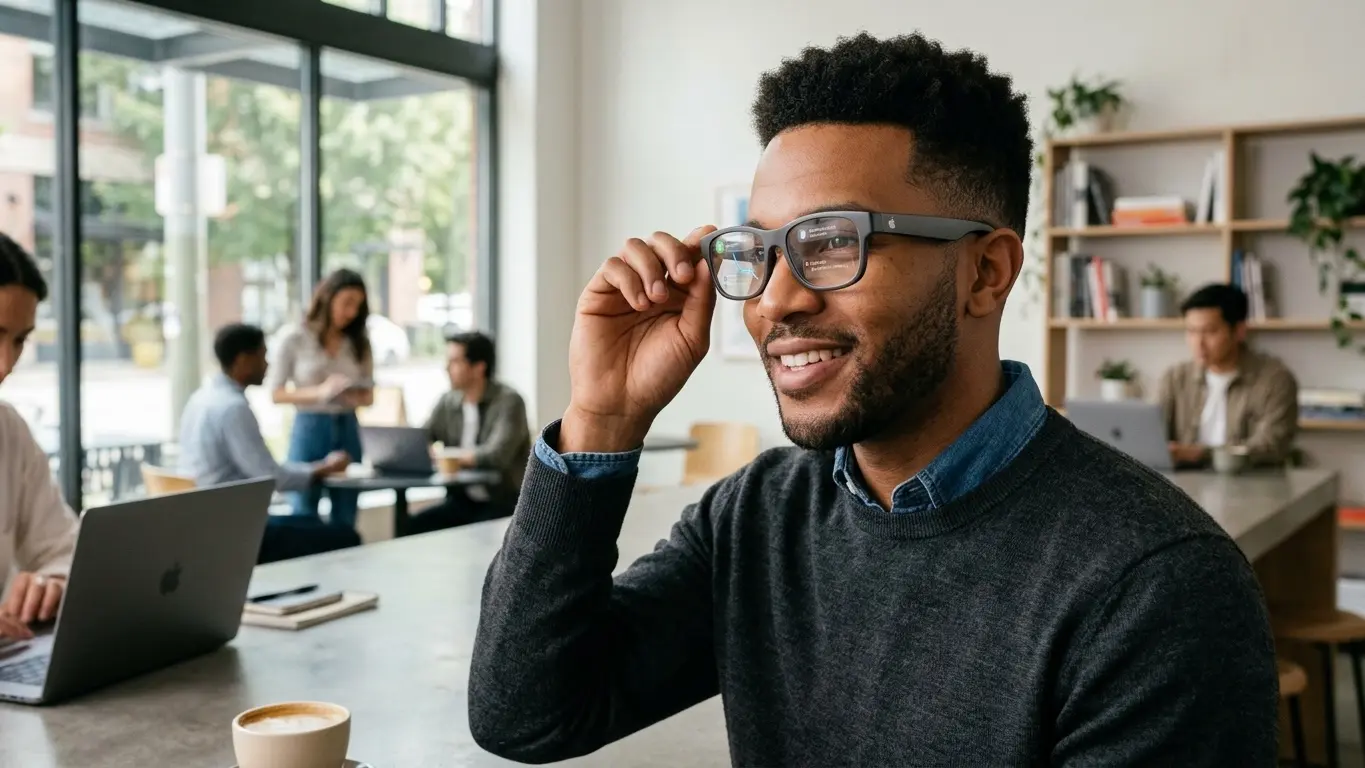
Apple’s rumored smart‑glasses are expected to debut by the end of 2026, riding on a custom silicon platform that Apple has been developing for years. Leaks from the latest Apple‑centric roadmap suggest a new “M‑Glass” chip that packs a camera, microphone, and neural‑processing unit—all without a dedicated display. The device would rely on a high‑resolution camera that can capture photos and video, but instead of showing those frames on a tiny screen, it would stream the feed to an iPhone or a paired Apple Watch for display.
The chip’s AI core is said to support on‑device language models that could power hands‑free assistants, translate speech in real time, and even identify objects in your surroundings. Apple’s approach is reminiscent of the way the M1 and M2 chips replaced Intel in Macs, but here the focus is on a seamless, always‑on user experience that keeps the phone at the center of the ecosystem.
"Apple’s smart glasses may not replace the iPhone but could become an indispensable companion," says a senior industry analyst who asked to remain anonymous.
While the roadmap points toward a high‑performance chip, Apple has yet to confirm the exact specifications, leaving room for uncertainty. The company’s habit of keeping details under wraps makes it difficult to verify whether the glasses will truly run all functions independently or still need the iPhone as a heavy‑lifting partner.
Beyond the Lens: What the Glasses Might Do
If the rumors hold, the glasses will support a handful of core tasks:
- Photography & Video – A built‑in 12‑MP camera that can shoot 4K video and capture HDR images, all while the device records audio via an array of microphones.
- Hands‑Free Calling – With a new integrated speaker‑microphone setup, you could place and answer calls with voice commands or simple gestures.
- Music Playback – By connecting to Apple Music or a local library, the glasses could stream audio through bone‑conduction speakers, allowing you to stay immersed in your environment.
- AI Interaction – Powered by Apple’s on‑device neural engine, the glasses might answer questions, translate languages, and offer contextual suggestions—essentially a mobile Siri that never leaves your eyes.
Apple has also hinted at health‑related features. Sensors could track eye movements, heart rate, and even subtle facial expressions to feed into the Apple Health app. This would enable new fitness modes—think guided workouts that adjust in real time based on your posture and effort.
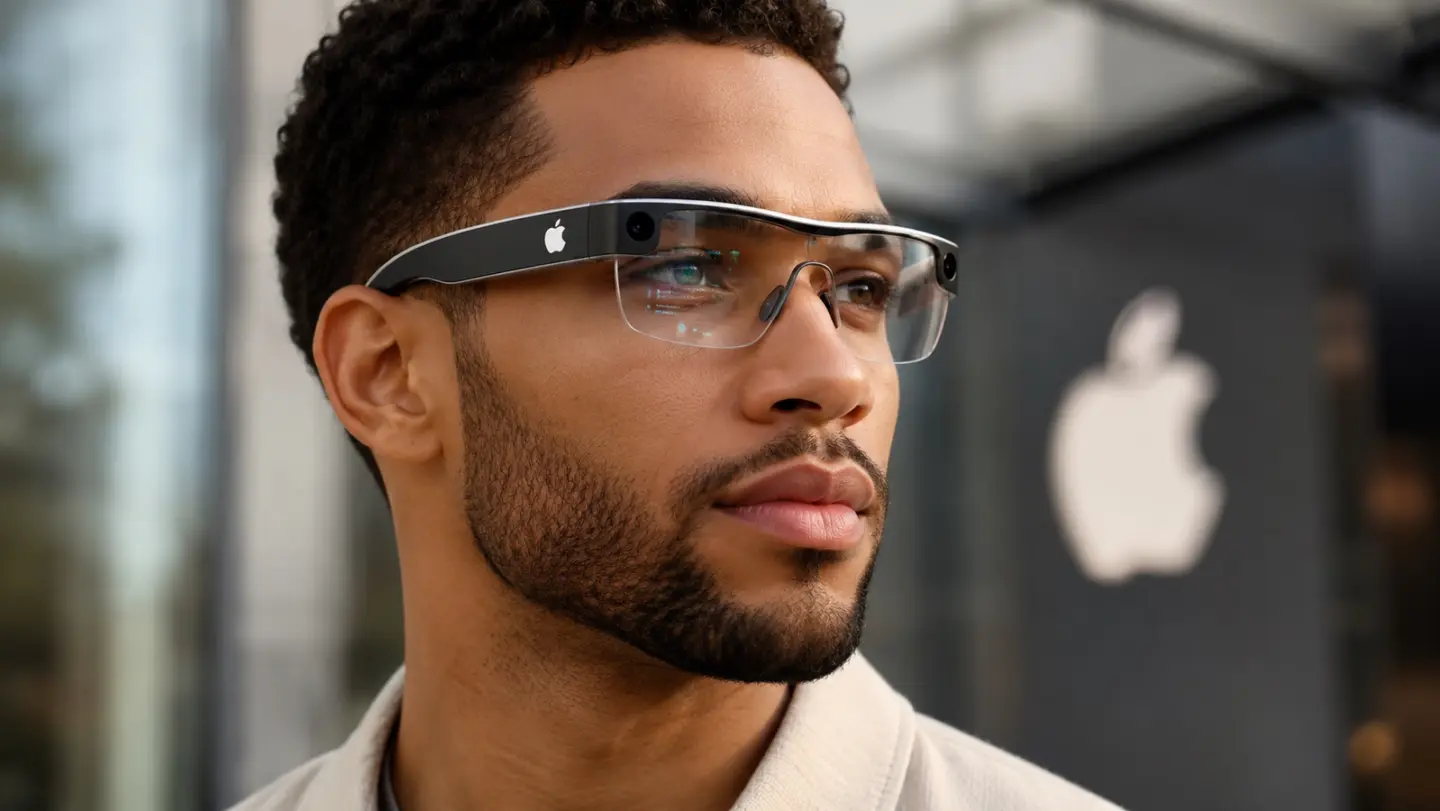
However, these features remain speculative. The company has not yet released any prototypes or detailed specifications, so developers and consumers alike should treat the current roadmap as a blueprint rather than a final product.
Connectivity and Ecosystem Dependencies
A key question is whether the glasses will be a standalone device or a “companion” that relies on your iPhone. Early reports suggest that the glasses will still need to pair with an iPhone for full functionality, especially for tasks that require more computational power or storage. This means that, while you can take photos and make calls on the fly, you’ll likely need to open your phone to edit images, share content, or use apps that aren’t built into the glasses.
Apple’s strategy appears to mirror the way AirPods work: they provide core audio experiences but defer more complex interactions to the phone. The glasses could be similar, offering a lightweight, always‑on presence that feeds data back to the phone for processing.
This ecosystem tie‑in also raises privacy questions. Will the glasses stream your surroundings to an Apple server for processing, or will all AI inference happen locally? Apple has promised end‑to‑end encryption for its health data, but the specifics for these new devices have yet to be disclosed.
Health, Fitness, and Everyday Life
Beyond media and communication, the glasses could become a new health and fitness companion. The embedded sensors might detect motion patterns, providing insights into gait and balance that could help with rehabilitation or everyday wellness. Apple’s HealthKit could seamlessly integrate this data, creating new metrics for users to monitor.
Moreover, the glasses’ ability to translate speech in real time could be a game‑changer for travelers and people with hearing impairments. Imagine walking through a foreign city and hearing translations spoken directly into your ears. While the feature is exciting, the lack of a visual display could limit its utility compared to smart‑watch‑style heads‑up displays.
Will the Glasses Replace the Phone?
The idea of a pair of glasses that replaces a smartphone is a bold one. Technologically, the glasses could handle many of the phone’s core tasks, but the lack of a visual interface, limited battery life, and the need for a companion device make full replacement unlikely—at least in the near future.
If Apple can deliver a truly autonomous device, it would have to solve a host of challenges: a robust, low‑power display that feels natural; a battery that lasts a full day; and an AI system that can understand context without constant human input. Until those hurdles are cleared, the glasses are more likely to serve as an extension of the iPhone, adding convenience without replacing the phone entirely.
In the end, the glasses could transform how we interact with technology—making the phone a secondary device, rather than the center of our digital lives. Whether Apple’s roadmap will materialize into a market‑ready product by 2026 remains to be seen, but the potential to reshape the mobile experience is undeniable.