
Phones/More from Phones/Phone Accessories
eSIM‑Only Phones Are Becoming the Default in the US — What You’re Losing
With the iPhone 17 Pro and Google Pixel 11 Pro ditching physical SIM trays, the convenience of eSIMs comes at a cost for frequent switch‑ers and multi‑carrier users.

eSIM‑Only Phones Are Becoming the Default in the US — What You’re Losing
The new wave of flagship devices in the United States—Apple’s iPhone 17 Pro, Google’s Pixel 11 Pro, and even some Samsung Galaxy models—are shipping without the traditional physical SIM slot. Instead, carriers are shifting to the so‑called eSIM (embedded SIM) that lives inside the phone’s logic board. For most users, the change looks slick: no tray to pop in or out, a simpler onboarding flow, and a future‑proofed design that frees up internal space for better cameras or larger batteries. But for the subset of consumers who move carriers often, use dual‑SIM setups, or travel across borders, the move has a silver lining and a hidden cost.
The Shift to eSIM‑Only: What It Means
In the United States, the move to eSIM‑only phones is becoming the default rather than an option. The iPhone 17 Pro ships in a single‑SIM eSIM configuration—no Nano‑SIM tray at all. Google’s Pixel 11 Pro follows the same path domestically, offering dual eSIM support while the international variant still includes a physical Nano‑SIM slot. Samsung’s Galaxy S26, though not fully eSIM‑only, has a removable tray that can hold a single Nano‑SIM, but the company is actively expanding its eSIM support across its lineup.
For most Americans, the transition is invisible. Carrier provisioning is now handled automatically during the initial setup: your carrier credentials are pushed over-the-air, and the phone configures itself without you touching a physical card. According to Google, this “eSIM migration” is part of a broader strategy to streamline the user experience, and Apple’s recent software update for iOS 17 is designed to make the switch even smoother.
How It Works Under the Hood
eSIM technology stores your carrier profile in a secure chip embedded in the device’s motherboard. When you set up a new phone, the device pulls the profile directly from the carrier’s server. The process is quick, often completed within a couple of minutes, and it eliminates the need for a physical Nano‑SIM card.
However, this convenience hides a few caveats:
- Carrier Lock‑in – While most flagship devices are unlocked, the eSIM profile can be tied to a specific carrier’s network settings, making it harder to switch carriers mid‑year.
- Roaming and International Use – Some international carriers still rely on physical SIM cards, and eSIM support can be inconsistent outside the US.
- Backup and Recovery – If you lose your phone, retrieving the eSIM profile requires logging into your carrier’s app, whereas a physical SIM can be swapped into any device instantly.
“eSIM is a great step toward a more seamless global connectivity experience, but the reality is that the physical SIM is still more versatile for certain use cases,” says Laura Chen, a wireless engineer at Verizon.
The Trade‑Offs: When Physical SIMs Still Matter
Switching Carriers Frequently
A significant number of Americans, especially those who work remotely or travel frequently, prefer the ability to flip a physical SIM when they move to a new carrier. With an eSIM‑only phone, the process involves logging into your carrier’s portal, downloading a new profile, and sometimes rebooting the device. That extra step can feel like an inconvenience when you’re already juggling a new job or a new country.
Dual‑SIM Needs
Dual‑SIM setups are still common in many parts of the world. Even in the US, people who keep a personal and a business number on the same handset benefit from the flexibility of a physical tray that can hold two cards. The iPhone 17 Pro’s dual eSIM feature technically allows two virtual lines, but the lack of a physical tray can hinder those who rely on the simplicity of swapping out a Nano‑SIM for a new plan or a prepaid option.
Emergency Situations
When a device is lost or stolen, retrieving the eSIM profile requires access to the original carrier’s account, which can be time‑consuming. A physical SIM, by contrast, can be removed and replaced immediately, minimizing downtime. This is why some carriers still offer a “SIM swap” service for users who need a quick backup.
Real‑World Impact: Business Travel, Carriers, and Dual‑SIM Needs
For business travelers, eSIMs promise lower roaming fees and faster setup. A UK‑based study noted that UK business travelers who used eSIM‑enabled devices reported a 30 % reduction in roaming costs compared to those using physical SIMs. However, the study also highlighted that many travelers still face challenges when a local carrier does not fully support eSIM provisioning, forcing them to rely on physical SIMs from local kiosks.
In the US, the rollout of eSIM‑only devices is aligned with carriers’ push to reduce manufacturing costs and improve battery life. Apple, for instance, cites the removal of the SIM tray as a key factor that allows the iPhone 17 Pro to incorporate a larger battery and a more robust camera system. Google’s Pixel 11 Pro benefits similarly, with its internal space reallocated to a larger OLED panel and a new thermal management system.
But the cost of these benefits is not evenly distributed. Users who rely on multiple carriers or who switch plans monthly may find the eSIM process slower and more error‑prone. In some cases, the lack of a physical SIM can also make it harder to use the phone in regions where eSIM support is limited or where carriers require a physical card for activation.
Looking Ahead
The trend toward eSIM‑only phones is likely to accelerate as carriers expand global support and as device manufacturers find more space in the interior to focus on other premium features. For most consumers, the shift is painless and even beneficial. But for a niche group—frequent switch‑ers, dual‑SIM users, and travelers who depend on local carriers—eSIMs represent a small but meaningful inconvenience.
As the industry moves forward, carriers and manufacturers will need to address the gaps in eSIM coverage, improve carrier‑agnostic provisioning, and provide clear guidelines for users who might need a physical SIM backup. Until then, the choice between eSIM and traditional SIM will remain a trade‑off between convenience and flexibility.
Newsletter
Get the morning gadget briefing
A short recap of the stories that actually matter — phones, AI, EVs, and the rest — in your inbox.
No spam. We’ll only send the briefing.
Keep reading
Read next
More in Phone Accessories
Continue
 Phones
AI Agent Phones Are Here — What They Actually Do Differently
Exploring the transformative power of AI agent phones and how they redefine our smartphone experience.
Aug 22, 2026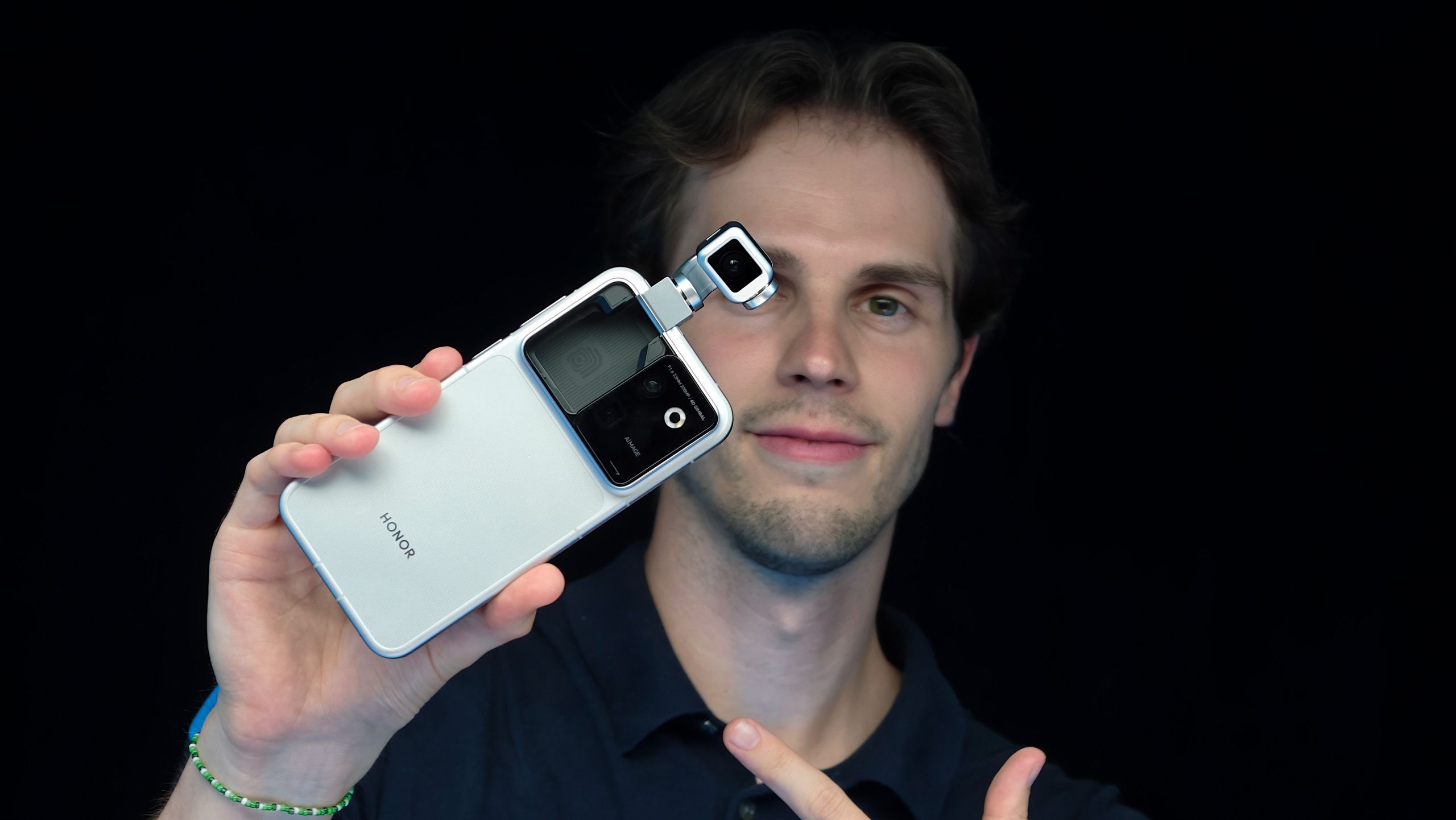
Real-Time Call Translation Is the Smartphone Feature Nobody's Talking About Enough
Aug 22, 2026Comments (0)
Keep it civil. Anyone can reply. Edit and delete stay on this browser after refresh.
No comments yet. Start the conversation.