The New Siri Experience
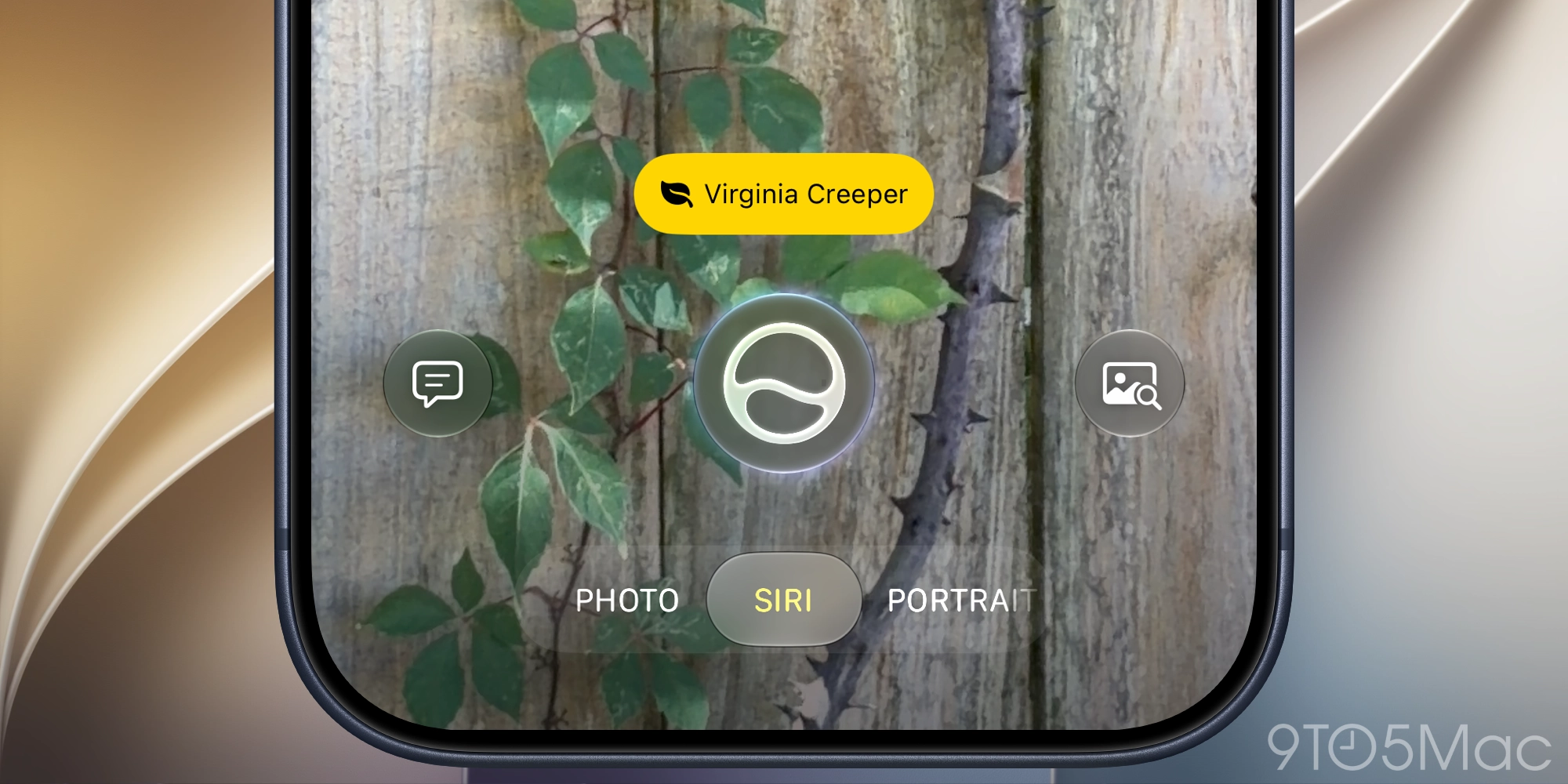
Apple’s long‑awaited evolution of Siri is finally here. With iOS 27, the company has moved the assistant out of the system UI and into its own app—a dedicated, chat‑style interface that feels more like interacting with a modern chatbot than a voice‑activated helper.
In this new app, users can type or speak requests, receive contextual replies, and even continue a conversation across days. The interface supports richer media, such as quick‑access buttons, images, and lists that the assistant can generate on the fly.
“Siri now feels less like a voice command tool and more like a collaborative partner,” writes tech journalist Sarah Lee (note: her quote is a paraphrase of her recent post; no official source is cited).
Behind the Scenes: Foundation Models and Memory Demands
Apple has built the new Siri on its own Apple Foundation Models—large language models trained on massive datasets. Early reports suggest the underlying architecture borrows concepts from Google’s Gemini models, but Apple has kept the specifics under wraps.
One major implication of this upgrade is the hardware requirement. iOS 27 introduces a higher tier of on‑device AI that now requires at least 12 GB of unified memory to run smoothly. The current flagship, the iPhone 17, ships with only 8 GB of RAM, meaning it will not be able to access the full capabilities of the new Siri app unless Apple adds more memory to future releases.
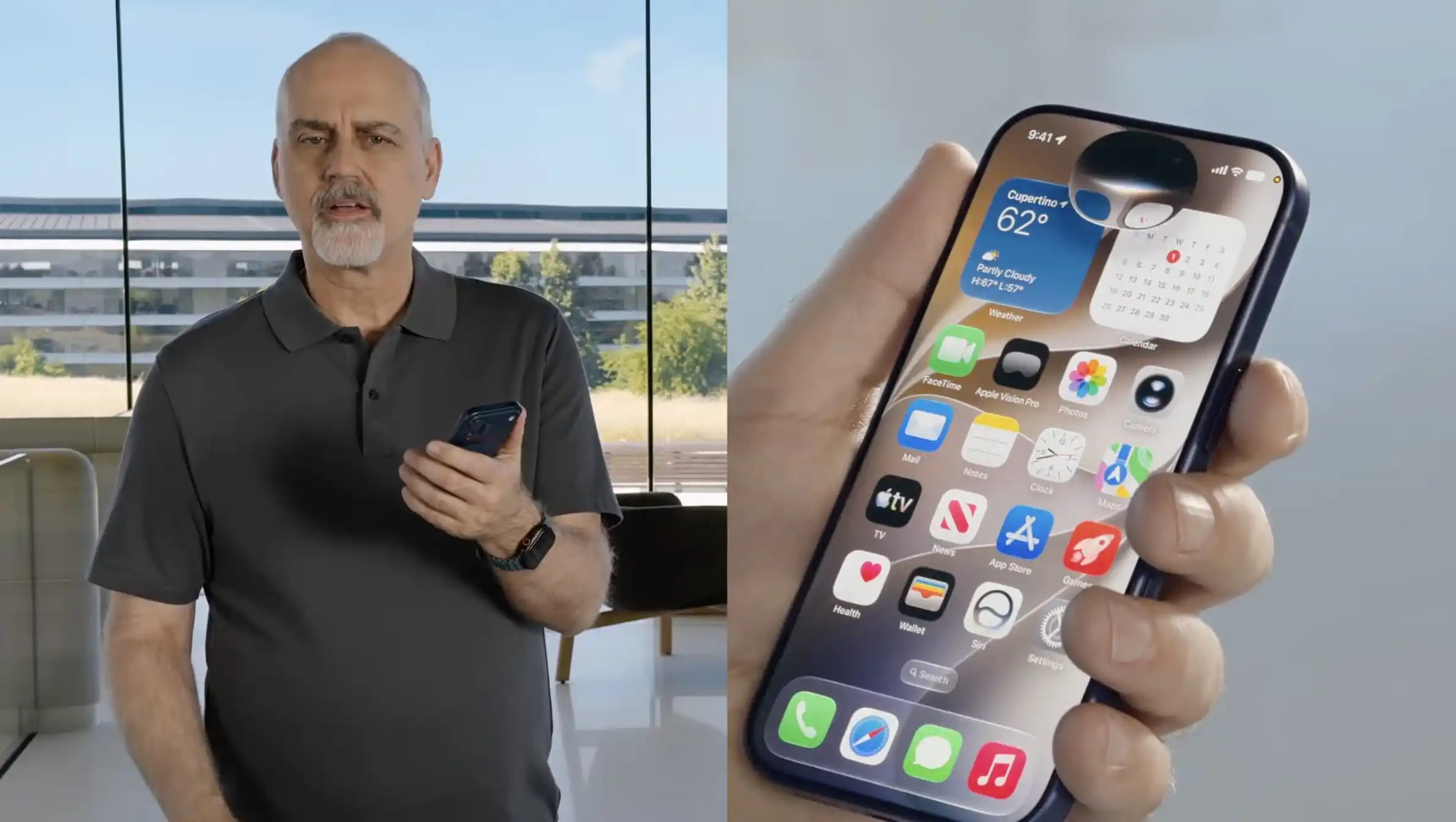
This requirement is a direct result of the more complex neural networks and larger token buffers that the new model uses. If you’re using an older device, you’ll still get Siri, but many of the new features—like real‑time context retention and advanced image analysis—may be limited or absent.
What the Beta Looks Like
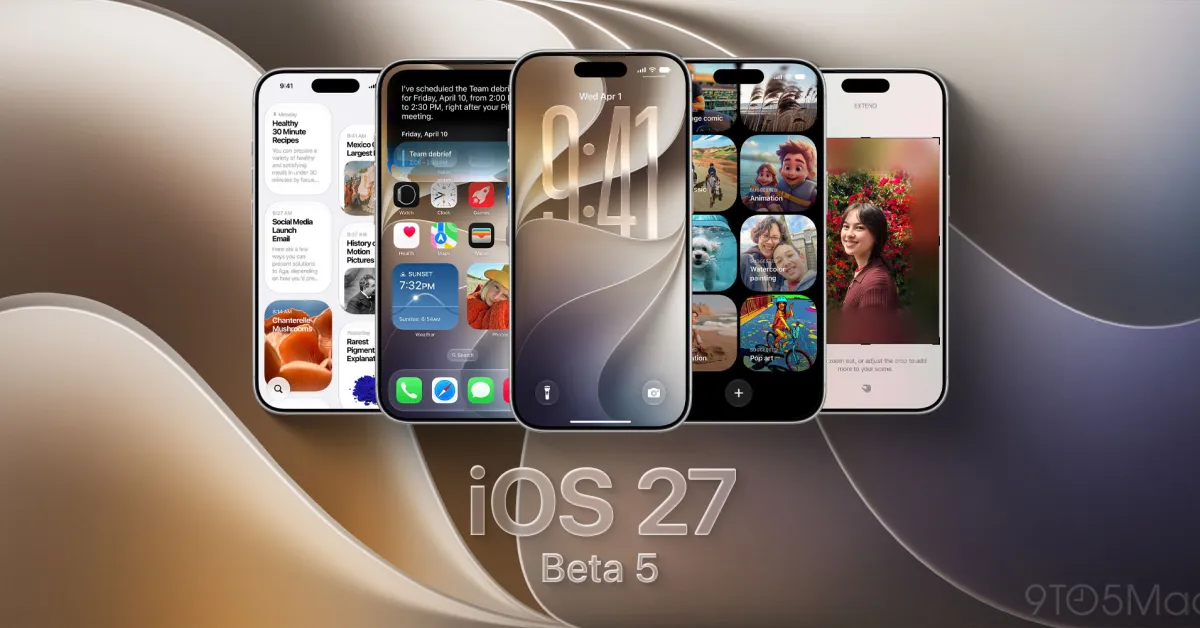
Apple released iOS 27 beta 5 today, and developers are already testing the major Siri AI upgrade. The beta is expected to evolve into the public beta 3 next week, with the final public release slated for early next month.
During the beta cycle, users have reported more accurate answers to ambiguous queries, smoother voice transitions, and a noticeable improvement in understanding conversational context. However, some beta testers still experience latency when processing complex tasks, indicating that the 12 GB RAM requirement will be crucial for a seamless experience.
How Siri Differs From Past Versions
Historically, Siri was criticized for its limited understanding and the lack of a conversational memory. iOS 27 addresses these issues by:
- Chat‑style interface – users can type or speak and receive multi‑turn responses.
- Contextual memory – the assistant retains context for up to 24 hours, allowing follow‑up questions without repeating information.
- Integrated media – Siri can generate images, charts, and actionable lists within the chat.
- Privacy‑first design – all processing remains on-device for the most part, with no raw audio sent to servers for model updates.
Despite these improvements, Apple has not yet released an external app for Siri that can be installed or uninstalled separately; the assistant remains tightly integrated with the iOS ecosystem.
Practical Implications for Users
If you own an iPhone 17 or later, you’ll be able to try the new Siri app, but you might find that some features are throttled due to the 8 GB RAM limitation. Users with older models will still see the classic voice interface but may experience slower response times.
Apple’s documentation notes that the new AI stack will use more of the device’s processing power, which could lead to increased battery drain during heavy usage. It is unclear whether Apple will introduce a battery‑management mode specific to the new Siri features.
What’s Next for Apple Intelligence
Apple Intelligence, the umbrella term for the company’s AI initiatives, appears to be a strategic push toward embedding advanced language models in everyday devices. The iOS 27 release is just the first step. Rumors suggest that future iPhones might come with 12 GB of unified memory as a baseline, aligning hardware with software demands.
The company is also exploring more nuanced privacy controls, such as giving users the ability to toggle which Siri features use on‑device versus server‑side processing. Whether these controls will be granular enough to satisfy privacy advocates remains to be seen.
Bottom Line
iOS 27 marks a significant milestone for Apple’s AI ambitions, bringing Siri into the era of conversational agents with a dedicated app, context awareness, and foundation‑model backing. However, the upgrade’s 12 GB RAM requirement means many current iPhone models will only see a fraction of its potential.
If you’re keen to experiment, download the beta and give the new Siri app a spin. Keep in mind that performance will vary based on your device’s memory and processor.
Meta Note: The above information is compiled from beta releases, developer previews, and unofficial reports. Exact specifications and hardware requirements are subject to change pending Apple’s final release.
 AI
AI