Audio/Headphones/Earbuds & AirPods
AirPods Pro Hearing Aid Feature Faces New EU Medical Rules — What That Means
Apple’s over‑the‑counter hearing aid app for AirPods Pro must now meet stricter EU medical regulations, potentially altering how users in Europe can benefit from the feature.
By Kai Sullivan · Updated August 16, 2026 at 9:16 AM
A Quick Recap
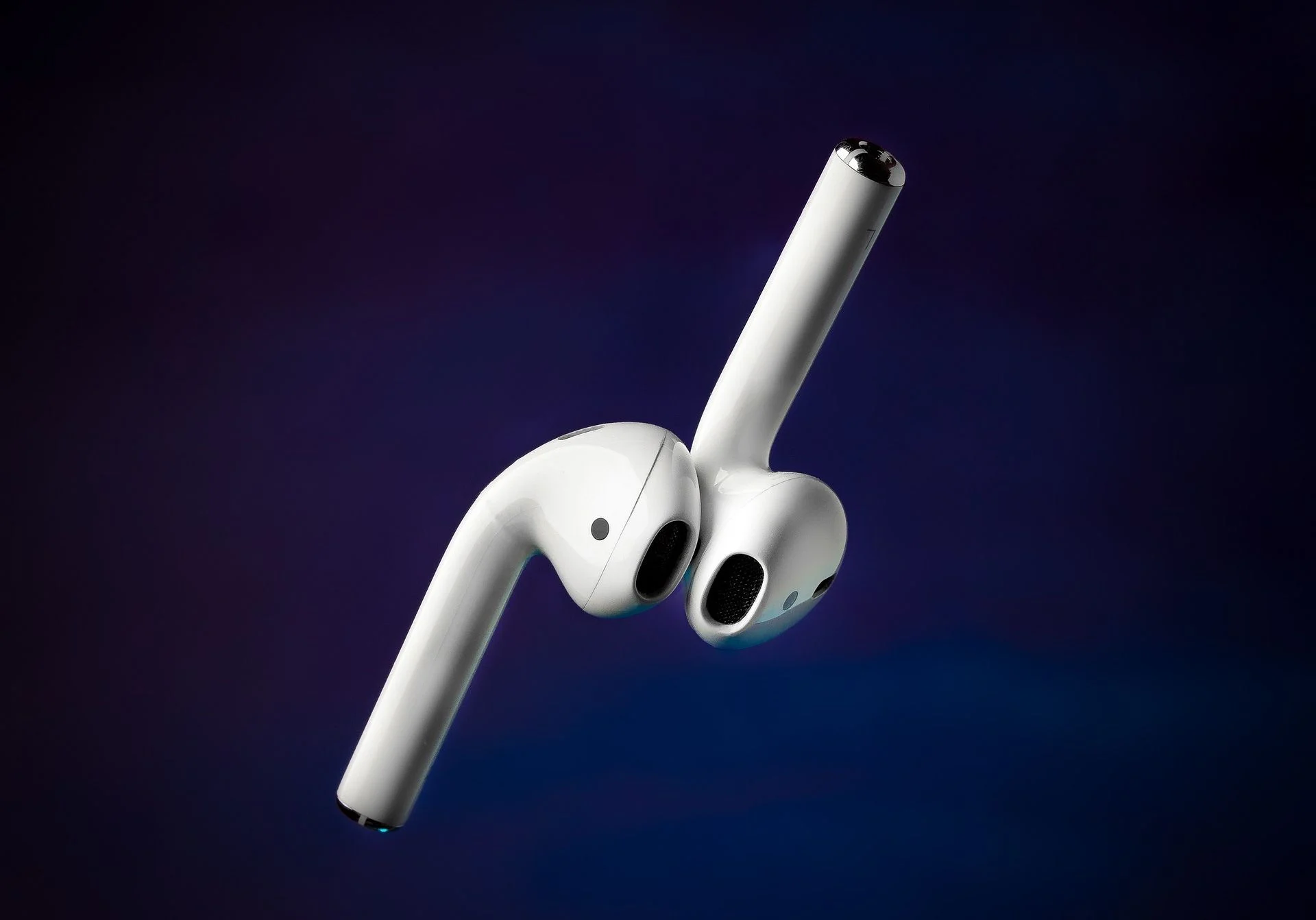
Apple’s AirPods Pro have long been celebrated for their active noise cancelling, spatial audio, and now, a built‑in hearing aid feature that offers a five‑minute hearing test and personalized amplification for mild to moderate hearing loss. In September 2024 the FDA approved the software in the United States, making it the first over‑the‑counter hearing aid app available to adults.
But the European Union is tightening its grip on medical devices. A new set of rules that came into effect on 1 January 2025 classifies certain software‑based hearing aids under the same regulatory umbrella as medical devices. Apple must now demonstrate that the AirPods Pro feature meets EU safety, efficacy, and quality standards before it can continue to be marketed as a hearing aid in the region.
“If Apple wants its earbuds to keep functioning as hearing aids in the EU, it will need to provide data showing safety, accuracy, and risk management under the new Medical Device Regulation.”
What the EU Rules Actually Require
The EU rules introduce a risk‑based approach. Devices are split into three classes—Class I (low risk), Class IIa (moderate risk), and Class IIb/III (high risk). The hearing aid software falls into Class IIa, meaning manufacturers must:
- Conduct a Clinical Evaluation – Show that the software reliably measures hearing thresholds and provides appropriate amplification.
- Implement a Quality Management System – Demonstrate that design, manufacturing, and post‑market surveillance processes meet ISO 13485 standards.
- Provide a Technical File – Include documentation of design, performance, risk analysis, and clinical data.
- Engage a Notified Body – Obtain a conformity assessment from an independent EU entity.
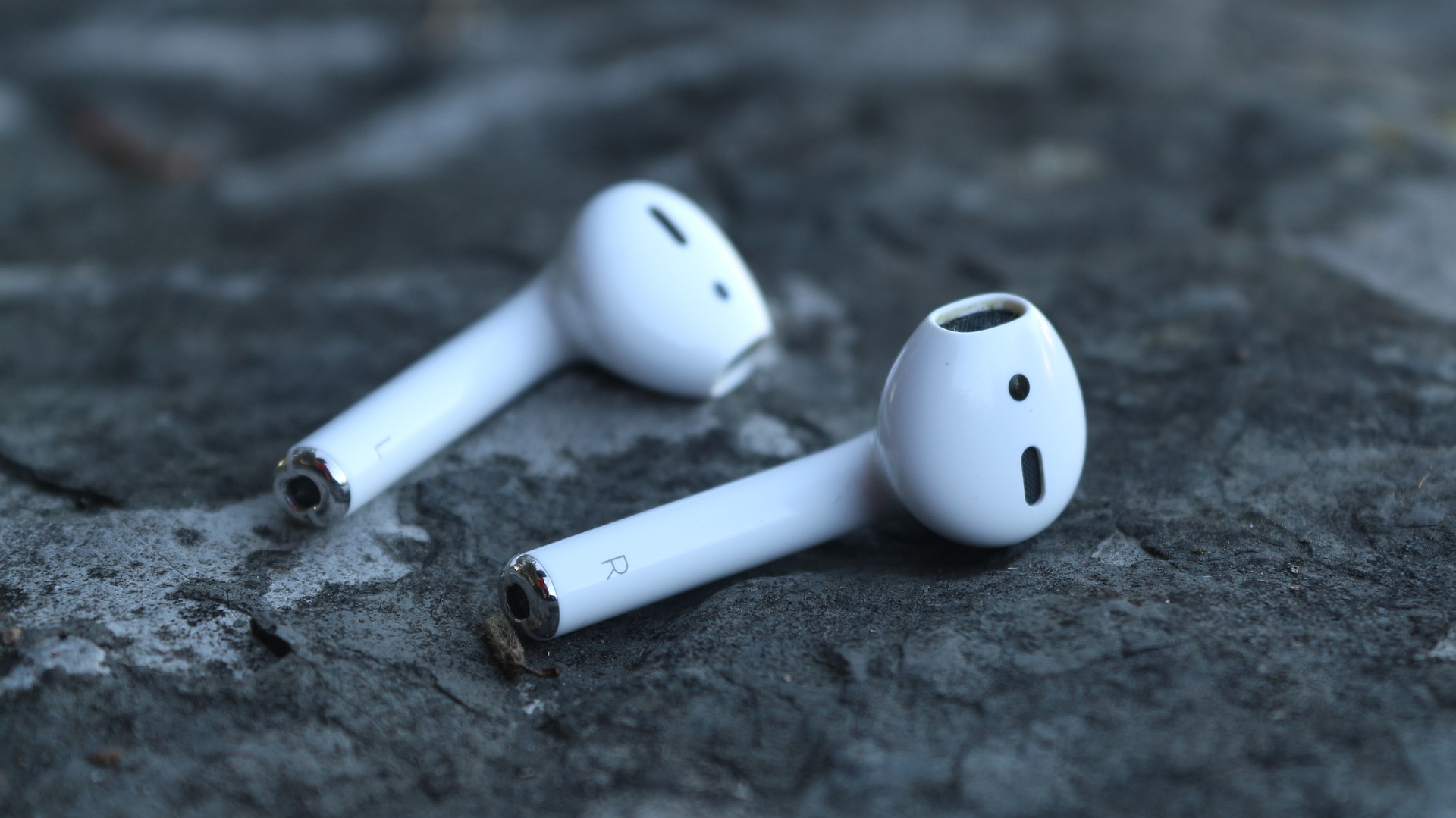
Apple has already filed a lot of documentation for the FDA clearance, but the EU process is more extensive. It’s unclear how long the assessment will take or whether Apple will need to conduct new clinical trials.
How This Affects Availability in Europe
Because the AirPods Pro are sold in the EU as consumer earbuds, the hearing aid feature is essentially an add‑on. If Apple can’t certify the feature, it may be disabled in the European firmware, or it may be removed entirely from the App Store in the region.
Retailers could see the feature listed as a “medical‑device” supplement, which might change the way it’s marketed. Consumers who rely on the app for daily hearing support could have to wait for a software update or consider alternative solutions.
Samsung’s Parallel Path
Samsung’s Galaxy Buds 3 Pro and 4 Pro recently gained FDA clearance for a similar hearing‑aid feature. Samsung has announced that the rollout will reach “select approved markets” by Q4 2026, but the company has not confirmed which countries beyond the US. If Samsung follows Apple’s lead, the EU rules could push both brands to accelerate their certification timelines.
In the UK, buyers might find that the hearing‑aid function is still available but will be labeled as a medical device. That could mean additional paperwork for importers and a potential price hike for the earbuds.
What Consumers Should Do
- Check Your Firmware – The next major software update (likely Q3 2025) may include a new certification package. If the feature disappears, it will be noted in the release notes.
- Keep an Eye on Local Regulations – The European Commission periodically updates its medical device guidelines. Apple and Samsung are expected to publish compliance statements in the coming months.
- Consider Alternative Devices – If you need reliable hearing aid support, look into dedicated over‑the‑counter hearing aids or other certified earbuds. Wirecutter’s 2026 reviews highlight several options that are fully compliant.
- Ask Your Audiologist – If you have a diagnosis of hearing loss, discuss whether the AirPods Pro can still serve as a useful tool in your treatment plan.
The Bottom Line
Apple’s AirPods Pro hearing aid feature is a groundbreaking consumer tech product, but the new EU medical rules add a layer of regulatory complexity. While the FDA cleared the app for US consumers, the EU’s stricter compliance path could delay or limit its availability in European markets.
Apple’s engineering teams are likely already working on the required clinical data, but the timeline remains uncertain. Consumers in the EU should stay alert for firmware updates and regulatory announcements. Until the EU certification is complete, the hearing aid function may be temporarily disabled or offered as an optional add‑on.
Ultimately, the EU rules underscore the growing convergence of consumer electronics and medical technology. If Apple and its rivals navigate the regulatory maze successfully, users across the globe could continue to enjoy earbuds that not only play music but also help them hear better.
Looking Ahead
The next few months will be critical. If Apple can secure an EU Notified Body certification, it will likely roll out a new firmware update that restores the hearing‑aid function for European users. Until then, the feature may remain a UK‑only or US‑only add‑on, or it could be permanently withdrawn from the EU market.
For now, the best advice is to keep an eye on your device’s software settings and stay informed about EU regulatory changes. The hearing aid feature has already proven its value for many, and if Apple can meet the new medical standards, it could remain a powerful tool for millions of listeners worldwide.