
RTX 5090 Now Costs Over $4,900 — Here's Why GPU Prices Won't Stop Climbing
Nvidia's latest price hike for GeForce RTX graphics cards, including a 20% to 30% increase across all models, is attributed to a 20% DRAM price increase by Samsung, contributing to a memory shortage expected to last until at least 2028.
By Noah Bennett · Updated August 16, 2026 at 5:20 PM
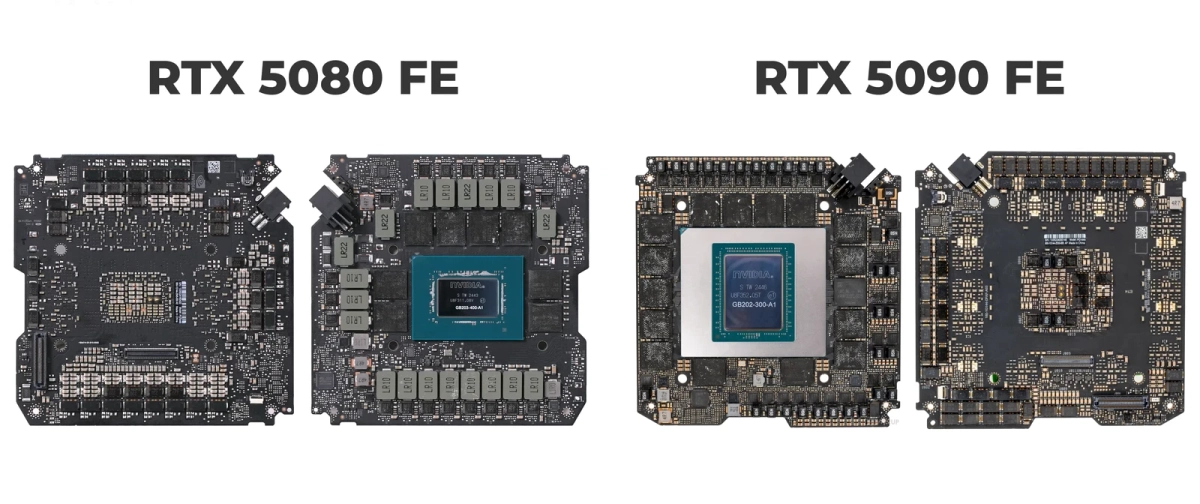
The price of the RTX 5090 has surged to over $4,900 due to a series of price hikes by Nvidia. The latest increase, reported by Taiwan’s Economic Daily News, raises GeForce RTX graphics card costs by 20% to 30% across all models, marking the third hike since January 2026. This follows a 10-15% hike in January and a narrower May increase targeting only the RTX 5090.
The primary cause of these hikes is a 20% DRAM price increase by Samsung, contributing to a memory shortage expected to last until at least 2028. As a result, board partners are now paying nearly a third more for GPU bundles, and once existing inventory runs dry, these increased costs are likely to be passed on to consumers.
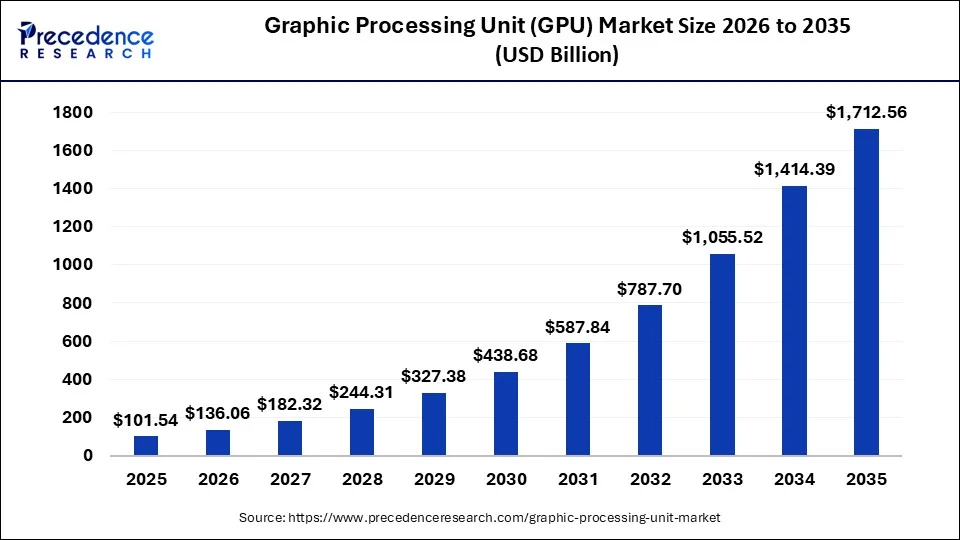
The global graphic processing unit (GPU) market size is expected to be hit around USD 1712.56 billion by 2035 from USD 101.54 billion in 2025, with a significant CAGR of 32.62%. Growth is driven by the rapid adoption of artificial intelligence (AI), machine learning, cloud computing, data centers, gaming, Internet of Things (IoT), autonomous vehicles, and immersive AR/VR applications, alongside continuous advancements in GPU architectures that enhance computing performance and energy efficiency.
Amazon Web Services raised prices on its EC2 Capacity Blocks for ML on July 1, 2026, and the increase landed hard. Rates for reserved GPU clusters climbed by roughly 20% across six instance families, from the newest Blackwell-class hardware down to older Ampere-generation instances. AWS confirmed the change through its official pricing page and told reporters the update reflects supply and demand.
Nvidia Corp. engages in the design and manufacture of computer graphics processors, chipsets, and related multimedia software. It operates through the following segments: Graphics Processing Unit (GPU) and Compute & Networking. The Graphics segment includes GeForce GPUs for gaming and PCs, the GeForce NOW game streaming service and related infrastructure, Quadro and NVIDIA RTX GPUs for enterprise workstation graphics, virtual GPU, or vGPU, software for cloud-based visual and virtual computing, automotive platforms for infotainment systems, and Omniverse Enterprise software for building and operating metaverse and 3D internet applications.
As of August 13 Eastern Time, Nvidia trades at $225.3, maintaining a strong upward technical trend targeting new highs. Fundamentally, Nvidia partnered with six Wall Street giants to establish a $500 billion AI compute financing platform, alleviating capital constraints for non-tech-giant customers and mitigating market concerns over circular financing.
The GPU market is projected to grow from USD 101.54 billion in 2025 to USD 1,712.56 billion by 2035, registering a remarkable CAGR of 32.62%.
The price hikes have triggered panic among distributors, with some Chinese platforms de-listing Nvidia cards entirely. AMD, Intel, and even console makers like Sony and Nintendo have also raised prices, leaving gamers with few affordable options.
Nvidia's stock price forecast looks promising, with the company partnering with six Wall Street giants to raise $500 billion, which may support the stock's rise to $300. The company's strong upward technical trend and fundamental analysis suggest a continued upward momentum.
In conclusion, the RTX 5090's price surge is a result of Nvidia's price hikes, which are attributed to the 20% DRAM price increase by Samsung. The GPU market is expected to grow significantly, driven by the adoption of AI, machine learning, and cloud computing. As the demand for GPUs continues to rise, prices are likely to remain high, making it challenging for consumers to find affordable options.