
AMD Raises Radeon GPU Prices 10% as Memory Shortage Spreads
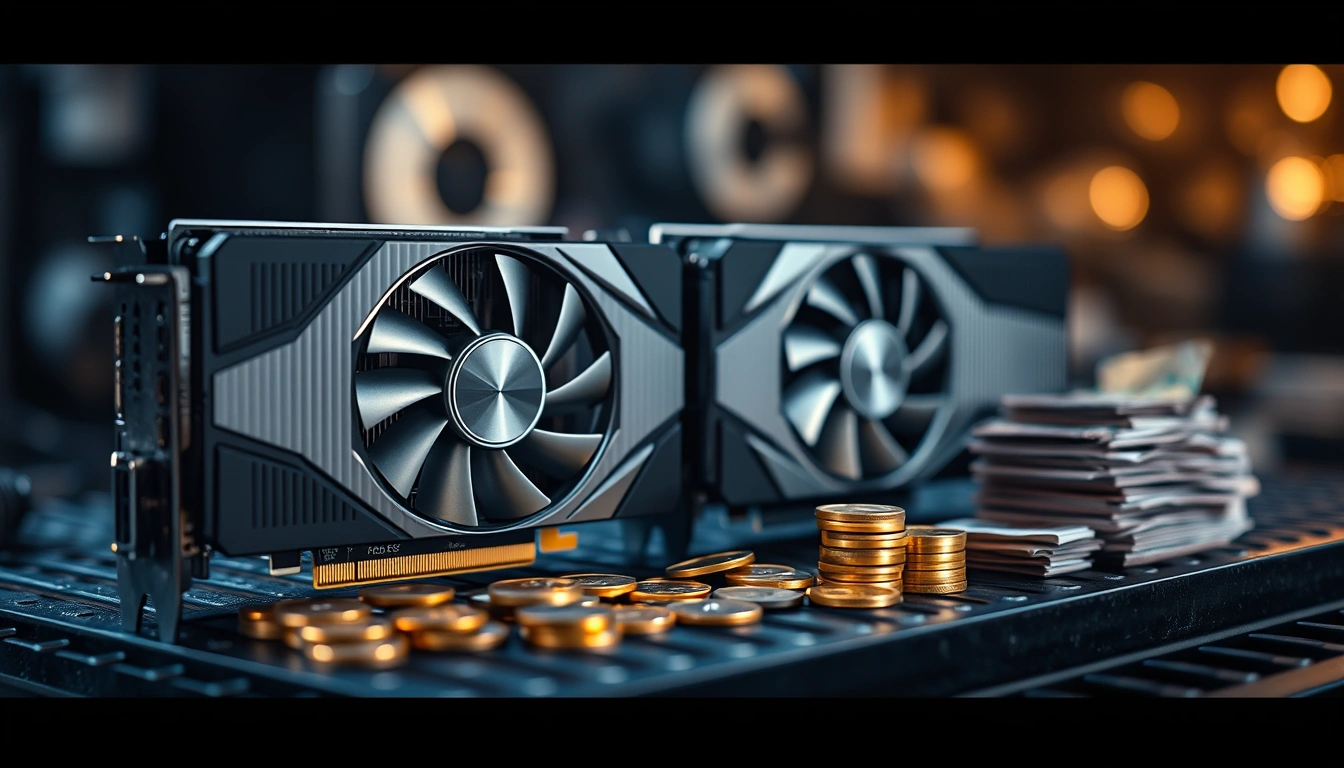
The global shortage of GDDR memory has led to significant increases in memory procurement costs, resulting in a 10% price hike for AMD's Radeon GPU-and-memory kits
By Cole Ashford · Updated August 16, 2026 at 5:01 PM
Introduction to the Price Hike
The recent announcement by AMD to raise the prices of its Radeon GPU-and-memory kits by approximately 10% has sent shockwaves through the tech industry. This move is primarily driven by the ongoing global shortage of GDDR memory, which has led to significant increases in memory procurement costs. The shortage is attributed to the shift of DRAM wafer capacity toward High Bandwidth Memory production for AI data centers.
The Impact on Retail Prices
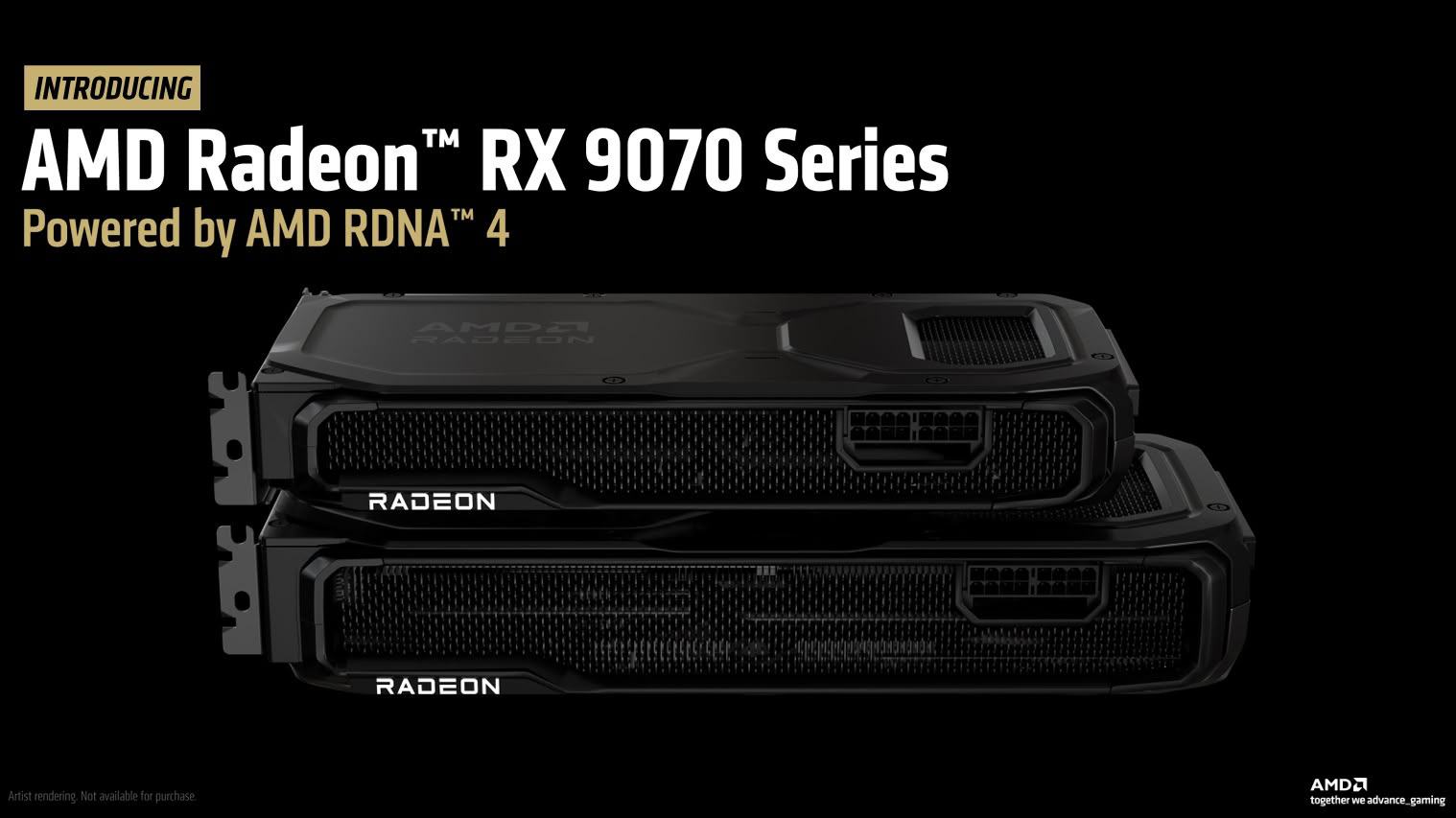
The price increase will likely result in retail prices for high-VRAM models rising by 8-12% once existing inventory is cleared. This means that consumers can expect to pay more for their graphics cards, especially those with higher VRAM capacities. The increase in prices will be more pronounced for models with more VRAM, such as the Radeon RX 9070 XT, which is expected to carry a higher premium.
The Reason Behind the Shortage
The shortage of GDDR memory is a result of the shift in DRAM wafer capacity towards High Bandwidth Memory production for AI data centers. This has led to a reduction in the supply of GDDR memory, resulting in higher procurement costs for AMD and other manufacturers. The company has been working to secure alternative sources of memory, but the shortage is expected to continue in the short term.
The Competitive Landscape
AMD's decision to raise prices follows a similar move by Nvidia, which has also increased the prices of its graphics cards due to the memory shortage. The price hike will likely result in a more level playing field between the two companies, with both vendors passing on the increased costs to consumers. However, the price increase may also lead to a decrease in demand, as consumers may opt for lower-priced alternatives or delay their purchases.
The Effect on the Market
The price hike is expected to have a significant impact on the market, with consumers facing higher prices for their graphics cards. The increase in prices will also lead to a decrease in demand, as consumers may opt for lower-priced alternatives or delay their purchases. The shortage of GDDR memory is expected to continue in the short term, and it remains to be seen how the market will respond to the price hike.
Conclusion
In conclusion, the price hike by AMD is a result of the ongoing global shortage of GDDR memory, which has led to significant increases in memory procurement costs. The increase in prices will likely result in retail prices for high-VRAM models rising by 8-12% once existing inventory is cleared. The competitive landscape will also be affected, with both AMD and Nvidia passing on the increased costs to consumers. As the market continues to evolve, it remains to be seen how consumers will respond to the price hike and how the shortage of GDDR memory will be addressed.
The price hike by AMD is a clear indication of the challenges faced by the tech industry in terms of sourcing components and managing supply chains. As the demand for graphics cards continues to grow, manufacturers will need to find innovative solutions to address the shortage of GDDR memory and mitigate its impact on prices.
The Future of the Tech Industry
The future of the tech industry will be shaped by the ability of manufacturers to address the shortage of GDDR memory and mitigate its impact on prices. As the demand for graphics cards continues to grow, companies will need to invest in research and development to find alternative sources of memory and improve the efficiency of their supply chains. The price hike by AMD is a wake-up call for the industry, and it remains to be seen how manufacturers will respond to the challenge.