
The 'Flock Sock': How a 3D-Printed Camera Cover Became a Privacy Protest Symbol
Explore the rise of the Flock Sock, a 3D-printed device that symbolizes the growing backlash against surveillance technologies.
By Morgan Hayes · Updated August 16, 2026 at 5:39 PM
Introduction
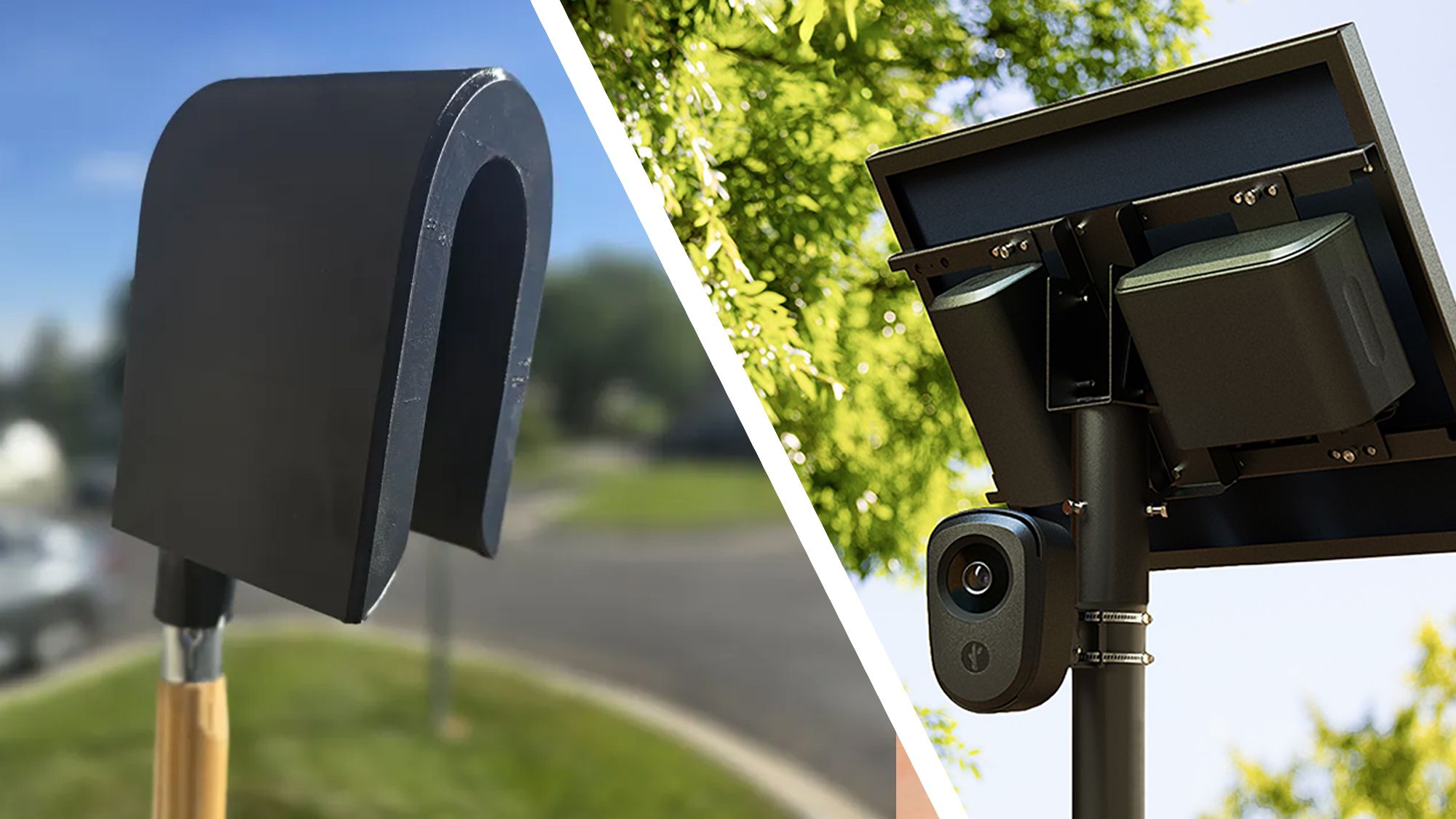
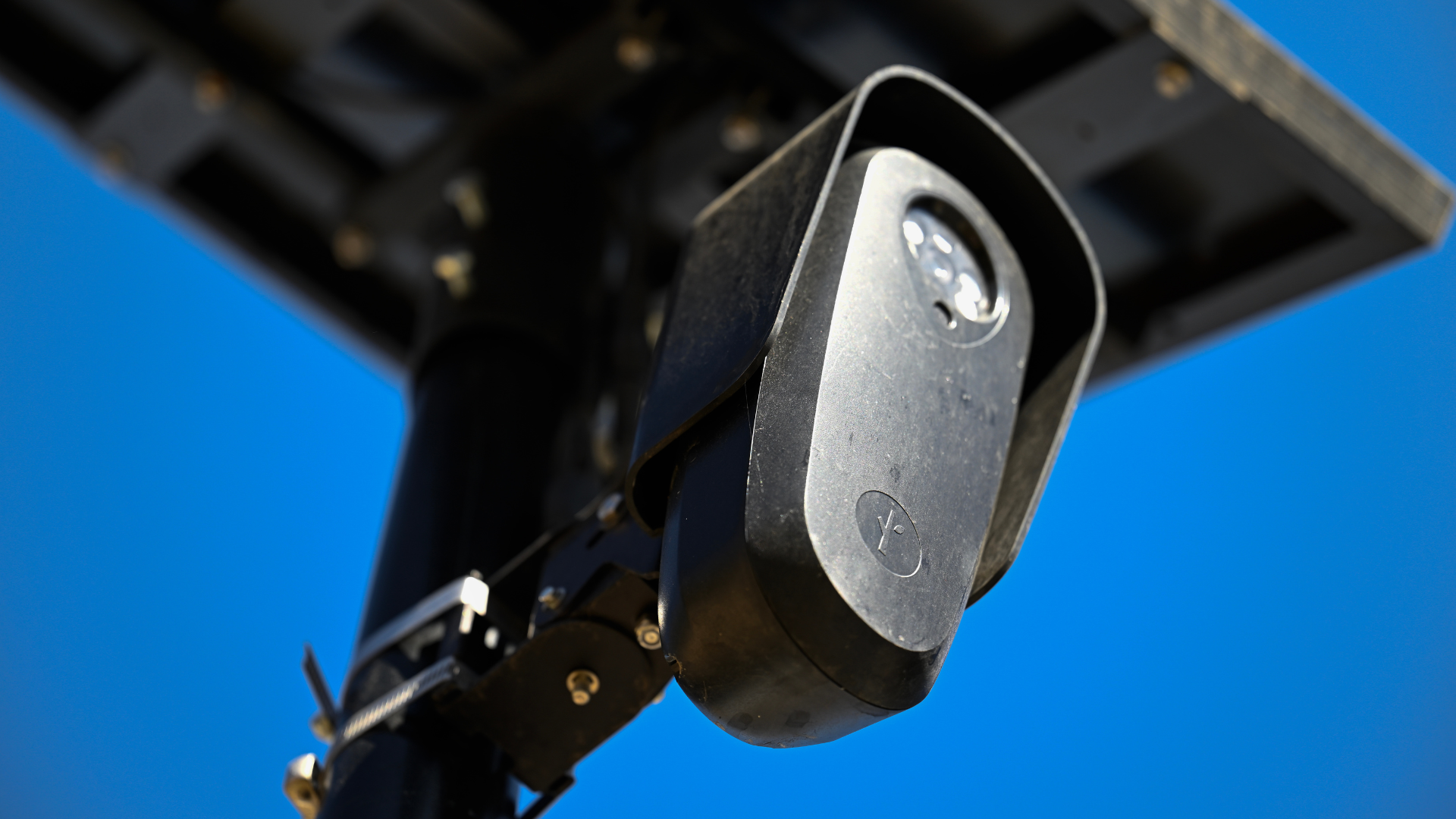
The Flock Sock has emerged as a notable symbol in the ongoing discourse surrounding privacy and surveillance. Designed by a 3D printing enthusiast, this innovative camera cover serves a dual purpose: ostensibly to protect Flock cameras from sunlight while simultaneously disabling their functionality. This article delves into the origins of the Flock Sock, its implications for privacy advocacy, and the broader societal concerns regarding surveillance technology.
Understanding Flock Surveillance Technology
Flock cameras, widely utilized by law enforcement and private entities, have come under intense scrutiny for their role in monitoring citizens. These devices are known for their ability to capture license plates and other identifying information, leading to significant privacy violations. Critics argue that the deployment of such technology often occurs without adequate oversight, raising alarms about the potential for misuse. The Flock Sock, therefore, represents a grassroots response to these concerns, as citizens take action to shield themselves from invasive surveillance practices.
The Birth of the Flock Sock
The Flock Sock was conceived by an individual known as SquidInk, who sought a practical solution to the rising number of Flock cameras in public spaces. Recognizing that traditional methods of disabling cameras—such as using trash bags or paint—could be hazardous or damaging, SquidInk designed a slip-on cover that could be easily attached to cameras. This design not only simplifies the process of disabling surveillance but also frames the action in a humorous light, as it is marketed as a protective measure against sun damage.
Public Backlash Against Surveillance
The backlash against Flock cameras has been fueled by multiple incidents where their use has been deemed inappropriate. Reports have surfaced of law enforcement misusing the technology to track individuals, including protesters and women seeking abortions. Such revelations have led to a growing public outcry, prompting citizens to take matters into their own hands. The Flock Sock has become a symbol of this resistance, representing a collective stand against perceived overreach by surveillance systems.
Legal and Ethical Considerations
The deployment of Flock cameras raises significant legal and ethical questions. Critics argue that these devices violate the Fourth Amendment, which protects citizens from unreasonable searches and seizures. Moreover, the potential for abuse by law enforcement—such as stalking or harassment—has led to calls for stricter regulations governing the use of surveillance technology. The Flock Sock, in this context, serves as a form of protest against these legal ambiguities, highlighting the need for clearer guidelines on surveillance practices.
The Role of 3D Printing in Activism
3D printing technology has revolutionized the way individuals can engage in activism. The Flock Sock exemplifies how accessible design and manufacturing can empower citizens to take direct action against surveillance. By providing a simple, effective tool for disabling cameras, 3D printing has enabled a new wave of grassroots activism. This trend raises important questions about the intersection of technology and social movements, as individuals leverage innovative solutions to combat systemic issues.
Flock's Response to Criticism
In response to the growing backlash, Flock's CEO, Garrett Langley, has publicly stated that the company does not aim to be a 'Big Brother' figure. He has emphasized the importance of community safety and the intended use of their technology for crime prevention. However, many remain skeptical of these assurances, particularly in light of documented abuses of the system. The Flock Sock serves as a tangible reminder that public trust in surveillance technology is fragile and must be earned through transparency and accountability.

The Future of Surveillance Technology
As technology continues to evolve, so too will the methods of surveillance employed by both public and private entities. The Flock Sock is a reflection of the growing awareness and resistance to these practices. Moving forward, it will be crucial for society to engage in meaningful discussions about the implications of surveillance technology and the rights of individuals in an increasingly monitored world. The Flock Sock may just be the beginning of a larger movement advocating for privacy and civil liberties.
Conclusion
The Flock Sock has transcended its original purpose as a mere camera cover to become a powerful symbol of protest against surveillance. As citizens grapple with the implications of living in a surveilled society, tools like the Flock Sock empower individuals to reclaim their privacy. The ongoing dialogue surrounding surveillance technology will undoubtedly shape the future of civil liberties, and the Flock Sock stands at the forefront of this critical conversation.