
Monitor Prices Are Rising Alongside GPUs — Here's What's Driving It
The ongoing shortage of DRAM and NAND chips has led to increased costs for GPU and memory bundles, driving up prices for monitors and GPUs alike
By Nico Barrett · Updated August 16, 2026 at 4:54 PM
Introduction to the Price Hike
The prices of monitors and GPUs have been rising steadily due to the ongoing shortage of DRAM and NAND chips. This shortage has led to increased costs for GPU and memory bundles sold by manufacturers like Nvidia and AMD. As a result, enthusiasts are seeking upgrades in other areas, such as gaming monitors, driving up their prices. Recent reports indicate that both Nvidia and AMD are increasing the cost of their GPU and memory bundles, which is expected to further elevate retail prices.
The Impact of the Shortage
The shortage of DRAM and NAND chips has been a major contributor to the rising prices of monitors and GPUs. The rosiest of estimates puts a market correction towards the end of 2027, but more realistic estimates are pushing into the 2030s, barring some sort of AI bubble collapse. This has led to a significant increase in the prices of GPUs, with the GeForce RTX 5090 seeing a 12% average price increase. AMD has also announced a price hike of at least 10% for its GPU and memory bundles in August.
The Rise of OLED Monitors
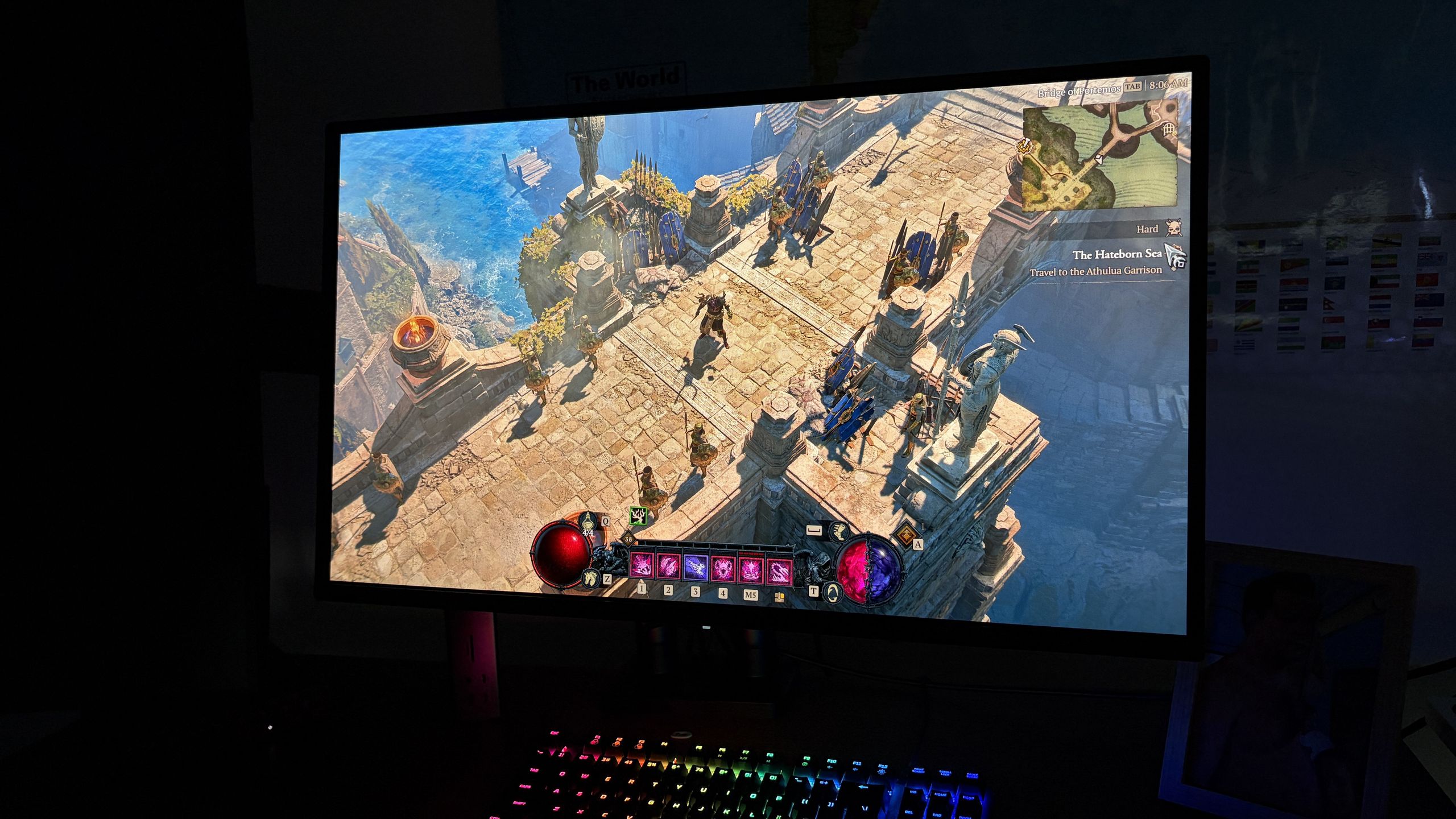
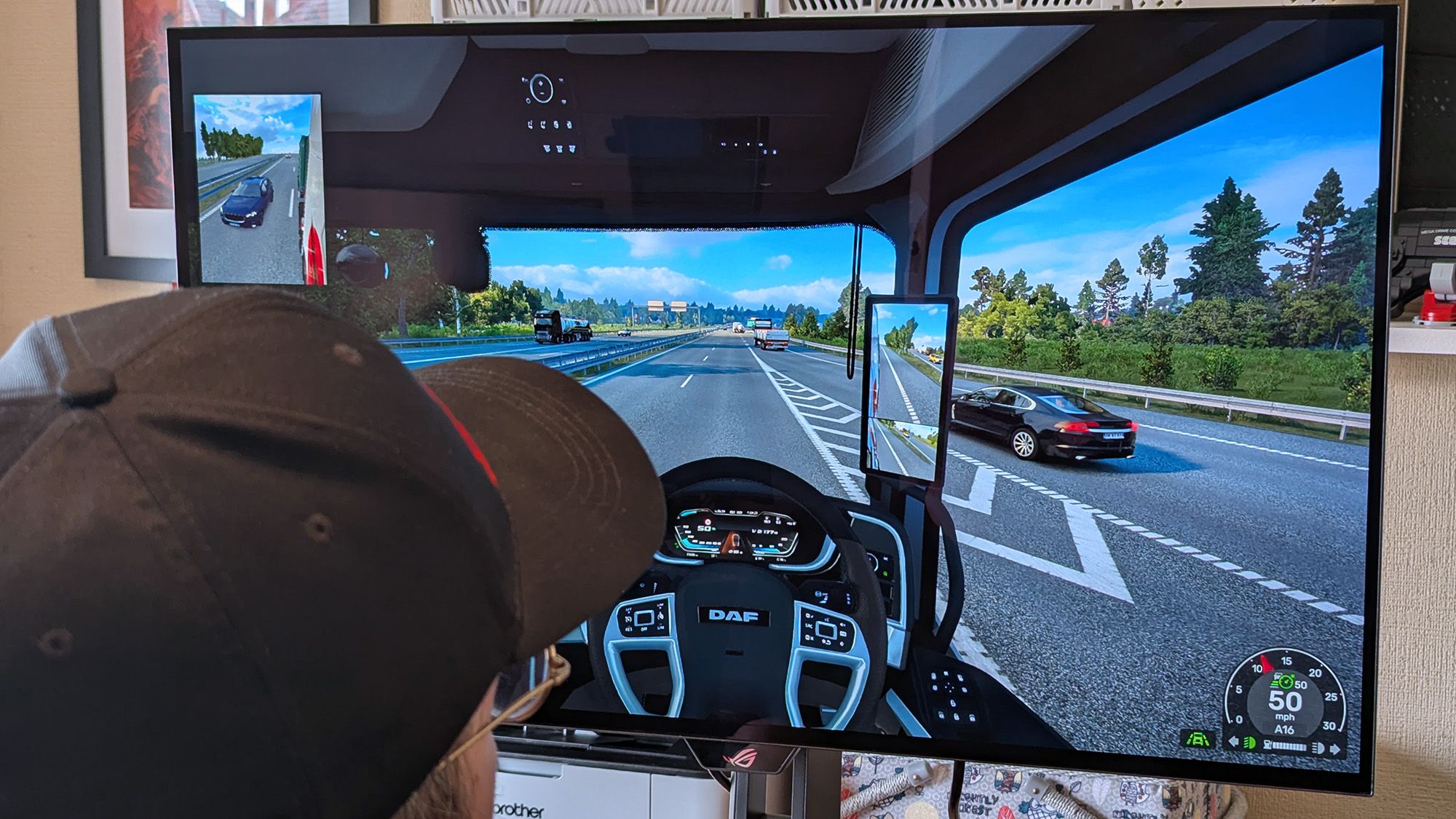
OLED monitor shipments are up a massive 98% year over year. While this may seem like a positive trend, it's essential to consider the underlying factors driving this growth. The ongoing RAM and storage crisis has led to increased demand for OLED monitors, which are often seen as a more affordable alternative to high-end GPUs. However, this growth may not be sustainable in the long term, as the shortage of DRAM and NAND chips continues to drive up prices.
The Effect on the GPU Market
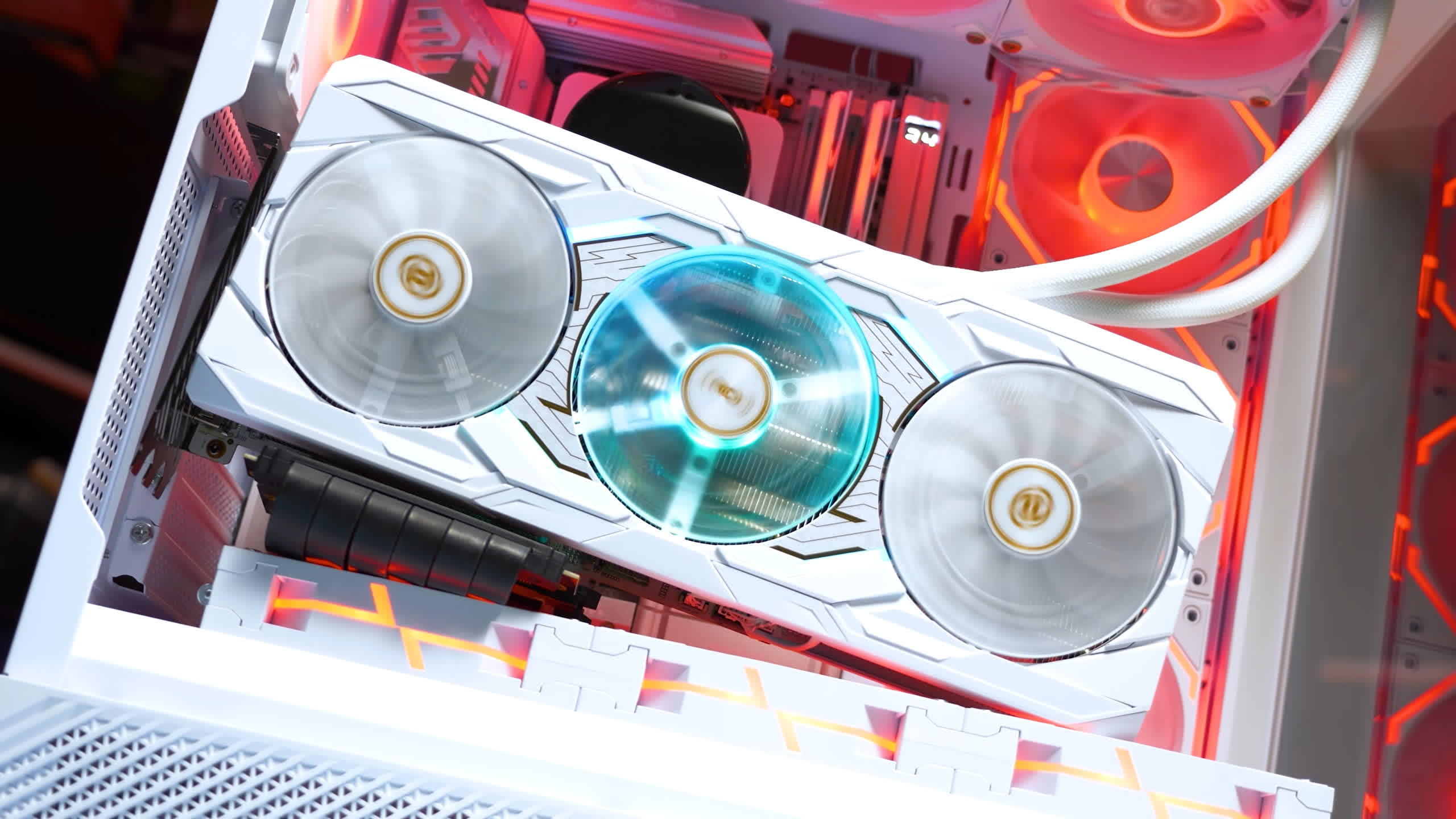
The GPU market has been significantly impacted by the shortage of DRAM and NAND chips. GPU prices have remained inflated but surprisingly stable, with some models seeing price increases of up to 39%. The GeForce RTX 50-series GPU prices have spiked as much as 39% as Blackwell price hikes hit the US. The RTX 5070 gets a 36% hike, and the RTX 5060 is up 27% at the median of Newegg listings.
Expert Insights
The situation is so bad that AMD is planning to bring back graphics cards with 4GB of onboard memory. Originally launched for under $300, it's hard to find this GPU for less than $450 these days. And that's the lowest estimate. XFX is selling it for $490, while Gigabyte is hawking it for $550 in the US.
Conclusion
In conclusion, the rising prices of monitors and GPUs are a result of the ongoing shortage of DRAM and NAND chips. The shortage has led to increased costs for GPU and memory bundles, driving up prices for monitors and GPUs alike. As the demand for OLED monitors and GPUs continues to grow, it's essential to consider the underlying factors driving this growth and the potential long-term implications for the market.
Nvidia's Stock Price Forecast
Nvidia's stock price forecast is looking positive, with the company partnering with six Wall Street giants to raise $500 billion. This initiative aims to establish a $500 billion AI compute financing platform, alleviating capital constraints for non-tech-giant customers and mitigating market concerns over circular financing. The stock price is expected to continue its upward momentum, with key resistance at $230–$236 and strong support near $210.