
Computing/More from Computing/Other
Building a PC in 2026: Why Every Component Costs More Than Last Year
The cost of every PC component has increased significantly in 2026 due to a prolonged memory shortage, making it challenging for consumers to build or buy a decent PC at a reasonable price.
By Elliot Crane · Updated August 16, 2026 at 5:04 PM
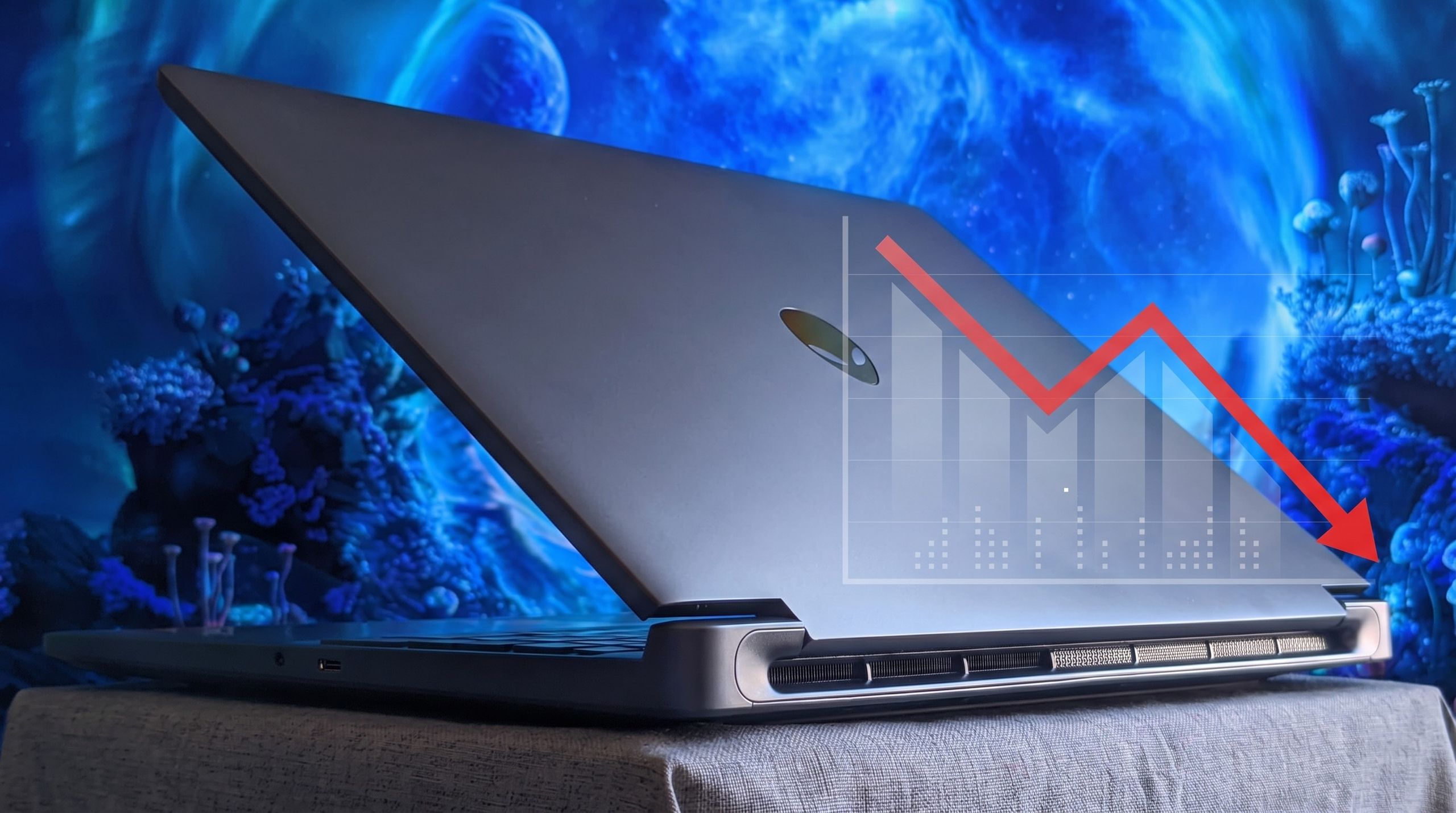
Introduction to the PC Component Crisis
The year 2026 has seen a significant increase in the cost of every PC component, making it difficult for consumers to build or buy a decent PC at a reasonable price. This crisis is largely attributed to a prolonged memory shortage driven by the high demand for memory fabrication capacity from AI data centers. As a result, the prices of DRAM and other components, including GPUs, have skyrocketed, with some components seeing price hikes of up to 22% in China.
The Impact of the Memory Shortage on PC Sales
The memory crisis has had a significant impact on PC sales, with global shipments dropping in Q2 2026. According to Counterpoint Research, only one PC brand saw an improvement in sales during this period. The situation is exacerbated by the reallocation of manufacturing capacity away from consumer-grade NAND and DRAM to meet the demands of AI data centers, resulting in continued price increases throughout the second half of 2026.
The Effect on PC Gaming
The RAM crisis has made it challenging for PC gamers to upgrade or buy new hardware. The Steam Machine, which was released in 2026, has a price tag of over $1,000, making it unaffordable for many gamers. However, for those who already have decent hardware, PC gaming has never been better. The latest games and technology have made PC gaming an incredible experience, but the high cost of hardware is a significant barrier to entry.
The RAM Crisis and Its Impact on the Market
The RAM crisis has shifted the market towards premium AI PCs, making higher prices more acceptable due to their superior performance and AI features. However, this has also led to a shortage of budget PCs, making it difficult for consumers to find affordable options. The situation is further complicated by the fact that the RAM crisis is not expected to end soon, with analysts predicting that prices will remain elevated throughout the second half of 2026.
Advice for Consumers
For consumers who are looking to buy or build a PC, it is essential to consider the current market situation. With prices expected to remain high, it may be wise to wait until the situation improves. However, for those who need a PC immediately, it is crucial to do thorough research and compare prices to find the best deals. Additionally, consumers should consider buying last year's models or refurbished PCs, which can be more affordable than the latest models.
Conclusion
In conclusion, the PC component crisis has made it challenging for consumers to build or buy a decent PC at a reasonable price. The memory shortage, driven by the high demand from AI data centers, has led to a significant increase in the cost of every PC component. While the situation is expected to continue throughout the second half of 2026, consumers can take steps to mitigate the impact by doing thorough research and considering alternative options.
The RAM crisis is a complex issue that is affecting not only the PC industry but also other sectors that rely on memory and storage. As the demand for AI and machine learning continues to grow, it is essential to find solutions to address the memory shortage and make PC components more affordable for consumers.
The Future of PC Components
The future of PC components is uncertain, with the RAM crisis expected to continue for the foreseeable future. However, as technology continues to evolve, we can expect to see new innovations and solutions that address the memory shortage. For example, the development of new memory technologies, such as phase-change memory, could provide a more affordable and efficient alternative to traditional DRAM. Additionally, the growth of cloud computing and game streaming services could reduce the need for high-end PC hardware, making it more accessible to a wider range of consumers.