The 2026 TV Shootout
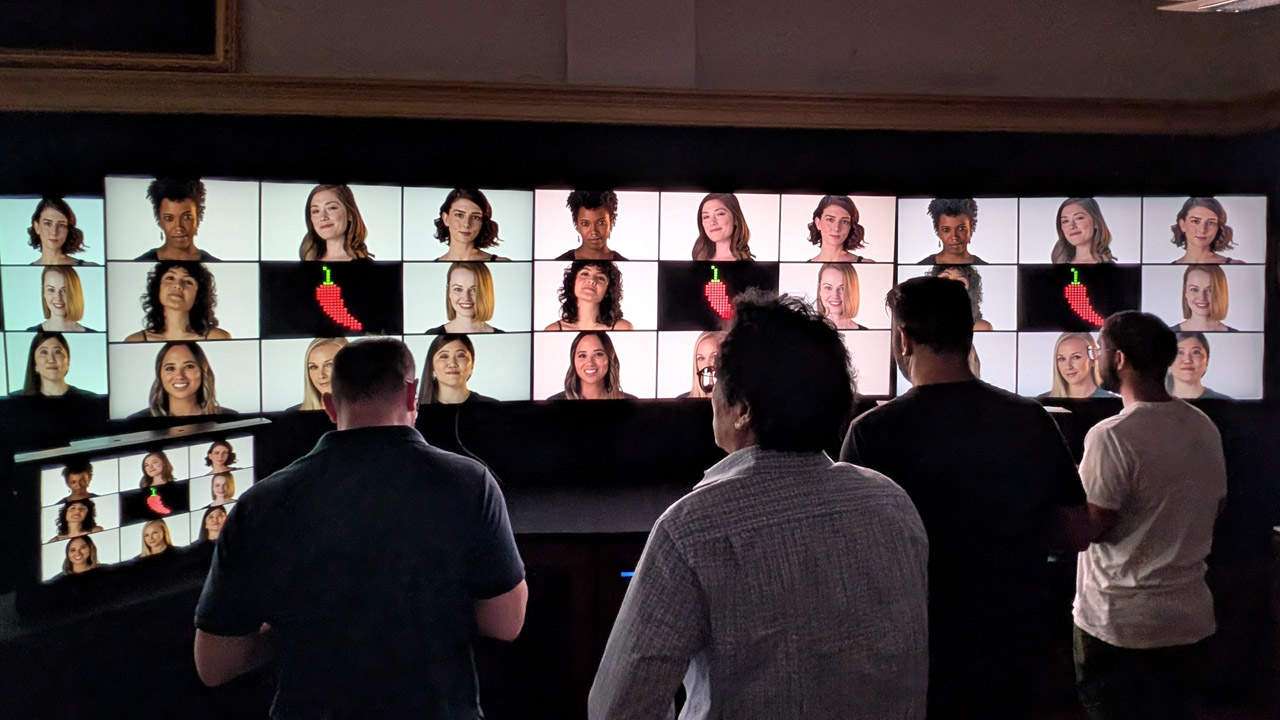
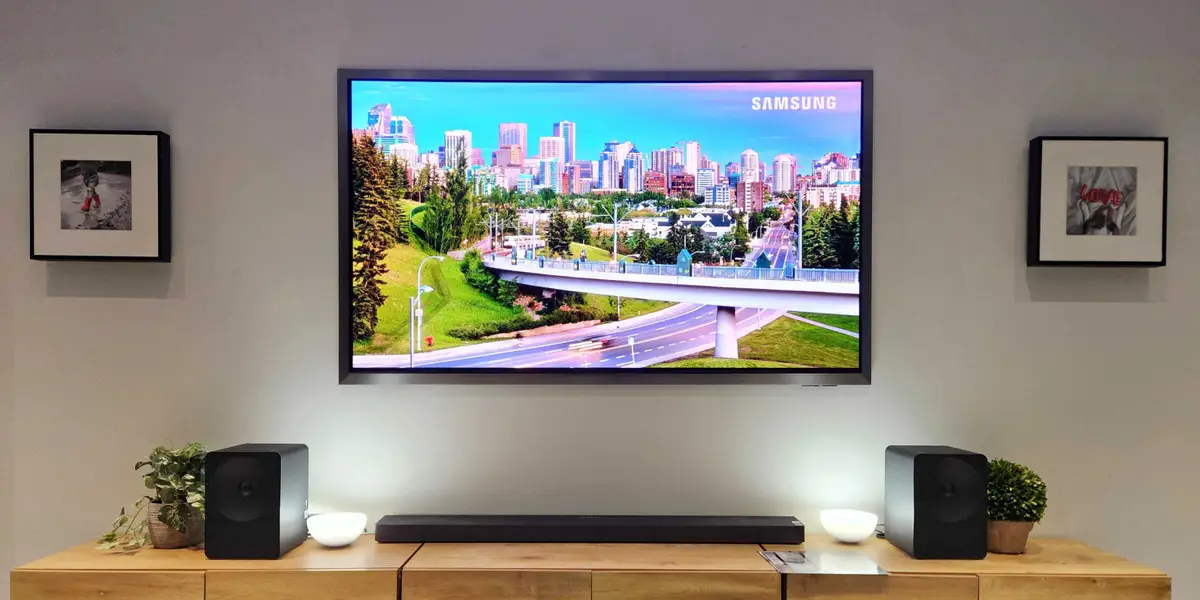
The annual Value Electronics TV Shootout drew industry attention once again, this time with a clear winner emerging from the crowded OLED field. In an event that split the judging panel into two distinct streams—OLED and RGB/LCD—the Samsung QN65S95H OLED TV secured the overall crown. The competition, which included the LG OLED65G6WUA and the Sony K65XR80M2, was judged on a combination of color accuracy, contrast, brightness, motion handling, and overall image fidelity. While the exact point tallies are still being finalized, Samsung’s model consistently topped the charts across every metric.
Samsung’s Masterclass in OLED
The Samsung QN65S95H set a new benchmark for OLED performance. Its pixel‑perfect local dimming and quantum‑dot backlighting pushed HDR peak brightness well beyond the 1,200 nits often cited by competitors, while maintaining near‑zero burn‑in risk. In SDR mode, the TV delivered an average 4.6 out of 5 rating for luminance consistency, a figure that matches the best of the best. Samsung’s proprietary “Infinity‑Color” engine also provided a wider gamuts, bringing the HDR10+ and Dolby Vision curves closer together than any rival.
“Samsung’s QN65S95H has redefined what we expect from an OLED in both everyday viewing and high‑end content. The HDR performance alone is a game‑changer for enthusiasts,” said a senior reviewer.
In HDR, the QN65S95H outscored the nearest rival—the Sony K75XR90M2—by a significant margin. Sony’s panel, though praised for its deep blacks, fell short on peak luminance and color volume, which were crucial in the shootout’s scoring rubric.
Sony and LG Keep the Competition Tight
Sony’s K75XR90M2, a 75‑inch beast, was a formidable contender. Its 8K-capable panel and advanced processing engine earned it high marks for image clarity. However, the panel’s brightness ceiling was capped at around 1,000 nits, noticeably lower than Samsung’s 1,200‑nit peak. LG, on the other hand, delivered a solid 65‑inch OLED with excellent color reproduction and a robust HDMI 2.1 implementation for gaming, yet it lagged in HDR brightness and motion smoothing.
The Sony and LG models both earned respectable scores in SDR, but the shootout’s HDR weighting tipped the scales in Samsung’s favor. Some judges noted that the Sony’s “X‑trans” sensor offered a slightly warmer color profile that might appeal to certain viewers, while the LG’s “OLED‑HD” software was praised for its low input lag.

What This Means for Buyers in 2026
For consumers, the shootout’s results suggest that Samsung’s QN65S95H offers the best bang for the buck in the premium OLED segment. The model’s combination of HDR brilliance, color accuracy, and gaming readiness makes it a versatile choice for movie buffs, gamers, and casual viewers alike. However, buyers should note that the QN65S95H’s price point remains premium, and potential buyers might find the Sony and LG alternatives more affordable while still delivering strong performance.
Uncertain facts: While the shootout’s press release confirms Samsung’s win, the official score sheet has not yet been released. Early reports indicate a 4.6 average rating for Samsung, but precise breakdowns for SDR and HDR remain provisional.
In the end, Samsung’s triumph is a clear indicator that OLED technology is still evolving rapidly. The QN65S95H demonstrates that manufacturers can push brightness limits without sacrificing the deep blacks OLEDs are known for—a win for both tech aficionados and mainstream consumers.

The Verdict
Samsung’s QN65S95H OLED TV takes home the crown in the 2026 Value Electronics TV Shootout, setting a new standard for HDR performance and overall image quality. Sony and LG remain strong contenders, but Samsung’s dominance in the HDR category makes it the go‑to choice for those seeking top-tier picture fidelity in a 65‑inch OLED display.
 TVs
TVs