Why Mini LEDs Are Game Changers
In 2026, the television market is no longer about resolution alone. While 4K and even 8K have become standard, a new driver is influencing purchasing decisions: the backlight. Traditional LCDs use a single color of LED—usually blue—combined with phosphors or quantum dots to generate the full spectrum of colors. RGB Mini LED TVs flip that model on its head by deploying thousands of microscopic red, green, and blue LEDs directly behind the display. The result? Picture quality that can outshine OLEDs in brightness and color saturation while retaining OLED‑style local dimming for near‑infinite contrast.
The benefits are tangible:
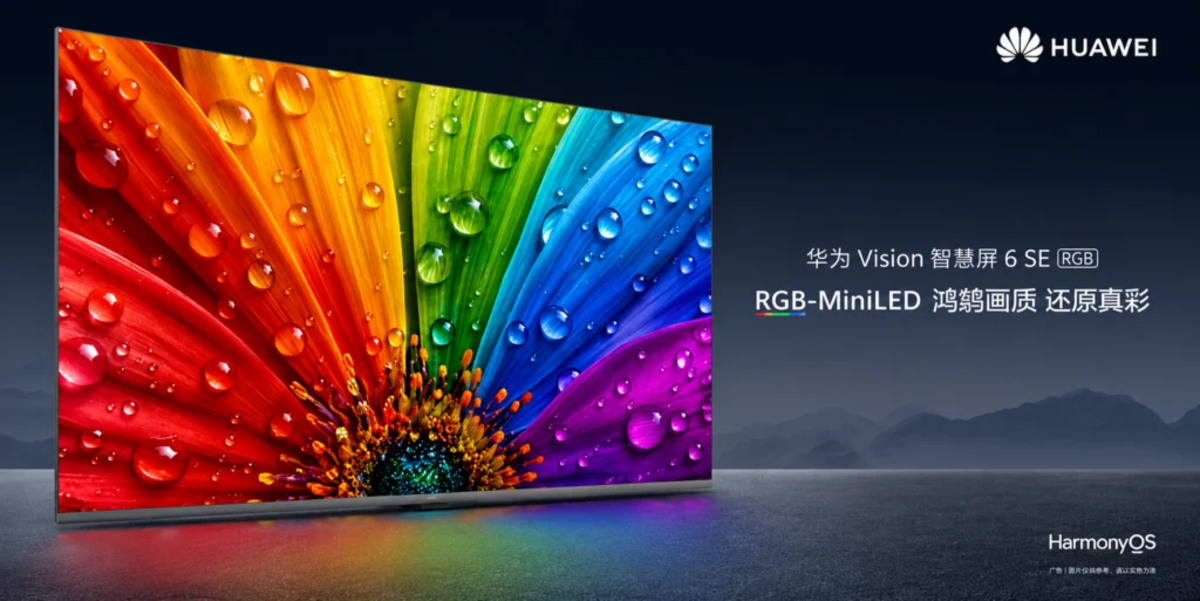
- Higher peak brightness—some models reach 10,000 nits, easily outshining HDR10+ content.
- Wider color gamut—with precise control over each RGB channel, these TVs can produce hues beyond the Rec. 2020 specification.
- Improved black levels—by dimming individual LED zones, manufacturers achieve deeper blacks than blue‑LED backlights.
The technology is not just a niche premium feature anymore; it’s becoming accessible across mid‑range lines.
RGB Mini LED Explained
A standard LCD panel is essentially a layer of liquid crystals sandwiched between two polarizing filters. Light from the backlight passes through the crystals and the filter, allowing us to control each pixel’s brightness. With blue‑LED backlights, the crystals only modulate light that has already been converted to red and green by quantum dots. RGB Mini LED disrupts this by placing a separate LED for each primary color directly behind the panel.
This configuration offers two key advantages:
- Precise color control – Each LED can be driven independently, giving the panel a fine‑grained color palette.
- Localized dimming – Unlike conventional full‑panel dimming, RGB Mini LEDs allow manufacturers to carve the backlight into thousands of zones. This means brighter whites, darker blacks, and sharper transitions.
"The shift to RGB Mini LEDs is the biggest leap in LCD tech since the advent of LED backlighting," notes an industry analyst. The quote reflects a consensus that the technology will redefine how consumers evaluate TV performance.
Consumer Adoption
Brands that are leading the charge include Hisense, LG, Samsung, and TCL. Each has released mid‑range models that strike a balance between price and performance. For instance, a $1,200 Hisense 55‑inch TV can rival a $2,500 OLED in many viewing scenarios, thanks to the RGB Mini LED backlight.
Accessibility is a big part of the trend. Earlier in the decade, Mini LED was synonymous with flagship units that cost beyond the reach of most households. Today, economies of scale and refined manufacturing processes have brought the price point down significantly. Retailers report a 30‑40% year‑over‑year increase in Mini LED units sold, indicating that the technology is no longer an exclusive luxury.
Still, there are uncertainties. Some manufacturers keep key specs—such as peak brightness and color volume—undisclosed, which makes side‑by‑side comparisons difficult. Additionally, while HDR10+ support is common, not all models deliver the same level of dynamic range.
Looking Ahead
The future of TV display is poised for a hybrid approach. OLED remains strong in areas like color accuracy and flexibility, but Mini LED is pushing the envelope in brightness and energy efficiency. As 8K adoption slows and consumer budgets tighten, the RGB Mini LED approach offers a compelling middle ground.
Manufacturers are already exploring the next frontier: integrating micro‑LEDs directly onto the panel surface. That leap could combine the best of both worlds—OLED’s self‑lighting capabilities with Mini LED’s local dimming precision.
In summary, RGB Mini LED TVs are redefining what consumers can expect from a high‑definition screen. They bring unprecedented brightness and color fidelity while remaining financially accessible, making them a decisive factor in the next wave of television upgrades.
 TVs
TVs