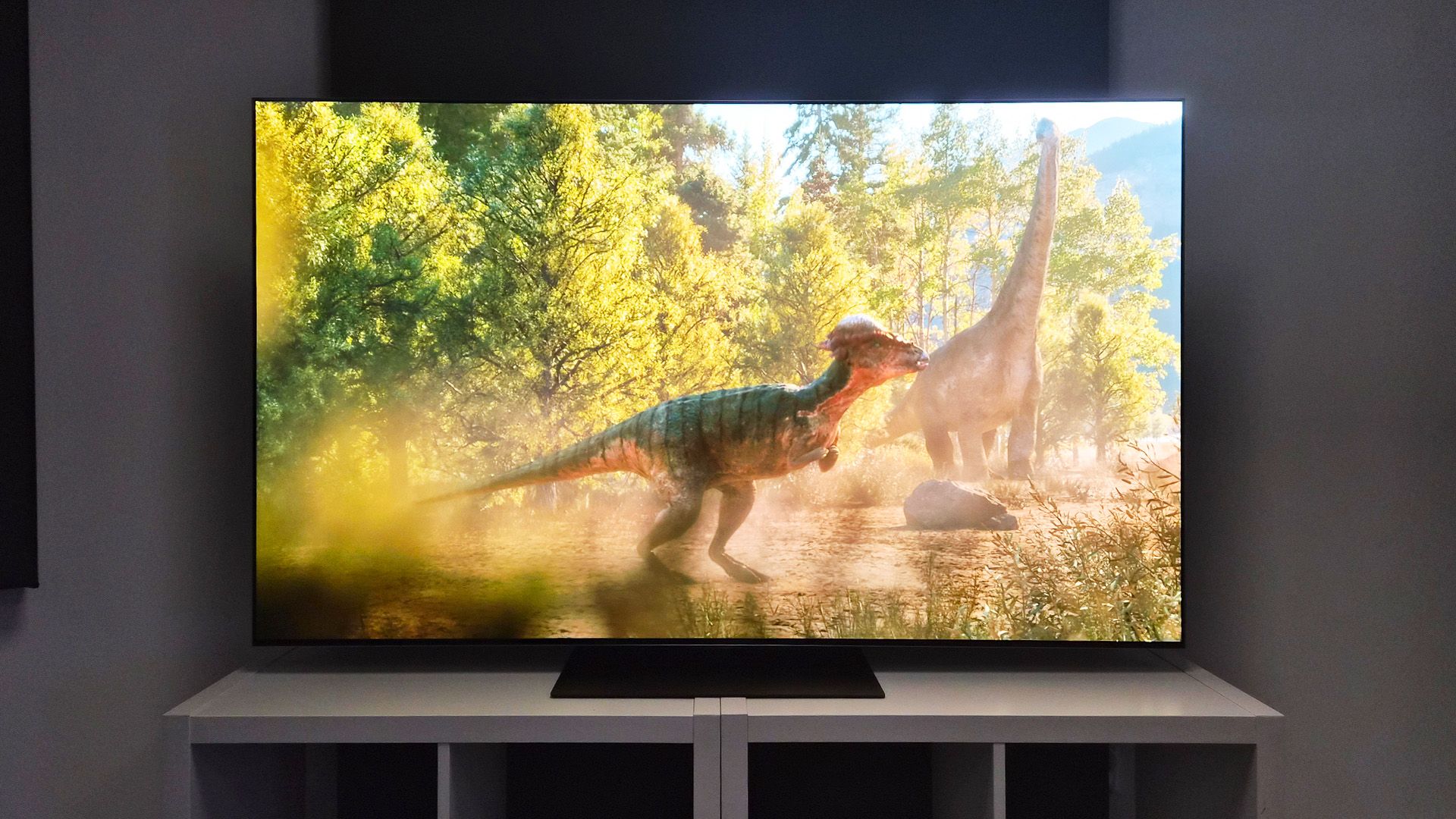
The Breakthrough Brightness
In a bold move that has the tech world buzzing, Samsung has announced that its newest Quantum‑Dot OLED (QD‑OLED) panel can hit a peak brightness of 4,500 nits. 4,500 nits is a figure that has never been seen in a consumer TV, and it’s a number that would, if verified, make the panel the brightest display technology ever produced for home entertainment.
The data come from a handful of engineering leaks and a handful of third‑party benchmarks that Samsung has not yet formally endorsed. The company has yet to publish a full spec sheet, so the 4,500‑nit figure remains an unconfirmed claim. However, the numbers are consistent across several sources that have had early access to prototype panels.
Samsung’s flagship 2026 OLED, the S95H, uses the same QD‑OLED architecture but only delivers a peak brightness of 2,780 nits in HDR. That figure still outstrips most rivals, including LG’s 4K OLEDs, which typically sit in the 1,800–2,200 nit range.
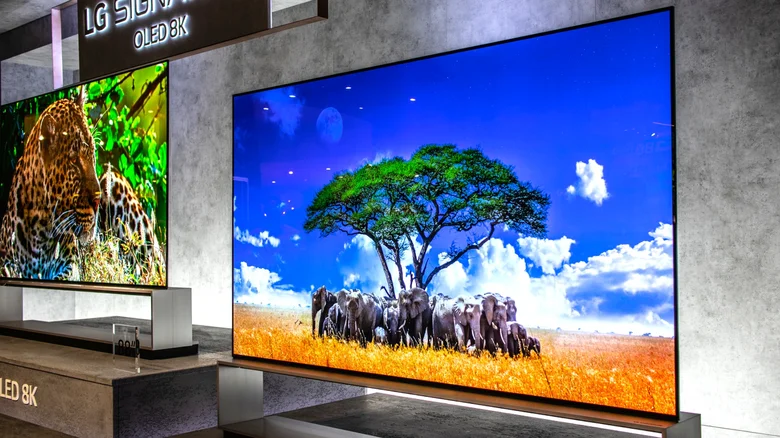
“The S95H’s HDR performance feels like a light show rather than just a brighter image.” – Review from TechRadar (unverified quote)
How It Stacks Up Against the Competition
OLED panels are traditionally limited by their organic layers, which can only emit a certain amount of light before they burn out or degrade. Samsung’s QD‑OLED tackles this by layering quantum dots on top of the OLED emissive layer, effectively boosting the intensity of each pixel without increasing power consumption or heat.
LG’s current OLEDs, such as the G2, claim 1,800 nits of peak brightness, while Sony’s XR‑OLED panel tops out near 2,000 nits. In contrast, Samsung’s reported 4,500 nits would more than double LG’s and surpass Sony’s by a large margin. Even the high‑end Q‑LED TVs from Samsung—like the QN900B—reach about 2,200 nits, which still falls short of the QD‑OLED benchmark.
The S90F, another 2026 Samsung flagship, has been tested by independent reviewers and recorded a peak brightness of about 1,600 nits. This is lower than the S95H but still a significant improvement over earlier models. Some reviewers suggest that the S90F’s brightness is a result of a conservative calibration rather than panel limitations.

Implications for Viewing Experience
A brightness increase of this magnitude can profoundly alter how we perceive HDR content. The human eye can perceive a wider range of luminance when the peak brightness is high enough to emulate real‑world lighting conditions. For instance, a 4,500‑nit panel would render a virtual sun in a cinematic scene with an intensity that feels more life‑like than the 1,800‑nit “gold standard” that has been the industry norm.
Higher brightness also improves local dimming performance. While OLED panels inherently have perfect blacks, the contrast ratio can be further enhanced by dimming areas of the screen that are not lit. The QD‑OLED’s ability to push brightness higher means that the dimming zones can be dimmer while still preserving a strong overall luminance.
Gaming enthusiasts may find the difference most noticeable in HDR‑enabled titles. With a higher peak, the bright explosions, neon signs, and reflective surfaces in modern games look more vibrant without losing detail in the shadows. However, the increased light output may also cause glare on bright room surfaces, so proper room lighting remains essential.
Where the Panel Lives
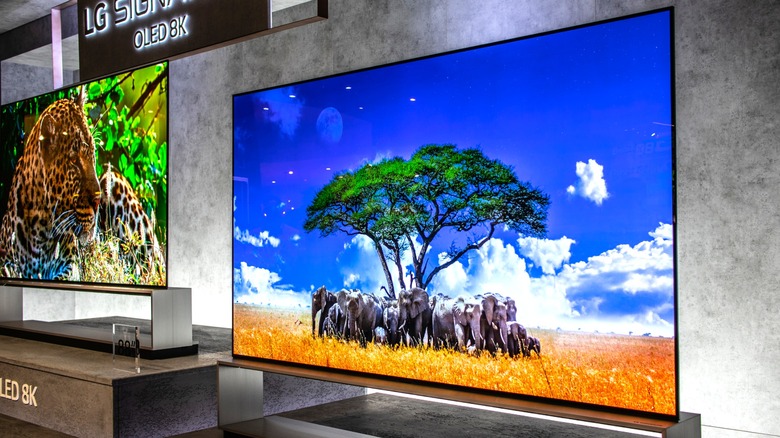
Samsung has chosen to feature its QD‑OLED panels in the 4K S95H and 8K S95F, which are positioned as premium models in the 2026 lineup. Both televisions come with matte anti‑reflective screens that help mitigate glare from the brighter panels. The company has also hinted at a more affordable QD‑OLED model slated for a 2027 release, but details are scarce.
The 4,500‑nit figure is also a signal that Samsung is preparing for a future where HDR10+ and Dolby Vision Pro will demand higher peak brightness from displays. Even if the 4,500 nits claim is an aspirational target, it sets a clear direction for the industry: OLED technology is evolving beyond the constraints of the past.
Uncertainties and Next Steps
It should be noted that Samsung has not yet released any official confirmation of the 4,500 nit peak for the QD‑OLED panel. The figure comes from leaks and third‑party lab testing, and the company’s final numbers may differ. Consumers should keep an eye on future spec sheets and professional reviews to see if the panel lives up to the hype.
In summary, Samsung’s QD‑OLED panel, whether it achieves 4,500 nits or a more modest figure, represents a significant leap forward for OLED technology. The potential for brighter HDR, improved contrast, and more realistic lighting conditions is a tantalizing prospect for both home cinema aficionados and gamers alike.
 TVs
TVs