
How Ford Went From Recall King to Quality Leader — and Why Jim Farley Still Isn't Satisfied
Ford's journey from a recall-heavy reputation to a quality-centric approach is marked by significant changes under CEO Jim Farley. Despite improvements, challenges remain as the automaker strives to meet customer expectations and compete with industry leaders like Toyota.

How Ford Went From Recall King to Quality Leader — and Why Jim Farley Still Isn't Satisfied
Over the past few years, Ford has taken significant strides in transforming its reputation from the "recall king" to a contender in the quality arena. Under the leadership of CEO Jim Farley, the company has invested heavily in quality control measures, hired industry veterans, and implemented a cultural shift within its organization. However, despite these efforts, Ford still finds itself at the top of the National Highway Traffic Safety Administration (NHTSA) recall list. With 2026 seeing over 12 million vehicles recalled, questions remain about whether Ford's improvements are enough to satisfy customers and align with industry standards, particularly those set by competitors like Toyota.
In this piece, we'll explore the measures Ford has taken to improve quality, the challenges it continues to face, and the ongoing journey as the automaker strives to elevate itself in the competitive automotive landscape.
The Quality Turnaround: A Catalyst for Change
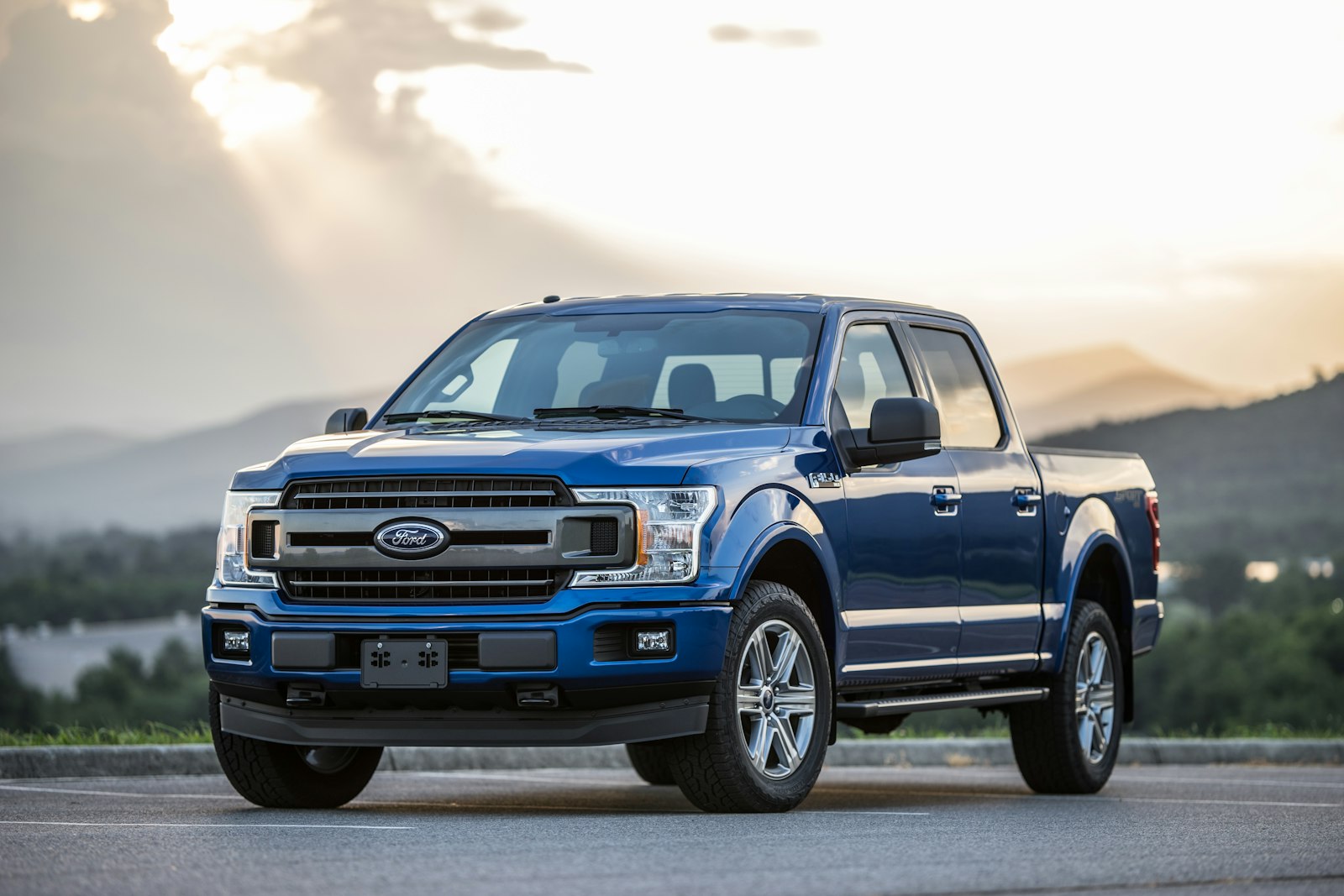
The turning point for Ford came in 2023 with the disastrous launch of the fifth-generation F-Series Super Duty. The launch was marred by software issues and semiconductor shortages, resulting in thousands of unfinished trucks parked across the country. This debacle prompted Ford to reevaluate its quality control processes and the mentality of its leadership.
Jim Farley described the Super Duty launch as a "catalyst for change," leading to a significant restructuring of management. Approximately two-thirds of the leaders in Ford's industrial system—including manufacturing, supply chain, and engineering—were replaced. This shake-up was aimed at eliminating the "that's good enough" mentality that had plagued the company for years. Instead, Ford began fostering a culture of quality obsession, drawing inspiration from Toyota's longstanding commitment to excellence.
A key aspect of this cultural shift involved a dedicated focus on problem-solving rather than finger-pointing. When a worker reports an issue, the company now prioritizes immediate action to fix it and identify root causes. This proactive approach marks a stark contrast to the past, where issues would often be swept under the rug until they escalated into larger problems requiring recalls.
New Leadership and Vision for Quality
As part of its commitment to quality, Ford has made strategic hires to bolster its leadership team. One of the most notable appointments was David Hines, a former NHTSA veteran, who was brought on as the chief auto safety officer. With over 30 years of experience in automotive engineering and safety, Hines is expected to play a pivotal role in reshaping Ford's safety compliance and quality assurance strategies.
In his new role, Hines will oversee a cross-departmental team focused on engineering, digital design, manufacturing, and purchasing to ensure product safety and quality throughout the vehicle lifecycle. His expertise, particularly in developing Federal Motor Vehicle Safety Standards for autonomous vehicles and advanced driver assistance systems, is expected to be instrumental in helping Ford mitigate future recalls.
This new leadership team is part of a broader strategy that aims to improve collaboration across Ford's various divisions. The company recognizes that quality cannot be achieved in silos and that a unified approach is essential for long-term success.
The Numbers: A Mixed Bag
While Ford executives tout improvements in quality and customer satisfaction, the numbers tell a different story. According to NHTSA data, Ford has led the industry in recall campaigns for 2026. So far, the automaker has initiated 61 recall campaigns, down from 94 at the same time last year. However, the total number of vehicles recalled—over 12 million—nearly matches last year's full-year total. This indicates that while the number of recall campaigns has decreased, the scale of recalls remains a significant challenge for the company.
Additionally, many of the recalls this year have involved newer models, including the Ford Escape, Bronco Sport, Maverick, Ranger, and several Lincoln vehicles. One of the most significant recalls involved approximately four million vehicles equipped with defective trailer brake and lighting systems. This particular issue highlights the challenge Ford faces in balancing new model launches with quality control.
Despite these setbacks, Ford's executives remain optimistic. They point to a roughly $1 billion year-over-year reduction in warranty claims and improvements in customer satisfaction as evidence that their strategies are yielding results. However, the lingering high recall numbers cast doubt on whether these improvements are being felt by customers in real time.
Customer Sentiment and the Road Ahead
Customer sentiment plays a crucial role in Ford's journey toward becoming a quality leader. While the company has made strides in addressing quality concerns, many consumers remain wary due to past experiences with recalls. The perception of Ford as a recall-heavy brand still lingers, and overcoming this reputation will take time and consistent performance.
Farley has acknowledged the importance of restoring customer trust, stating that the real challenge lies in executing high-quality vehicle launches over the long term. Unlike competitors like Toyota, which have built a reputation for reliability over decades, Ford is still in the process of changing its internal culture and practices to align with these high standards.
In the automotive industry, quality is not just about reducing recalls; it's about creating vehicles that stand the test of time and provide a seamless ownership experience. As Ford continues to refine its quality control processes and invest in long-term strategies, it will need to maintain a relentless focus on customer satisfaction to truly shift perceptions.
The Competitive Landscape: Lessons from Rivals
As Ford works to improve its quality, it can't ignore the competitive landscape. Toyota, in particular, serves as a benchmark for quality and reliability. The Japanese automaker has built a reputation for producing long-lasting vehicles with minimal post-purchase issues, a feat that has taken decades to establish.
Industry analysts suggest that Ford can learn valuable lessons from Toyota's approach, particularly in terms of quality management and long-term planning. Building a reputation for high-quality vehicles requires not just immediate fixes but a commitment to continuous improvement and innovation.
Ford's focus on quality is certainly a step in the right direction, but it must also embrace a mindset of long-term sustainability. This means not only addressing current issues but also anticipating future challenges in an ever-evolving automotive landscape.
Pricing Strategy Against Competitors
Ford's pricing strategy in 2023 shows thoughtful positioning against competitors, particularly Toyota and Chevrolet. Let's delve into how Ford stacks up against these rivals in various segments.
In the midsize truck segment, the Ford Ranger Raptor, with its robust 3.0L EcoBoost twin-turbo V6 engine, starts at around $57,000 to $59,000. This price point is notably higher than the Toyota Tacoma TRD Off-Road, which starts at approximately $34,200 for the base SR trim, and the Chevy Colorado ZR2 Bison, starting around $45,000. However, the Ranger Raptor offers a significant power advantage, boasting 405 horsepower and 430 lb-ft of torque, compared to the Tacoma's 278 hp and 317 lb-ft. When it comes to performance, Ford is clearly betting that consumers will pay extra for that extra oomph.
In the full-size SUV market, the Ford Expedition starts at about $63,000. While this is slightly above the Chevrolet Tahoe's starting price, it remains lower than the Toyota Sequoia. The Expedition not only competes on price but also excels in towing capacity, offering up to 9,600 lbs, compared to the Tahoe's maximum of 8,400 lbs. This value proposition makes it an attractive option for families and adventurers alike.
Moreover, Ford has made strategic adjustments to the pricing of its Maverick model. The base Maverick Hybrid XL trim remains at a competitive $28,145, while the turbocharged gas trims have seen reductions of up to $4,270. This move is likely aimed at attracting budget-conscious consumers looking for an affordable yet capable vehicle.
By carefully calibrating its pricing strategy and emphasizing performance and utility, Ford hopes to carve out a significant share of the competitive landscape, proving that you don't always have to be the cheapest to win over customers.
Supply Chain Innovations
Ford's commitment to quality improvement extends beyond just engineering and management; it also encompasses significant innovations in its supply chain. In 2023, the automaker unified its engineering, manufacturing, supply chain, and quality teams into a cohesive entity. This restructuring was led by Chief Operating Officer Kumar Galhotra and aimed at streamlining operations to enhance product quality.
One of the critical innovations has been the adoption of artificial intelligence (AI) throughout the supply chain. By leveraging AI, Ford can predict potential supply chain disruptions, optimize logistics, and ensure that high-quality components are sourced from reliable suppliers. This proactive approach not only improves the quality of the final product but also minimizes delays and inefficiencies.
In addition to AI, Ford has focused on establishing comprehensive quality assurance agreements with its suppliers. These agreements define quality expectations, testing protocols, and defect resolution processes. Regular supplier quality audits ensure compliance with Ford's standards, fostering a culture of accountability and continuous improvement throughout the supply chain.
Sustainability has also become a priority in Ford's supply chain innovations. As the company pivots towards electric vehicles (EVs), it is taking steps to secure raw materials for batteries directly from mining companies that align with its corporate policies on responsible sourcing. This move enhances transparency and traceability, which are essential for maintaining quality and ethical standards in the supply chain.
Ford's comprehensive approach to supply chain innovation reflects a recognition that quality is not solely about manufacturing processes but also about the integrity of the materials and components that go into its vehicles. By addressing these aspects, Ford is not just aiming to reduce recalls but is setting a foundation for long-term quality and customer satisfaction.
Conclusion
Ford's journey from a recall-heavy past to a quality-focused future is a multifaceted endeavor that requires ongoing commitment and innovation. While significant strides have been made, the company still faces challenges in changing public perception and aligning itself with industry leaders like Toyota. With a strategic pricing approach, innovative supply chain practices, and a relentless pursuit of quality, Ford is determined to reshape its identity and regain the trust of consumers. The road ahead may be long, but with continued focus and dedication, Ford aims to leave its "recall king" days firmly in the rearview mirror.
Newsletter
Get the morning gadget briefing
A short recap of the stories that actually matter — phones, AI, EVs, and the rest — in your inbox.
No spam. We’ll only send the briefing.
Keep reading
Read next
More in Other


Comments (0)
Keep it civil. Anyone can reply. Edit and delete stay on this browser after refresh.
No comments yet. Start the conversation.