
10 Best Electric Cars Coming in 2027: New EVs to Watch in the US and Europe
Explore the most exciting electric vehicles set to debut in 2027, showcasing the future of sustainable driving.

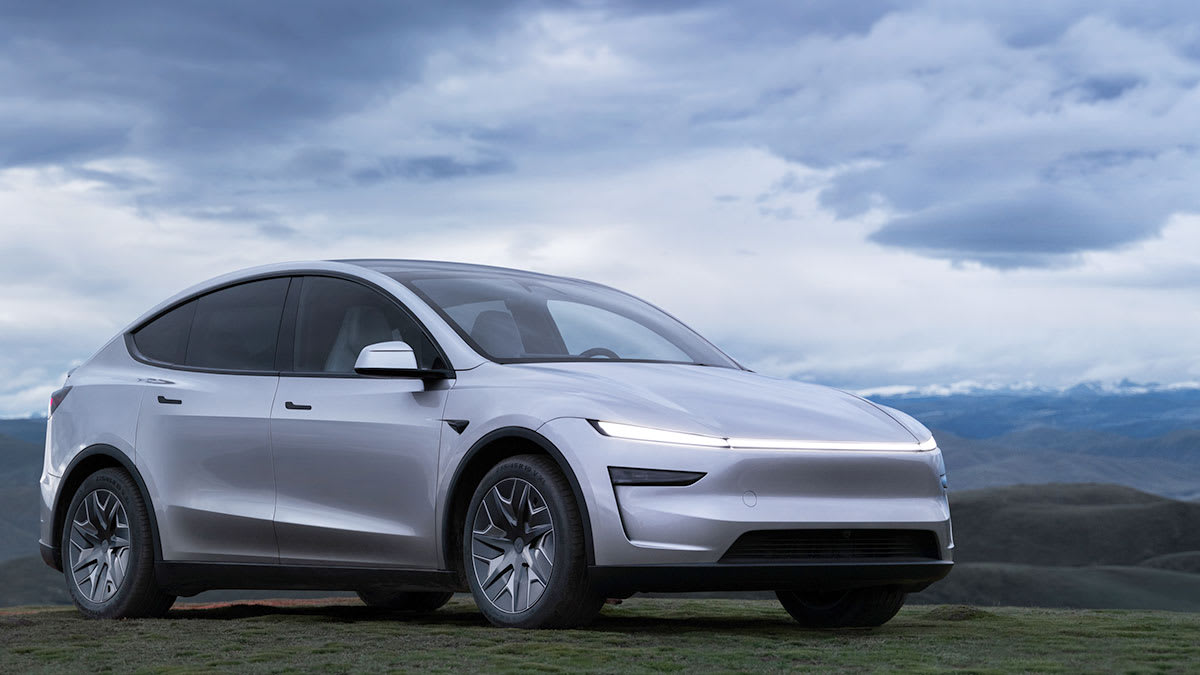
10 Best Electric Cars Coming in 2027: New EVs to Watch in the US and Europe
The electric vehicle (EV) market is rapidly evolving, with automakers around the globe racing to introduce innovative models that promise to redefine our driving experience. As we look towards 2027, several exciting electric cars are set to hit the roads, showcasing advancements in technology, performance, and sustainability. This article delves into the ten best electric cars anticipated for release in 2027, highlighting their features, expected performance, and what makes them stand out in the burgeoning EV landscape.
1. Overview of the Electric Vehicle Landscape in 2027
The electric vehicle market is poised for significant growth, with projections indicating that EVs could account for nearly a third of new car sales in the United States by 2027. This surge is driven by increasing consumer demand for sustainable transportation options, advancements in battery technology, and supportive government policies aimed at reducing carbon emissions. Major automakers are investing heavily in electric platforms, resulting in a diverse range of models catering to different segments of the market.
By 2027, we can expect a more robust charging infrastructure to support the growing number of EVs. Innovations such as ultra-fast charging stations capable of delivering 300 kW or more will make charging times comparable to refueling a gasoline vehicle. Furthermore, many cities are implementing incentives for EV ownership, such as tax rebates and access to carpool lanes, which will further encourage consumers to make the switch to electric.
The competition among automakers is also heating up, with traditional manufacturers like Ford, GM, and Volkswagen ramping up their EV offerings to compete with startups like Rivian and Lucid Motors. This competitive landscape is expected to lead to enhanced features, improved performance, and better pricing for consumers.
As the market matures, we anticipate that battery recycling initiatives will become more prevalent, addressing concerns regarding the environmental impact of battery production and disposal. Companies will invest in closed-loop systems, ensuring that valuable materials such as lithium, cobalt, and nickel are recovered and reused, thus minimizing waste and reducing the need for new raw materials.
2. Design and Aesthetics
2.1 BMW iX3
The BMW iX3 is set to be a game-changer in the compact SUV segment. With a sleek design that incorporates BMW's new electric aesthetic, the iX3 will feature a thinner interpretation of the iconic kidney grille, which pays homage to classic models. The vehicle's aerodynamic shape not only enhances its visual appeal but also contributes to its efficiency, reducing drag and improving range.
Inside, the iX3 is expected to include a full-width head-up display and a large touchscreen, enhancing the driving experience with intuitive controls. The cabin will likely utilize sustainable materials such as recycled plastics and natural fibers, aligning with BMW's commitment to sustainability. The spacious interior promises comfort for both front and rear passengers, making it an ideal choice for families and urban commuters alike.
In terms of customization, the iX3 will offer various trim levels and color options, allowing buyers to personalize their vehicle to their liking. Additionally, the iX3's cargo space is expected to be generous, making it practical for everyday use, whether for groceries, luggage, or sports equipment.
Moreover, the iX3 will integrate the latest in ambient lighting technology, allowing drivers to adjust the interior lighting based on mood or driving conditions. This feature not only enhances the aesthetic appeal but also contributes to a more pleasant driving experience during nighttime travel.
2.2 Audi TT EV
Audi's upcoming TT EV promises to blend performance with cutting-edge design. The vehicle, which will be based on the radical Concept C, will feature a sporty silhouette reminiscent of the Porsche 911. Its low stance and wide body will not only enhance its aesthetic appeal but also improve handling and stability at high speeds.
Inside, Audi is returning to physical controls, offering a user-friendly interface that prioritizes driver engagement. The dashboard is expected to feature high-quality materials, customizable ambient lighting, and an advanced infotainment system that integrates seamlessly with smartphones. Audi's commitment to luxury will be evident in the attention to detail, from the stitching on the seats to the high-end sound system.
The TT EV will also showcase Audi's signature LED lighting technology, enhancing its presence on the road while improving visibility. With a focus on driver-centric design, the cockpit will be ergonomically crafted to provide easy access to controls and information, ensuring that the driver can focus on the road ahead without distraction.
In terms of color options, the TT EV is expected to offer a palette that includes both classic and bold choices, catering to a wide range of consumer preferences. Additionally, Audi may introduce a limited-edition version with unique design elements to celebrate the launch of this iconic model in its electric form.
3. Performance and Specifications
3.1 Mercedes-Benz C400
The 2027 Mercedes-Benz C400 is an all-electric sedan that combines luxury with performance. It boasts a dual-motor setup, delivering impressive acceleration while maintaining a traditional sedan design. With a larger battery capacity than its EQE counterpart, the C400 promises a longer driving range, making it an attractive option for those seeking both style and substance.
Performance-wise, the C400 is expected to accelerate from 0 to 60 mph in under 4 seconds, placing it in direct competition with other luxury EVs such as the Tesla Model 3 Performance and the Audi e-tron GT. The vehicle will also feature adaptive air suspension for a smooth ride, along with regenerative braking technology that enhances efficiency and extends range.
In addition to its impressive acceleration, the C400 will likely include various driving modes that allow drivers to customize their experience, from eco-friendly settings to sport-oriented configurations that maximize performance. The integration of advanced aerodynamics and lightweight materials will further enhance the vehicle's handling and efficiency.
Moreover, the C400 is anticipated to come equipped with an advanced sound system that not only delivers high-quality audio but also features noise-cancellation technology, creating a serene environment inside the cabin. This attention to detail in performance and comfort will make the C400 a standout option in the luxury EV segment.
3.2 BMW M3 EV
The BMW M3 is going electric, and the upcoming M3 EV is expected to push the boundaries of performance. With a rumored four-motor powertrain generating over 1,000 horsepower, this vehicle will redefine what an electric sports car can achieve. Each motor will be paired with its own dedicated gearbox, allowing for unparalleled acceleration and handling.
In terms of performance metrics, the M3 EV is anticipated to achieve a 0-60 mph time of around 2.5 seconds, rivaling some of the fastest supercars on the market. The vehicle will also feature an advanced all-wheel-drive system that optimizes power distribution, ensuring maximum grip and stability during dynamic driving situations. The M3 EV is expected to come equipped with track-focused features such as adjustable suspension settings and performance tires, making it a favorite among driving enthusiasts.
Moreover, the M3 EV will likely include an advanced telemetry system that provides real-time data on performance metrics, allowing drivers to analyze their driving style and make adjustments for improved lap times. With its focus on performance, the M3 EV is set to become a benchmark in the electric sports car segment.
Additionally, BMW may introduce a special track edition of the M3 EV, featuring lightweight materials and enhanced aerodynamics for even better performance on racetracks. This model could attract serious driving enthusiasts looking for a competitive edge.
4. Battery Technology and Range
4.1 Chevrolet Bolt EV
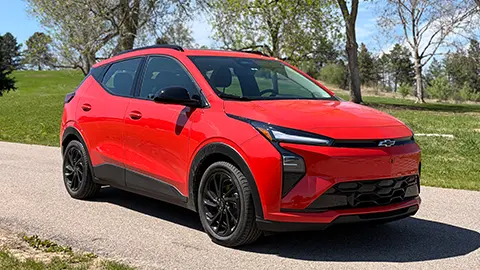
The 2027 Chevrolet Bolt is set to receive significant updates, including advancements in battery technology that will enhance its range and efficiency. With a redesigned interior featuring a modern infotainment system, the Bolt aims to offer a compelling mix of affordability and practicality for everyday drivers.
The new Bolt is expected to utilize a lithium-iron-phosphate (LFP) battery chemistry, which is known for its safety and longevity. This could allow the Bolt to achieve a range of approximately 300 miles on a single charge, making it a great option for both city driving and longer commutes. Additionally, with fast-charging capabilities, the Bolt can recharge to 80% in about 30 minutes, allowing for convenient road trips.
The Bolt's battery management system will likely include features that optimize charging cycles and enhance battery life, ensuring that drivers get the most out of their investment. Furthermore, Chevrolet is expected to offer a suite of connected services that provide real-time information on charging station availability and battery health.
In addition to these features, the Bolt may also come equipped with a vehicle-to-home (V2H) capability, allowing owners to use their vehicle's battery to power their home during outages or peak demand periods. This feature could add significant value for consumers looking to maximize their energy independence.
4.2 BMW iX5
The BMW iX5 will utilize an updated version of the existing CLAR platform, featuring an 800-volt architecture that allows for rapid charging and extended range. With an expected output of 570 horsepower and a range of approximately 435 miles, the iX5 is designed to meet the demands of modern drivers.
The iX5's battery pack will likely be around 100 kWh, allowing for impressive efficiency and performance. It is expected to support ultra-fast charging, enabling drivers to charge from 10% to 80% in just 20 minutes at compatible charging stations. This level of convenience will be crucial in making electric vehicles more appealing to a broader audience.
Additionally, the iX5 will likely include features such as battery preconditioning, which optimizes the battery temperature for charging, ensuring that drivers can take full advantage of fast-charging capabilities. The integration of advanced thermal management systems will also enhance the battery's longevity and efficiency, making it a top choice for long-distance travel.
Furthermore, BMW may offer a subscription service for iX5 owners that provides access to premium charging networks, ensuring that drivers have the best charging experience possible. This could include access to exclusive charging stations with amenities like lounges and refreshments, enhancing the overall ownership experience.
5. Safety Features and Technology
5.1 Audi TT EV
Safety is a paramount concern for Audi, and the TT EV will come equipped with a suite of advanced safety features, including adaptive cruise control, lane-keeping assist, and automated emergency braking. These technologies will enhance driver confidence and ensure a safer driving experience.
Additionally, the TT EV is expected to feature a 360-degree camera system, providing drivers with a comprehensive view of their surroundings. This will be particularly useful in urban environments where parking and maneuvering can be challenging. The vehicle will also integrate advanced driver monitoring systems that can detect signs of fatigue and alert the driver when necessary.
Moreover, the TT EV is anticipated to include a robust suite of passive safety features, such as reinforced passenger compartments and advanced airbag systems, ensuring that occupants are well protected in the event of a collision. The integration of AI-driven safety technologies will also allow the vehicle to learn from driving patterns and adapt its systems to enhance safety over time.
In addition to these features, Audi may incorporate a new predictive safety system that uses data from surrounding vehicles and infrastructure to anticipate potential hazards, allowing the TT EV to take proactive measures to avoid accidents.
5.2 Mercedes-Benz C400
The C400 will also feature state-of-the-art safety technologies, including a comprehensive suite of driver assistance systems designed to prevent accidents and protect occupants. The integration of these technologies reflects Mercedes-Benz's commitment to safety and innovation.
Notably, the C400 will likely include a next-generation collision avoidance system that uses artificial intelligence to predict potential hazards and take corrective action. Moreover, the vehicle's robust structure and multiple airbags will provide additional protection in the event of a collision, ensuring peace of mind for drivers and passengers alike.
The C400 is expected to feature advanced connectivity options that allow for over-the-air updates, ensuring that safety features and software remain current and effective throughout the vehicle's lifespan. This commitment to continuous improvement will further enhance the overall safety and reliability of the vehicle.
Additionally, Mercedes-Benz may introduce a feature that allows the C400 to communicate with other vehicles and infrastructure, enhancing situational awareness and improving overall safety on the road. This vehicle-to-everything (V2X) technology could significantly reduce the risk of accidents and improve traffic flow.
6. Charging Infrastructure
As the number of electric vehicles on the road increases, so too does the need for robust charging infrastructure. By 2027, we can expect significant advancements in charging technology, with faster charging stations becoming more widely available. Automakers are also working on solutions like vehicle-to-grid technology, which will allow EVs to feed energy back into the grid, enhancing sustainability.
Public charging networks are anticipated to expand significantly, with many cities implementing charging stations in convenient locations such as shopping centers, parking garages, and along highways. Furthermore, some companies are exploring wireless charging technology, which could allow EVs to charge while parked or even while driving over special charging pads embedded in the road.
Home charging solutions will also become more sophisticated, with smart chargers that can optimize charging times based on electricity rates and grid demand. This will not only save consumers money but also contribute to a more stable energy grid.
Moreover, automakers are likely to partner with charging network providers to offer subscription services that provide drivers with access to a wide range of charging stations across regions. This could include bundled services that cover home charging installations, public charging access, and even mobile charging solutions for emergencies.
In addition to partnerships, the development of ultra-fast charging stations capable of delivering over 350 kW will significantly reduce charging times, allowing drivers to recharge their vehicles in a matter of minutes rather than hours. This advancement will be crucial in alleviating range anxiety and making EVs more appealing to a broader audience.
7. Environmental Impact
The shift towards electric vehicles is primarily driven by the need to reduce carbon emissions and combat climate change. By 2027, the environmental benefits of EVs will be more pronounced, with many models utilizing sustainable materials in their construction and production processes. This commitment to sustainability will resonate with environmentally conscious consumers.
Many automakers are also investing in renewable energy sources for their manufacturing processes, aiming for carbon-neutral production. For instance, companies like Tesla and BMW are working towards using solar and wind energy to power their factories, further reducing their carbon footprint. Additionally, the recycling of EV batteries is becoming a focal point, with initiatives in place to reclaim valuable materials and minimize waste.
As consumers become more aware of the environmental impact of their choices, the demand for electric vehicles is expected to rise. This trend will encourage automakers to prioritize sustainability in their designs and production methods, leading to a more eco-friendly automotive industry.
Furthermore, the lifecycle assessment of electric vehicles is becoming a critical focus, with manufacturers striving to reduce the environmental impact from production to disposal. This includes exploring biodegradable materials for interior components and enhancing the recyclability of vehicle parts, ensuring a circular economy approach within the automotive sector.
In addition to these efforts, automakers may also implement take-back programs for old batteries, allowing consumers to return their used batteries for recycling and proper disposal. This initiative could further enhance the sustainability of electric vehicles and build consumer trust in the industry.
8. Price and Value
8.1 Chevrolet Bolt EV
The Chevrolet Bolt is expected to maintain its position as one of the most affordable electric vehicles on the market, making it accessible to a wider audience. With its combination of practicality, range, and price, the Bolt will continue to be a strong contender in the EV segment.
The anticipated starting price for the 2027 Bolt is around $30,000, making it an attractive option for budget-conscious consumers looking to transition to electric. Its affordability, combined with a solid range and modern features, positions the Bolt as an ideal choice for first-time EV buyers and those looking for a reliable daily driver.
In addition to its competitive pricing, Chevrolet is likely to offer various financing options and incentives to make the Bolt even more appealing. This could include leasing programs, trade-in bonuses, and partnerships with local governments to provide additional rebates for EV purchases.
Furthermore, Chevrolet may introduce a loyalty program that rewards Bolt owners with discounts on future vehicle purchases or maintenance services, enhancing the overall value proposition for consumers.
8.2 BMW iX3
While the iX3 will likely come with a higher price tag, its luxury features and advanced technology will justify the investment for many consumers. The vehicle's expected performance and range will also contribute to its overall value proposition.
With a projected starting price of around $60,000, the iX3 will cater to consumers seeking a premium electric SUV experience. Its blend of performance, luxury, and cutting-edge technology will appeal to those who prioritize quality and are willing to invest in a vehicle that reflects their lifestyle. Additionally, the resale value of luxury EVs tends to remain strong, making them a sound investment for buyers.
BMW is also expected to offer various packages and options that allow buyers to further customize their iX3, enhancing its value proposition. This could include performance upgrades, enhanced technology features, and exclusive color options that cater to individual tastes.
Moreover, BMW may provide a comprehensive warranty and maintenance package for the iX3, ensuring that buyers feel confident in their investment and reducing long-term ownership costs.
9. Market Competition
As the electric vehicle market expands, competition will intensify. Established automakers will face challenges from new entrants like Rivian and Lucid, which are gaining traction with innovative models. The competition will drive advancements in technology and pricing, ultimately benefiting consumers.
Rivian's R1T and R1S, for example, have garnered significant attention for their unique features and rugged capabilities, appealing to adventure-seekers. Meanwhile, Lucid Motors is positioning its Lucid Air as a luxury alternative to Tesla, boasting impressive range and performance metrics that challenge the status quo.
In response to this competition, traditional automakers are ramping up their EV strategies, with many committing to electrifying their entire lineups by the end of the decade. For instance, Ford's Mustang Mach-E and F-150 Lightning have already made waves in the market, showcasing the brand's commitment to innovation and sustainability. This competitive landscape is expected to lead to enhanced features, improved performance, and better pricing for consumers, making EVs more accessible than ever.
Additionally, partnerships between automakers and tech companies are likely to become more common, with collaborations aimed at enhancing vehicle connectivity and autonomous driving capabilities. These partnerships will not only accelerate the development of innovative features but also ensure that manufacturers can keep pace with rapidly evolving consumer expectations.
As competition heats up, we can also expect to see more collaborations between automakers and energy companies, focusing on the expansion of charging infrastructure and the development of renewable energy solutions for EVs. This synergy could lead to more comprehensive solutions that address both vehicle performance and environmental impact.
10. Conclusion
The electric vehicles set to debut in 2027 represent a significant step forward in automotive technology. With advancements in design, performance, and sustainability, these models will cater to a diverse range of consumers. As the market continues to evolve, the future of electric vehicles looks promising, making it an exciting time for both automakers and consumers alike.
As we move closer to 2027, the integration of advanced technologies, improved charging infrastructure, and a commitment to sustainability will redefine the automotive landscape. The anticipated electric vehicles not only promise to deliver exceptional performance and luxury but also contribute to a more sustainable future. Whether you're an eco-conscious driver or a performance enthusiast, the upcoming electric cars will offer something for everyone, paving the way for a new era of transportation.
The transition to electric mobility is not just about the vehicles themselves but also about creating a comprehensive ecosystem that supports sustainable practices. As we embrace this change, the collaborative efforts between manufacturers, governments, and consumers will be essential in shaping a cleaner, more efficient future for transportation.
The evolution of electric vehicles is not merely a trend; it is a pivotal moment in the automotive industry that reflects broader societal shifts towards sustainability and innovation. As we look ahead to 2027, it is clear that the electric vehicle revolution is just beginning, and the developments on the horizon promise to transform not only how we drive but also how we think about mobility and our impact on the planet.
Newsletter
Get the morning gadget briefing
A short recap of the stories that actually matter — phones, AI, EVs, and the rest — in your inbox.
No spam. We’ll only send the briefing.
Keep reading
Read next
More in EV News


Comments (0)
Keep it civil. Anyone can reply. Edit and delete stay on this browser after refresh.
No comments yet. Start the conversation.