
Nintendo Wipes Out 400+ Switch Emulator Repos in a Single Day — Here's What Happened
In a sweeping DMCA action, Nintendo has removed over 400 Switch emulator repositories from GitHub, marking a significant escalation in its ongoing battle against piracy and unauthorized access to its games.

Introduction: Nintendo's Ongoing Battle Against Emulators
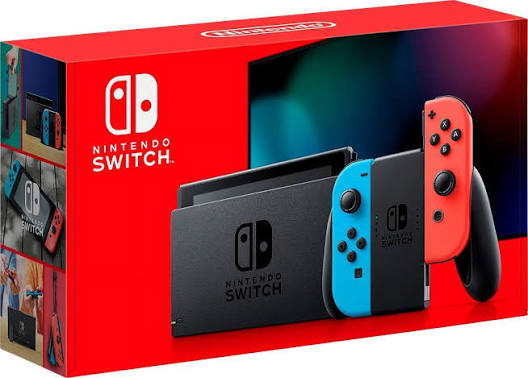
In a move that has sent shockwaves through the gaming community, Nintendo recently executed a sweeping takedown of over 400 Nintendo Switch emulator repositories on GitHub in a single day. This aggressive action was taken via seven DMCA anti-circumvention notices, marking a significant escalation in the company's long-standing campaign against piracy and unauthorized access to its games.
The targeted emulators included popular projects like Yuzu forks, the Suyu emulator, and the Android-focused Skyline. While some might argue that emulators can serve legitimate purposes, such as preservation and development, Nintendo remains steadfast in its belief that these tools primarily facilitate piracy. This latest DMCA sweep is just one chapter in a lengthy saga of legal battles and corporate strategy aimed at protecting its intellectual property.
As we dig deeper into what happened, we'll explore the specifics of this takedown, the emulators involved, the legal arguments at play, and what it means for the future of emulation and gaming.
What Happened?
On August 22, 2026, Nintendo filed seven DMCA notices targeting various Switch emulator repositories on GitHub, resulting in the removal of 401 projects. According to reports, the majority of these were linked to the Suyu emulator, which has gained notoriety as a prominent alternative following the decline of Yuzu—a once-leading emulator that was effectively shut down due to legal pressures. The significance of this coordinated attack cannot be overstated; it showcases Nintendo's commitment to policing its intellectual property aggressively.
The Numbers Behind the Takedown
Of the 401 repositories removed, a staggering 311 were associated with the Suyu emulator, revealing that Nintendo is focusing much of its firepower on this specific project. The remaining notices addressed smaller networks and individual repositories, including 29 dormant repositories belonging to Skyline, which has not seen active development since 2023. The sheer volume of removed repositories is a clear indication of Nintendo's strategy: to create a chilling effect on the development and distribution of emulators by making it clear that they will face severe repercussions for their actions.
Historical Context
This latest takedown is not an isolated incident. In fact, it follows a series of aggressive actions by Nintendo against emulator developers. Back in May 2024, a single DMCA notice led to the removal of over 8,500 repositories related to the Yuzu emulator. Nintendo has been consistently targeting emulators and their forks, resulting in a cumulative total of nearly 9,000 repositories taken down since the campaign began.
The Emulators Affected
Suyu: The Rising Star
Suyu has become one of the most prominent Nintendo Switch emulators following the decline of Yuzu. After Yuzu's developers faced legal troubles, Suyu emerged to fill the void, leading to a significant uptick in user interest and developer activity. However, this rise has not gone unnoticed by Nintendo, which has been particularly aggressive in targeting this emulator and its related forks.
Skyline: The Dormant Android Emulator
Skyline is another emulator that fell victim to this recent sweep. Designed for Android devices, Skyline has not been actively developed since 2023. The project was originally intended to bring Nintendo Switch games to mobile platforms, but its repositories remained on GitHub thanks to volunteer efforts to maintain the code. Nintendo's takedown of these repositories serves as a reminder that even dormant projects are not safe from scrutiny.
Yuzu Forks: The Scattered Remnants
The Yuzu emulator has been a significant player in the emulation scene for years. However, following a lawsuit that resulted in a $2.4 million settlement with Nintendo, many forks of Yuzu have been targeted in previous takedowns. The latest DMCA action included several of these forks, which had managed to survive earlier attempts to eliminate them.
Legal Justifications and Implications
Nintendo's legal arguments for these takedowns hinge on the claim that emulators like Suyu and Yuzu circumvent the company's technological protection measures (TPMs). According to Nintendo, these emulators utilize unauthorized copies of cryptographic keys to decrypt and run Nintendo Switch games, effectively allowing users to play pirated copies of these games.
The DMCA Framework
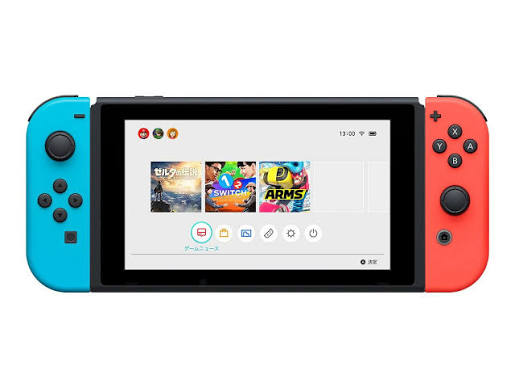
Under the Digital Millennium Copyright Act (DMCA), companies can file notices to have content removed if it infringes on their copyrights. Nintendo's notices specifically cite that the emulators are designed for the purpose of circumventing TPMs. This legal framework allows Nintendo to act quickly and decisively against perceived threats to its intellectual property, but it also raises questions about the implications for developers and users alike.
Legal Precedents and Challenges
Interestingly, the legal grounds for Nintendo's actions have never been tested in open court. The company has cited two court decisions as precedents for its DMCA filings. However, one was a settlement, and the other a default judgment due to the defendant's failure to respond. This lack of judicial scrutiny means that the legal landscape surrounding emulator development remains murky, leaving developers in a precarious position.
Impact on the Emulator Development Community
The takedown of 401 repositories has sent ripples of concern through the emulator development community. As developers face increasing pressure from corporate entities like Nintendo, the future of emulation projects hangs in the balance. The aggressive legal tactics employed by Nintendo not only threaten existing projects but also discourage new developers from entering the scene.
The Whack-a-Mole Problem
Every time Nintendo wipes out a repository, it seems to pop up again like a pesky game of whack-a-mole. Forks and mirrors of emulators often emerge almost immediately, as developers continue to push back against Nintendo's attempts to control the narrative. For instance, Skyline was removed voluntarily by its developer only to have others pick up the pieces and continue development through forks. This resilience demonstrates the community’s determination to keep emulation alive, but it also highlights a frustrating cycle that leaves developers feeling like they're constantly fighting an uphill battle.
Forks and Community Resilience
Despite the takedown, the emulator community often showcases remarkable resilience. When Yuzu was dismantled in 2024, it seemed like the end for many, but developers quickly created forks and alternatives, such as Suyu, to continue the work. This cycle of closure and rebirth can be seen as a testament to the dedication of developers who believe in the importance of emulation. However, it raises questions about the long-term viability of these projects. With each takedown, more developers may become disillusioned, fearing that their hard work will simply be erased.
The community's ability to adapt is remarkable. For example, after the Yuzu takedown, forks like Suyu emerged quickly, demonstrating that the spirit of emulation is hard to extinguish. But it’s a bit like trying to keep a balloon inflated in a room full of sharp objects—eventually, something’s going to pop!
The Future of Emulator Development
Looking forward, the emulator development community is at a crossroads. On one hand, the continued demand for emulation means that there will always be a market for these projects. On the other hand, the threat of legal action looms large. Developers may need to adopt new strategies, such as focusing on creating emulators that do not rely on unauthorized copies of cryptographic keys, to stay under the radar. Ultimately, the future of emulation will depend on how developers adapt to the challenges posed by corporate legal actions and how the community supports each other in this ongoing struggle.
Response from Legal Experts and Analysts
The recent takedown has ignited discussions among legal experts regarding the implications of Nintendo's actions. The DMCA process, coupled with the company's aggressive stance, raises important questions about copyright law and its application to emulator development.
Legal Foundations of Nintendo's Claims
Legal experts generally support Nintendo's interpretation of the DMCA, arguing that emulators do indeed circumvent technological protection measures. According to legal analysts, Nintendo has a strong case when it comes to protecting its intellectual property, as the company can demonstrate that emulators allow users to access unauthorized copies of games. This perspective echoes sentiments from previous cases where courts have sided with video game companies in similar situations.
Interestingly, the legal framework surrounding emulators has been compared to historical cases where companies took action against piracy. For example, during the early 2000s, Sony went after PlayStation emulators claiming they facilitated the use of pirated games. This legal precedent suggests that Nintendo's current strategy is not unprecedented; it’s just a continuation of a long-standing trend in the gaming industry.
The Role of the DMCA in Emulator Development
The DMCA has been a double-edged sword for the development community. While it provides a legal avenue for companies like Nintendo to protect their intellectual property, it also creates an environment of fear for developers. Legal experts emphasize that the DMCA's provisions can stifle innovation, as developers may hesitate to create emulators or tools that could potentially be interpreted as infringing on copyright. This chilling effect raises concerns about the future of not just emulation, but also game preservation and archiving.
Furthermore, the DMCA's broad scope means that it can be used to target even the most innocuous projects. Imagine a world where a simple fan project meant to preserve a beloved game gets taken down because it’s too similar to the original. It’s like getting a cease-and-desist letter for baking cookies that look too much like Oreos—overkill at its finest!
Potential Legal Challenges Ahead
As the battle between Nintendo and emulator developers continues, legal experts speculate on the possibility of future court cases that could redefine the legal boundaries of emulation. The lack of clear judicial precedents means that developers may eventually challenge Nintendo's interpretations in court. Such cases could explore whether emulators can be legally developed without infringing on copyright, especially if they do not rely on proprietary keys or circumvent TPMs. As the landscape evolves, the outcomes of these potential legal battles could have far-reaching implications for the entire gaming industry.
Community Reactions and Future Outlook
The gaming community's response to Nintendo's aggressive tactics has been mixed. While some applaud the company's efforts to protect its intellectual property, others argue that emulators can serve legitimate purposes, such as game preservation and allowing developers to test their software.
The Cycle of Takedowns and Resurrections
One of the most interesting aspects of this ongoing battle is the cycle of takedowns and resurrections that often follows Nintendo's actions. While repositories may be removed from GitHub, they frequently reappear on self-hosted sites or are mirrored through community efforts. This cat-and-mouse game suggests that while Nintendo can remove repositories, it cannot entirely eliminate the desire for emulation within the community.
This phenomenon can be likened to trying to catch a particularly slippery fish with your bare hands—no matter how many times you think you’ve got a good grip, it’s bound to slip away and swim off to freedom. The determination of the community to keep emulation alive shows that the spirit of creativity and preservation is not easily snuffed out.
What Lies Ahead
Looking ahead, it's clear that Nintendo's legal strategy will continue to evolve. With each takedown, the company sends a clear message: it will not tolerate any behavior it views as infringing on its copyrights. However, as long as there is demand for emulation, developers will likely continue to find ways to circumvent these obstacles.
Ultimately, the balance between protecting intellectual property and fostering innovative development remains a contentious issue, and this latest takedown is just another chapter in an ongoing saga.
Conclusion: A Continued Fight
Nintendo's recent takedown of over 400 Switch emulator repositories represents a significant moment in the ongoing battle between intellectual property rights and the emulation community. As Nintendo continues to assert its control over its gaming ecosystem, developers and users alike will need to navigate the complex legal landscape that surrounds emulation.
While the company's aggressive tactics may succeed in the short term, the enduring spirit of the gaming community suggests that this battle is far from over. With each takedown, new projects will likely emerge, keeping the conversation about emulation and copyright alive and well.
As we observe how this situation develops, one thing is certain: the fight for emulation rights and game preservation is a complex and evolving issue that will continue to shape the gaming landscape for years to come.
Newsletter
Get the morning gadget briefing
A short recap of the stories that actually matter — phones, AI, EVs, and the rest — in your inbox.
No spam. We’ll only send the briefing.
Keep reading
Read next
More in Nintendo
Continue
 Gaming
2XKO Active Development Will End in December 2026
Riot Games announces the end of active development for 2XKO, transitioning to maintenance mode with servers remaining online. Players will receive refunds for purchases and all gameplay content will be unlocked before the transition.
Aug 21, 2026
Call of Duty: NEXT and Modern Warfare 4 Early Access Beta: Weekend One Initial Intel
Aug 21, 2026

Comments (0)
Keep it civil. Anyone can reply. Edit and delete stay on this browser after refresh.
No comments yet. Start the conversation.