
Tesla Cybercab Robotaxi Launch: Release Date, Price, Features and What to Expect
Exploring the upcoming launch of Tesla's Cybercab robotaxi service in Austin, Texas, including key features, pricing, and future implications for autonomous transportation.

Tesla Cybercab Robotaxi Launch: Release Date, Price, Features and What to Expect
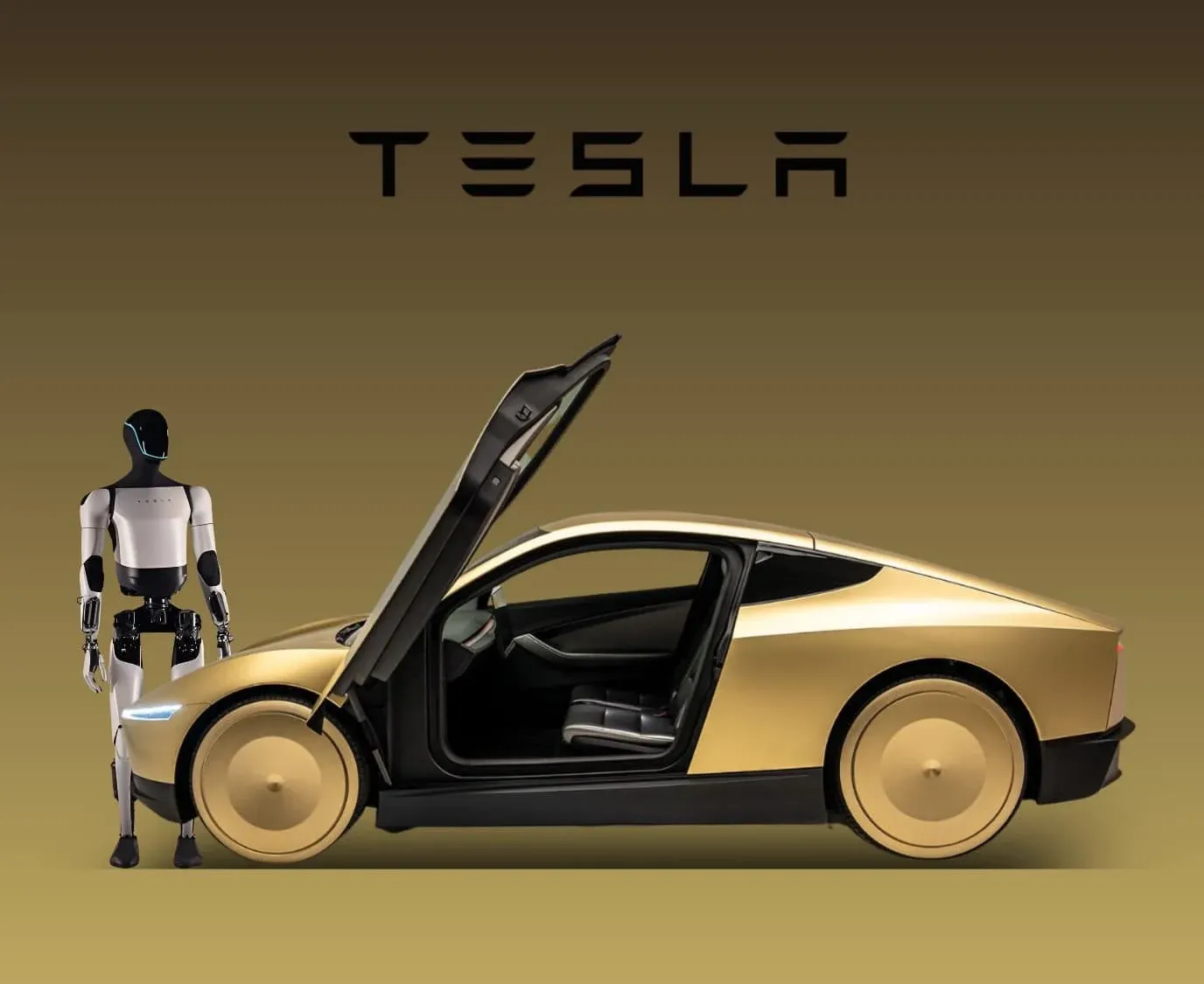
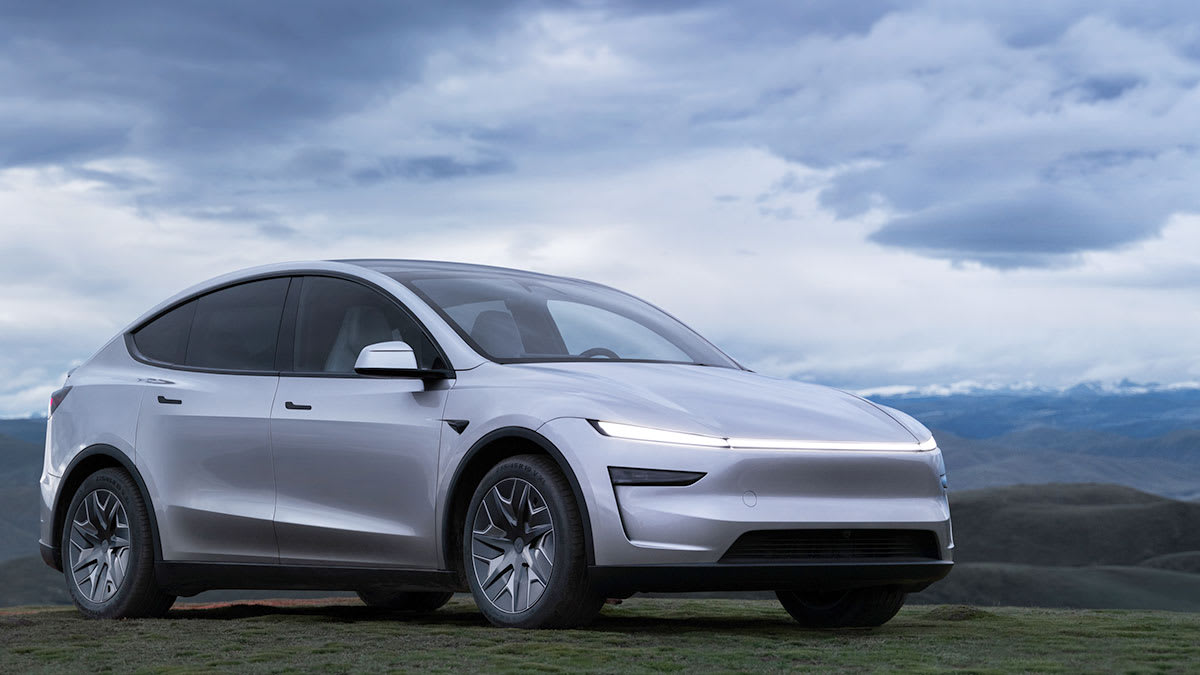
Tesla is on the cusp of a significant shift in the transportation landscape with the impending launch of its Cybercab robotaxi service. Set to debut in Austin, Texas, as early as August 2026, this innovative vehicle is designed to operate autonomously, completely devoid of traditional driving controls like pedals and a steering wheel. After years of anticipation and speculation, we’re finally getting a closer look at what the Cybercab entails, how it will function, and what it means for Tesla's future.
In this post, we’ll dive into the details surrounding the Cybercab's launch, its features, pricing expectations, and the broader implications for Tesla and the autonomous vehicle market. Whether you're a die-hard Tesla fan, an investor, or simply curious about the future of transportation, there's plenty to unpack here.
What Changed with the Cybercab?
Tesla has had ambitious plans for its robotaxi program for years, but the Cybercab represents a distinct pivot from the company's previous approach. Initially, Tesla's self-driving ambitions relied on retrofitting existing models, particularly the Model Y, with its Full Self-Driving (FSD) technology. However, the Cybercab is a purpose-built vehicle designed specifically for the robotaxi service. This means no steering wheel, no pedals, and a streamlined design optimized for passenger comfort and operational efficiency.
Production and Testing Updates
Production of the Cybercab commenced at Gigafactory Texas in February 2026, ahead of schedule, with reports indicating that over 245 units were ready for testing by mid-July. These vehicles have been subjected to rigorous testing in various environments across the U.S., from urban roads to highways. The initial rollout will see Tesla employees taking rides in these vehicles, allowing the company to gather critical data and feedback before opening the service to the public.
In a world where every test drive feels like a high-stakes reality show, Tesla is taking a page from the playbook of extreme sports. They’re testing these Cybercabs under conditions that would make even the most seasoned Uber driver shudder. From bustling city streets where cyclists appear out of nowhere to highways where trucks loom like giant metal behemoths, Tesla is ensuring that its robotaxi can handle it all.
Tesla is also integrating cutting-edge technology into the Cybercab, including Starlink V5 for connectivity, which will enhance navigation and fleet management capabilities, especially in areas with spotty cellular coverage. This integration marks a significant step forward in Tesla's efforts to ensure that its robotaxi fleet operates seamlessly in diverse environments. Just imagine your Cybercab zipping along while keeping you connected to the latest cat videos — what a time to be alive!
Safety and Regulatory Considerations
Safety has been a cornerstone of Tesla's strategy as it prepares to launch the Cybercab. The company has been conducting training exercises with first responders to ensure that emergency personnel are equipped to handle any incidents involving the robotaxi fleet. However, the launch is not without its challenges; Tesla must navigate complex regulatory landscapes and demonstrate to authorities that its vehicles can operate safely without traditional controls.
In fact, Tesla’s ongoing discussions with various state regulators and safety boards have been pivotal in shaping the operational parameters for the Cybercab. The National Highway Traffic Safety Administration (NHTSA) has been closely monitoring Tesla's developments, and the company will need to meet stringent safety standards before it can fully deploy its robotaxi fleet. This scrutiny reflects a broader concern about the safety of autonomous vehicles, which is a hot topic in both tech circles and on social media—where memes about car crashes featuring AI often run rampant.
Interestingly, Tesla is working on a “safety score” system that will allow users to track the performance of the Cybercab in real-time. This means that passengers can see how well their robotaxi is navigating the streets, which may lead to some competitive spirit among riders. Who knew that the future of transportation would involve a leaderboard for robotaxi safety?
Pricing in the U.S.
While Tesla has not officially announced pricing for rides in the Cybercab, speculation suggests that it will be competitive with existing ride-hailing services. Given the company's history of aggressive pricing strategies, particularly in the electric vehicle market, we might expect rates that could undercut traditional services like Uber and Lyft.
Business Model Shifts
The introduction of the Cybercab aligns with Tesla's broader strategy to transition from a purely automotive manufacturer to a mobility-as-a-service (MaaS) provider. This pivot could potentially open new revenue streams for Tesla, allowing it to capitalize on the growing demand for autonomous transportation solutions. By leveraging its advanced FSD technology, Tesla aims to create a robust network of robotaxis that not only generate ride fare income but also service fees from software and infrastructure.
According to industry analysts, the MaaS market is projected to grow significantly over the next decade, potentially reaching a value of over $200 billion by 2030. This could mean that Tesla isn’t just betting on the Cybercab; it’s banking on a future where robotaxis become as commonplace as the yellow cabs of New York City—only without the questionable hygiene!
Comparing Ride-Hailing Services
To understand the potential pricing for Cybercab rides, let’s take a quick look at how they stack up against traditional ride-hailing services. As of 2023, the average cost for an Uber or Lyft ride in major U.S. cities hovers around $1.50 to $3.00 per mile, depending on the time of day and demand. If Tesla manages to offer rides at a more competitive rate, we could see fares dipping below that threshold, especially during off-peak hours.
For those who are financially savvy (or just love a good deal), consider the potential for bundled services. Tesla may offer subscription models for frequent users, allowing passengers to pay a flat fee for unlimited rides or a set number of rides per month. This could turn commuting into a budget-friendly affair, freeing up funds for more important things—like that extra guacamole at Chipotle.
Should You Wait for the Cybercab?
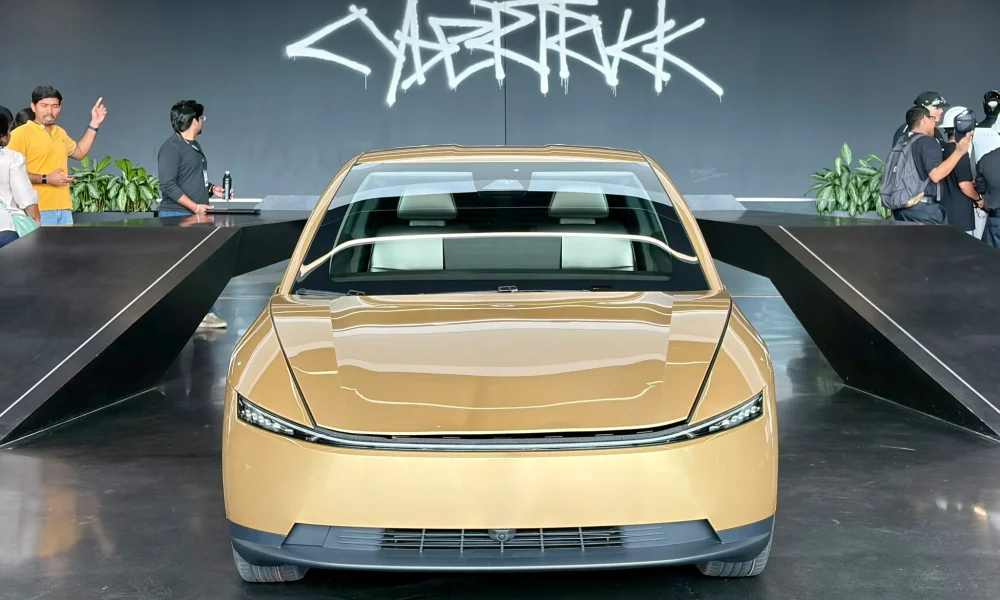
If you're considering whether or not to invest in Tesla or use its services, waiting for the Cybercab launch could be a prudent choice. Early reports indicate that the initial rollout will be limited to Tesla employees, which may provide insights into the vehicle's performance and safety before the general public gets involved.
Potential Risks and Rewards
Investing in Tesla at this juncture comes with its risks. Analysts have expressed skepticism regarding the company’s ability to deliver on its promises surrounding the Cybercab and its FSD technology. For instance, GLJ Research recently downgraded its outlook for Tesla's stock, citing concerns about the viability of the robotaxi rollout and the potential for further declines in share value.
However, if the Cybercab proves successful, it could significantly enhance Tesla's market position and lead to a surge in stock value. The company's ability to execute a smooth launch and navigate regulatory hurdles will be critical in determining its success.
Investors are also keeping a close eye on Tesla’s competition. Companies like Waymo and Cruise are also developing their own robotaxi services, and if they beat Tesla to the punch, it could complicate matters for the Cybercab’s market entry. In the world of autonomous vehicles, it’s not just about who has the best technology; sometimes, it’s about who can get to the finish line first—kind of like a high-stakes race where the prize is a gold medal and a lifetime supply of charging cables.
The Investor Perspective
For those considering investing in Tesla, it’s essential to weigh the potential for high returns against the risks involved. The company has consistently pushed the envelope in technology and innovation, but with great power comes great responsibility—or, in this case, volatility. As the Cybercab approaches its launch date, investors should keep an eye on key performance indicators such as safety ratings, user feedback, and regulatory approvals.
Consumer Adoption Challenges
Furthermore, consumer adoption will play a pivotal role in the success of the Cybercab. While many people are excited about the prospect of autonomous vehicles, there’s still a healthy dose of skepticism out there. Public perception of safety, reliability, and overall trust in AI-driven technology will determine how quickly the general population embraces the Cybercab.
The Road Ahead: Future Implications
The Cybercab is not just a new vehicle; it symbolizes a fundamental shift in how we think about transportation. If Tesla can successfully launch its robotaxi service, it may set a precedent for other automakers and technology companies to follow suit. The implications are vast: reduced congestion, lower transportation costs, and a significant decrease in carbon emissions.
A New Era of Mobility
As we stand on the brink of this new era, the potential for robotaxis to reshape urban mobility is enormous. With cities facing increasing traffic congestion and pollution concerns, autonomous vehicles like the Cybercab could provide much-needed solutions. If Tesla's launch is successful, it could catalyze a broader acceptance of autonomous technologies among consumers and regulators alike.
Moreover, the Cybercab could change the way we think about car ownership. Instead of shelling out cash for a vehicle that sits idle for most of the day, people may opt for a subscription model where they simply summon a Cybercab whenever they need a ride. It’s like having a personal chauffeur without the awkward small talk—unless, of course, the AI starts developing a personality!
Urban Planning and Infrastructure Changes
The widespread adoption of autonomous robotaxis could also have ripple effects on urban planning. Cities may need to rethink parking structures, road designs, and public transit systems to accommodate a future filled with autonomous vehicles. Imagine a world where parking lots are transformed into parks or multi-use spaces, all because we no longer need to accommodate millions of parked cars. This could be a win-win situation for urban dwellers and city planners alike, and it might even reduce the amount of time we spend circling the block looking for a parking spot—a true miracle!
Environmental Impact
From an environmental perspective, the Cybercab could contribute significantly to reducing carbon emissions. With electric vehicles at its core, Tesla's robotaxi fleet may offer a cleaner alternative to traditional gasoline-powered taxis. As cities strive to become greener, the Cybercab could be a critical part of the solution, potentially leading to cleaner air and improved public health.
Additionally, the shift away from car ownership could result in fewer vehicles on the road overall, which means less wear and tear on our highways and fewer pollutants in our atmosphere. The dream of a cleaner planet could be just a Cybercab ride away!
What Features Will the Cybercab Offer?
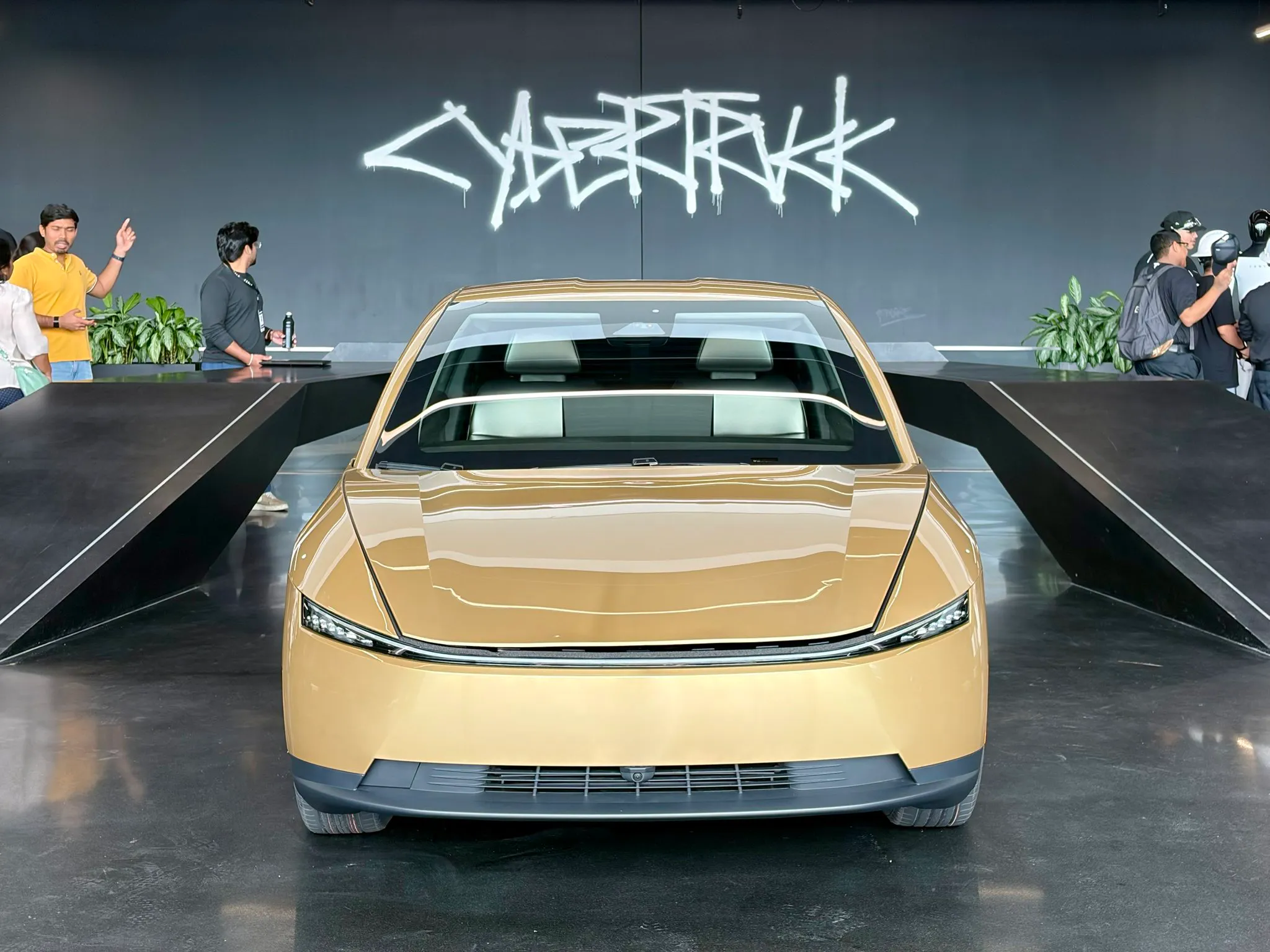
As Tesla gears up for the Cybercab's launch, we can expect features that not only make the ride comfortable but also enhance the overall user experience. Tesla has always prided itself on integrating cutting-edge technology into its vehicles, and the Cybercab is no exception.
Interior Design and Comfort
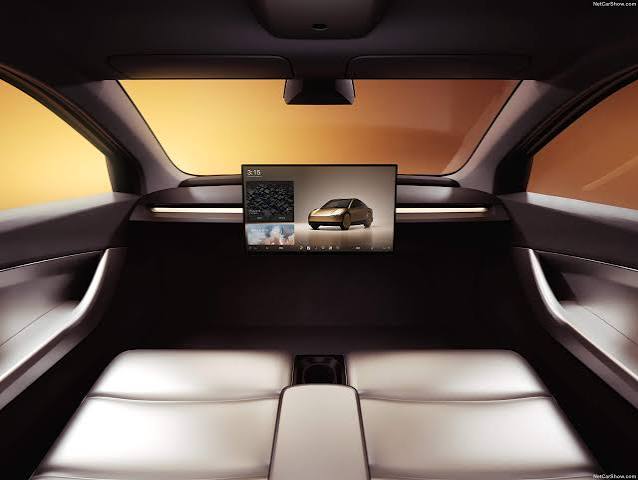
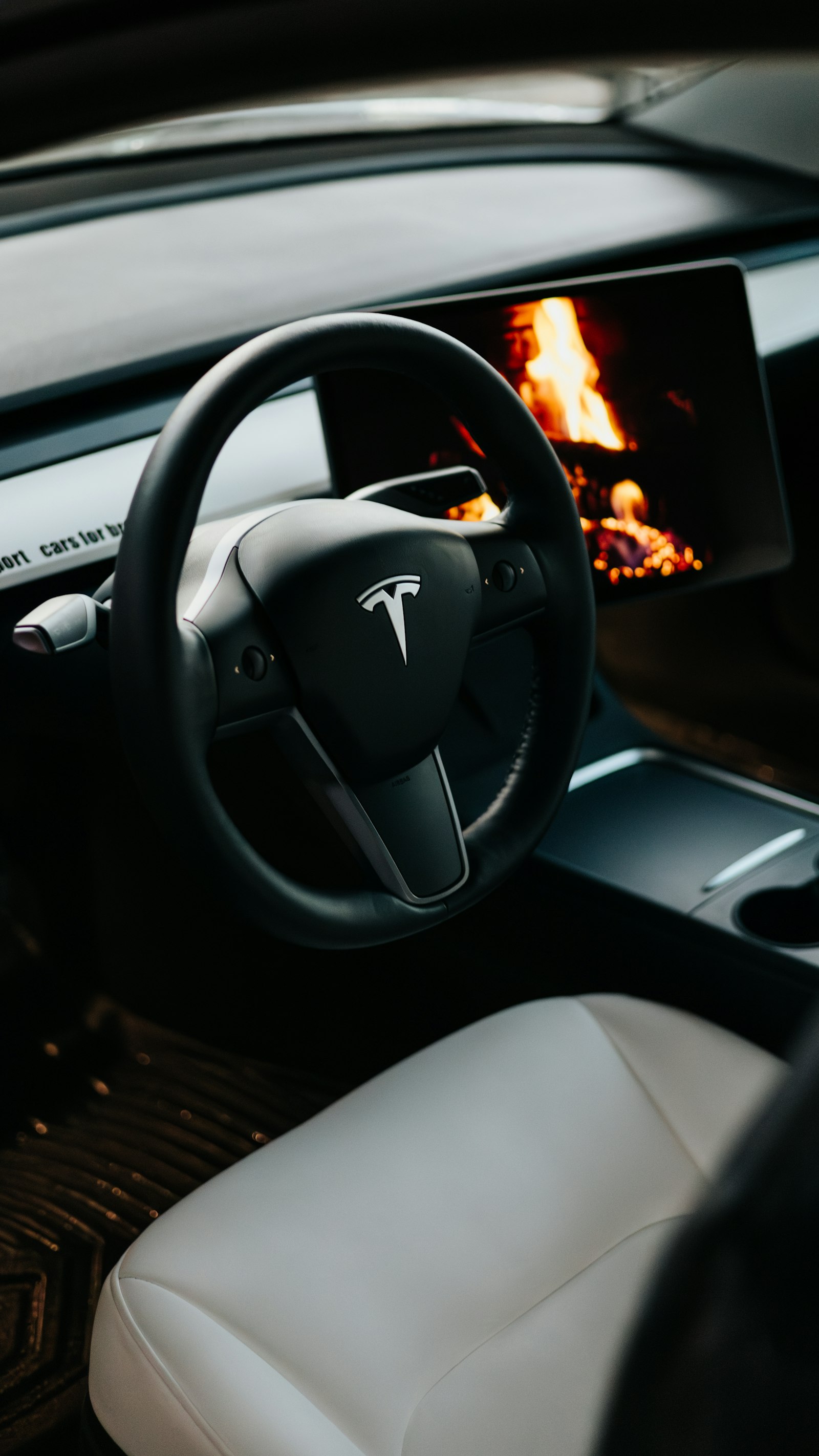
The Cybercab will boast a minimalist interior design that prioritizes passenger comfort. Expect spacious seating, ample legroom, and a lack of distractions that would normally come from traditional driving controls. Instead, the focus will be on creating a relaxing environment where passengers can unwind, work, or even catch up on their favorite shows during their ride. With no need for a driver, the interior may even feature options for customizable ambient lighting to match your mood—because who doesn’t want to ride in style?
Advanced Entertainment Options
One of the exciting features of the Cybercab will be its entertainment system. With Tesla's commitment to technology, passengers can expect access to streaming services, games, and possibly even virtual reality experiences. Imagine a world where you can binge-watch your favorite series while being whisked away to your destination. Who needs a personal driver when you have a personal cinema on wheels?
Enhanced Connectivity
In addition to Starlink V5 for connectivity, the Cybercab will likely integrate other forms of technology to ensure passengers are always connected. Think smart charging ports, Wi-Fi access, and even voice-activated controls for those who want to feel like they're in a sci-fi movie. Whether you're checking emails, making video calls, or just scrolling through social media, the Cybercab aims to keep you connected to the world outside and the digital realm within.
The Competition Landscape
As Tesla prepares for the Cybercab's launch, it’s essential to consider the competitive landscape. Several companies are racing toward their own versions of autonomous ride-hailing services, and they all want a piece of the robotaxi pie.
Waymo's Progress
Waymo, a subsidiary of Alphabet Inc., has been one of the frontrunners in the autonomous vehicle space. With its extensive testing and operational experience in Phoenix, Arizona, Waymo is already deploying a limited robotaxi service. The company has focused heavily on safety and reliability, which could pose a significant challenge for Tesla as it enters the market. If Waymo continues to refine its technology and expand its service areas, it could establish a strong foothold before the Cybercab even hits the streets.
Cruise and Other Contenders
Cruise, owned by General Motors, is another strong competitor in the autonomous ride-hailing arena. With a fleet of self-driving electric vehicles currently operating in San Francisco, Cruise is rapidly advancing its technology and expanding its service areas. It’s not just these two companies, either. Other players like Zoox (owned by Amazon) and traditional automakers are also investing heavily in autonomous technologies. The race is heating up, and Tesla will need to stay ahead of the curve to maintain its competitive edge.
Key Differentiators for Tesla
Despite the competition, Tesla has some unique advantages that could set the Cybercab apart. The company’s existing infrastructure, brand loyalty, and commitment to innovation position it well for success. Additionally, Tesla's robust Supercharger network could provide an advantage in terms of operational efficiency, allowing for seamless charging solutions that may not be as readily available for its competitors.
Conclusion
The Tesla Cybercab robotaxi launch is poised to be a landmark moment in the evolution of transportation. With its unique design, advanced technology, and strategic business model, it has the potential to redefine how we think about mobility. As the launch date approaches, all eyes will be on Tesla to see if it can deliver on its promises and usher in a new era of autonomous transport.
In summary, whether you’re eager to experience the Cybercab firsthand, a Tesla enthusiast, or simply interested in the future of transportation, this launch is certainly one to watch. The road to autonomy is long, but with the Cybercab, Tesla is taking significant strides toward making that vision a reality. So buckle up, it’s going to be an interesting ride!
Newsletter
Get the morning gadget briefing
A short recap of the stories that actually matter — phones, AI, EVs, and the rest — in your inbox.
No spam. We’ll only send the briefing.
Keep reading
Read next
More in Tesla
Continue
 EV
EVTesla's Autopilot Under Fire: Inside the NHTSA Investigations Elon Musk Can't Ignore
As investigations into Tesla's Autopilot unfold, the implications for driver safety and regulatory practices are profound. We delve into the ongoing scrutiny and its potential impact on the future of self-driving technology.
Aug 29, 2026
Comments (0)
Keep it civil. Anyone can reply. Edit and delete stay on this browser after refresh.
No comments yet. Start the conversation.