
Tesla Autopilot: Is Tesla Autopilot Safe? What the Latest Data Shows
Exploring the safety of Tesla's Autopilot and Full Self-Driving systems amidst rising crash statistics and regulatory scrutiny.

Tesla Autopilot: Is Tesla Autopilot Safe? What the Latest Data Shows
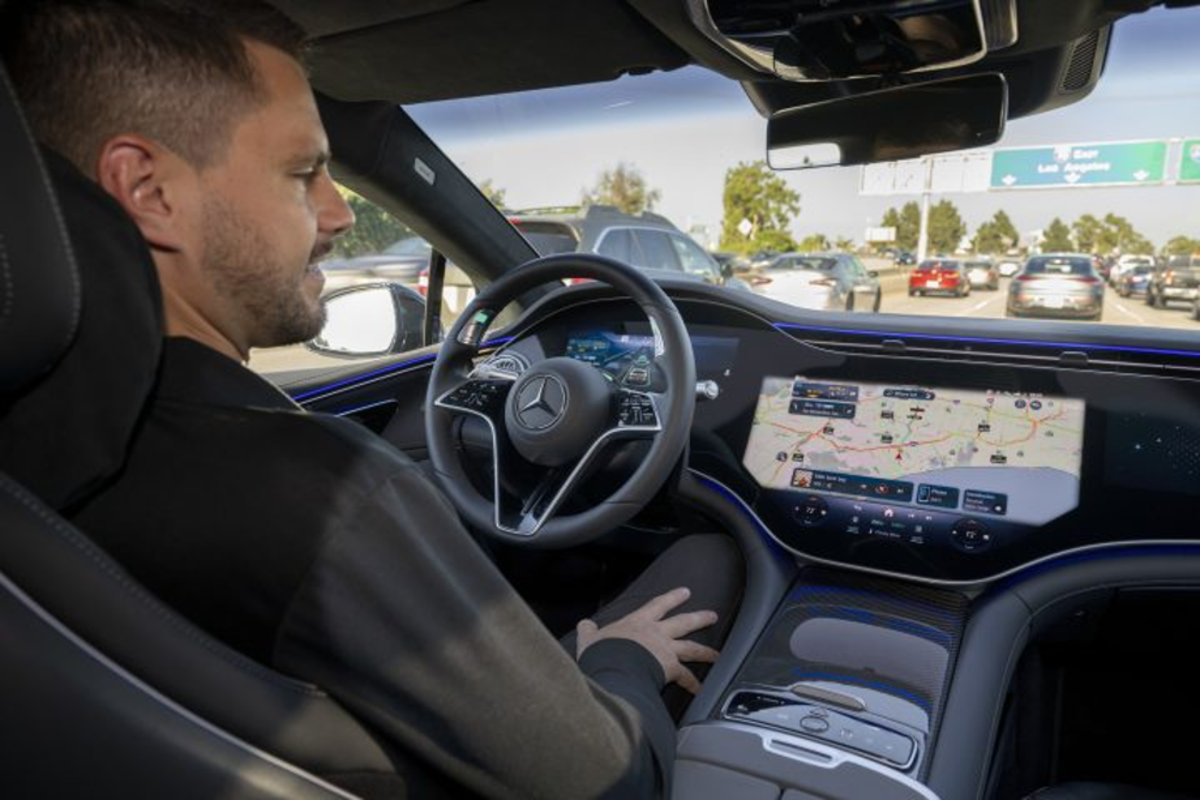
Tesla's Autopilot and Full Self-Driving (FSD) systems have been at the forefront of automotive innovation, promising a future where cars can navigate roads with minimal human intervention. However, this promise has not come without controversy. Recent data reveals a staggering rise in crashes involving these systems, raising serious questions about their safety. In May 2026 alone, Tesla reported 207 accidents tied to its driver-assistance technologies, leading to scrutiny from regulators and the public alike.
As Tesla pushes for broader adoption of its FSD system in Europe and elsewhere, the opacity surrounding its safety data has raised eyebrows. While the company claims that its technology is significantly safer than traditional driving, independent analyses suggest otherwise. In this article, we'll delve into the latest data surrounding Tesla's Autopilot and FSD systems, examining the implications for safety, regulatory scrutiny, and what consumers should know before getting behind the wheel.
A Record Month for Crashes
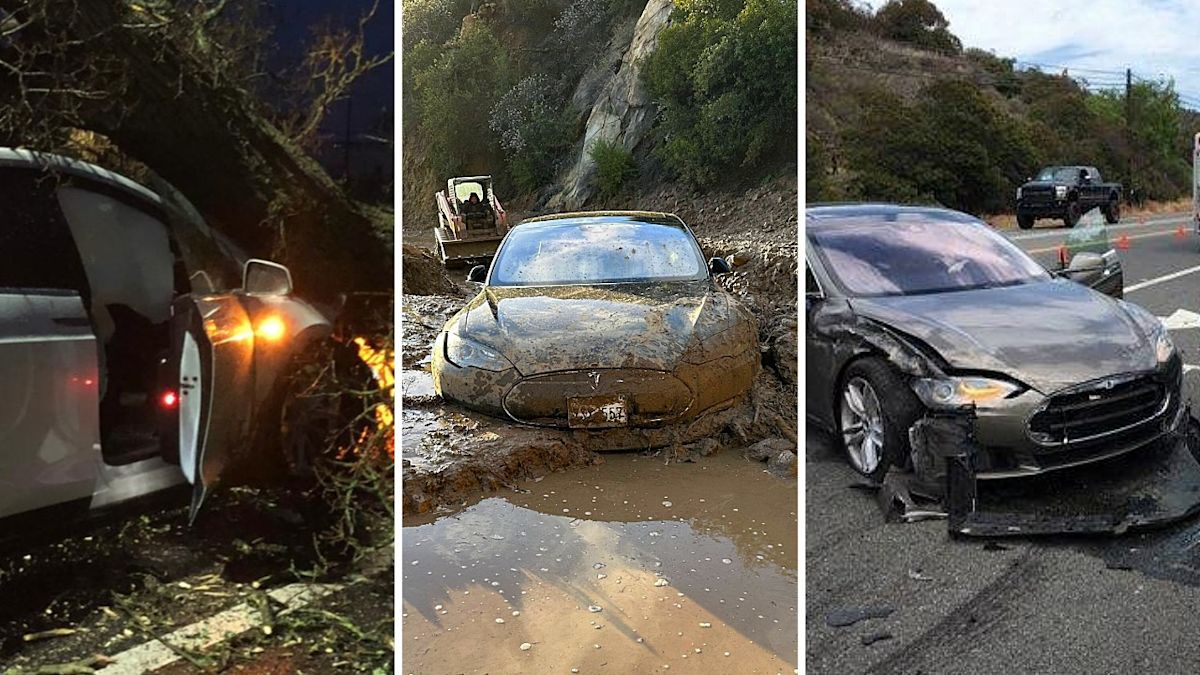
The National Highway Traffic Safety Administration (NHTSA) recorded that in May 2026, Tesla's vehicles operating under Autopilot and FSD modes were involved in 207 crashes. This figure is particularly alarming, as it surpasses the total number of crashes reported for the entire year of 2021. Given that the NHTSA has been actively monitoring Tesla's driver-assistance systems, this spike has prompted multiple investigations into the safety of these technologies.
In a world where self-driving cars are marketed as the future of road safety, these numbers are disheartening. While Tesla maintains that its FSD-equipped vehicles travel significantly more miles without major incidents compared to the average American driver, the sheer volume of crashes raises valid concerns about the real-world safety of these systems.
The Data Dilemma
To understand the implications of these numbers, we need to explore how Tesla calculates its safety claims. According to the company, cars equipped with FSD (Supervised) have recorded one major collision every 5,300,676 miles, compared to the U.S. average of one collision every 660,164 miles. While this statistic sounds impressive, it relies on a methodology that has been criticized by independent researchers.
For instance, Tesla's safety statistics only count crashes where airbags were deployed, creating a skewed comparison with the broader crash database that includes all incidents serious enough to require a tow. A study conducted by researchers at the University of Michigan Transportation Research Institute found that when applying a consistent severity threshold to both groups, Tesla's claimed safety advantage shrank to a mere 1.1 times safer than the average driver—essentially statistically indistinguishable.
Regulatory Scrutiny and Data Secrecy
In Europe, the situation is further complicated by Tesla's efforts to keep its safety data under wraps. The Dutch road authority (RDW), which became the first European regulator to approve Tesla's FSD system, has refused to disclose the specific safety data that informed its decision. Emails obtained through public records requests revealed that Tesla pressured RDW to keep certain safety review documents confidential, citing trade secrets. This level of secrecy has sparked outrage among safety advocates and regulators alike.
Oliver Carsten, a transportation safety professor at the University of Leeds, expressed skepticism regarding the justification for such confidentiality. He stated, "I don't see any reason why that couldn't be public." The European Transport Safety Council has similarly urged a pause on the approval process, emphasizing the need for transparency before extending FSD usage across the continent.
A Pattern of Secrecy
Tesla's approach to managing its safety data has drawn comparisons to the infamous Boeing 737 MAX scandal, where the FAA allowed Boeing to conduct its own safety reviews without independent oversight. Just as with the MAX, the lack of transparency surrounding Tesla's FSD approval process raises the possibility of unchecked risks being accepted as safe.
The RDW's confidence in the system has also softened over time. Initially, it claimed that FSD was "safer than other driver assistance systems," but this assertion later shifted to "at least as safe as other driver assistance systems," without any supporting data. This evolution in language suggests a growing awareness of the potential shortcomings in the system that may not have been fully addressed.
The Human Element: Responsibility and Accountability
While Tesla's FSD system is designed to assist drivers, the ultimate responsibility still lies with the human behind the wheel. This point was underscored by NFL head coach Kyle Shanahan, who was involved in an accident while using Tesla's Autopilot. Shanahan admitted to being distracted at the time of the crash, indicating that, despite the technology's capabilities, driver attentiveness remains crucial.
Moreover, a whistleblower lawsuit filed by Javier Medrano, a former Tesla manager overseeing FSD testing, claims that extreme understaffing and overwork led to "rolling hazards" on public streets. Medrano's allegations highlight the significant human factors at play in the deployment of self-driving technology and raise questions about the adequacy of safety protocols.
The Balancing Act of Innovation and Safety
As Tesla continues to push the boundaries of autonomous driving technology, it faces the dual challenge of innovating while ensuring public safety. The company's ambitious goals are admirable, but the increasing number of incidents involving its Autopilot and FSD systems cannot be ignored. With regulatory bodies scrutinizing these technologies more closely than ever, the path forward may require a reassessment of how Tesla manages safety data and communicates its findings to the public.
Should You Trust Tesla's Autopilot?
Given the current landscape, many potential Tesla buyers and FSD users might be wondering: is it safe to trust Tesla's Autopilot? While the technology has certainly shown promise in certain scenarios, the rising number of crashes and the opacity surrounding safety data should give consumers pause.
It's essential to approach these systems with a healthy dose of skepticism and a clear understanding of their limitations. Tesla's insistence that drivers remain attentive while using Autopilot is a vital reminder that the technology is not infallible.
The Future of Autonomous Driving
As we look ahead, the future of autonomous driving hinges on transparency, accountability, and rigorous testing. Tesla's approach to FSD approval in Europe and its handling of safety data will likely set precedents for how other companies navigate the regulatory landscape. Moreover, ongoing investigations by the NHTSA and other regulatory bodies will undoubtedly shape the course of Tesla's self-driving ambitions.
While Tesla has positioned itself as a leader in autonomous driving, the questions surrounding safety and transparency must be addressed if the company hopes to build and maintain public trust. As consumers, we must remain vigilant and informed, ensuring that our expectations align with the realities of this rapidly evolving technology.
User Experiences and Testimonials
Real-world experiences can provide insights into the safety and reliability of Tesla Autopilot. Many Tesla owners have taken to social media platforms to share their experiences, creating a mixed bag of testimonials that illustrate both the capabilities and limitations of the system.
One user, who tested Tesla Autopilot for 24 hours, reported that the system performed remarkably well, navigating complex traffic situations and making smooth lane changes. According to their account, the car exhibited a crash rate of once every 6.69 million miles—an impressive statistic that many owners proudly cite. They noted, “It’s like having a co-pilot who never gets tired, but don’t forget to keep your hands on the wheel!” This sentiment echoes through various reviews, where users appreciate the technology's ability to reduce fatigue during long drives.
However, not all experiences have been so rosy. There are stories of drivers who became overly reliant on Autopilot, leading to distractions and near-misses. One NFL coach, Kyle Shanahan, admitted to being distracted while his Tesla was on Autopilot, dropping his phone and fumbling around under the seat. While the car was designed to assist, he reminded everyone that “you can’t let the car do all the work!” This highlights the importance of driver engagement and the need for users to remain vigilant, even when the car is doing the heavy lifting.
Moreover, a review on TikTok detailed an incident where the Full Self-Driving system saved a driver from a potentially dangerous situation. The owner praised the FSD for its intuitive response to an unexpected obstacle, showcasing its ability to handle complex scenarios. Yet, the driver cautioned viewers about the system’s limitations, emphasizing that it should not be relied upon entirely.
In summary, user testimonials reveal a broad spectrum of experiences with Tesla Autopilot. While many praise its safety and convenience, some caution against over-reliance on the technology. The consensus appears to be that Autopilot can significantly enhance the driving experience but should be used as a tool rather than a crutch.
Comparative Analysis with Other Autonomous Systems
Examining how Tesla's Autopilot stacks up against competitors can highlight its strengths and weaknesses. Tesla's Autopilot is often praised for its user interface and versatility, yet it faces stiff competition from other semi-autonomous systems like GM's SuperCruise.
In a head-to-head comparison, GM's SuperCruise has gained a reputation for its hands-free capability, allowing drivers to take their hands off the wheel for extended periods on certain highways. This feature makes SuperCruise a compelling option for long-distance travel, as it allows for a more relaxing driving experience. However, it comes with limitations, as it only operates on pre-mapped highways, while Tesla's Autopilot can navigate a wider range of environments.
While Tesla's Autopilot is lauded for its sophisticated user interface—showing real-time lane lines and nearby vehicles—it has faced criticism for its abrupt steering inputs. Some drivers report that the system can make sudden corrections, which can be jarring. This has led some to feel less confident in the system's reliability, especially when compared to the smoother operation of SuperCruise.
Consumer Reports rated Tesla Autopilot as the second-best partially automated driving system in 2018, just behind GM's offering. While Autopilot excelled in capabilities and ease of use, it fell short in keeping the driver engaged—a critical aspect of any semi-autonomous system. The findings indicated that Tesla drivers must remain more vigilant, as the system often requires manual intervention.
In contrast, SuperCruise is designed to provide a more hands-off driving experience, which may contribute to a perception of increased safety. However, this hands-free approach can lead to complacency, potentially reducing driver awareness—a concern shared across all semi-autonomous systems.
The Need for Driver Engagement
A key takeaway from this comparative analysis is the emphasis on driver engagement. While Tesla's Autopilot offers advanced features and impressive statistics, it is essential for drivers to remain alert and ready to take control when necessary. The abrupt steering inputs noted by users may create a false sense of security, leading to situations where a driver might not react quickly enough in an emergency.
Conversely, GM's SuperCruise, while allowing for hands-free driving, requires drivers to stay attentive to the road. This balance of autonomy and engagement is crucial in maintaining safety on the roads. As both companies continue to innovate, the challenge remains: how to make these systems safer while ensuring that drivers remain engaged and aware.
In conclusion, while Tesla's Autopilot offers advanced features and impressive statistics, it is essential to recognize the strengths and weaknesses relative to other autonomous systems. Both Tesla and GM are pushing the boundaries of what is possible in semi-autonomous driving, but as with any technology, the responsibility ultimately lies with the driver to remain alert and engaged.
Conclusion
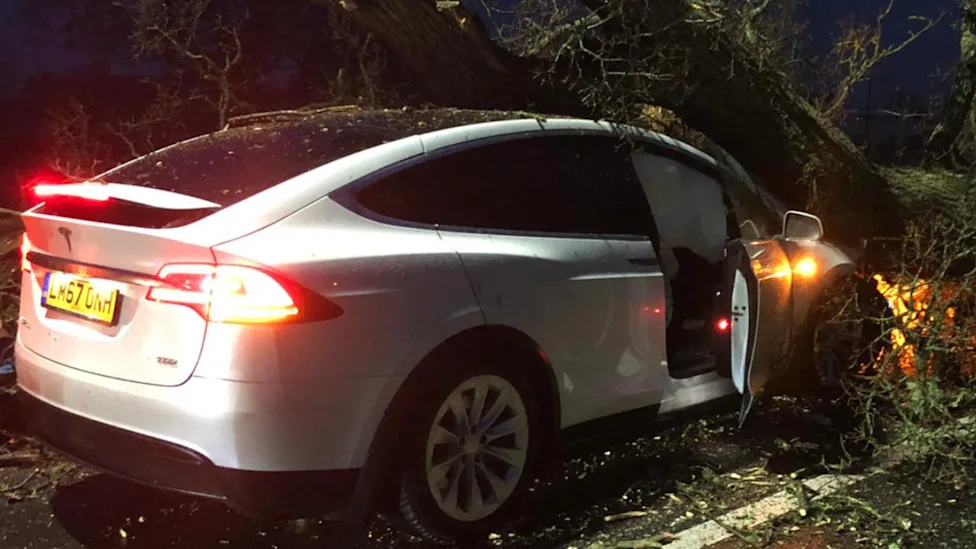
In conclusion, while Tesla's Autopilot and FSD systems offer exciting glimpses into the future of transportation, the current data suggests a need for caution. The alarming rise in crashes, coupled with concerns about regulatory secrecy, underscores the importance of transparency in the development and deployment of autonomous technologies.
As Tesla navigates these challenges, it must prioritize safety and accountability to build a future where self-driving cars live up to their promise of safer roads. Until then, consumers should tread carefully, understanding the limitations of the technology and the significant responsibility that comes with using it.
Newsletter
Get the morning gadget briefing
A short recap of the stories that actually matter — phones, AI, EVs, and the rest — in your inbox.
No spam. We’ll only send the briefing.
Keep reading
Read next
More in Tesla
Comments (0)
Keep it civil. Anyone can reply. Edit and delete stay on this browser after refresh.
No comments yet. Start the conversation.