
Gaming/Events & Esports/Tokyo Game Show
ATSC to Showcase Next-Generation Broadcast Innovation at SET Expo 2026
ATSC will unveil groundbreaking advancements in broadcast technology at SET Expo 2026, highlighting ATSC 3.0 and its impact on the future of television.

ATSC to Showcase Next-Generation Broadcast Innovation at SET Expo 2026
The Advanced Television Systems Committee (ATSC) is set to unveil groundbreaking advancements in broadcast technology at the upcoming SET Expo 2026, taking place from August 17-20 in São Paulo, Brazil. This event marks a significant opportunity for industry professionals to engage with the latest innovations in television broadcasting, particularly focusing on the ATSC 3.0 standard, which represents the next generation of broadcast technology.
The Importance of SET Expo 2026

SET Expo is recognized as Latin America’s largest broadcast, media, and entertainment event, attracting a diverse array of professionals from across the globe. The event serves as a vital platform for networking, collaboration, and showcasing the latest technological advancements in the broadcasting sector. ATSC President Madeleine Noland emphasized the significance of SET Expo, stating, “SET Expo continues to be among the world’s most important gatherings for the broadcast industry.”
This year, the expo promises to be larger than ever, reflecting the growing momentum behind ATSC 3.0 and the increasing interest in next-generation broadcasting technologies. Attendees will have the chance to engage with ATSC representatives and members at Booth 41.8, where discussions will revolve around the advancements and potential of ATSC 3.0.
The SET Expo 2026 is expected to feature over 250 exhibitors and attract more than 15,000 visitors, including broadcasters, content creators, and technology providers from around the world. The event will also include a series of workshops, panel discussions, and keynote speeches from industry leaders, providing attendees with insights into the latest trends and technologies shaping the future of broadcasting.
What is ATSC 3.0?
ATSC 3.0 is a revolutionary broadcasting standard that enables broadcasters to deliver enhanced audio and video quality, interactive features, and targeted advertising. This new standard is designed to meet the evolving demands of viewers, providing a more engaging and personalized viewing experience. Key features of ATSC 3.0 include:
- 4K Ultra HD Video: ATSC 3.0 supports high dynamic range (HDR) and 4K resolution, delivering stunning picture quality that enhances the viewing experience. This capability allows for richer colors and deeper contrasts, making content more visually appealing. According to a report by the Consumer Technology Association, 4K UHD TVs are projected to account for 70% of TV sales by 2025, underscoring the demand for high-quality content delivery.
- Enhanced Audio: The standard includes support for immersive audio formats, providing a more dynamic sound experience that can adapt to the viewer's environment. This includes Dolby Atmos and other object-based audio technologies that create a three-dimensional sound field. Research from the International Telecommunication Union indicates that immersive audio can significantly enhance viewer engagement, leading to longer watch times and increased viewer satisfaction.
- Interactivity: ATSC 3.0 allows for interactive features, enabling viewers to engage with content in new ways, such as accessing additional information or participating in polls during live broadcasts. This interactivity can enhance viewer engagement and retention, making broadcasts more compelling. A study by Nielsen found that interactive content increases viewer engagement by 80%, showcasing its potential impact on audience retention.
- Targeted Advertising: With ATSC 3.0, broadcasters can deliver personalized advertisements based on viewer preferences and behaviors, optimizing advertising effectiveness. This feature not only increases the relevance of ads but also improves the overall monetization potential for broadcasters. According to eMarketer, targeted advertising can lead to a 30% increase in conversion rates, making it a crucial tool for broadcasters seeking to maximize revenue.
Innovations to be Showcased
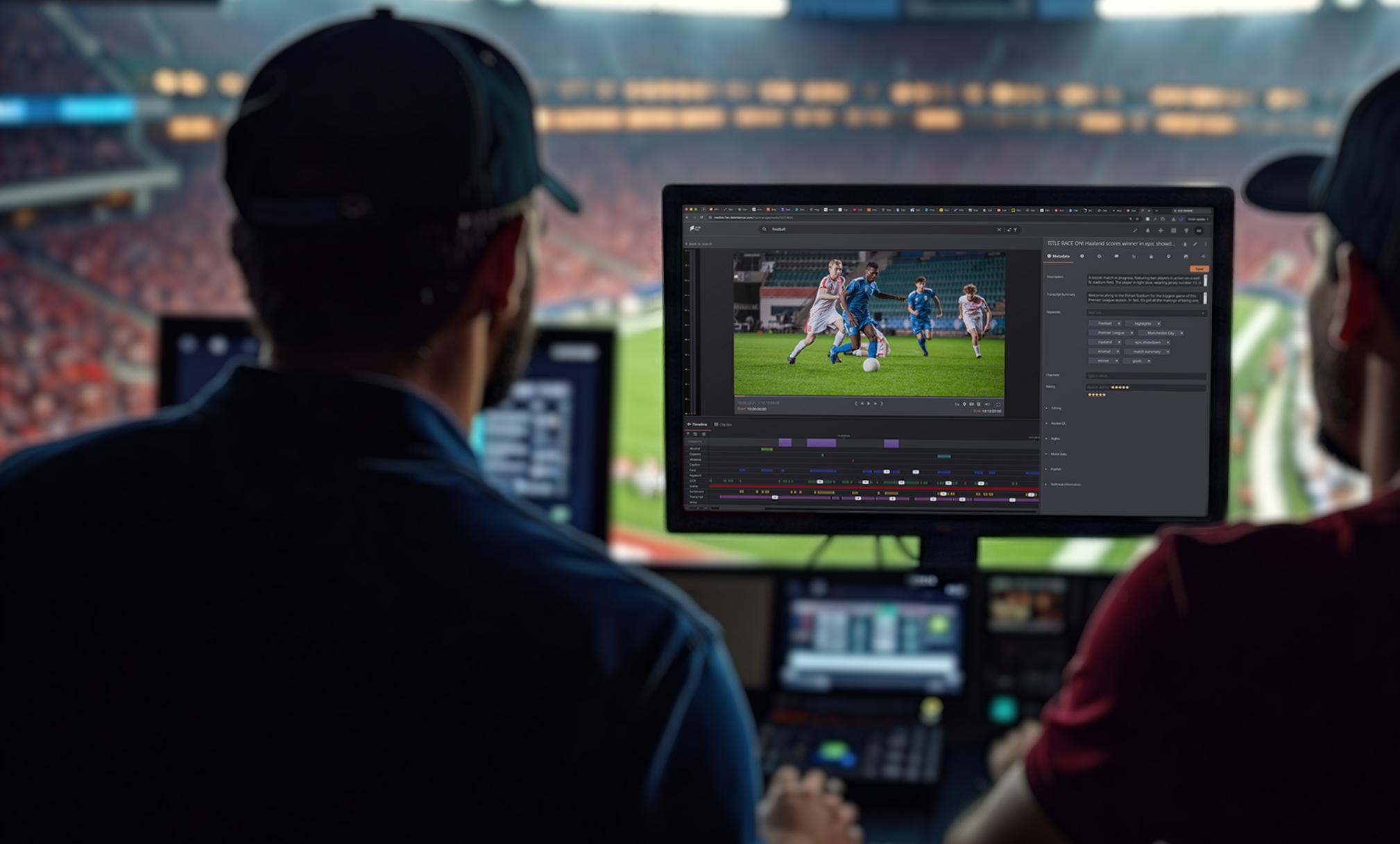
At SET Expo 2026, ATSC will highlight several key innovations related to the ATSC 3.0 standard. These innovations are expected to demonstrate the capabilities of next-generation broadcasting and provide insights into the future of television.
1. Advanced Data Services
One of the standout features of ATSC 3.0 is its ability to provide advanced data services. This includes the delivery of real-time data such as weather updates, sports scores, and emergency alerts directly to viewers' devices. The integration of data services enhances the overall viewing experience, making it more informative and engaging. Broadcasters can utilize this feature to provide contextually relevant information that complements the programming, thereby increasing viewer satisfaction. For instance, during a live sports broadcast, viewers can receive real-time statistics and player information, enhancing their engagement with the content.
The ability to deliver data services is facilitated by ATSC 3.0's use of IP-based transmission, which allows for seamless integration with internet-based services. This means that broadcasters can not only deliver traditional video content but also enhance it with data-driven features that add value to the viewing experience. According to a study by the National Association of Broadcasters, 60% of viewers expressed interest in receiving real-time information during broadcasts, indicating a strong demand for these advanced data services.
2. Mobile Broadcasting
ATSC 3.0 is designed with mobile broadcasting in mind, allowing viewers to access broadcast content on their mobile devices seamlessly. This capability is crucial in today's fast-paced world, where viewers expect to consume content on-the-go. ATSC will showcase how mobile broadcasting can enhance viewer engagement and expand the reach of broadcast content. This innovation opens new avenues for broadcasters to reach audiences who may not be at home to watch traditional broadcasts, thereby increasing overall viewership. A report from the Pew Research Center indicates that over 85% of adults in the U.S. use smartphones, highlighting the importance of mobile accessibility in broadcasting.
The mobile broadcasting feature of ATSC 3.0 leverages technologies such as Mobile DTV, which allows for the transmission of high-quality video to mobile devices without the need for a Wi-Fi connection. This capability ensures that viewers can enjoy live broadcasts, including news, sports, and entertainment, while commuting or traveling. As mobile device usage continues to rise, the ability to deliver broadcast content directly to smartphones and tablets will be a game-changer for broadcasters, enabling them to capture a larger share of the audience.
3. Improved Spectrum Efficiency
The new standard offers improved spectrum efficiency, allowing broadcasters to transmit more channels and higher-quality content within the same bandwidth. This innovation is particularly important as the demand for high-definition and ultra-high-definition content continues to grow. By utilizing advanced encoding techniques and more efficient modulation schemes, ATSC 3.0 maximizes the use of available spectrum, enabling broadcasters to deliver more content without requiring additional bandwidth. The Federal Communications Commission (FCC) has noted that improved spectrum efficiency can lead to significant cost savings for broadcasters, as it reduces the need for additional transmission infrastructure.
The implementation of orthogonal frequency-division multiplexing (OFDM) in ATSC 3.0 allows for more robust signal transmission, especially in challenging environments such as urban areas with high interference. This technology not only enhances the quality of the broadcast signal but also increases the number of channels that can be delivered within the same frequency band. According to a report by the National Association of Broadcasters, broadcasters can achieve up to 50% more channel capacity with ATSC 3.0 compared to previous standards, making it a highly efficient solution for content delivery.
4. Enhanced Security Features
As broadcasting technology evolves, so do the challenges related to security and privacy. ATSC 3.0 incorporates advanced security features to protect content and viewer data, ensuring a safe and secure broadcasting environment. This includes encryption protocols and digital rights management (DRM) systems that safeguard against unauthorized access and piracy, providing peace of mind for both broadcasters and viewers. The global digital rights management market is projected to reach $9.2 billion by 2026, reflecting the increasing importance of security in content delivery.
The security framework of ATSC 3.0 is built on industry standards, ensuring compatibility with existing security solutions while also allowing for future advancements. This adaptability is crucial as the broadcasting landscape continues to change, with new threats emerging regularly. By implementing robust security measures, broadcasters can protect their content investments and maintain viewer trust, which is essential for long-term success in the industry.
The Role of International Collaboration
ATSC's presence at SET Expo 2026 underscores the importance of international collaboration in advancing broadcasting technology. The committee works closely with global partners to develop and implement open standards that drive innovation in the industry. This collaborative approach fosters the exchange of ideas and best practices, ultimately benefiting broadcasters and viewers alike.
Global Partnerships
ATSC has established partnerships with various international organizations and industry stakeholders to promote the adoption of ATSC 3.0. These partnerships facilitate knowledge sharing and help broadcasters around the world transition to next-generation broadcasting standards. Collaborations with organizations such as the European Broadcasting Union (EBU) and the Asia-Pacific Broadcasting Union (ABU) are essential in harmonizing broadcasting standards globally, allowing for seamless content sharing and interoperability. For instance, ATSC has been working with the EBU to ensure compatibility between ATSC 3.0 and the European DVB-T2 standard, which is critical for international content distribution.
This international collaboration not only enhances the technical aspects of broadcasting but also fosters a sense of community among broadcasters worldwide. By sharing experiences and challenges, organizations can develop solutions that benefit the entire industry. The ATSC's commitment to open standards enables broadcasters to implement new technologies without being locked into proprietary systems, promoting innovation and competition.
Knowledge Sharing Sessions
During SET Expo 2026, ATSC will host knowledge-sharing sessions where industry experts will discuss the implications of ATSC 3.0 and the future of broadcasting. These sessions will provide valuable insights into the challenges and opportunities facing the industry, fostering a collaborative environment for innovation. Topics may include the impact of 5G on broadcasting, the integration of artificial intelligence in content delivery, and strategies for monetizing interactive content. A recent survey by the International Association of Broadcasting indicated that 70% of broadcasters are exploring AI technologies to enhance their operations, highlighting the relevance of these discussions.
The knowledge-sharing sessions will also feature case studies from broadcasters who have successfully implemented ATSC 3.0 technologies. These real-world examples will provide attendees with practical insights into the benefits and challenges of transitioning to the new standard, enabling them to make informed decisions about their broadcasting strategies. By facilitating open dialogue among industry professionals, ATSC aims to create a supportive environment that encourages innovation and collaboration.
The Future of Broadcasting: Key Trends and Predictions
As the broadcasting landscape continues to evolve, several key trends are expected to shape the future of the industry. The innovations presented at SET Expo 2026 will undoubtedly influence how content is delivered and consumed. Here are some predictions for the future of broadcasting:
1. Increased Personalization
The demand for personalized content experiences is on the rise. As viewers become accustomed to tailored recommendations from streaming services, broadcasters will need to adopt similar strategies to retain their audiences. ATSC 3.0's targeted advertising capabilities will play a crucial role in this trend, allowing broadcasters to deliver customized content that resonates with individual viewers.
Personalization will extend beyond advertising to include content recommendations based on viewer preferences and viewing history. By leveraging data analytics and machine learning algorithms, broadcasters can create more engaging viewing experiences that cater to the unique tastes of their audiences. A report by Deloitte indicates that 80% of consumers are more likely to make a purchase when brands offer personalized experiences, underscoring the importance of this trend in driving viewer engagement and loyalty.
2. Integration of Artificial Intelligence
Artificial intelligence will become increasingly integrated into broadcasting operations, from content creation to distribution. AI algorithms can analyze viewer preferences and behaviors, enabling broadcasters to optimize their programming and marketing strategies. The potential for AI-driven content curation and recommendation systems will enhance viewer engagement and satisfaction.
Moreover, AI can streamline production processes by automating tasks such as editing, captioning, and even scriptwriting. This not only reduces operational costs but also allows content creators to focus on more creative aspects of production. According to a report by PwC, the global AI market in media and entertainment is projected to reach $8 billion by 2024, reflecting the growing importance of AI in the industry.
3. Enhanced Viewer Engagement through Interactivity
As interactivity becomes a standard feature of broadcasting, viewers will expect more opportunities to engage with content. This could include interactive storytelling, live polling during broadcasts, and real-time viewer feedback mechanisms. The ability to participate in content will transform the traditional viewing experience into a more dynamic and engaging one.
Broadcasters can leverage interactive features to create immersive experiences that captivate audiences. For example, interactive documentaries that allow viewers to choose their own narrative paths or live sports broadcasts that enable fans to vote on in-game decisions can significantly enhance viewer engagement. A study by Accenture found that 63% of consumers are interested in interactive content, indicating a strong appetite for these new viewing experiences.
4. Growth of Over-the-Top (OTT) Services
The rise of OTT services has changed the way viewers consume content, and this trend is likely to continue. Broadcasters will need to adapt their strategies to compete with streaming platforms by offering unique content experiences and leveraging the capabilities of ATSC 3.0. The integration of broadcast and OTT services will create new opportunities for content distribution and monetization.
As consumers increasingly turn to OTT platforms for their viewing needs, traditional broadcasters must find ways to integrate their content into these services. This could involve partnerships with OTT providers or the development of their own streaming platforms. A report by eMarketer predicts that U.S. OTT video revenue will reach $83 billion by 2024, highlighting the significant growth potential in this area.
5. Sustainability and Energy Efficiency
As the industry becomes more aware of its environmental impact, sustainability will be a key consideration in broadcasting technology. ATSC 3.0's improved spectrum efficiency not only enhances content delivery but also contributes to energy savings. Broadcasters will increasingly prioritize eco-friendly practices in their operations, from transmission to content production.
The push for sustainability will also drive innovation in broadcasting equipment and infrastructure. Manufacturers are expected to develop more energy-efficient transmission systems and equipment, reducing the carbon footprint of broadcasting operations. Additionally, broadcasters may explore renewable energy sources to power their facilities, further contributing to environmental sustainability. According to a report by the Global Broadcasting Union, the broadcasting industry is projected to reduce its carbon emissions by 30% by 2030, reflecting a growing commitment to sustainability.
Conclusion
The ATSC's showcase at SET Expo 2026 represents a pivotal moment for the broadcast industry as it embraces the future of television. With the introduction of ATSC 3.0, broadcasters have the opportunity to enhance viewer experiences through improved content quality, interactivity, and targeted advertising. The event will serve as a platform for industry professionals to connect, collaborate, and explore the latest advancements in broadcasting technology.
As the broadcasting landscape continues to evolve, the innovations presented at SET Expo 2026 will undoubtedly shape the future of how content is delivered and consumed. The ATSC's commitment to open standards and international collaboration will play a crucial role in driving this transformation, ensuring that broadcasters can meet the demands of modern viewers while paving the way for a more engaging and immersive television experience.
The advancements in broadcasting technology are set to redefine the viewing experience for audiences around the world, making this event a must-attend for industry professionals. With the rapid pace of technological change, it is essential for broadcasters to stay informed and adaptable, leveraging new tools and standards to remain competitive in an increasingly crowded market.
As we look forward to the innovations at SET Expo 2026, the future of broadcasting appears bright. The integration of ATSC 3.0 standards will not only enhance the quality of content but also redefine how audiences interact with it. The potential for personalized experiences, coupled with enhanced data services and mobile capabilities, positions broadcasters to better serve their audiences in ways that were previously unimaginable.
In conclusion, the ATSC's participation in SET Expo 2026 is more than just a showcase of technology; it is a celebration of the future of broadcasting. It reflects the industry's commitment to innovation, collaboration, and the pursuit of excellence in delivering content that resonates with viewers. As we embrace this new era of broadcasting, the insights and advancements shared at SET Expo 2026 will undoubtedly inspire the next generation of content creators and technology providers, ensuring that the broadcast industry remains at the forefront of entertainment and information delivery.
Newsletter
Get the morning gadget briefing
A short recap of the stories that actually matter — phones, AI, EVs, and the rest — in your inbox.
No spam. We’ll only send the briefing.
Keep reading
Read next
More in Tokyo Game Show
Continue
 Gaming
Samsung Partners With Call of Duty for Gaming Push
Samsung teams up with Activision to enhance gaming experiences with advanced display technologies for the upcoming release of Call of Duty: Modern Warfare 4.
Aug 17, 2026


How Ford Went From Recall King to Quality Leader — and Why Jim Farley Still Isn't Satisfied
Aug 29, 2026
Comments (0)
Keep it civil. Anyone can reply. Edit and delete stay on this browser after refresh.
No comments yet. Start the conversation.