
Gaming/Games & Franchises/Marvel Games
The Future of Medicine is Video Games
Exploring how video games and virtual reality are revolutionizing patient care and medical training.

The Future of Medicine is Video Games
If you grew up in a household like mine, where video game consoles were viewed with skepticism—think “they’ll rot your brain!”—the idea of video games contributing positively to health might sound like an alien concept. Sure, we all know that too much gaming has its downsides, and we’ve read the studies about the potential harms of excessive screen time. However, as the landscape of technology evolves, so does our understanding of how it can benefit us. With over 3 billion gamers worldwide, the intersection of gaming and medicine is paving the way for revolutionary changes in health care.
Imagine a future where virtual reality (VR) games not only entertain but also serve as effective tools in the medical field—reducing anxiety, managing pain, and even serving as alternatives to general anesthesia. This isn’t just daydreaming; it’s happening right now. After digging into recent studies and innovations, it’s clear that gaming technology is not just a pastime but a powerful ally in the medical arena. Let’s dive into how video games are reshaping healthcare as we know it.
Gaming as an Anesthetic Alternative
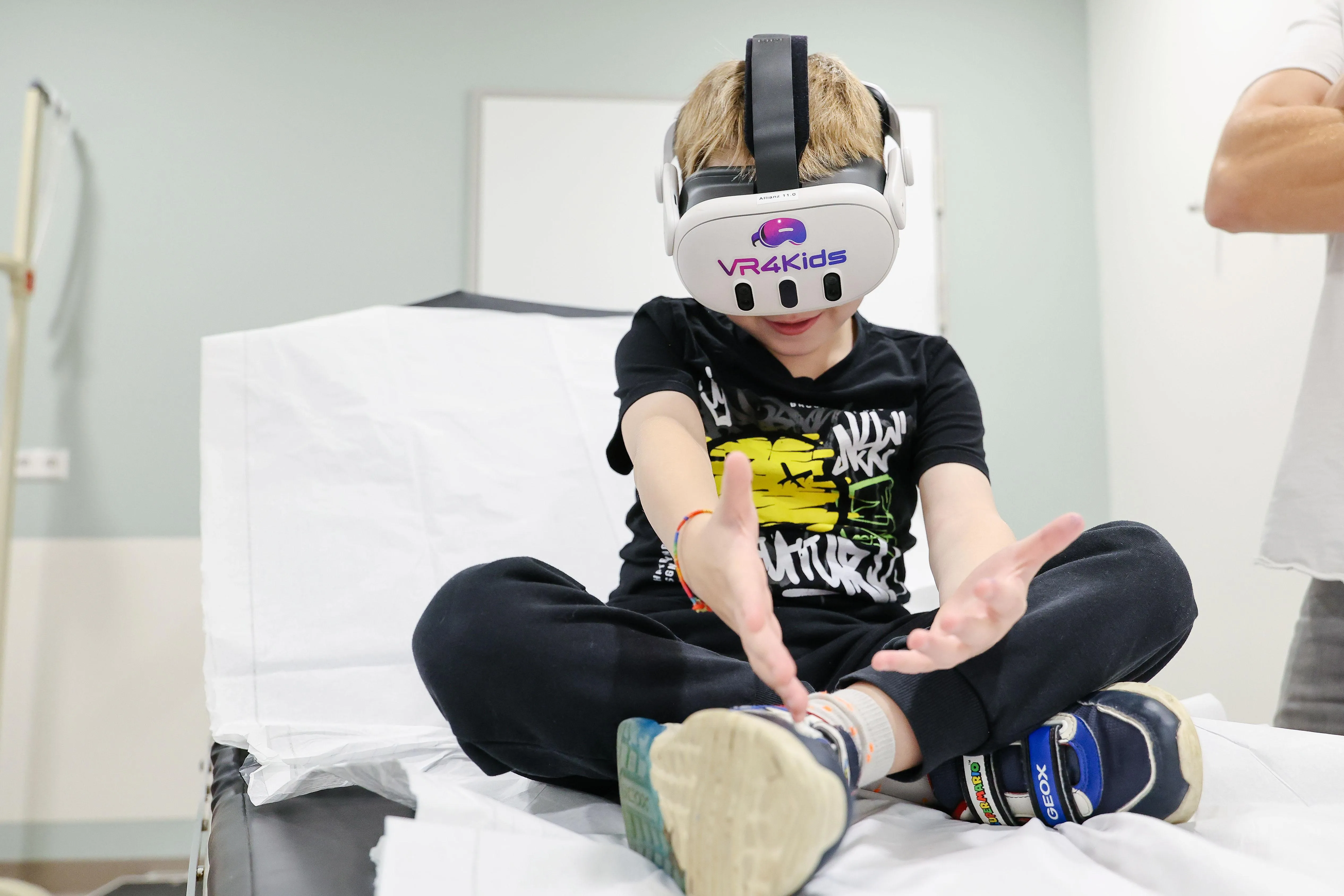
One of the most compelling uses of video games in medicine is their potential to replace traditional anesthesia, particularly in pediatric care. For years, doctors have relied on general anesthesia for minor surgical procedures and MRI scans in children, often exposing them to unnecessary risks. The FDA has raised concerns about the effects of repeated anesthesia on young, developing brains. Enter video games and VR technology, which have shown promise in helping children manage pain and anxiety during medical procedures.
In a groundbreaking 2024 study, over 100 children, averaging around 11 years old, participated in a trial where they wore mobile VR headsets during minor procedures, such as hormone implants. Instead of being sedated, these kids engaged with calming games like Pebbles the Penguin and Space Pups, allowing them to remain still and follow instructions from their medical team. Remarkably, none of the participants required general anesthesia, and their post-procedure pain reports were comparable to those who had received sedation. The results were not just promising; they were revolutionary.
The success of these trials suggests that VR could be a game-changer in pediatric medicine. As Dr. Kimberly Hieftje, co-director of XR Pediatrics, noted, “If we can help a child get through a procedure comfortably without sedation, that’s a significant benefit.” This sentiment reflects a growing recognition of the need to tailor medical approaches specifically for children, acknowledging that they are not just smaller adults.
The Science Behind VR and Pain Management
You might be wondering how exactly video games can alleviate pain and anxiety. The answer lies in the brain's response to immersive experiences. When children engage with VR, their focus shifts away from the discomfort associated with medical procedures. Studies indicate that the brain processes virtual experiences similarly to real ones, effectively creating a distraction that can diminish the perception of pain.
In another interesting study conducted in Canada, researchers tested VR as an alternative to anesthesia for MRI scans in younger patients. Eighteen children, averaging around 5 years old, were introduced to a VR game that educated them about the MRI process while allowing them to collect magical fairy dust. The outcome? Every child completed the MRI without additional sedation or anesthesia. The implications of these findings are profound, suggesting that gaming technology could significantly reduce the risks associated with traditional sedation methods.
Video Games and Patient Engagement
Beyond just pain management, video games are fostering greater patient engagement in healthcare. In an era where patient involvement is critical for effective treatment, gaming technology is offering new ways to motivate patients—especially children—to take an active role in their health.
A study co-authored by Dr. Hieftje introduced a VR game aimed at adolescents with Type 1 diabetes. The game provided coaching through exercise routines, encouraging participants to engage in physical activity. The results were promising: not only did the adolescents enjoy the game, but they also registered a slight decrease in their blood sugar levels. This suggests that gamification can lead to improved health outcomes, making it easier for patients to adhere to treatment plans.
Expanding Horizons: Beyond Pediatric Care
While the focus has primarily been on pediatric applications, the potential for video games in healthcare extends far beyond children’s procedures. Researchers are exploring the use of gaming technology in various medical fields, from pain management in adults to mental health interventions.
In mental health, for instance, VR is being utilized to treat anxiety and phobias through controlled exposure therapy. By immersing patients in virtual environments, therapists can help them confront their fears in a safe space. This method has shown to be effective in reducing anxiety symptoms, demonstrating that gaming technology can play a critical role in mental health care.
Moreover, video games are being developed to assist in rehabilitation for stroke patients, providing engaging exercises that can enhance motor skills. These games are designed to be enjoyable, ensuring that patients remain motivated to participate in their recovery process.
Video Games in Rehabilitation Therapy
The world of rehabilitation therapy is another exciting frontier where video games are making significant strides. Research has shown that interactive video games can enhance motor coordination, cognitive flexibility, and overall functional recovery in stroke patients. The beauty of incorporating gaming into rehabilitation is that it transforms monotonous exercises into engaging activities, making the recovery process not just bearable but even enjoyable.
In a 2023 study published in Neurorehabilitation and Neural Repair, researchers found that stroke patients who participated in a structured rehabilitation program that included video game-based exercises showed significantly greater improvements in motor function compared to those engaged in traditional therapy alone. The games designed for rehabilitation often involve repetitive tasks that mimic real-world activities, promoting neural plasticity—a fancy term for the brain's ability to adapt and reorganize itself.
One popular game currently making waves in rehabilitation is Stroke Rehab, which immerses patients in various virtual environments where they perform tasks like reaching for objects or navigating obstacles. This not only helps with physical recovery but also enhances cognitive skills as patients must strategize and adapt to the challenges presented in the game. It’s like a two-for-one deal: physical therapy and mental gymnastics rolled into one.
Additionally, the concept of gamification is pivotal here. By incorporating elements like scoring, achievements, and levels, rehabilitation games motivate patients to push through their limits. This sense of achievement can significantly boost their morale, making them more likely to adhere to their therapy routines. As one patient put it, “I’d rather get my exercise in while battling zombies than lifting weights in a boring clinic!”
Mental Health Benefits of Gaming
While video games have been historically viewed as a source of escapism, recent research suggests that they can also play a significant role in enhancing mental health and well-being. A narrative review published in Psychological Medicine highlights how video games can improve motivation, problem-solving skills, and even mitigate symptoms of anxiety and depression.
One of the most compelling arguments for the mental health benefits of gaming is the intrinsic motivation that comes from playing. Unlike traditional therapy, where patients might feel compelled to engage in activities they find tedious, video games offer an enjoyable alternative that keeps players coming back for more. Researchers found that commercial video games can have similar psychological benefits to games specifically designed for therapy, primarily because players are more likely to make behavioral changes when they’re engaged in enjoyable activities.
In a cross-sectional study published in the Journal of Medical Internet Research, 88.4% of participants reported experiencing psychological or emotional benefits from gaming. Those who perceived benefits scored higher in terms of flow state, competence, autonomy, and relatedness, suggesting that gaming can foster a sense of community and belonging. Let’s face it—who hasn’t felt an exhilarating rush after conquering a challenging level or collaborating with friends to defeat a boss?
Moreover, gaming can serve as a valuable tool in addressing mental health care challenges such as high costs and long waiting lists. Video games can provide accessible and affordable alternatives to traditional therapy, making mental health care more reachable for those who might otherwise go without support. This democratization of mental health resources is crucial in a world where the prevalence of anxiety and depression continues to rise.
Challenges and Considerations
While the potential benefits of integrating video games into healthcare are vast, challenges remain. For one, there’s the issue of accessibility. Not all healthcare facilities have the resources to implement advanced gaming technologies. Ensuring that these innovations are available to all patients, regardless of their circumstances, is crucial.
Additionally, as with any new technology, there’s a learning curve for both medical professionals and patients. Training healthcare providers to effectively utilize these tools is essential for maximizing their potential benefits. It’s not just about having the technology; it’s about knowing how to use it effectively.
Furthermore, there’s a balance to be struck in gaming. While moderate gaming has shown numerous benefits, excessive gaming can lead to negative consequences, such as addiction and social isolation. Therefore, it’s essential to promote healthy gaming habits and encourage a balanced lifestyle. After all, nobody wants to become a hermit living in a basement while their friends are out living their best lives.
Conclusion: A New Era in Healthcare
As we look to the future, the fusion of video games and medicine presents an exciting frontier. The potential to reduce anxiety, manage pain, and enhance patient engagement is just the beginning. With ongoing research and development, we can expect to see even more innovative applications of gaming technology in healthcare.
The narrative surrounding video games is shifting, from being seen as mere entertainment to being recognized as powerful tools in the medical field. This transformation not only opens doors for improved patient experiences but also invites a new generation of healthcare professionals to embrace technology in their practice.
So, to all the parents who have stashed away their children’s gaming consoles—maybe it’s time to reconsider. The future of medicine might just involve a little gaming after all, and who knows? Your child might end up being the one to revolutionize healthcare as we know it.
Newsletter
Get the morning gadget briefing
A short recap of the stories that actually matter — phones, AI, EVs, and the rest — in your inbox.
No spam. We’ll only send the briefing.
Keep reading
Read next
More in Marvel Games

Comments (0)
Keep it civil. Anyone can reply. Edit and delete stay on this browser after refresh.
No comments yet. Start the conversation.