
Tesla's Autopilot Under Fire: Inside the NHTSA Investigations Elon Musk Can't Ignore
As investigations into Tesla's Autopilot unfold, the implications for driver safety and regulatory practices are profound. We delve into the ongoing scrutiny and its potential impact on the future of self-driving technology.

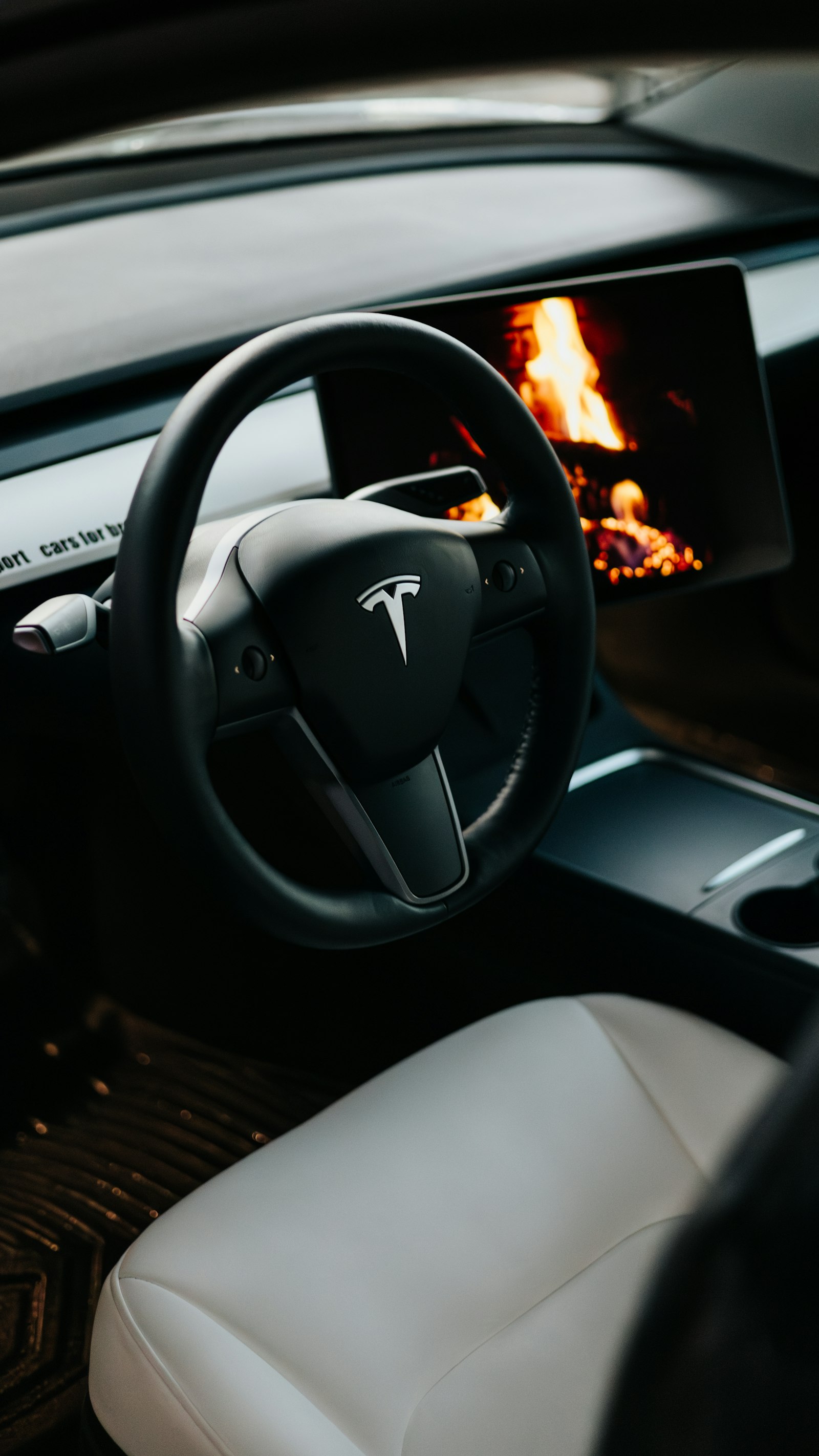
Tesla's Autopilot Under Fire: Inside the NHTSA Investigations Elon Musk Can't Ignore
Tesla has long been a beacon of innovation in the automotive world, championing electric vehicles and pushing the envelope with its Autopilot and Full Self-Driving (FSD) technologies. However, a series of investigations by the National Highway Traffic Safety Administration (NHTSA) has thrown a wrench into the narrative of Tesla as the unassailable leader in the self-driving space. From concerns about driver engagement to alarming crash statistics involving emergency vehicles, it's clear that the road ahead for Tesla is fraught with regulatory potholes.
As these investigations unfold, the implications for Tesla and the entire automotive industry are profound. With European regulators watching closely and China tightening its grip on safety standards, Tesla's Autopilot system is under scrutiny like never before. So, what exactly is going on? Let’s break it down.
The NHTSA Investigations: A Deep Dive
The NHTSA has launched multiple investigations into Tesla's Autopilot system, primarily focusing on its reliability in complex driving situations and the level of driver engagement required while using the technology. This scrutiny intensified after numerous reports surfaced detailing incidents where Teslas, while operating under Autopilot, crashed into emergency vehicles parked on the roadside. A staggering 14 of these incidents have been documented, raising serious questions about the system's ability to recognize and respond to emergency scenarios.
Autopilot's Design and Driver Engagement Issues
Tesla's Autopilot is marketed as a Level 2 advanced driver-assistance system (ADAS), which means it can control steering, acceleration, and braking under certain conditions but still requires the driver to remain attentive and ready to take over at any moment. Critics have argued that this reliance on driver vigilance is problematic, especially when the system is marketed in a way that suggests a higher level of autonomy than it truly offers.
Elon Musk has repeatedly asserted that FSD will soon reach full autonomy, a claim that many experts believe is optimistic at best. The NHTSA's investigations are examining whether Tesla's marketing of Autopilot and FSD misrepresents the capabilities of the technology, potentially leading to over-reliance by drivers. This issue is compounded by the fact that many users believe the system can handle more complex driving scenarios than it is currently capable of, leading to dangerous situations.
The European Perspective: Regulating Safety
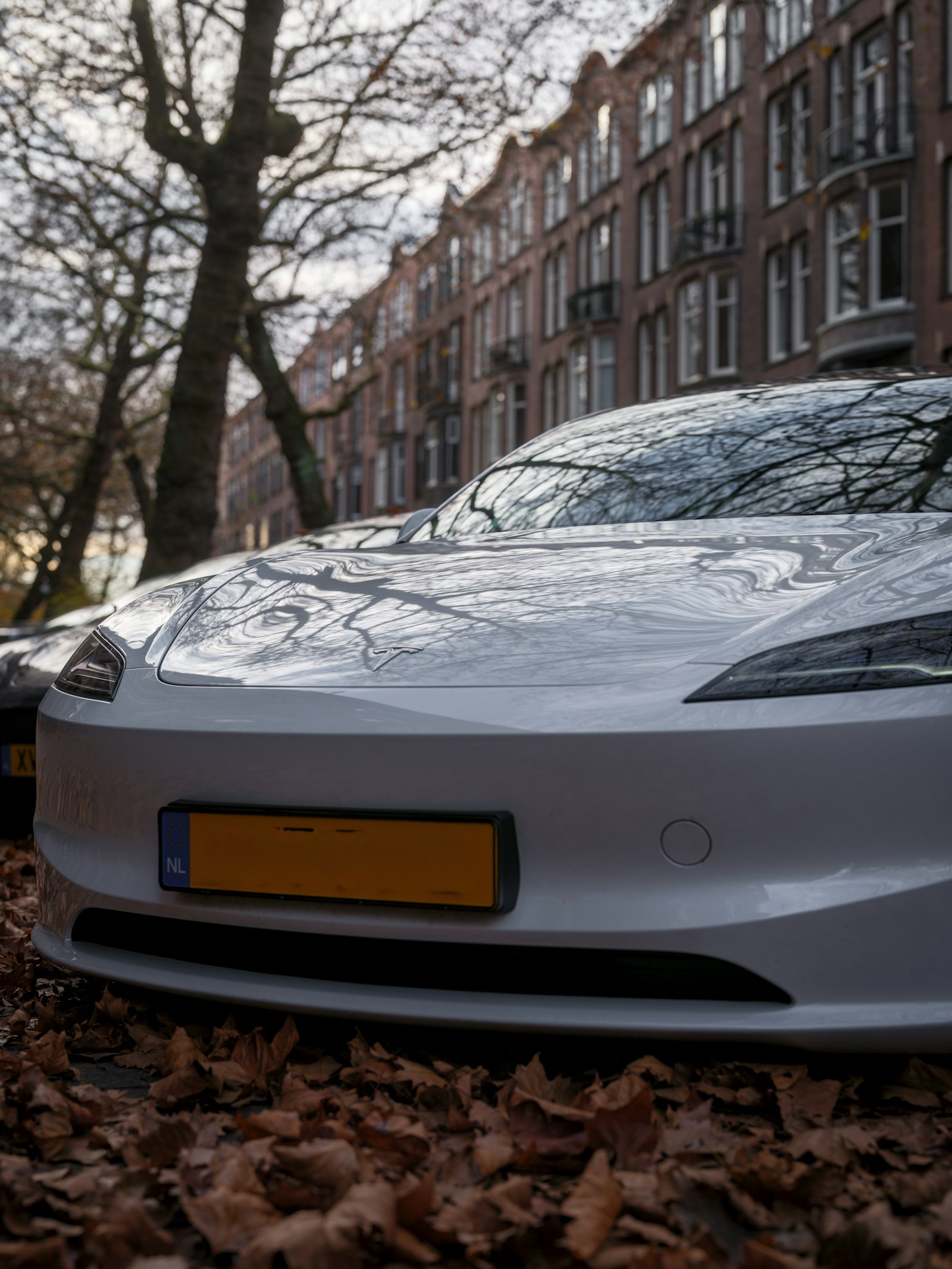
In Europe, regulators have been more cautious than their American counterparts, requiring automakers to seek approval before deploying advanced driver-assistance systems. This is particularly relevant for Tesla, which has faced accusations of sharing exaggerated safety statistics with EU regulators regarding its FSD. The European Union’s approach stands in stark contrast to the U.S. regulatory environment, where Tesla has been able to operate with relatively fewer restrictions.
This regulatory divergence has raised concerns among European officials about the safety implications of allowing Tesla’s systems to operate without stringent oversight. The NHTSA's investigations could set a precedent that influences how European regulators approach Tesla and other manufacturers in the future. If the NHTSA finds significant issues with Tesla's Autopilot, it could embolden European regulators to take a harder stance on automated driving technologies.
Crashes and Lawsuits: The Legal Fallout
The legal landscape surrounding Tesla's Autopilot is becoming increasingly complex. Following the crashes involving emergency vehicles, a driver has filed a $10 million lawsuit against Tesla. This case underscores the growing frustration among consumers and advocates regarding the safety of Tesla's self-driving features.
In addition to the lawsuits, the NHTSA has received numerous complaints about Tesla’s braking systems, further complicating the company's legal challenges. These complaints are being investigated as part of a broader assessment of Tesla's safety practices. If the NHTSA determines that Tesla has indeed been negligent in its safety protocols, the consequences could be severe, including potential fines and mandates to implement significant changes to its systems.
China’s Assertive Regulatory Approach
While the U.S. and Europe grapple with how to regulate Tesla and its Autopilot technology, China is taking a more aggressive approach to automotive safety. Recently, China initiated a massive recall involving several automakers, including Tesla, in response to safety concerns about door-release mechanisms. This recall aims to address fears that occupants could become trapped inside their vehicles in the event of an emergency, highlighting a proactive stance on automotive safety that contrasts sharply with the often reactive approaches seen in the U.S. and Europe.
Chinese regulators are not just focused on recalls; they are also implementing new safety standards that could reshape the landscape for electric vehicles. This includes new rules requiring automakers to track the condition and repair history of all EVs sold. Such measures indicate a shift towards a more regulated environment for advanced vehicle technologies, which could have significant implications for Tesla as it continues to operate in this critical market.
Pricing Strategy Comparison
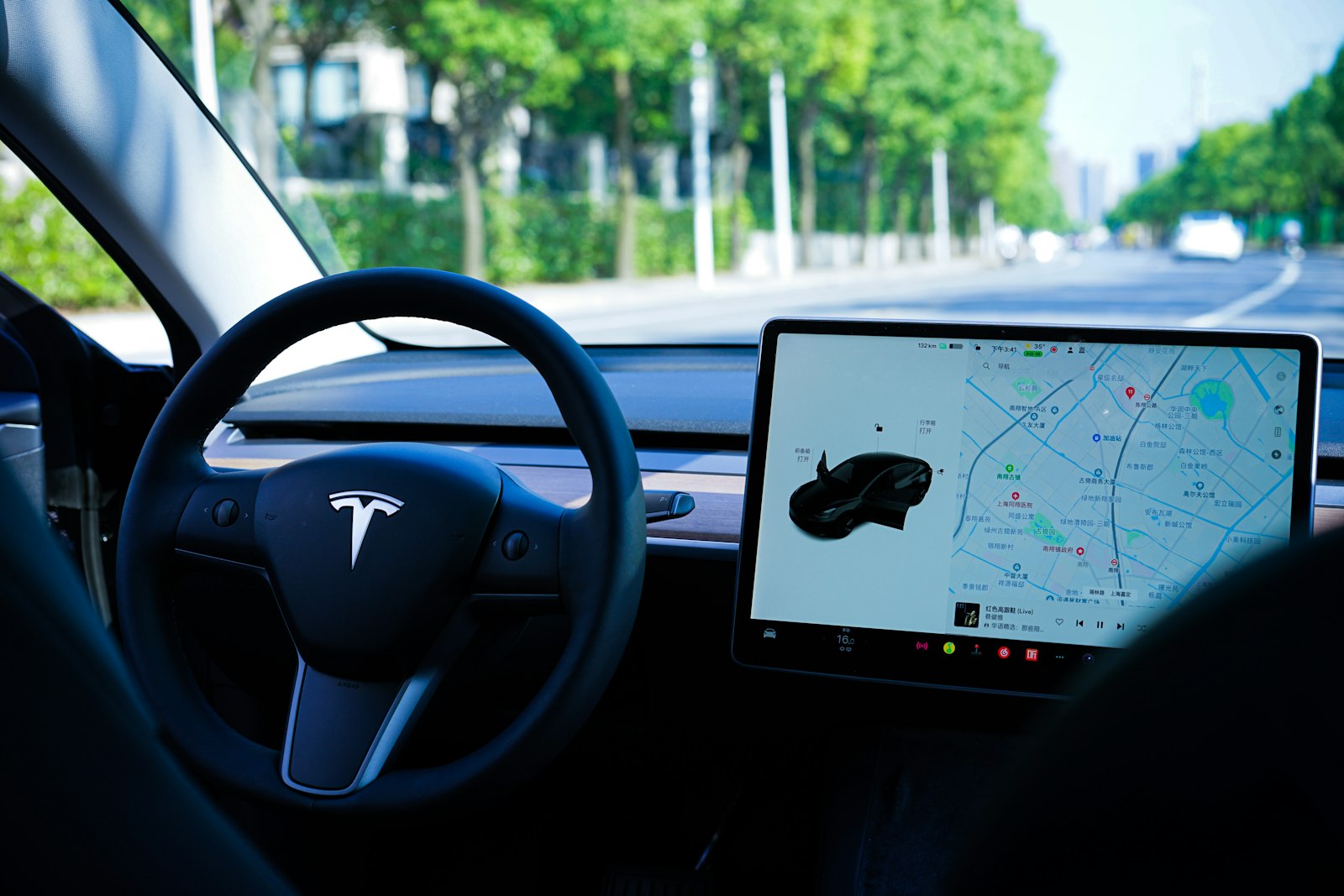
When we dive into the pricing strategy of Tesla's Autopilot, we find a fascinating landscape of competition. Tesla's Full Self-Driving (FSD) package, currently priced at around $15,000, is notably cheaper than its primary competitor, Waymo, which is reportedly nearing a pricing point of $60,000 for its sensor-fusion approach that integrates lidar technology. Now, before you shout "bargain!" at Tesla's price, let’s dissect what this means for consumers and the broader market.
Waymo's strategy heavily relies on an intricate array of sensors, including cameras and lidar, to create a more robust and scalable self-driving experience. In contrast, Tesla has opted for a camera-only system, which Elon Musk touts as a cost-effective solution. While this might sound appealing for your wallet, it does raise eyebrows about the long-term viability and safety of such an approach. After all, who wouldn't want the peace of mind that comes with having a high-tech sensor array watching their back in the unpredictable world of driving?
Waymo’s technology is often perceived as more advanced due to its ability to operate at Level 4 autonomy, which means it can handle complex driving scenarios without human intervention in pre-mapped areas. On the other hand, Tesla’s camera-only method struggles with certain driving environments, particularly where it encounters unexpected obstacles or complex traffic situations. As sensor prices continue to drop, one can't help but wonder if Tesla's camera-only approach will soon feel like a nostalgic relic from the past.
Moreover, the pricing strategy also reflects differing business models. Tesla's FSD is marketed as a premium feature that can be added to any vehicle, while Waymo is more focused on providing a complete robotaxi service that may not directly translate into vehicle sales. Essentially, while Tesla's strategy aims to monetize its technology through software updates and customer retention, Waymo's model revolves around creating a comprehensive service offering.
This dynamic creates a competitive environment that can leave consumers scratching their heads. Do they opt for the cheaper, albeit potentially less reliable, Tesla FSD, or do they go for the pricier, high-tech Waymo solution that might be the future of autonomous driving? The choice is complicated, and it reflects the broader challenges facing the self-driving industry as it navigates consumer expectations, technological limitations, and regulatory landscapes.
Market Access Challenges
As Tesla continues to navigate the choppy waters of the automotive market, it faces significant regulatory and tariff challenges in international markets. The European Union, for instance, has implemented stringent regulations that directly impact Tesla's ability to deploy its Autopilot features. The latest UN/ECE Regulation 79 has led Tesla to limit some Autopilot functionalities, particularly in newly delivered Model 3s. This has raised eyebrows and questions about whether Tesla's approach is adaptable enough to meet the diverse regulatory environments it encounters abroad.
In Asia, Tesla's path has not been smooth either. The company has been subject to delays in rolling out Autopilot features due to rigorous safety standards and the need for regulatory approval. For instance, the approval process for Tesla's FSD in Europe has been under scrutiny, with regulators demanding more robust data on its safety and operational capabilities. This scrutiny could significantly delay Tesla's ability to compete effectively in the European market, especially as competitors ramp up their own self-driving technologies.
Moreover, Tesla's market access is also hindered by tariffs and trade policies, particularly in regions where tensions between the U.S. and other countries are high. The automotive industry is particularly sensitive to these shifts, as tariffs can dramatically affect the cost of production and ultimately the price consumers pay at the dealership. If Tesla cannot navigate these challenges effectively, it risks losing ground to competitors who may be more agile in adapting to regulatory requirements.
In addition to regulatory hurdles, the perception of Tesla's Autopilot safety features plays a crucial role in its market access. Negative media coverage surrounding crashes and investigations can taint public perception and lead to increased scrutiny from regulators. For Tesla to thrive in international markets, it needs to not only ensure compliance with existing regulations but also actively work to improve its public image and prove the safety and reliability of its technologies.
The Future of Tesla's Autopilot
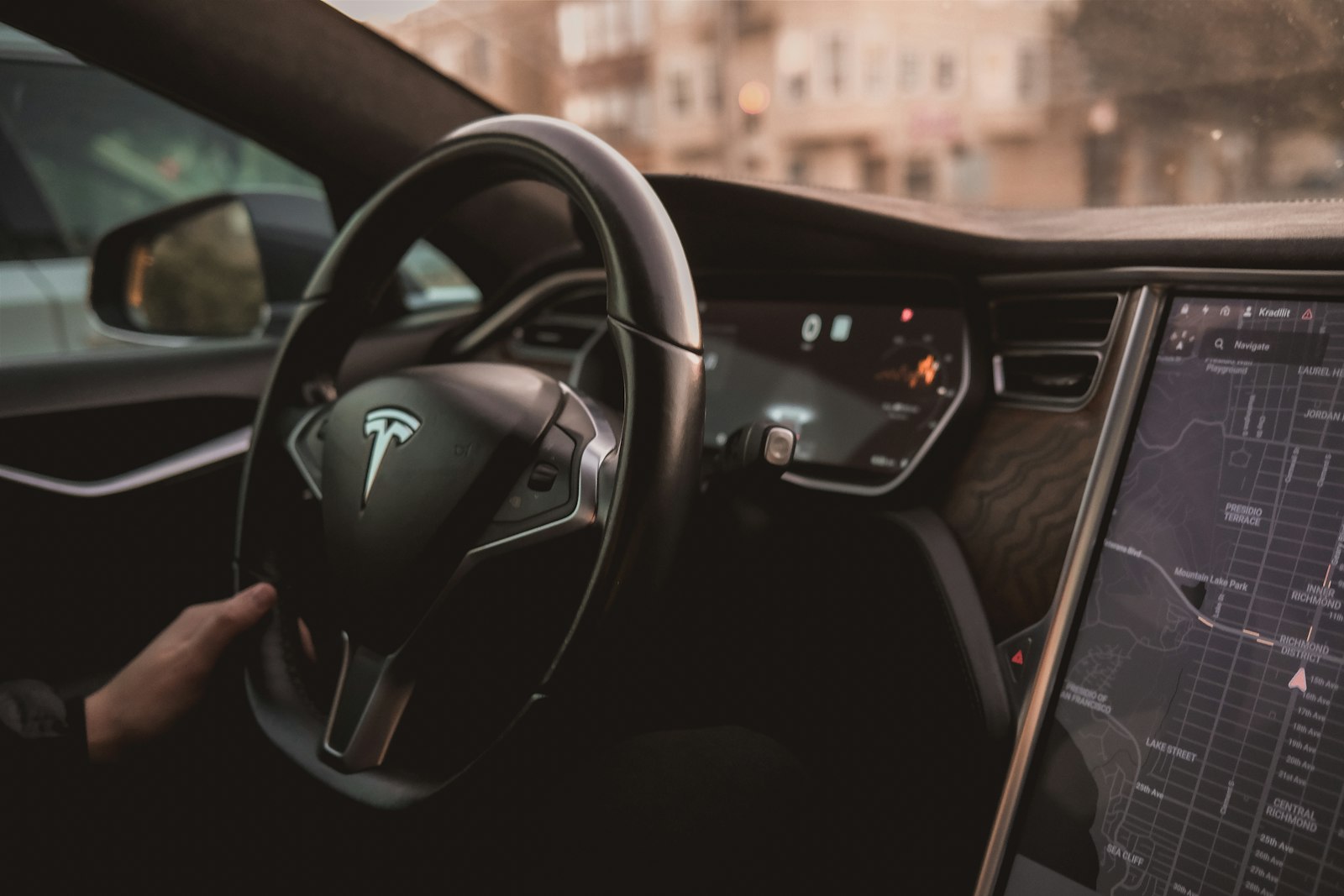
As the NHTSA continues its investigations, the future of Tesla's Autopilot technology hangs in the balance. The outcome of these inquiries could lead to changes in how Tesla operates, how its technologies are marketed, and how customers perceive the safety of its vehicles.
Tesla's self-certification strategy raises additional questions about regulatory oversight. By relying on a self-certification model, Tesla can potentially bypass some of the traditional regulatory hurdles that other automakers face. However, this approach also places significant responsibility on Tesla to ensure its technologies meet safety standards without external validation.
The stakes are high, not only for Tesla but also for the entire automotive industry. The findings of the NHTSA could lead to a reevaluation of how self-driving technologies are regulated, ultimately shaping the future of autonomous vehicles. As the technology continues to evolve, it remains to be seen whether Tesla can adapt and thrive in an increasingly regulated environment, or if it will falter under the weight of compliance issues and consumer skepticism. So, buckle up; the ride is just getting started!
Newsletter
Get the morning gadget briefing
A short recap of the stories that actually matter — phones, AI, EVs, and the rest — in your inbox.
No spam. We’ll only send the briefing.
Keep reading
Read next
More in Tesla
Comments (0)
Keep it civil. Anyone can reply. Edit and delete stay on this browser after refresh.
No comments yet. Start the conversation.