
EV/EV Brands & Models/Hyundai & Kia EV
Hyundai Opens IONIQ 3 EV Orders, Starting at About $30,000
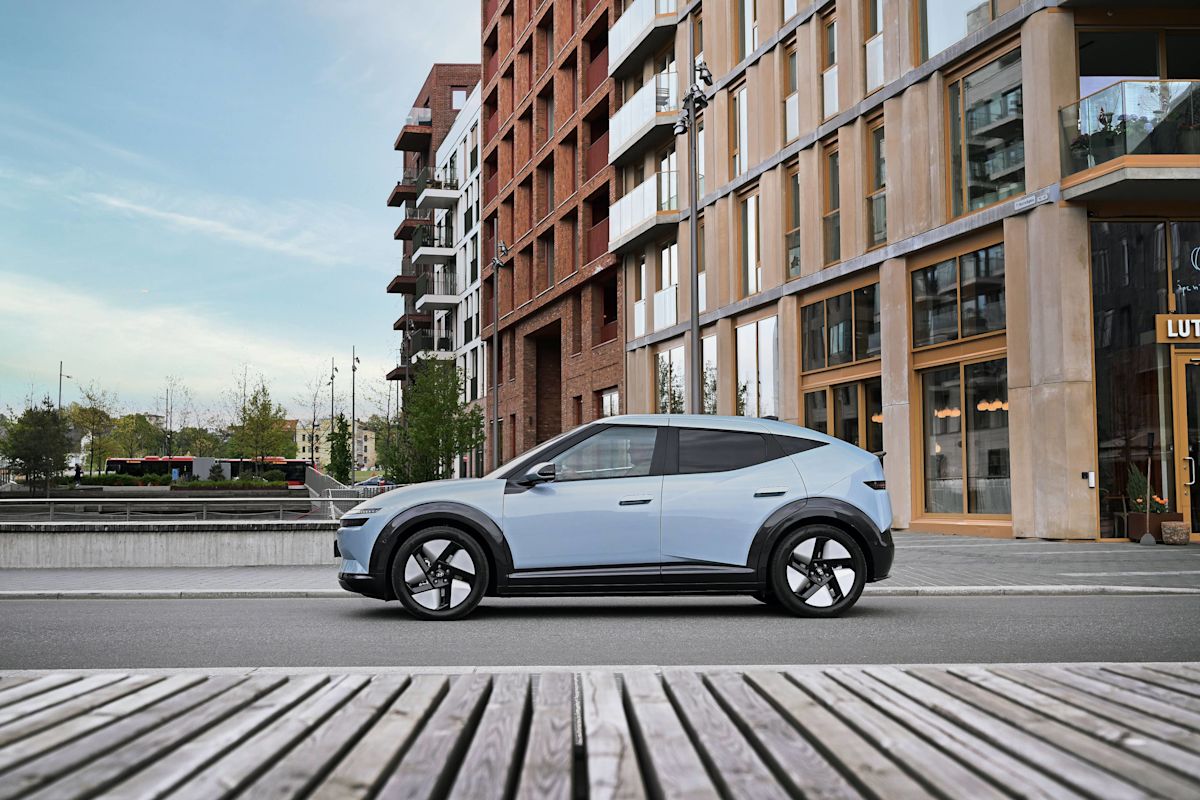
Hyundai has opened orders for the IONIQ 3 in Europe, priced around $30,000, but it won't be available in the U.S. market due to tariff policies. Here’s a deep dive into what makes this compact EV special.

Hyundai Opens IONIQ 3 EV Orders, Starting at About $30,000
As the electric vehicle (EV) market continues to evolve, Hyundai has just made a bold move by opening orders for its IONIQ 3 in Europe, priced at approximately $30,000. With a sharper focus on affordability, this compact hatchback aims to capture a significant segment of the growing EV market, particularly in regions where budget-conscious consumers have been clamoring for more accessible options. But while Europeans can place their orders, Americans will have to sit this one out, as Hyundai has confirmed that the IONIQ 3 won't be available in the U.S. market due to various factors, including tariff policies and consumer preferences for larger vehicles.
In this piece, we’re diving deep into what makes the IONIQ 3 noteworthy, from its pricing and specs to its production location and why it matters in the broader context of the EV landscape. Let’s buckle up for a ride through the details of Hyundai’s latest offering.
What Changed?
Hyundai's IONIQ 3 has officially opened for pre-orders in Europe, with the UK price starting at £22,245, which translates to roughly $29,675 USD. This pricing strategy positions it about £13,000 below its larger sibling, the IONIQ 5, which starts at around £35,000. The competitive pricing is a strategic move to counter the increasing competition from Chinese EV manufacturers, which have been making significant inroads into the European market.
Hyundai's decision to produce the IONIQ 3 in Turkey plays a crucial role in its pricing strategy. The manufacturing facility in Izmit allows the IONIQ 3 to bypass EU import tariffs, making it more affordable compared to other European EVs. This factory has been operational since 1997 but has recently undergone a transformation to focus on electric vehicle production, with a capacity of 30,000 units per year.
The Specs Under the Hood
The IONIQ 3 will be available in multiple trims and battery configurations. The base model features a 42.2 kWh battery, providing a range of approximately 213 miles (WLTP). For those seeking more range, a larger 61 kWh battery option offers an impressive 308 miles. The standard battery version is equipped with a single motor producing 145 horsepower, while the long-range variant uses a slightly different motor configuration, delivering 133 horsepower.
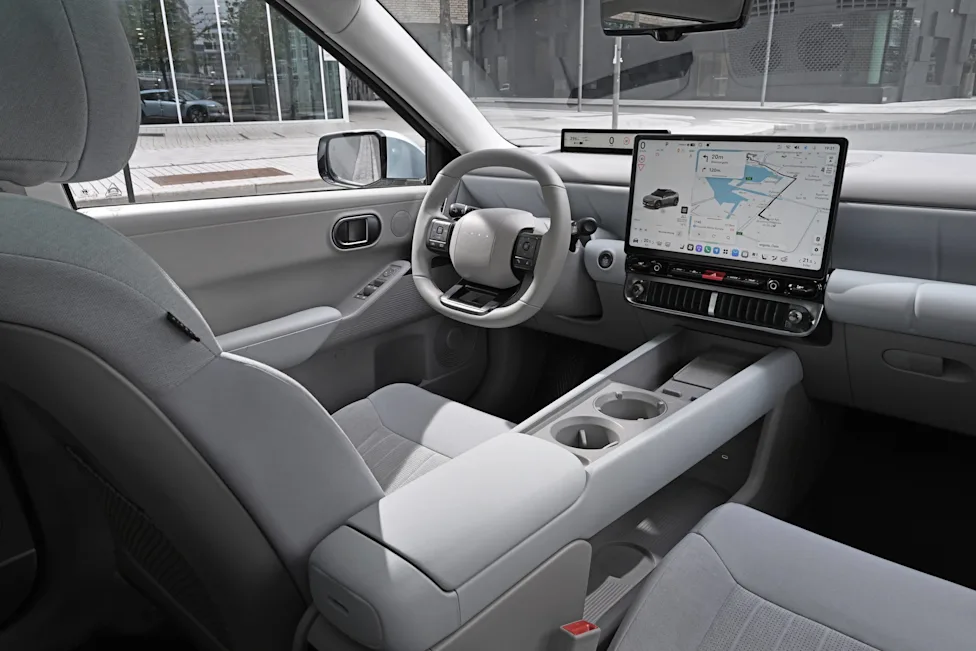
Charging times are competitive, with the standard battery achieving a 10-80% charge in about 29 minutes on a DC fast charger. The cabin of the IONIQ 3 is also noteworthy, featuring Hyundai’s latest infotainment system, Pleos Connect, which offers app support and a user-friendly interface akin to that of a smartphone.
Price in the U.S. vs. Europe
While the IONIQ 3 starts at a competitive price point in Europe, the U.S. market will not see this model due to several factors. The IONIQ 3's pricing strategy in Europe, combined with Turkey's advantageous manufacturing conditions, creates a significant gap when compared to similar offerings in the U.S.
For context, the IONIQ 5 starts at around $35,000, which is about $5,000 more than the IONIQ 3's European starting price. This price discrepancy raises questions about Hyundai's strategy in the U.S. market, where consumers have shown a preference for larger vehicles. The IONIQ 3's smaller size could be a deterrent for American buyers, who typically lean towards SUVs and larger sedans.
Understanding the Tariff Implications
The reason for the IONIQ 3's absence in the U.S. market boils down to tariff policies. Vehicles imported from South Korea are subject to a 10% import duty, which would significantly impact the pricing of the IONIQ 3 if it were to be sold stateside. In contrast, vehicles manufactured in Turkey enjoy tariff-free access to EU markets, thanks to Turkey's Customs Union agreement with the European Union.
This tariff advantage not only allows Hyundai to price the IONIQ 3 competitively but also highlights a broader trend in the automotive industry, where manufacturers are increasingly looking to produce vehicles in lower-cost regions to maintain affordability.
Should You Wait for an American Version?
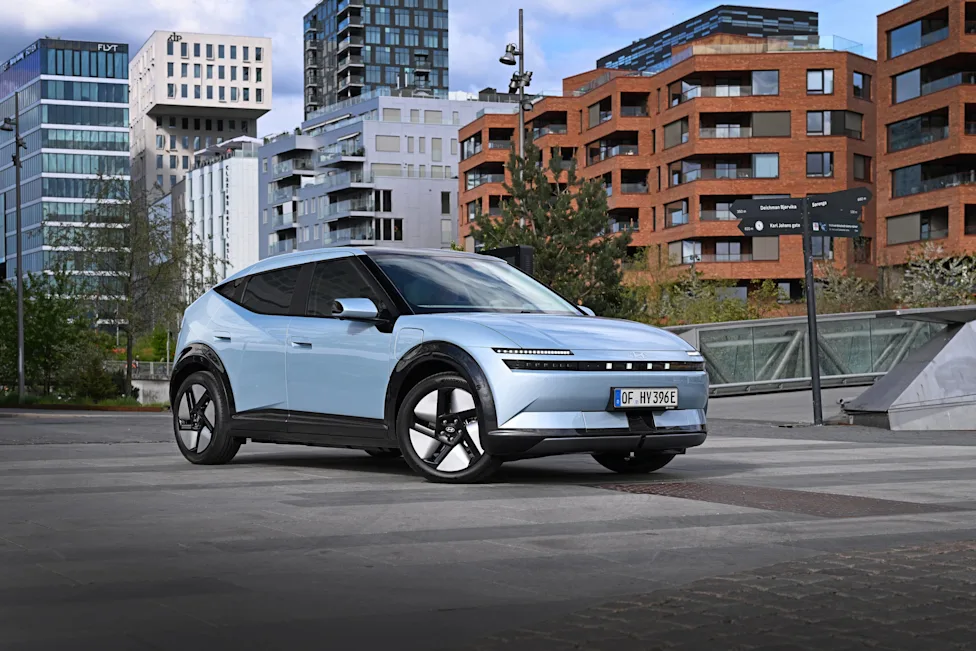
The short answer is: probably not. Given Hyundai's clear stance on not introducing the IONIQ 3 to the U.S. market, American consumers interested in a compact EV will have to look elsewhere. While the IONIQ 3 offers a compelling package for European buyers, the U.S. market is likely to continue seeing a preference for larger vehicles like the IONIQ 5 or other compact SUVs.
However, if you're in Europe and considering a budget-friendly electric vehicle, the IONIQ 3 is certainly worth your attention. Its combination of affordability, decent range, and modern tech features makes it an attractive option for those looking to enter the EV space without breaking the bank.
The Future of Hyundai in the U.S. EV Market
As Hyundai continues to expand its electric vehicle lineup, the focus remains on larger vehicles in the U.S. market. The company has committed to investing heavily in EV technology, including plans for new models and updates to existing ones. For example, the IONIQ 6 and IONIQ 7 are expected to offer American consumers even more options in the coming years.
While the IONIQ 3 may not be part of that lineup, its success in Europe could influence Hyundai's strategy in the U.S. market. If the demand for affordable EVs continues to grow, we might see a shift in Hyundai's approach, possibly leading to the introduction of a similar model tailored to American preferences in the future.
Production Insights: Why Turkey?
The choice to manufacture the IONIQ 3 in Turkey is significant for several reasons. Firstly, the Izmit plant has been a key facility for Hyundai for nearly three decades, producing various models for European markets. The recent investment of €250 million to convert a portion of the plant for electric vehicle production speaks volumes about Hyundai's commitment to the Turkish market.
Economic Benefits of Turkish Manufacturing
Turkey offers a range of economic advantages for automotive manufacturing, including lower labor and energy costs, a robust supplier network, and easy access to major markets. The Customs Union agreement with the EU allows vehicles produced in Turkey to enter European markets without the burden of import tariffs, creating a more favorable pricing structure.
This strategic decision not only helps Hyundai remain competitive in the European EV market but also positions Turkey as a growing hub for electric vehicle production. As global demand for EVs continues to rise, the ability to manufacture vehicles affordably and efficiently will be crucial for automakers looking to succeed.
Comparing IONIQ 3 to Competitors
Now, let’s roll into the competitive arena and see how the IONIQ 3 stacks up against its rivals. The Hyundai Ioniq 3, positioned as a sleek Aero Hatch, is not just a solo act; it’s got some formidable competitors in the volume EV market, including the Renault 5, Cupra Raval, and VW ID. Polo.
The Competition Breakdown
The Renault 5, for instance, is a nostalgic nod to the past, reimagined as an electric vehicle. It aims to attract buyers with its retro charm and practicality, much like the IONIQ 3. The Cupra Raval is all about sporty flair and performance, targeting those who want a dash of adrenaline with their eco-friendly ride. Meanwhile, the VW ID. Polo offers a blend of reliability and technology that Volkswagen is known for, making it a stiff competitor.
When it comes to battery specs, the IONIQ 3 features a 42-kWh battery that provides a range of 344 km (approximately 214 miles). In comparison, the Renault 5 starts at a lower price point, around €27,995, and offers a similar range, making it an attractive option for budget-conscious buyers. The Cupra Raval, with its sporty design, may appeal more to those who prioritize aesthetics and performance over price, while the VW ID. Polo combines familiar VW quality with modern electric capabilities.
Interior and Technology
Inside the IONIQ 3, you’ll find Hyundai Motor Group’s Pleos Connect infotainment system, which is a fancy way of saying it’s got a 9.9-inch driver instrument cluster that looks like it's straight out of a sci-fi movie. You can also opt for a 12.9- or 14.6-inch touchscreen, which is basically a tablet on your dashboard. The IONIQ 5, its bigger sibling, takes things up a notch with a more cohesive interior design, including electrically adjustable leg rests and a cargo volume of 18.4 cu. ft. It’s like comparing a cozy apartment to a spacious house; both are great options, but one offers a bit more room to stretch out.
Performance and Range
In terms of performance, the IONIQ 3 delivers a respectable 0-60 mph time of around 9.6 seconds, which might not impress the speed demons out there, but it’s more than adequate for city driving. The Renault 5 and VW ID. Polo are similarly specced, making them all contenders in the practical and accessible EV market. The Cupra Raval, however, might have the edge in terms of sporty performance, appealing to a different crowd altogether.
Customer Reviews and First Impressions
Now that we've compared the IONIQ 3 to its competitors, let’s get the scoop on what early adopters are saying about this electric hatchback. Reviews can be like a box of chocolates—sometimes you get the nutty one, sometimes it’s a sweet surprise.
Early Feedback and Praise
Initial impressions of the IONIQ 3 are largely positive. Many reviewers praise its stylish design, practical interior, and competitive pricing. One reviewer even mentioned, “The Ioniq 3 is shaping up to be a great small family EV. I love how it's distinctive, yet practical and fun.” Now, that’s a glowing endorsement! The blend of charm and sensibility seems to resonate well with potential buyers.
Range and Everyday Use
The IONIQ 3 offers a range of 214-308 miles depending on the model you choose, which is quite respectable for a compact EV. Early testers have noted that this range makes it a suitable choice for family use, as well as for those who regularly commute. However, some critiques have emerged regarding rear passenger space, with a few early adopters noting that it might feel a bit cramped compared to others in its class.
Performance Insights
When it comes to performance, the feedback suggests that while the acceleration won’t blow you away, the IONIQ 3 feels lively. Early drivers report that the instant torque from the electric motor makes city driving a breeze. However, the ride comfort and steering feedback have received mixed reviews; some find it responsive, while others think it could use a bit more pizzazz.
Overall Satisfaction
Overall, the IONIQ 3 seems to be winning hearts with its practicality paired with a dash of flair. Users appreciate how Hyundai has crafted an EV that is not just about going green but doing so stylishly. As one reviewer put it, “It’s charming yet sensible. And that’s a great combination, isn’t it?!”
Conclusion: A Game Changer for Affordable EVs
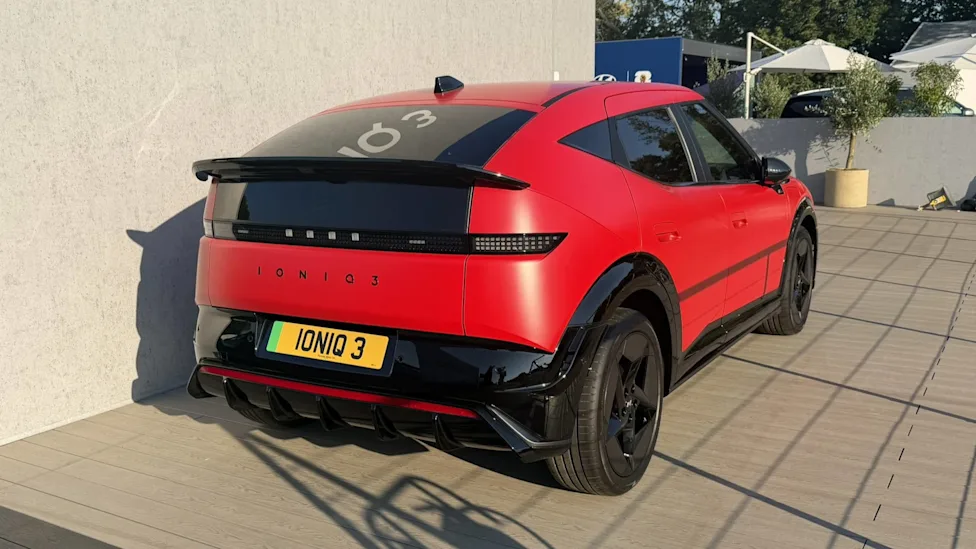
Hyundai's IONIQ 3 represents a significant step forward in the quest for affordable electric vehicles in Europe. By leveraging its Turkish manufacturing base, the company has managed to offer a compelling product at a price point that many consumers can afford. While American buyers will have to wait for other options, the IONIQ 3 could set a new standard for budget-friendly EVs in Europe.
As the automotive landscape continues to evolve, it’s clear that the demand for affordable electric vehicles is here to stay. Hyundai’s strategic decisions in production and pricing reflect a keen understanding of market dynamics, positioning the IONIQ 3 as a serious contender in the growing EV market. Whether you're in Europe or elsewhere, the arrival of the IONIQ 3 signals a promising future for budget-conscious EV buyers.
With the IONIQ 3 now in production and orders open, potential buyers in Europe have a lot to look forward to. For those in the U.S., however, the wait continues for a compact EV that meets their needs. Keep an eye on Hyundai’s future offerings, as they may eventually bring a similar model stateside.
Newsletter
Get the morning gadget briefing
A short recap of the stories that actually matter — phones, AI, EVs, and the rest — in your inbox.
No spam. We’ll only send the briefing.
Keep reading
Read next
More in Hyundai & Kia EV
Continue
 EV
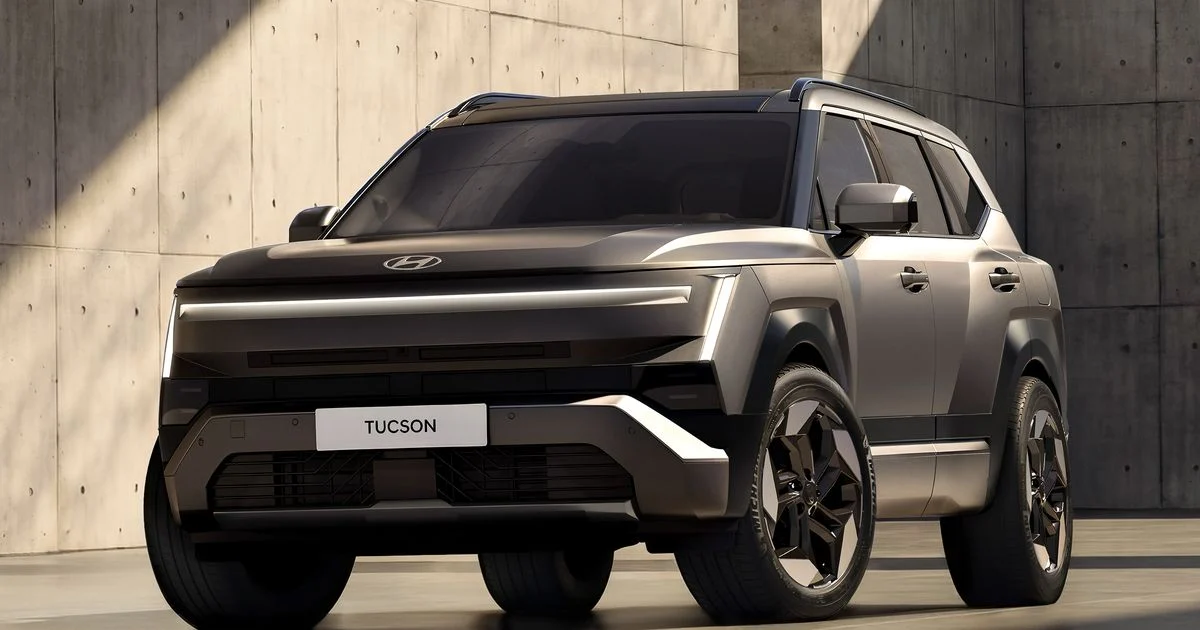
EV2027 Hyundai Tucson Revealed: New Design, Features, Price and Release Date
The 2027 Hyundai Tucson brings a bold new design and advanced technology, ready to compete in the compact SUV market. Here’s what you need to know about its features, pricing, and expected release date.
Aug 19, 2026


Comments (0)
Keep it civil. Anyone can reply. Edit and delete stay on this browser after refresh.
No comments yet. Start the conversation.