
Before You Buy a Second-Hand EV: 7 Things Every Buyer Should Check
Before purchasing a used electric vehicle, ensure you check these seven essential aspects to make an informed decision and avoid costly mistakes.

Before You Buy a Second-Hand EV: 7 Things Every Buyer Should Check
The electric vehicle (EV) market has matured rapidly, with second-hand EVs becoming increasingly popular among budget-conscious buyers looking to go green. However, purchasing a pre-owned electric car isn't quite the same as buying a traditional gasoline-powered vehicle. For one, battery life and health can significantly impact the vehicle's performance and resale value. In this guide, we’ll outline seven crucial checks to perform before you hand over your hard-earned cash for a used EV.
The Importance of Battery Health
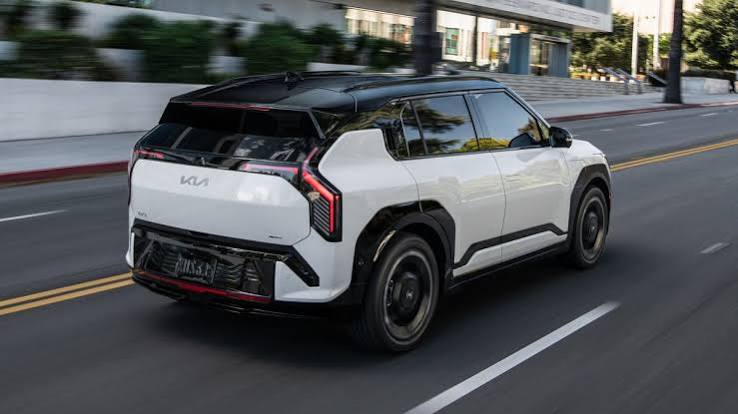
Battery health is arguably the most critical aspect to assess when considering a second-hand EV. Unlike conventional vehicles, the heart of an electric car is its battery pack, and its condition can dictate everything from driving range to performance.
Remaining Battery Warranty
Most EV manufacturers offer a battery warranty that typically spans around eight years or 100,000 miles. This warranty can provide peace of mind, but it's essential to check how much of it remains. If you’re considering a used vehicle, ask the seller for documentation that proves the remaining warranty. If the warranty is close to expiration, you may want to reconsider or negotiate a lower price to account for potential future battery replacement costs.
According to the U.S. Department of Energy, while many EV batteries can last the lifespan of the vehicle, this longevity can depend on various factors, including charging habits, climate conditions, and how the vehicle has been driven. Therefore, a vehicle with a well-documented history of careful usage may be more desirable than one without.
Battery Health Report
Many manufacturers provide a battery health report, which gives insight into the state of the battery. This report typically details the battery's capacity and its efficiency compared to its original state. Ask the seller for this report if it's available. If the vehicle is equipped with onboard diagnostics, you may also be able to check the battery health directly through the infotainment system.
This report can be a game-changer; if the battery's capacity has dropped significantly, you might be looking at a more expensive replacement sooner than you'd like. Remember, a new battery can cost anywhere from $5,000 to upwards of $15,000, depending on the make and model of the vehicle.
Service and Recall History
Like any vehicle, a used EV’s reliability can depend on how well it has been maintained. This is where service records come into play.
Check for Recalls
Before finalizing your purchase, verify whether the vehicle has any outstanding recalls. You can usually find this information on the National Highway Traffic Safety Administration (NHTSA) website or through the manufacturer's website. Recalls are essential to address safety issues or defects that could affect the vehicle's performance.
In Europe, you can also refer to the EU digital car passport, which provides a transparent record of the vehicle's official details. This passport includes information about any recalls that have been performed on the vehicle, ensuring that you are fully informed before you buy.
Maintenance Records
A comprehensive maintenance history can indicate how the previous owner treated the vehicle. If the car has been neglected, it could lead to costly repairs down the line.
Charging Compatibility

Charging infrastructure is vital for any EV. Before you buy, ensure that the vehicle can charge at the stations available in your area.
AC vs. DC Charging
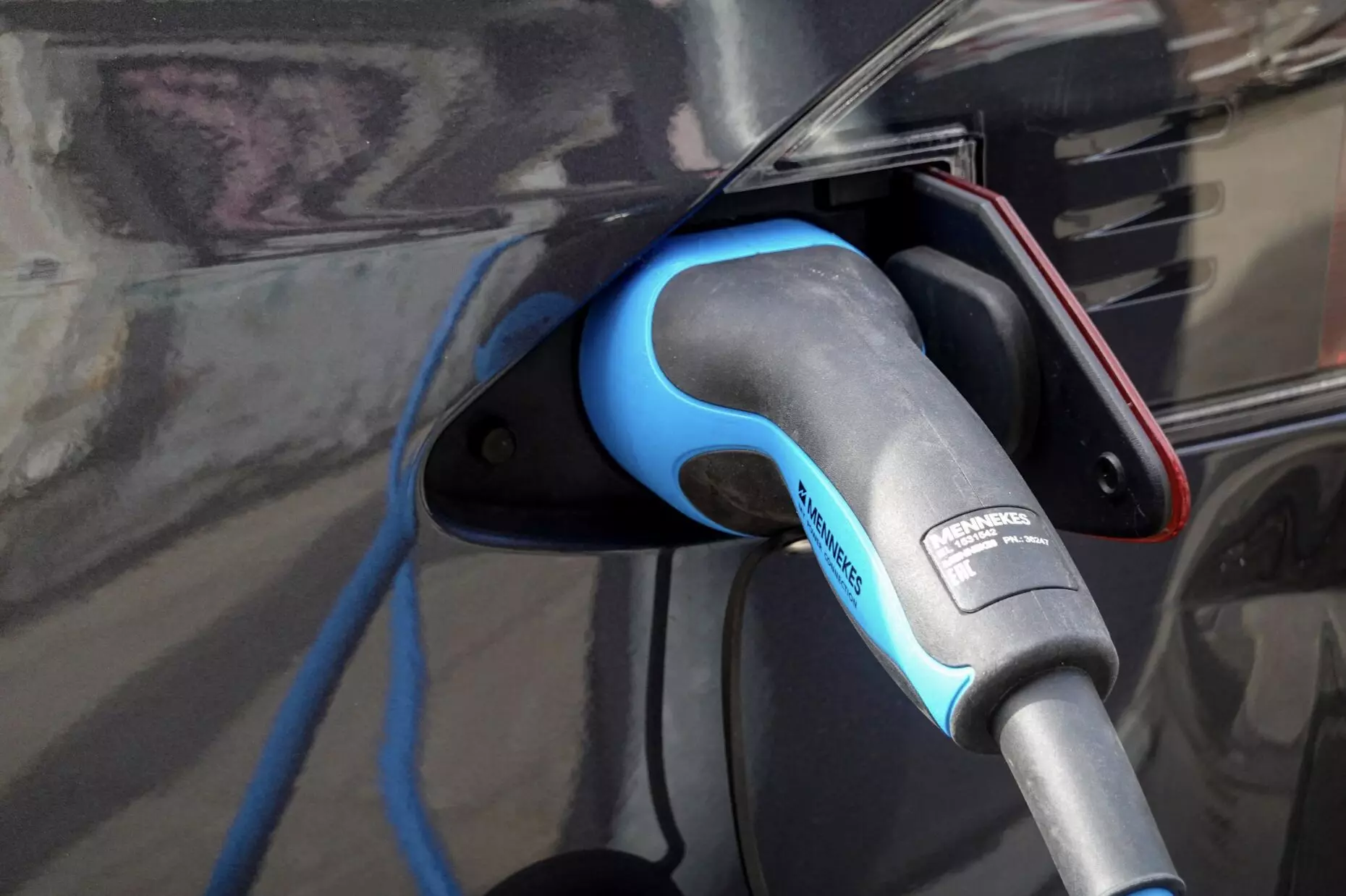
Electric vehicles can typically charge in two ways: AC (Alternating Current) and DC (Direct Current). AC charging is generally slower but is widely available in home chargers and public stations. DC fast chargers, on the other hand, offer rapid charging capabilities and are crucial for long journeys.
Check the vehicle's compatibility with local charging networks. Some EVs may require specific adapters or may not be compatible with certain fast chargers. Being aware of this can save you a lot of hassle and ensure that you can charge the vehicle conveniently.
Charging Speed
While considering charging options, also take note of the charging speed. Some EVs can charge from 0% to 80% in under an hour at a DC fast charger, while others may take significantly longer. Understanding the charging capabilities can help you assess whether the vehicle meets your daily needs.
Total Ownership Costs
While the purchase price is significant, the total cost of ownership is something that often gets overlooked.
Insurance and Registration
Insurance for EVs can vary widely depending on the model and age of the vehicle. It's a good idea to get insurance quotes before buying to ensure that you can afford the coverage you'll need. Additionally, consider registration fees, which can differ based on the state or region.
Charging Costs
Electricity costs can vary significantly depending on where you live. If you have the option to charge at home, calculate what your monthly charging costs might be. For those who primarily rely on public chargers, it’s worth investigating the available plans and pricing.
Maintenance Costs
While EVs generally have lower maintenance costs due to fewer moving parts, they still require regular servicing. Check if the vehicle has any outstanding maintenance needs and factor those costs into your budget.
Manufacturer Repair Policies
Not all manufacturers have the same policies regarding battery repairs. Some may allow individual battery module repairs, while others require the entire pack to be replaced, which can be a costly affair.
Repairability
Investigate whether the manufacturer provides parts for out-of-warranty repairs. If the vehicle requires a battery replacement, knowing whether you can replace just a module or if you need to replace the entire battery pack can significantly affect your budget.
Availability of Parts
Check if parts for the specific model are readily available. If the brand is less common, it may be harder to find replacement parts, which could lead to longer repair times and higher costs.
The EU Digital Car Passport
For buyers in Europe, the new EU digital car passport is a fantastic tool that enhances transparency in the second-hand EV market.
What It Provides
The EU digital car passport offers a standardized file of official data that follows the vehicle for two decades. This includes emissions, consumption, and range figures, all accessible via a QR code. This level of transparency is particularly beneficial for used EV buyers, as it helps you understand the vehicle's official specifications.
Limitations
However, it's crucial to remember that the passport reflects the vehicle's certified range when new, not its current battery health. While it does provide valuable information, you should still rely on the vehicle's onboard diagnostics for the latest battery performance data.
Pricing and Market Positioning
Understanding the pricing landscape of used EVs can be a little like navigating a minefield—one wrong step and you could end up paying more than you bargained for. The used EV market is not just influenced by the vehicle’s condition but also by the broader competitive landscape.
Second-Hand EV Prices in Context
As of June 2023, the average price of a 1- to 5-year-old used EV reached $33,305, reflecting a 7.4% increase from the previous year. The 2023 Tesla Model 3 and the 2025 Toyota RAV4 have emerged as fast movers in the used market. This price point may seem daunting, but it’s worth noting that in the UK, you can find used EVs starting at around £2,500, with models like the Nissan Leaf, Tesla Model 3, and Fiat 500e leading the charge.
Competitive Comparisons
When considering your options, it helps to know how a particular model stacks up against competitors. For instance, if you're eyeing a used Tesla Model 3, you might want to compare it with the 2025 Toyota RAV4. While both vehicles offer unique features, the Tesla may come with a higher price tag due to its brand reputation and advanced technology. Thus, if you find a RAV4 at a significantly lower price, it might just be the more economical choice for your wallet.
It’s also prudent to consider the Hyundai Ioniq 5, which has been making waves in the market. Its competitive pricing and impressive features often place it in direct competition with Tesla's offerings. If you can snag an Ioniq 5 at a lower price point, you may find it offers similar or even superior value compared to a used Tesla.
Factors Influencing Price Trends
The pricing of used EVs can also be influenced by several external factors, including the rising demand for more affordable vehicles as new car prices hover around the $50,000 mark. As consumers increasingly turn to used EVs for budget-friendly options, it’s crucial to monitor these trends to make an informed purchasing decision.
For example, with the 2023 Tesla Model 3 leading the charge, it’s clear that brand recognition plays a massive role in pricing. If you can find a less popular brand with similar features at a lower price, you might just score an excellent deal.
Manufacturing Supply Chain Insights
The EV market is not just about shiny new vehicles and eco-friendly technology; it’s also deeply intertwined with global manufacturing and supply chain dynamics. Understanding these factors can help you navigate the second-hand EV market more effectively.
Impact of Supply Chain Issues
Manufacturing and supply chain disruptions have been wreaking havoc in the automotive industry, leading to reduced availability and increased pricing of second-hand EVs. As production slows and new EV prices rise, the demand for used EVs skyrockets. This phenomenon has driven prices up—making it imperative for buyers to stay informed about the broader supply chain landscape.
For instance, the pandemic showcased just how fragile global supply chains can be. With semiconductor shortages affecting production across all vehicle types, the delays in new EVs made used models much more appealing, driving prices upwards.
Raw Material Shortages
The supply chain for EVs is uniquely vulnerable because it relies heavily on specific raw materials, including cobalt and lithium. Shortages of these materials can lead to production delays and, consequently, fewer new EVs hitting the market. With fewer new models available, buyers naturally turn to the second-hand market, inflating prices further.
Current trends indicate that the demand for EV batteries—largely dependent on these materials—will only increase, putting additional pressure on prices. If you're considering a used EV, it’s worth keeping an eye on the news regarding these materials, as any disruption could affect the resale value of your potential purchase.
Market Dynamics and Future Implications
As the demand for electric vehicles continues to rise, and emissions regulations tighten, the dynamics of the used EV market are likely to evolve. Stricter regulations on internal combustion engine vehicles could lead to increased demand for used EVs, making them a hot commodity. As manufacturing stabilizes and supply chains recover, we may see more predictable depreciation patterns in the future, making it a potentially less risky investment.
In summary, being aware of manufacturing and supply chain factors can help you make a more informed decision when buying a second-hand EV. The landscape is ever-changing, so staying updated on these trends is crucial for anyone looking to enter the market.
By taking the time to understand these aspects of the market, from pricing and competition to supply chain dynamics, you'll be better equipped to make a savvy purchase. Whether you're looking for a budget-friendly option or a premium model, the second-hand EV market has something for everyone. Happy hunting!
Newsletter
Get the morning gadget briefing
A short recap of the stories that actually matter — phones, AI, EVs, and the rest — in your inbox.
No spam. We’ll only send the briefing.
Keep reading
Read next
More in Other
Continue
 EV
EVThe Gulf Oil Shock Is Pushing E.V. Sales to New Heights Globally
As global oil prices soar due to geopolitical tensions, electric vehicle sales are experiencing a historic surge, reshaping the automotive landscape and driving a shift towards sustainable transportation.
Aug 22, 2026

Comments (0)
Keep it civil. Anyone can reply. Edit and delete stay on this browser after refresh.
No comments yet. Start the conversation.