
Saudi-Backed Lucid vs Amazon-Backed Rivian: Two Very Different Paths to EV Survival
Rivian and Lucid, two prominent electric vehicle manufacturers, are navigating the EV market with distinct strategies, shaped by their backers, Amazon and Saudi Arabia, respectively.
By Rowan Vega · Updated August 16, 2026 at 2:24 PM
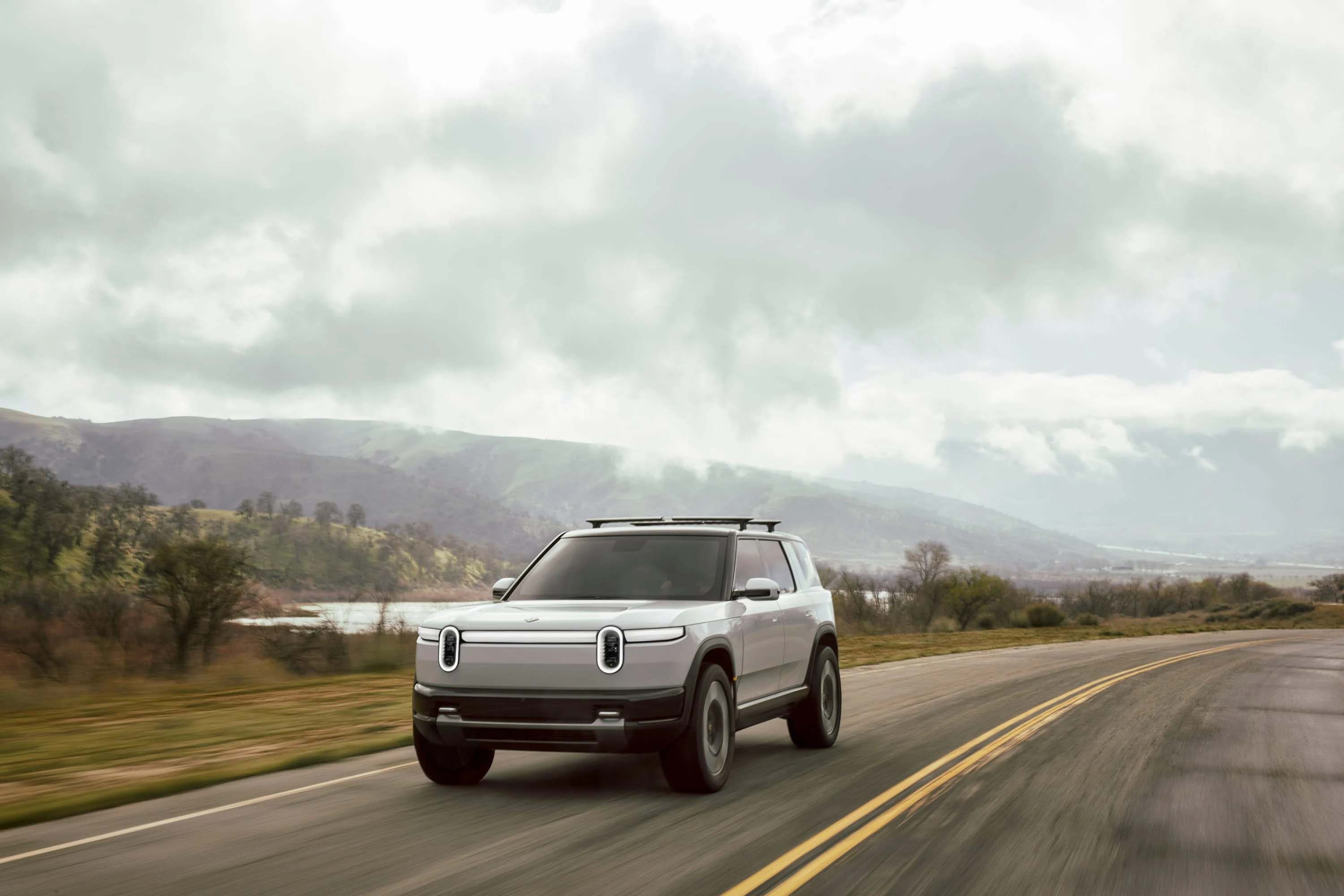
Introduction to the EV Market
The electric vehicle (EV) market has witnessed significant growth in recent years, driven by increasing consumer demand for sustainable transportation options. Among the key players in this market are Rivian and Lucid, two companies that have garnered attention for their innovative approaches to EV manufacturing. Rivian, backed by Amazon, and Lucid, supported by Saudi Arabia's Public Investment Fund, are pursuing different paths to achieve success in the competitive EV landscape.
Rivian's Focus on Cost Efficiency and New Model Launches
Rivian has made notable progress in improving its gross profitability, primarily through enhanced unit economics and cost reductions. This strategic focus has enabled the company to differentiate itself from its competitors, including Lucid. Rivian's consistent improvement in profitability is a testament to its commitment to operational efficiency. Furthermore, the company is investing in the development of new models, which is expected to contribute to its long-term growth and competitiveness in the EV market.
Lucid's Challenges and Reset
In contrast, Lucid has faced significant challenges, including struggles with profitability and the consequences of overproducing its Gravity SUV. These issues have led to workforce reductions and a reset in the company's leadership. Lucid's new CEO, Silvio Napoli, has acknowledged the company's shortcomings, including the launch of cars before they were ready and the failure to meet customer expectations. Napoli has committed to refining Lucid's upcoming Cosmos midsize SUV and addressing production delays, which are critical steps towards restoring the company's momentum in the EV market.
Direct Sales and the EV Market
The EV market is witnessing a shift towards direct-to-consumer sales, with companies like Tesla, Rivian, and Lucid advocating for this approach. Direct sales are expected to create a more streamlined buying experience, with transparent pricing and closer integration between sales, software, and aftersales support. This trend is likely to influence the competitive dynamics of the EV market, as manufacturers adapt to changing consumer preferences and regulatory requirements.
Comparison of Rivian and Lucid's Strategies
A comparison of Rivian and Lucid's strategies reveals distinct approaches to achieving success in the EV market. Rivian's emphasis on cost efficiency and new model launches is designed to drive growth and competitiveness. In contrast, Lucid is focusing on refining its products and addressing production delays, which are essential for restoring customer trust and confidence in the brand. The different paths chosen by these companies reflect their unique strengths, weaknesses, and market positions, as well as the influence of their backers, Amazon and Saudi Arabia.
Conclusion and Future Outlook
The EV market is poised for continued growth, driven by increasing demand for sustainable transportation options. Rivian and Lucid, as key players in this market, will need to navigate the challenges and opportunities that lie ahead. Their ability to adapt to changing consumer preferences, regulatory requirements, and competitive dynamics will be crucial in determining their long-term success. As the EV landscape evolves, it will be essential to monitor the progress of Rivian and Lucid, as well as other manufacturers, to understand the implications of their strategies for the future of the industry.
The EV market is at a critical juncture, with manufacturers facing significant challenges and opportunities. The paths chosen by Rivian and Lucid will have important implications for their competitiveness and long-term success.
Final Thoughts
The competition between Rivian and Lucid serves as a reminder of the intense rivalry in the EV market. As these companies continue to innovate and adapt to changing market conditions, they will need to balance their strategic priorities with the evolving needs and expectations of their customers. The outcome of this competition will have significant implications for the future of the EV industry, shaping the trajectory of sustainable transportation and the role of electric vehicles in the global automotive market.