Rivian's 1.99% APR Deal Ends This Month — Is It Actually a Good Offer?
After a swift flip from 0.99% to 1.99%, Rivian’s latest financing terms for the R1 Tri are heating up the conversation among buyers and enthusiasts alike.
By Devon Price · Updated August 16, 2026 at 1:09 PM
A Quick Recap of Rivian’s Finance Timeline
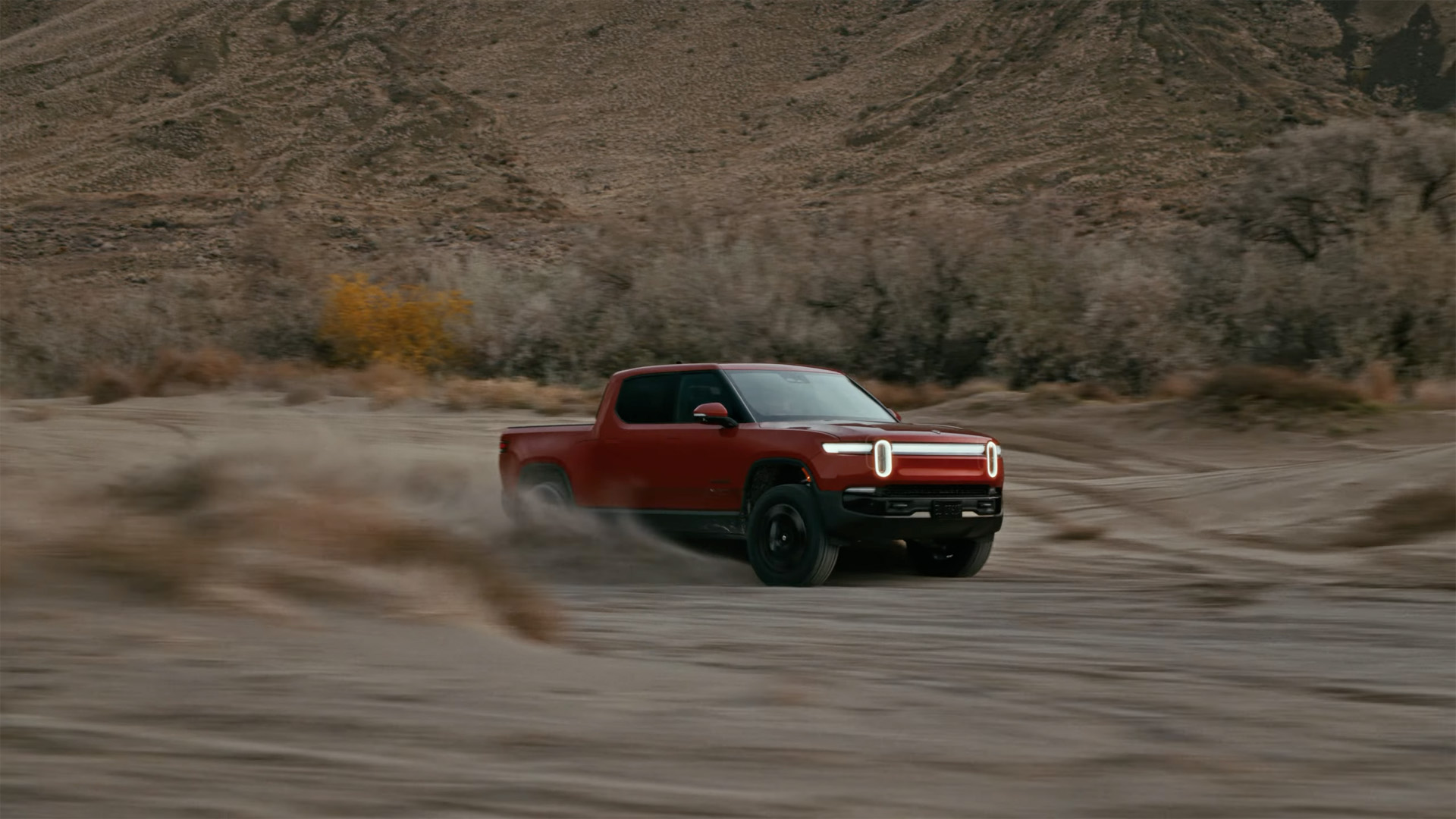
Rivian’s official offers page shows a dramatic shift: the R1 Tri’s new‑vehicle financing has been lifted from 0.99% APR to 1.99% APR, effective July 31. That rate, which applies to the 2026 R1 Tri with a 60‑month term, follows a brief period earlier in the month when Rivian announced a 0.99% headline rate as part of a push to move inventory.
In the span of a single month, the company swung from a near‑zero rate to a modestly higher one, reflecting a broader strategy to tighten financing terms and prepare for the upcoming 2027 model year.
The 1.99% APR is a temporary offer, slated to expire at the end of July. Rivian has not confirmed whether similar rates will carry over to the 2027 vehicles.
Why the Rate Rises?
Inventory Management
Rivian has been working to clear out 2026 R1 Tri stock that hasn’t sold at the expected pace. By offering a low‑APR deal, the automaker aimed to entice buyers without compromising profitability. When that window closed, the company adjusted the rate upward to sustain revenue streams while still keeping the offer competitive.
Upcoming Model‑Year Adjustments
With the 2027 R1 S and R1 T on the horizon, Rivian is expected to introduce new battery options and software updates. These changes will inevitably affect cost structures. Raising the APR can help offset any price increases or the cost of new features that buyers will eventually receive.
Market‑Driven Forces
Interest rates in the broader economy have been shifting. While the Federal Reserve’s actions affect the cost of capital, Rivian’s internal cost of capital and the value of its used‑vehicle inventory also influence the final APR it can offer.
Is 1.99% Still a Deal Worth Considering?
The Numbers
A 1.99% APR on a $65,000 vehicle over 60 months translates to roughly $1,200 in interest, or $20 per month in added cost versus a 0.99% APR. For a buyer eyeing a R1 Tri with an estimated monthly payment of $1,200, the difference might seem negligible, but it does affect total ownership cost.
Buyer Flexibility
Rivian’s financing terms still include a 10% down‑payment requirement, a 60‑month term, and the option to trade in a used vehicle. Those factors may outweigh the modest interest bump for buyers who prioritize a short financing period and a predictable payment schedule.
Competitor Landscape
Other EV makers—Tesla, Ford, GM—often offer zero‑percent or sub‑one‑percent financing for a limited window. In that context, Rivian’s 1.99% is competitive, especially when coupled with the brand’s off‑road pedigree and unique feature set.
What’s Next for Rivian?
2027 R1 S & R1 T Pricing
While Rivian has yet to confirm if the 1.99% APR will apply to the 2027 vehicles, speculation suggests that the new models may carry a higher base price. If so, a comparable financing rate could keep Rivian’s overall cost of ownership in line with its competitors.
California Rebate Shift
In July, Rivian also moved the California rebate to cover the 2026 R1 S and R1 T models, a change that further underscores the company’s intent to adjust incentives as the 2027 line rolls out.
Bottom Line
The 1.99% APR is a short‑lived window, but it remains a viable option for buyers looking to purchase a 2026 R1 Tri before the rate expires. Prospective owners should weigh the modest interest increase against the vehicle’s features, the brand’s unique capabilities, and the potential for similar offers on future models.
If you’re interested in the 2027 R1 S or R1 T, keep an eye on Rivian’s announcements—there may be a different rate structure in place when the new cars hit the showroom floor.