
Computing/More from Computing/Other
Understanding Starlink's 1TB Priority Data Cap
Exploring the implications of Starlink's data cap on user experience and network performance
By Lennox Pike · Updated August 16, 2026 at 5:20 PM

Introduction to Starlink's Data Cap
Starlink, a satellite internet constellation operated by SpaceX, has been making waves in the telecommunications industry with its promise of high-speed, low-latency internet access. However, like many other internet service providers, Starlink has implemented a data cap on its residential plans. The 1TB priority data cap has raised questions among users about what happens when they hit this limit and how it affects their internet experience.
What is the 1TB Priority Data Cap?
The 1TB priority data cap is not a hard limit, but rather a deprioritization mechanism. When a user exceeds the 1TB threshold, their internet speeds may be reduced to ensure fair usage for all customers during periods of congestion. This deprioritization is designed to maintain overall network performance for all users. According to Starlink, this approach is necessary to prevent a small number of heavy users from impacting the experience of others.
Impact on User Experience
The impact of the 1TB priority data cap on user experience can vary depending on individual usage patterns. For light to moderate users, the data cap is unlikely to have a significant impact. However, heavy users who exceed the 1TB threshold may experience reduced speeds, which can affect activities like online gaming, video streaming, and large file transfers. It's worth noting that Starlink's speeds are still relatively fast, even after deprioritization, with some users reporting speeds of up to 200 Mbps.
Comparison with Other Internet Service Providers
Starlink's data cap is relatively generous compared to some other internet service providers. For example, some cellular companies have implemented data caps as low as 10 GB per month. However, other providers offer truly unlimited data plans with no deprioritization. The key difference with Starlink is that its data cap is designed to prioritize network performance during periods of congestion, rather than simply limiting data usage.
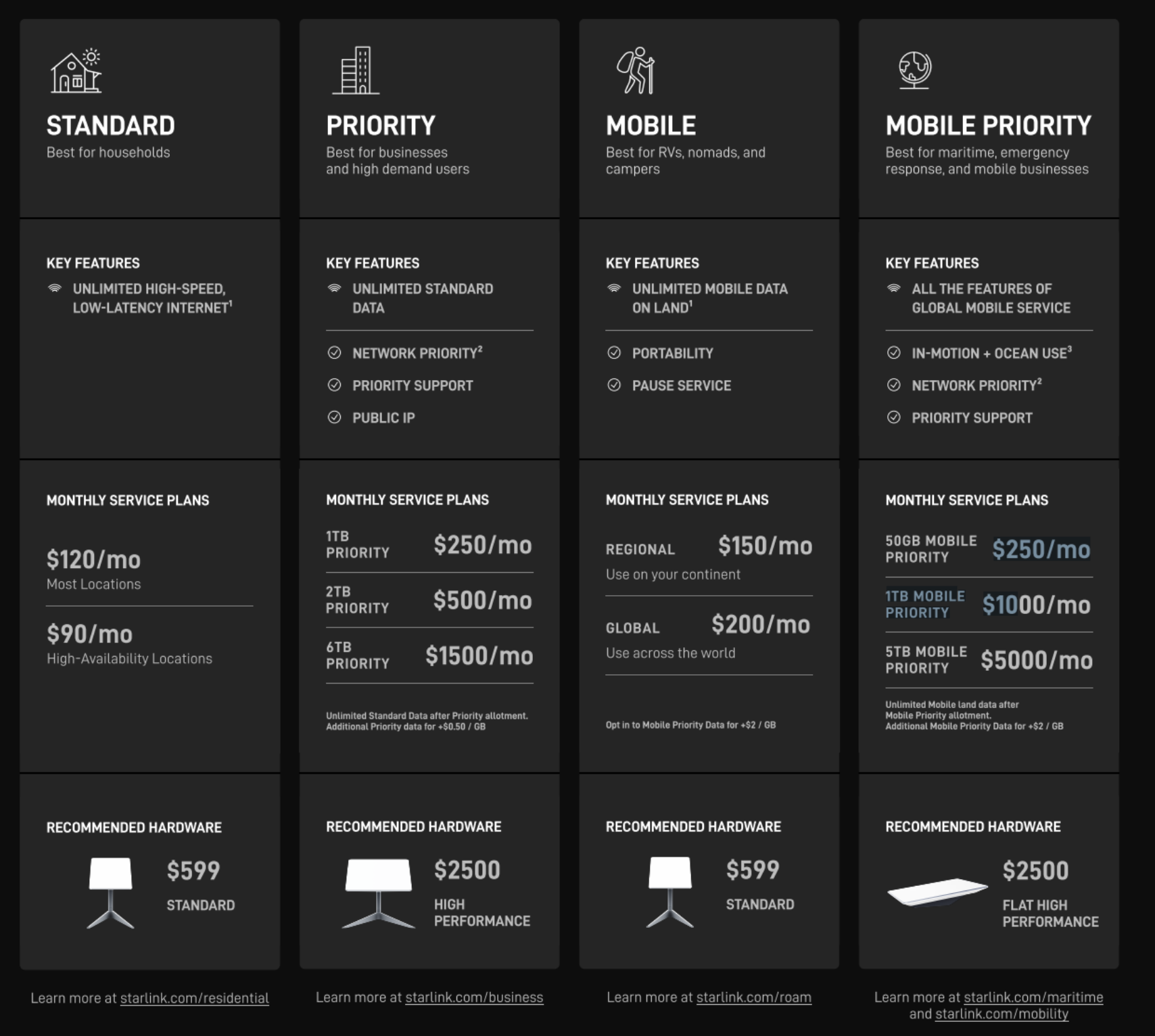
Changes to Starlink's Plans and Pricing
Recently, Starlink announced changes to its plans and pricing, including the discontinuation of unlimited Global Roam and the introduction of metered Global Priority plans. These changes have raised concerns among some users, who feel that the new plans may not offer the same level of flexibility and value as the previous unlimited plans. However, Starlink argues that the changes are necessary to ensure the long-term sustainability of its network and to provide a better experience for all users.
Conclusion
In conclusion, Starlink's 1TB priority data cap is a necessary mechanism to ensure fair usage and maintain network performance. While it may have an impact on heavy users, the cap is relatively generous compared to other providers. As the satellite internet industry continues to evolve, it will be interesting to see how Starlink's data cap and pricing plans change in response to user needs and market pressures.
The future of satellite internet is exciting, with many providers investing in new technologies and infrastructure. As users, it's essential to understand the implications of data caps and pricing plans on our internet experience.
Final Thoughts
As we look to the future of satellite internet, it's clear that data caps and pricing plans will play a critical role in shaping the user experience. While Starlink's 1TB priority data cap may seem restrictive to some, it's a necessary step to ensure that all users have access to fast and reliable internet. As the demand for satellite internet continues to grow, we can expect to see further innovations and changes in the industry.