
Computing/More from Computing/Other
AI Data Centers Are Eating the World's Memory Supply — And Your Next PC Is Paying for It
The surge in AI-driven data center buildouts has led to a sharp rise in memory prices and scarcity, affecting not just PCs but also SSDs, gaming consoles, smartphones, and other devices
By Lennox Pike · Updated August 16, 2026 at 5:03 PM
Introduction to the Memory Crisis
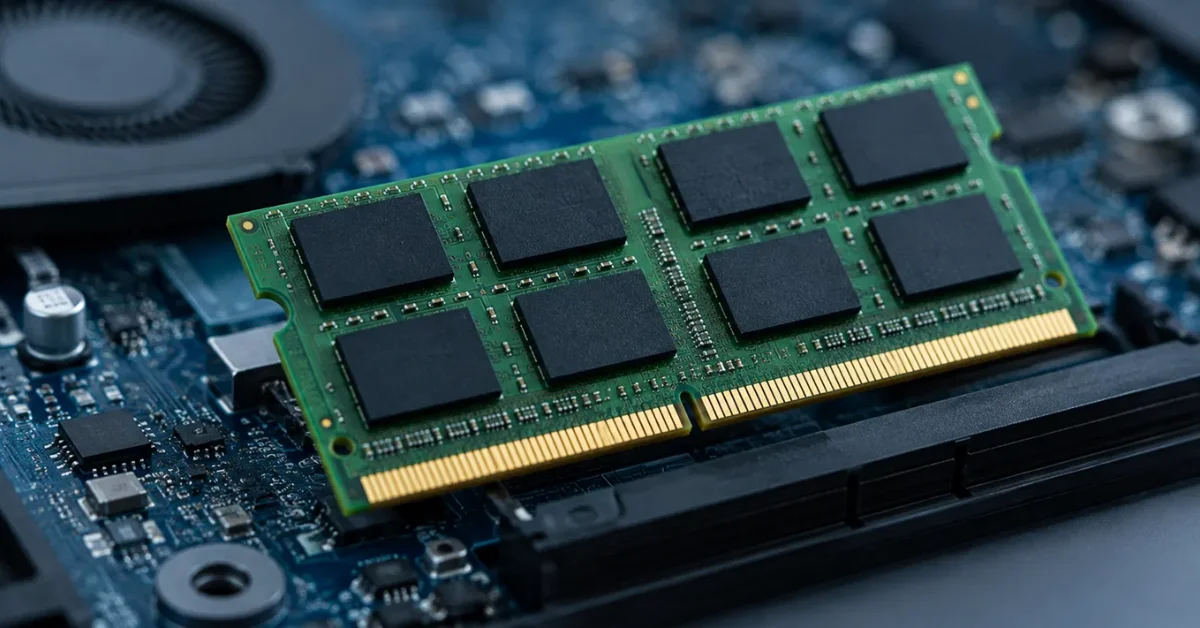
The world is in the midst of a memory crisis, and it's not just about your PC's RAM. The surge in AI-driven data center buildouts has led to a sharp rise in memory prices and scarcity, affecting not just PCs but also SSDs, gaming consoles, smartphones, and other devices. This crisis is primarily driven by the increasing demand for memory from AI data centers, which has tripled DRAM costs over the past 18 months.
The Impact on the Tech Industry
The memory shortage has significant implications for the tech industry. Companies like Nvidia are adjusting their designs due to memory supply constraints, testing lower memory configurations for their products. For instance, Nvidia's upcoming Rubin Ultra accelerator is being tested with less memory due to concerns about sourcing enough HBM. Some versions include just 192 GB of memory and use HBM4 instead of HBM4E, as originally announced.
According to Gartner, combined DRAM and SSD prices could rise 130% by the end of 2026, leading to a 17% jump in average PC prices and a 10.4% drop in global PC shipments. This surge in memory prices is not just a short-term issue; it's a long-term problem that will affect the entire tech industry.
The Role of Chinese Memory Chips
Chinese memory chips are playing a significant role in addressing the memory shortage. Companies like CXMT are supplying memory chips to PC makers, including HP, Asus, and Acer. These chips are being used in laptops, mostly outside the United States, and in small quantities. While the use of Chinese memory chips raises security concerns, it's a temporary solution to the memory shortage.

The Effect on Consumers
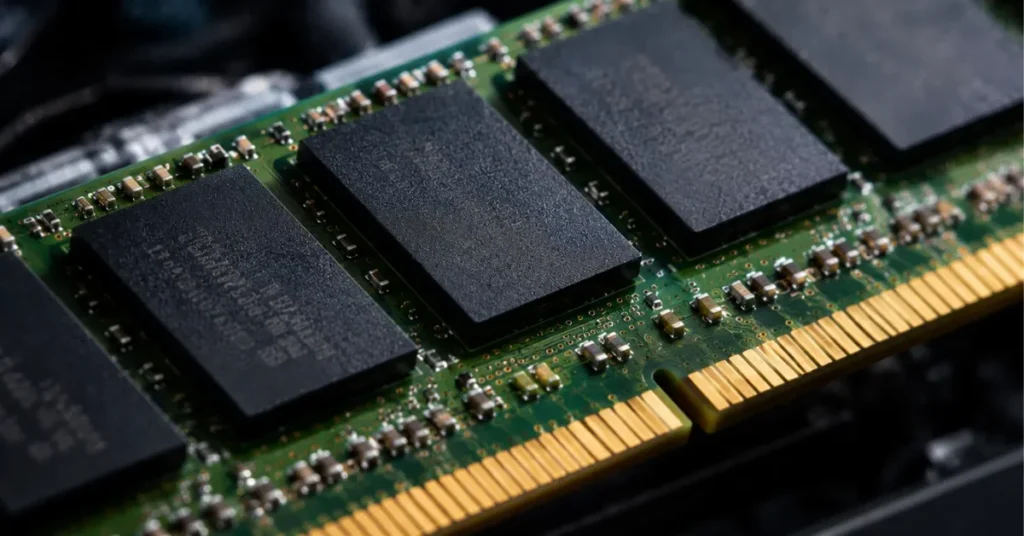
The memory shortage has significant implications for consumers. With memory prices rising, the cost of PCs, smartphones, and other devices will increase. Consumers may have to pay more for devices with lower memory configurations or opt for devices with lower performance. Furthermore, the memory shortage may lead to a decrease in the availability of certain devices, making it harder for consumers to purchase the devices they need.
The price increases are beginning to affect consumer electronics manufacturers as companies including Meta, Microsoft, and Google parent Alphabet commit to long-term agreements that secure memory supplies for their expanding AI data centers.
Conclusion
The memory crisis is a complex issue that affects the entire tech industry. The surge in AI-driven data center buildouts has led to a sharp rise in memory prices and scarcity, affecting not just PCs but also SSDs, gaming consoles, smartphones, and other devices. While companies are adjusting their designs and exploring alternative solutions, the memory shortage is a long-term problem that will require significant investments in memory production and research into new memory technologies.
As the demand for memory continues to grow, driven by the increasing adoption of AI and other emerging technologies, the tech industry must find ways to address the memory shortage. This may involve investing in new memory technologies, such as phase-change memory or spin-transfer torque magnetic recording, or exploring alternative solutions, such as using storage-class memory or developing new memory architectures. Ultimately, the memory crisis is an opportunity for the tech industry to innovate and develop new solutions that will drive growth and advancement in the years to come.