
Computing/More from Computing/Other
Starlink vs Fiber vs Cable: The Real Cost Per Mbps in 2026
A comprehensive comparison of internet service providers, exploring the cost per Mbps of Starlink, fiber, and cable in 2026
By Nico Barrett · Updated August 16, 2026 at 5:20 PM
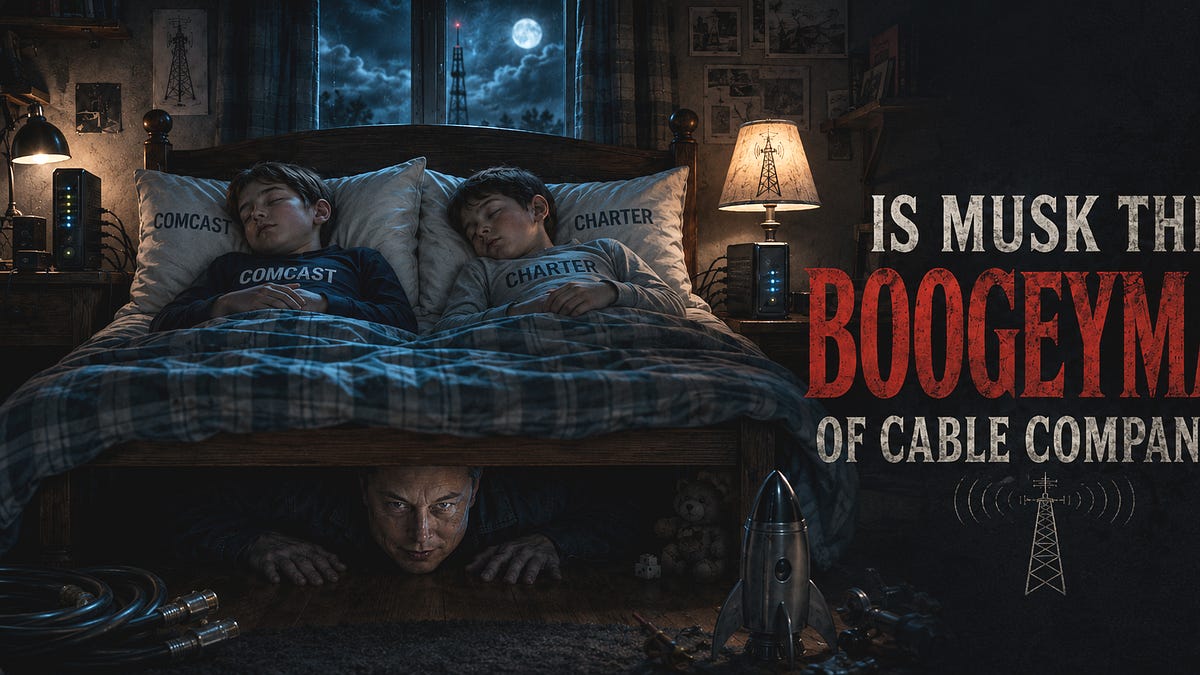
Introduction to Internet Service Providers
The internet service provider (ISP) landscape has evolved significantly over the years, with various technologies emerging to cater to the growing demand for high-speed internet. Among these, Starlink, fiber, and cable have been at the forefront, each with its unique strengths and weaknesses. This article delves into the cost per Mbps of these ISPs, providing an in-depth analysis of their pricing models, speeds, and overall value proposition.
Starlink: The Satellite-Based ISP
Starlink, a subsidiary of SpaceX, has been making waves in the ISP market with its satellite-based internet service. Offering speeds of up to 200 Mbps, Starlink has been particularly attractive to rural areas where traditional ISPs have struggled to provide reliable connectivity. However, its pricing model has been a subject of debate, with some critics arguing that it is too expensive for the average consumer. As of 2026, Starlink's cost per Mbps is around $0.27, which is competitive in rural areas but may not be the best value in urban areas where fiber and cable are readily available.
Fiber: The Gold Standard of ISPs
Fiber-optic internet has long been considered the gold standard of ISPs, offering blazing-fast speeds of up to 8 Gbps. With its synchronous download and upload speeds, fiber is ideal for heavy internet users, including gamers, streamers, and businesses. The cost per Mbps of fiber is significantly lower than Starlink, with prices starting at around $0.06 per Mbps. However, the availability of fiber is limited to areas with existing infrastructure, making it less accessible to rural communities.
Cable: The Traditional ISP
Cable internet has been around for decades and remains a popular choice for many consumers. While its speeds may not be as fast as fiber, cable is generally more affordable and widely available. The cost per Mbps of cable is around $0.15, which is lower than Starlink but higher than fiber. However, cable's market share has been declining in recent years due to the rise of fiber and fixed wireless ISPs.
Comparison of ISPs
When comparing the cost per Mbps of Starlink, fiber, and cable, it becomes clear that each has its strengths and weaknesses. Starlink excels in rural areas where its satellite-based technology can provide high-speed internet, but its pricing model may not be the best value in urban areas. Fiber, on the other hand, offers the fastest speeds and lowest cost per Mbps but is limited by its availability. Cable remains a strong contender in suburban areas, but its market share is declining due to competition from fiber and fixed wireless.
Conclusion
In conclusion, the cost per Mbps of Starlink, fiber, and cable varies significantly depending on the location and availability of each ISP. While Starlink is competitive in rural areas, fiber offers the best value in terms of speed and cost per Mbps. Cable remains a viable option in suburban areas, but its market share is declining. As the ISP landscape continues to evolve, it is essential for consumers to carefully consider their options and choose the ISP that best meets their needs and budget.
The future of internet service providers is likely to be shaped by emerging technologies such as 5G and edge computing, which will enable faster, more reliable, and more secure internet connectivity.
Final Thoughts
The cost per Mbps of Starlink, fiber, and cable is just one aspect of the larger ISP landscape. As consumers, it is essential to consider factors such as speed, reliability, and customer service when choosing an ISP. By understanding the strengths and weaknesses of each ISP, consumers can make informed decisions and select the best ISP for their needs.