
Apple Unveils Redesigned Mac Mini with M6 Chip, Ending Nearly Two-Year Wait
Apple has announced the redesigned Mac mini featuring the new M6 chip, marking a significant performance upgrade and a host of new features for users.

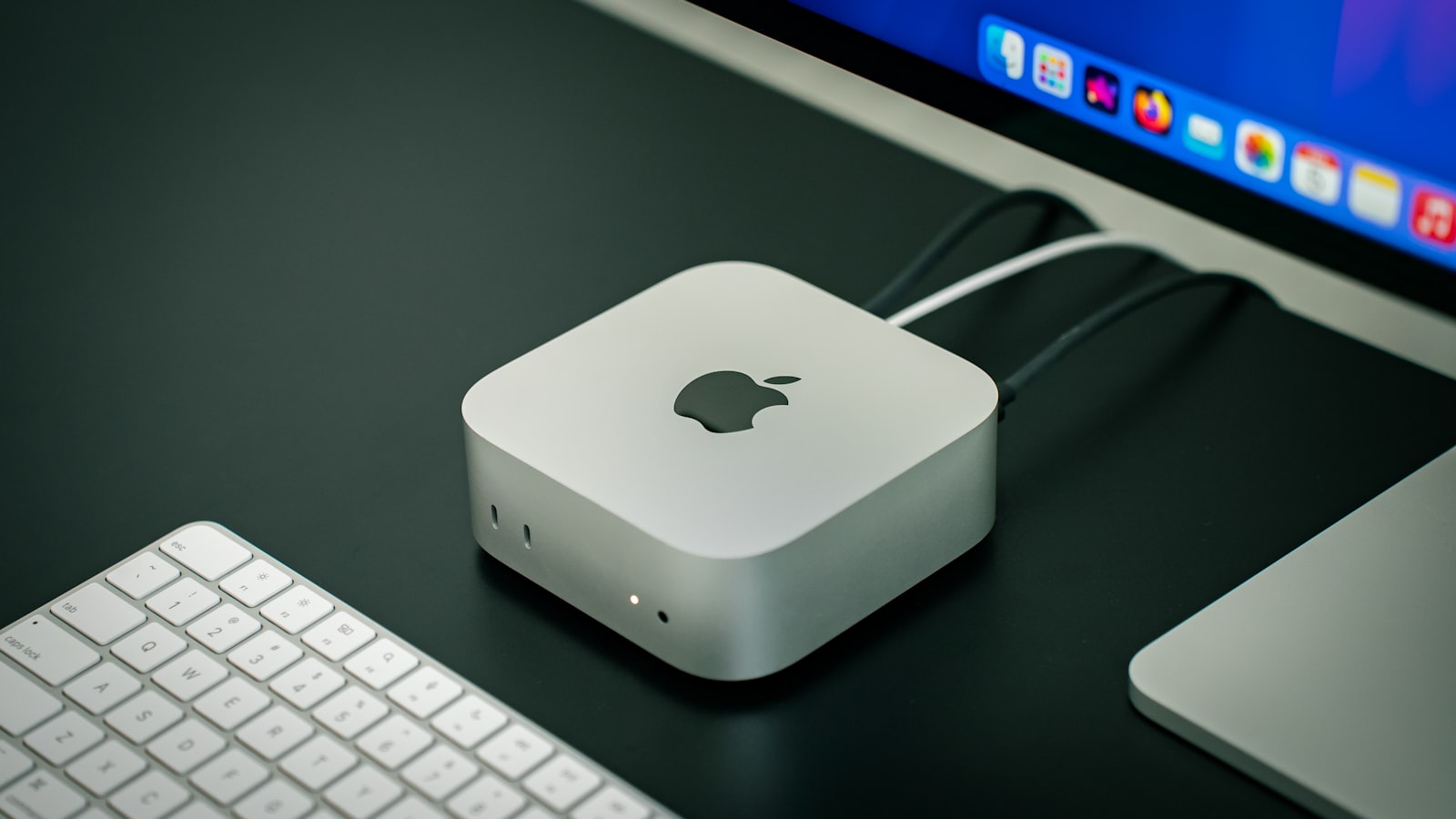
Apple Unveils Redesigned Mac Mini with M6 Chip, Ending Nearly Two-Year Wait
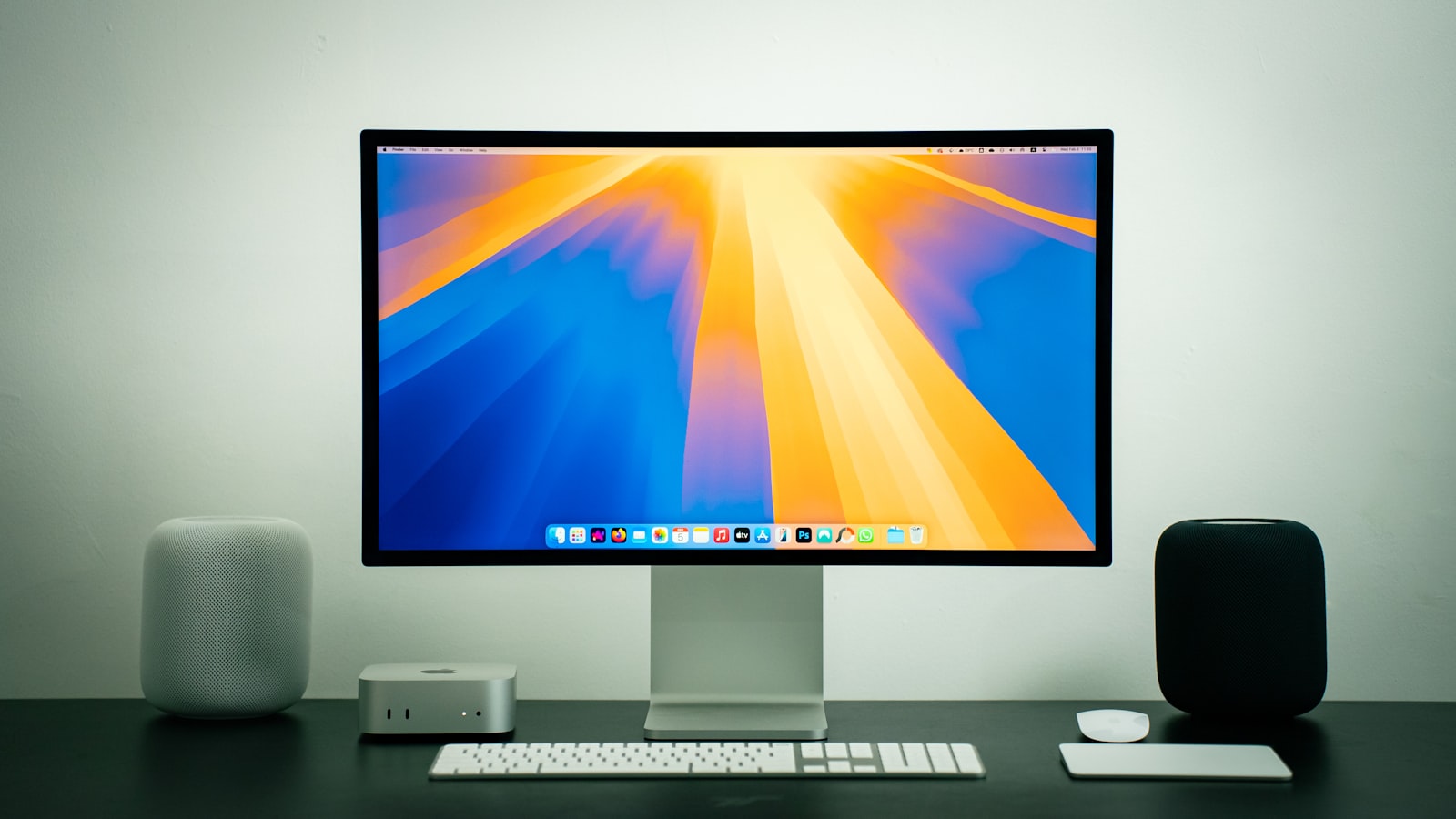
On August 25, 2026, Apple finally broke the long silence surrounding the Mac mini by unveiling a redesigned model featuring the new M6 chip, a significant upgrade that marks the first refresh in almost two years. The anticipation was palpable, especially given the Mac mini's growing popularity among tech enthusiasts and professionals who are keen on AI workloads. Apple’s latest offerings promise not just a performance boost, but also a host of new features that cater to the needs of modern users.
The new Mac mini comes in two configurations: one powered by the M6 chip and the other by the M5 Pro chip, the latter offering enhanced capabilities for more demanding tasks. The base model starts at $899, while the higher-end version begins at $1,699. Both models are available for pre-order now, with shipping starting on September 22, 2026. Let’s delve into the specifics of what this new Mac mini brings to the table.
The M6 Chip: A Game Changer
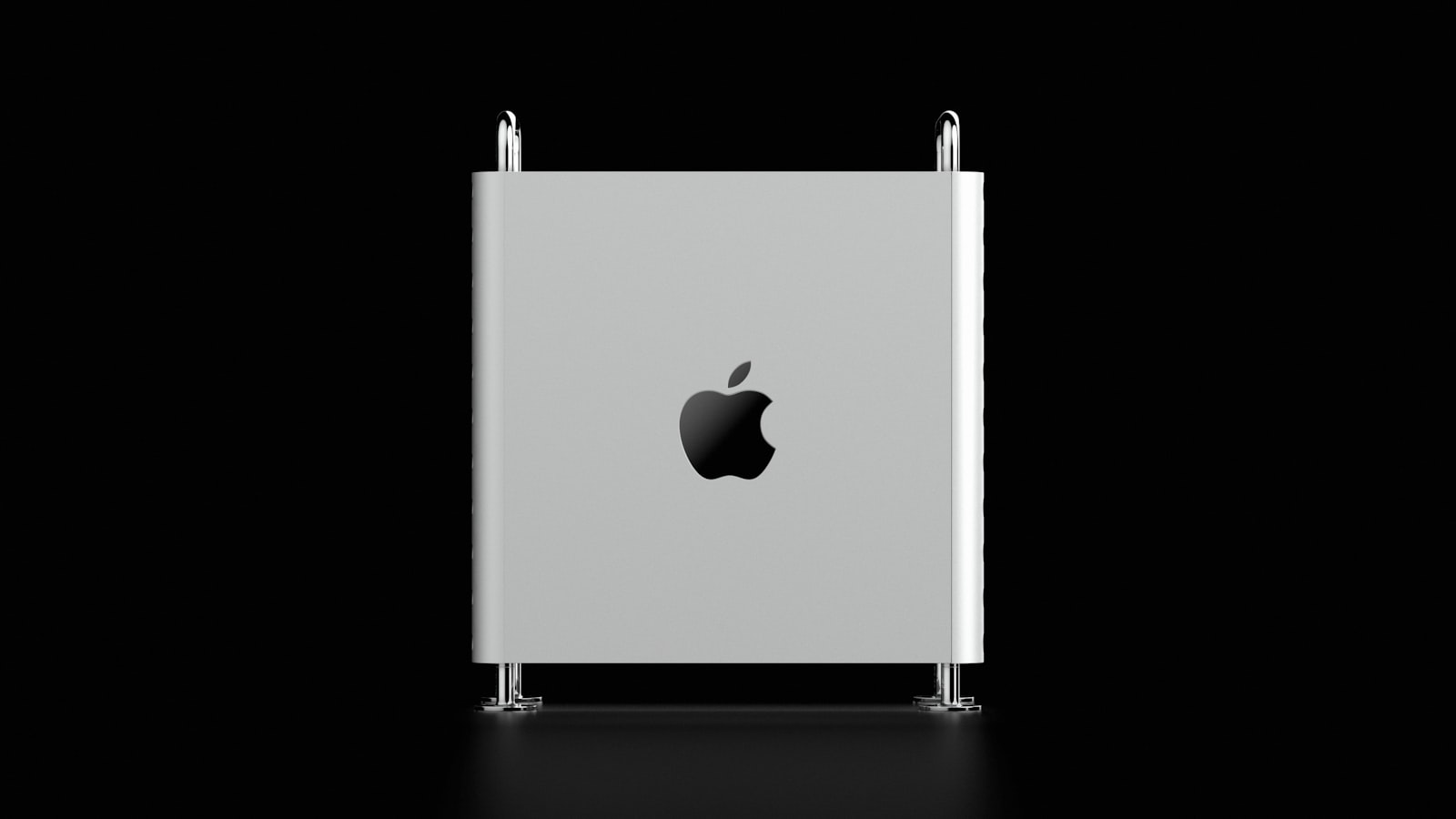
The M6 chip is Apple’s first processor built on a 2nm process, which is a noteworthy achievement. This new architecture allows for more transistors to be packed into the same chip area, translating to better performance and efficiency. The M6 features a 12-core CPU, consisting of two super cores, four performance cores, and six efficiency cores. This configuration is designed to optimize both single-threaded and multi-threaded workloads, delivering up to 40% faster CPU performance compared to the previous M4 model.
In terms of graphics, the M6 chip includes a 12-core GPU, which also boasts significant enhancements. With the integration of Neural Accelerators in each core, Apple claims that the M6 delivers up to 2x faster graphics performance than its predecessor. The chip's dual 16-core Neural Engine further amplifies its AI capabilities, achieving up to 4x faster AI performance. This makes the new Mac mini particularly appealing for users engaged in machine learning, data analysis, and creative tasks that require heavy computational power.
Performance Metrics
Apple provided some impressive performance metrics that showcase the capabilities of the M6 chip:
- Up to 13.5x faster LLM (Large Language Model) prompt processing in LM Studio compared to the Mac mini with M1, and up to 4.8x faster than the M4.
- Up to 2.3x faster spreadsheet calculations in Microsoft Excel compared to the M1, and 1.5x faster than the M4.
- Up to 2x faster gaming performance with ray tracing in Cyberpunk 2077 compared to the M4.
These performance enhancements are not only promising for gamers but also for professionals who rely on intensive applications like video editing, 3D rendering, and AI development.
Dual Configurations: M6 and M5 Pro
Apple is offering two variants of the Mac mini: the standard M6 model and the more powerful M5 Pro. The M5 Pro, which first debuted in the MacBook Pro earlier this year, targets users with demanding performance needs.
M5 Pro Specifications
The M5 Pro variant of the Mac mini features:
- Up to an 18-core CPU and a 20-core GPU, making it suitable for professional applications that require substantial processing power.
- Memory capacity that can be configured up to 64GB of unified memory with a memory bandwidth of 307GB/s.
- Enhanced graphics capabilities, including third-generation ray tracing and support for heavy AI workloads.
Apple claims that the M5 Pro model will provide significant gains in AI compute and graphics performance compared to the outgoing M4 Pro model.
Connectivity and Features
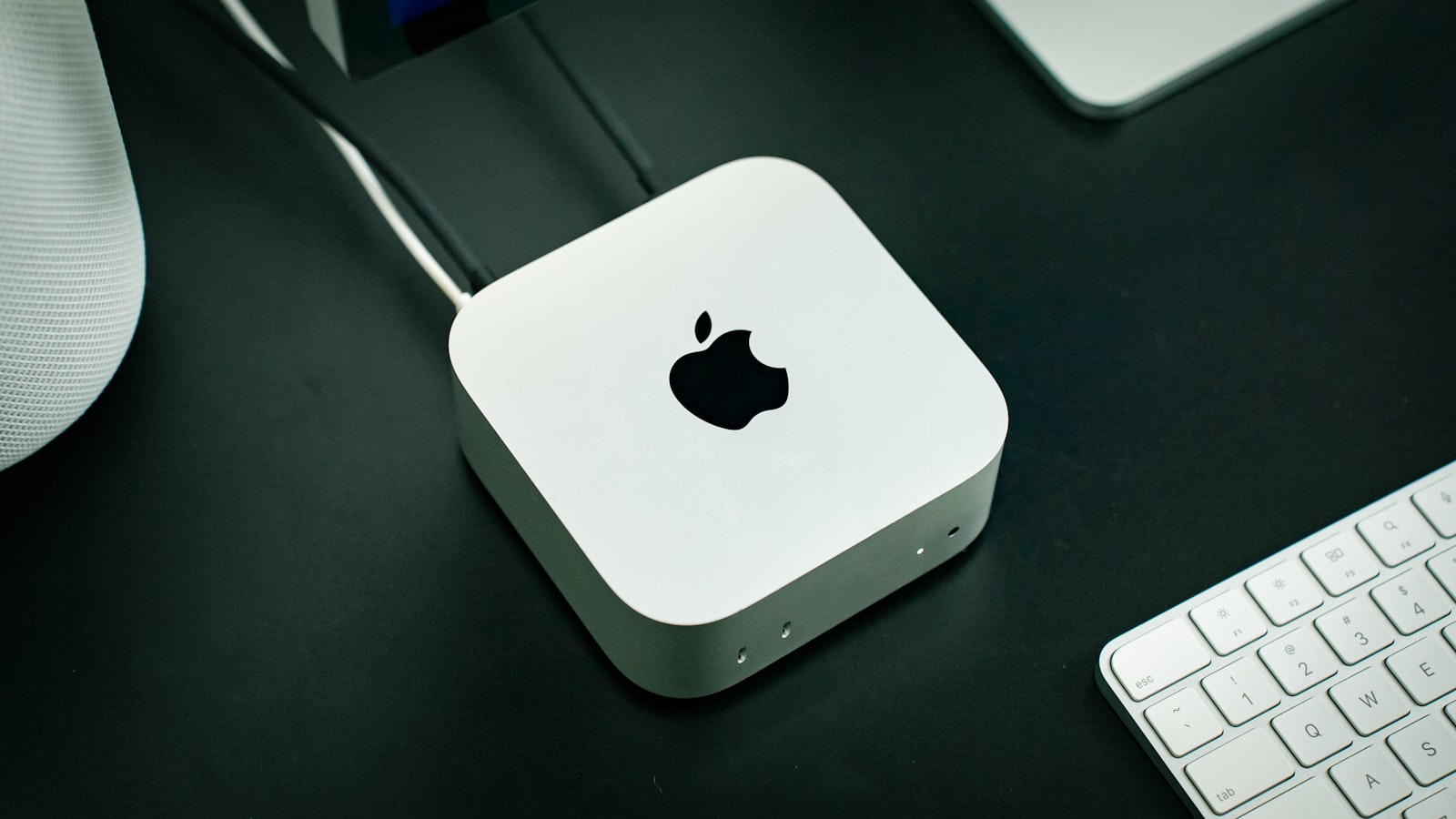
Both the M6 and M5 Pro Mac mini models come equipped with upgraded connectivity options that enhance their usability in various environments:
- Wi-Fi 7 and Bluetooth 6: These improvements ensure faster wireless connectivity and more reliable connections with peripherals.
- 2.5Gb Ethernet is standard, with an upgrade option for 10Gb Ethernet available, catering to users who need high-speed network capabilities.
- Storage: Both models feature storage that is now up to 2x faster, which is crucial for users who work with large files and applications.
In terms of ports, the M6 Mac mini includes three Thunderbolt 4 ports on the back, along with HDMI and Ethernet, while the M5 Pro model features three Thunderbolt 5 ports. Both configurations also have two USB-C ports with USB 3 support and a headphone jack on the front.
Pricing and Availability
With the introduction of the new Mac mini models, Apple has increased the starting prices by $100 compared to the previous generation. The pricing structure is as follows:
| Model | Starting Price | Storage | RAM |
|---|---|---|---|
| Mac mini with M6 | $899 (or $799 for education) | 256GB | 16GB |
| Mac mini with M5 Pro | $1,699 (or $1,599 for education) | 512GB | 24GB |
The new Mac mini will be available for pre-order beginning today, and it is set to ship starting September 22, 2026.
The Competitive Landscape
The release of the new Mac mini comes at a time when competition in the compact desktop market is heating up. With the increasing demand for powerful yet compact machines capable of handling AI workloads, Apple’s latest offering is well-positioned against rivals like Dell and HP, which are also ramping up their offerings in this space.
Historically, the Mac mini has been a popular choice among users who appreciate its versatility for both home and professional use. The new M6 and M5 Pro configurations aim to solidify that position further by offering cutting-edge performance in a compact form factor.
Pricing vs. Competitors
Now, let's dive into the world of pricing, where the Mac mini M6 finds itself in a competitive dance with other well-known players like Dell and HP. For starters, the Mac mini M6's base model starts at a friendly $899. This is quite a deal for what it offers, especially when you consider the performance boost and the sleek design Apple users have come to expect.
On the other hand, the Dell XPS 14, which comes in at $1,350, is another contender in this compact desktop arena. While it boasts a strong performance and an appealing design, it does come with a higher price tag. If you're willing to spend a bit more, the HP OmniBook Ultra 14 is available for around $2,000. This machine is noted for its head-turning design, impressive battery life, and overall performance, but it also comes with a price that might make some buyers clutch their wallets a bit tighter.
In essence, the Mac mini M6 serves as a budget-friendly option for those deeply ingrained in the Apple ecosystem. It offers solid performance that caters to both casual users and professionals without breaking the bank. Meanwhile, Dell and HP have positioned themselves with more premium offerings, which may appeal to users looking for specific features or designs that align with their personal or professional requirements.
For those who are on the fence about which machine to choose, it's worth noting that the Mac mini M6 provides excellent value for its performance capabilities, especially for users who need a reliable machine for creative or technical tasks. Apples-to-apples (pun intended), the Mac mini presents itself as a strong contender in its price bracket, especially when you consider the seamless integration with macOS and the ecosystem of Apple products.
Supply Chain Insights
As with any new tech release, the journey from design to delivery involves a complex web of supply chain dynamics. The production of the new Mac mini M6 hasn't been without its challenges. One of the key issues has been the ongoing memory chip shortages that have plagued the tech industry. With the surging demand for AI applications, the need for high-performance memory has never been more critical, causing significant delays in production timelines.
In response to these challenges, Apple has begun shifting some of its manufacturing operations back to the United States. This strategic move aims to streamline the supply chain, mitigate delays, and improve response times to market demand. By localizing production, Apple hopes to reduce dependency on overseas suppliers and create a more resilient manufacturing process.
Moreover, industry analysts have noted that this shift could lead to improved product availability and more consistent pricing for consumers. With Tim Cook at the helm, this initiative reflects a broader trend in the tech sector, where companies are increasingly focusing on domestic production to navigate the complexities of global supply chains.
This transition could also signal a larger commitment by Apple to invest in U.S.-based manufacturing, which may have long-term benefits for the economy and job creation. While it might take some time for these changes to fully materialize, the potential for a more stable supply chain could mean fewer shortages and more timely releases of future products.
In conclusion, while the new Mac mini M6 is generating a lot of buzz for its performance and features, the road to its production has been anything but smooth. With memory shortages and rising demand for AI capabilities, Apple’s proactive steps in reshaping its supply chain may just be the key to ensuring that this little powerhouse can meet the growing expectations of its users.
With all of these facets considered, the Mac mini M6 is not just another desktop; it's a testament to how Apple is adapting to the ever-evolving tech landscape, all while keeping an eye on their loyal customer base.
Newsletter
Get the morning gadget briefing
A short recap of the stories that actually matter — phones, AI, EVs, and the rest — in your inbox.
No spam. We’ll only send the briefing.
Keep reading
Read next
More in Apple Intelligence




Comments (0)
Keep it civil. Anyone can reply. Edit and delete stay on this browser after refresh.
No comments yet. Start the conversation.