
Waymo’s Ojai Robotaxis from China Now Able to Pick Up All Riders
Waymo has expanded the availability of its Ojai robotaxi, built by Zeekr in China, to all riders in San Francisco, Los Angeles, and Phoenix. This article explores the vehicle's features, economic implications, and future expansion plans.

Waymo’s Ojai Robotaxis from China Now Able to Pick Up All Riders
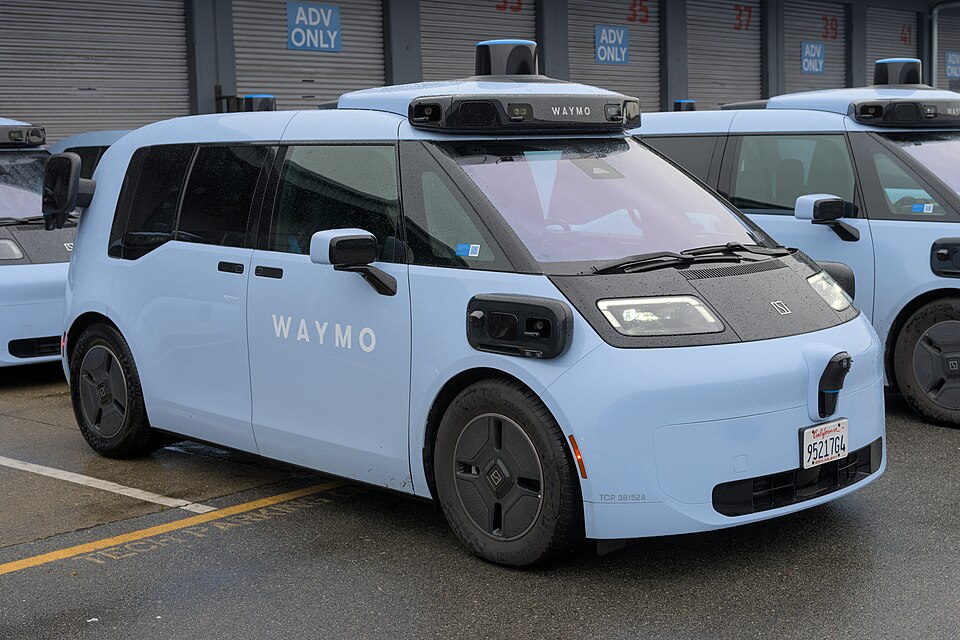
In a bold move to revolutionize urban transportation, Waymo has expanded the availability of its next-generation Ojai robotaxi to all riders in major US cities, including San Francisco, Los Angeles, and Phoenix. Built by Zeekr, a Chinese electric vehicle manufacturer, the Ojai marks a significant leap in Waymo's quest to dominate the autonomous vehicle market. Despite the challenges posed by tariffs and regulatory hurdles surrounding Chinese-made vehicles in the US, Waymo has successfully imported over 3,200 units of the Ojai, overcoming a staggering 127.5% tariff on these electric vehicles.
Initially available only to select passengers since May 28, 2026, the Ojai is now fully operational for the general public. This article delves into the unique features of the Ojai, the implications of its rollout, and what it means for the future of autonomous ridesharing.
The Ojai: A New Era of Robotaxis
The Ojai robotaxi is not just another electric vehicle; it's a purpose-built machine designed specifically for the rigors of ride-hailing. Unlike traditional cars that have been retrofitted for autonomous driving, the Ojai is manufactured from the ground up to serve as a robotaxi. This design philosophy allows for optimized interior space, making it more comfortable for passengers.
Design and Features
The Ojai features a spacious interior with generous headroom and legroom, a low step-in height, and wide sliding doors for easy access. Inside, passengers will find three screens that provide information about the journey, allow for climate control adjustments, and even offer entertainment options. The vehicle is equipped with charging ports and braille labeling, emphasizing accessibility for all riders.
The Ojai is anchored by Waymo's sixth-generation Driver system, which utilizes an impressive array of sensors, including 13 cameras, four LiDAR units, and six radar systems. This advanced sensor suite not only enhances safety but also improves the overall riding experience by providing real-time data for navigation and environmental awareness.
Gemini AI Integration
One of the standout features of the Ojai is its integration with Google's Gemini AI assistant. This voice-activated system allows passengers to control various aspects of the ride, such as climate settings and media playback, simply by speaking. The AI can also provide information about local landmarks, making the journey more informative and engaging.
This combination of advanced technology and user-friendly design positions the Ojai as a formidable player in the robotaxi market. As Waymo continues to enhance its fleet, the Ojai is expected to play a critical role in scaling operations and improving service efficiency.
User Experience and Feedback
Understanding rider feedback is crucial for evaluating the success of the Ojai robotaxis. The experiences of early passengers reveal a mix of admiration and a few head-scratching moments.
Positive Aspects
Many users have praised the Ojai for its comfort and spaciousness. The wide sliding doors and low step-in height make it incredibly easy to enter and exit, which is a blessing if you’ve ever had a tussle with a tight car door. The redesigned user interface, featuring a choreographed tri-screen layout, has also received accolades. Passengers appreciate the tailored experience, where each screen adapts based on seating occupancy, creating a more personalized journey. And let’s not forget the Google Gemini AI assistant, which seems to be a hit. Riders reported that it was not only functional but also added a dash of fun to the ride, providing updates about the journey and answering questions about local landmarks.
Areas for Improvement
However, not everything is sunshine and rainbows. Some users felt the sound system was merely “adequate.” It’s a polite way of saying, “I expected a concert but got elevator music.” Plus, a few riders noted that the ride quality was rougher than anticipated. With all that high-tech LiDAR and sensors, one might expect a ride smoother than a baby’s bottom, but apparently, that’s not always the case.
Additionally, there have been some eyebrow-raising reports about the Ojai's self-driving behavior. Passengers have occasionally found themselves on unusual routes or experiencing slower speeds that seemed to defy logic. It’s almost as if the Ojai is still learning the ropes of being a taxi, which is a bit worrisome when you think about it. After all, we don’t want our robotaxis to be more lost than we are on a Friday night.
User Experience and Feedback — Understanding Rider Feedback
The Comfort Factor
As anyone who's ever been squished in the backseat of a compact car can tell you, comfort is key. The Ojai's spacious interior has been widely praised for providing a more pleasant riding experience. With its generous legroom and headroom, it allows even the tallest of passengers to stretch their legs without feeling like a pretzel. Riders appreciate the low step-in height and wide sliding doors that make getting in and out a breeze. It’s almost like Waymo designed it with the average human in mind—what a concept!
Tech-Savvy Innovations
The Ojai's choreographed tri-screen layout has garnered attention for its innovative approach. Each screen offers tailored content based on who’s sitting where, which adds a personal touch to the ride. Passengers can control the climate and entertainment options without having to engage in an awkward game of “who gets to touch the front seat.” The Google Gemini AI assistant's ability to provide local information and answer questions has also been a hit, making riders feel like they have their own personal tour guide. Who knew robotaxis could make you feel so important?
Room for Improvement
But alas, it’s not all perfect. Some passengers have described the sound system as merely “adequate.” It’s like going to a rock concert only to find out the band forgot to bring their instruments. Additionally, the ride quality has received mixed reviews. Given the Ojai's high-tech features, one might expect a ride smoother than a jazz saxophonist, but that hasn’t always been the case. Riders have noted moments of unexpected bumps, which makes you wonder if the sensors were too busy admiring the scenery to notice the potholes.
Economic Implications of the Ojai Rollout
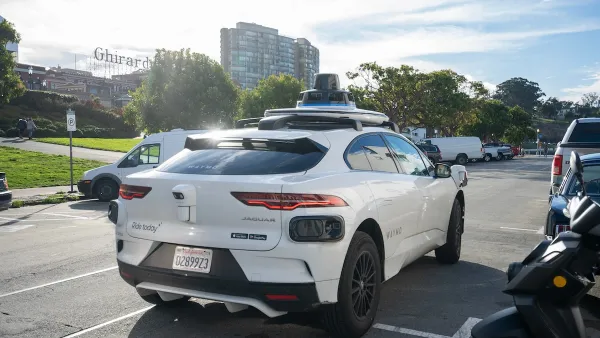
The introduction of the Ojai robotaxi is not just a technological advancement; it also has significant economic implications for the rideshare industry and the broader automotive market. Despite facing immense tariffs on imports, Waymo has determined that the cost of the Ojai, even with tariffs included, remains competitive compared to its existing fleet of Jaguar I-PACE vehicles.
Cost-Effectiveness and Tariffs
Waymo's decision to import the Ojai vehicles, despite a 127.5% tariff, speaks volumes about the economic viability of these robotaxis. The base price of the Ojai is considerably lower than that of the Jaguar I-PACE, which has been central to Waymo's fleet. By opting for the Ojai, Waymo can reduce operating costs while also offering a more spacious and comfortable ride for passengers.
The company has circumvented some of the regulatory hurdles by importing the Ojai without its Chinese connectivity hardware. Upon arrival in the US, Waymo installs its proprietary sensor and computing systems, ensuring compliance with US regulations. This strategy not only mitigates the impact of tariffs but also allows Waymo to maintain control over the vehicle's technological integration.
Expansion Plans: The Future of Waymo's Fleet
With the Ojai now open to the general public, Waymo is gearing up for a significant expansion of its fleet. The company aims to bolster its operations in existing markets while exploring new territories for its robotaxi services.
New Markets and Future Deployments
Waymo has plans to introduce the Ojai in additional cities, including Denver, Las Vegas, and San Diego, later this year. This expansion is part of a broader strategy to scale its operations, with the company currently completing around 500,000 paid rides per week across various cities. The goal is to reach one million rides weekly, which would solidify Waymo's position as the leader in the autonomous vehicle market.
As the fleet of Ojai robotaxis grows, riders will eventually have the option to choose between the Ojai and the Jaguar I-PACE when hailing a ride through the Waymo app. This flexibility enhances user experience and positions Waymo to better compete with traditional rideshare services.
The Competitive Landscape
Waymo's expansion and innovation are occurring against a backdrop of increasing competition in the autonomous vehicle space. Companies like Tesla and Amazon's Zoox are also ramping up their efforts to introduce autonomous ridesharing services. However, Waymo's early entry into the market and its existing infrastructure give it a significant advantage.
The Ojai, with its cost-effective design and advanced technological features, sets a new standard for what passengers can expect from robotaxi services. By focusing on purpose-built vehicles like the Ojai, Waymo is positioning itself to meet the growing demand for autonomous transportation solutions.
Safety Measures and Regulations
Safety is a primary concern for autonomous vehicles, making it essential to explore the measures in place for the Ojai robotaxis. Waymo has built a comprehensive safety framework that addresses the unique challenges of self-driving technology.
Compliance with Safety Standards
Waymo's Ojai robotaxis are designed to comply with stringent safety regulations. The vehicles must meet the requirements set by the Department of Motor Vehicles (DMV) for public street operations, which includes passing rigorous safety tests. This means you can rest a little easier knowing that the Ojai hasn’t just rolled off the assembly line and straight into the streets.
Advanced Safety Features
Equipped with an array of advanced sensors, the Ojai boasts features that enhance both passenger safety and vehicle performance. The 13 cameras, four LiDAR units, and six radar systems work together to create a comprehensive environmental map, enabling the vehicle to detect obstacles and navigate safely. These systems are designed to promote adherence to speed limits, ensure seatbelt use, and minimize the risk of accidents.
Continuous Monitoring and Updates
Waymo is committed to continuous improvement and regularly updates the software that drives the Ojai. Recently, the company issued a voluntary software recall for nearly 3,800 vehicles to address issues related to driving into standing water or flooded roads. This proactive approach highlights Waymo's dedication to maintaining safety standards and quickly addressing potential risks as they arise.
The data collected from the Ojai's operations also contributes to ongoing safety research. By analyzing incidents and near-misses, Waymo aims to refine its algorithms and improve the overall safety of its robotaxis. With the emphasis on safety and compliance, the Ojai is poised to set a new benchmark for autonomous vehicle reliability.
Safety Measures and Regulations
Stringent Regulations for Autonomous Vehicles
Autonomous vehicles, including Waymo's Ojai robotaxis, must adhere to a variety of regulations aimed at ensuring public safety. These regulations are often more stringent than those for traditional vehicles, reflecting the unique challenges posed by self-driving technology. For instance, Waymo's operations in California require a permit from the DMV, which mandates that the vehicles undergo rigorous testing and validation processes before being allowed on public roads. This means the Ojai has been scrutinized more than a contestant on a reality dating show!
Safety Features Designed for Real-World Conditions
The Ojai is equipped with a comprehensive suite of safety features designed to navigate real-world driving conditions. These include not only the advanced sensor systems that detect pedestrians, cyclists, and other vehicles but also software that ensures compliance with traffic laws. In fact, Waymo has an entire team dedicated to safety research, focusing on developing algorithms that help the Ojai respond appropriately to various scenarios. So, while you might be wondering if the Ojai will ever drive you through a drive-thru, rest assured it’s more concerned with avoiding potholes and obeying stop signs.
Response to Incidents and Learning from Data
Waymo has demonstrated a commitment to learning from every ride the Ojai undertakes. Data collected during operations is analyzed to identify any incidents, near-misses, or unusual behavior. This continuous feedback loop allows the company to refine its technology and improve safety protocols. For instance, if a specific route consistently leads to erratic driving behavior, Waymo can adjust the algorithms to account for that road's unique challenges. This proactive approach not only enhances the safety of the Ojai but also contributes to the evolution of autonomous driving as a whole.
Should You Wait to Ride in an Ojai?

Immediate Benefits of Riding the Ojai
For those in San Francisco, Los Angeles, and Phoenix, the Ojai offers an exciting and innovative way to travel. Passengers can benefit from the spacious interior, advanced AI features, and the novelty of riding in a fully autonomous vehicle. With the added convenience of voice-activated controls through Gemini, the Ojai provides a unique and modern travel experience.
Future Developments and Features
While the Ojai is already impressive, Waymo has plans for continuous improvements and updates. As the fleet expands, more features and enhancements will likely be rolled out, potentially making future rides even more enjoyable. If you’re hesitant about trying the Ojai now, it might be worth waiting to see how the service evolves over the coming months.
In conclusion, Waymo's Ojai robotaxi represents a significant step forward in the realm of autonomous transportation. By overcoming the challenges posed by tariffs and regulations, Waymo has positioned itself to lead the market with a cost-effective, purpose-built vehicle. With plans for expansion and continuous innovation, the Ojai is set to redefine the way we think about ridesharing in the future. Whether you choose to ride now or wait for future enhancements, the Ojai is undoubtedly a fascinating development in the world of transportation.
Newsletter
Get the morning gadget briefing
A short recap of the stories that actually matter — phones, AI, EVs, and the rest — in your inbox.
No spam. We’ll only send the briefing.
Keep reading
Read next
More in Other





Comments (0)
Keep it civil. Anyone can reply. Edit and delete stay on this browser after refresh.
No comments yet. Start the conversation.