
Phones/More from Phones/Phone Accessories
AI Agent Phones Are Here — What They Actually Do Differently
Exploring the transformative power of AI agent phones and how they redefine our smartphone experience.

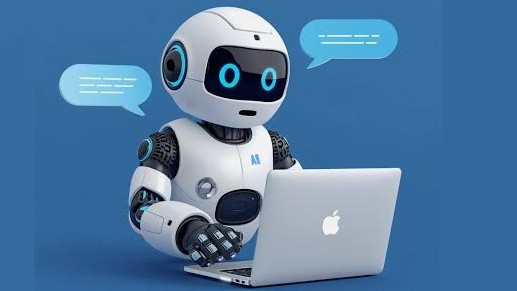
AI Agent Phones Are Here — What They Actually Do Differently
The world of smartphones is undergoing a seismic shift, and at the forefront of this evolution are AI agent phones. Unlike traditional smartphones that rely heavily on user interaction and manual input, these new devices aim to redefine our expectations by autonomously executing tasks. Imagine a smartphone that not only understands your commands but can also carry out complex sequences of actions without needing you to step in at every turn. This is the promise of AI agent phones, a trend that’s gaining traction as companies invest heavily in AI technology.
In this post, we’ll explore what makes AI agent phones distinct from their predecessors, the technologies behind them, and how they’re set to change our digital lives. We’ll delve into the functionality, the companies leading the charge, and the potential implications for users and the market. Buckle up; it’s going to be a fascinating ride through the future of mobile technology!
What Changed in Smartphone AI?
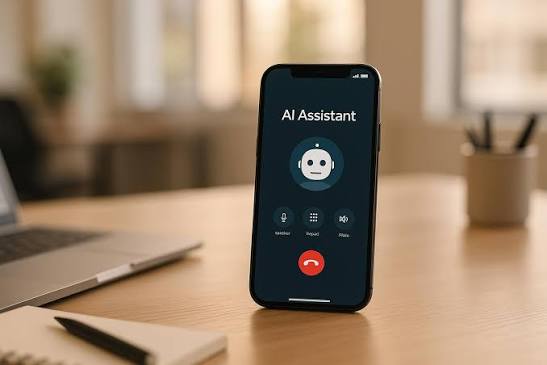
Smartphones have always boasted features that make our lives easier, but AI agent phones take this a step further. The most significant change is the shift from passive assistance to active engagement. Traditional smartphones, equipped with voice assistants like Siri or Google Assistant, typically respond to user commands but still require manual oversight for task completion.
AI agents, such as those developed by HappyRobot, are designed to handle tasks end-to-end. This means that instead of merely drafting a message or setting a reminder, they can manage complex workflows. For instance, if you need to book a doctor's appointment, an AI agent can analyze your doctor's notes, check your insurance coverage, and even schedule the appointment without you lifting a finger. This shift from task completion to workflow management represents a fundamental change in how we interact with our devices.
HappyRobot recently raised $150 million to enhance its AI architecture, which includes six distinct AI models that work in concert to execute tasks. This multi-model approach allows for a seamless experience, reducing the need for human intervention. Each model has a specific role, from voice activity detection to speech synthesis, ensuring that the agent can understand and respond to users naturally and efficiently.
How AI Agents Work
The technology behind AI agents involves a sophisticated interplay of various AI models. For example, HappyRobot’s architecture employs six models for a single interaction, such as a phone call. Here’s a breakdown of how these models work together:
-
Voice Activity Detection (VAD): This model detects when a user is speaking, distinguishing between actual speech and background noise. This initial step is crucial for maintaining a natural flow in conversation.
-
Automatic Speech Recognition (ASR): Once VAD identifies speech, ASR converts it into text. HappyRobot fine-tunes this model for industry-specific jargon, ensuring accuracy.
-
End-of-Turn Detection (EOT): This model predicts when a speaker has finished their turn, facilitating smoother interactions without awkward interruptions.
-
Large Language Model (LLM) Reasoning: With a clean transcript in hand, the LLM interprets user intent and generates appropriate responses, whether that involves retrieving information or escalating issues to a human operator.
-
Text-to-Speech Synthesis: This model converts the LLM’s text output back into natural speech, complete with contextual intonations that enhance the user experience.
-
Speech-Cleanup Filters: These proprietary filters handle noise reduction and other edge cases, ensuring clarity in communication.
The coordination of these models allows AI agents to handle complex interactions efficiently. In fact, HappyRobot aims to complete these interactions within a natural latency window, making the experience feel seamless and human-like.
The AI Agent Phone Experience
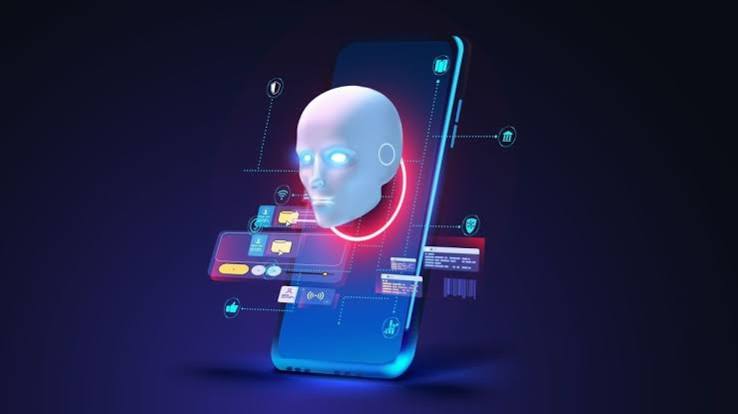
The integration of AI agents into smartphones means users can expect a drastically different interaction model. For example, Google’s Android 17 is introducing features that let users know when an AI agent is actively working on their behalf. A status indicator will appear at the top of the screen, ensuring users are aware of ongoing tasks without needing to switch between apps constantly. This transparency is essential for building trust and ensuring users feel in control of their devices.
In practical terms, AI agents can streamline everyday tasks. Need to book a flight? An AI agent could pull up your travel history, compare prices, and even complete the booking process—all without requiring you to interact with the app at every step. This kind of functionality is not just a convenience; it can significantly enhance productivity, especially for users who juggle multiple responsibilities.
A Day in the Life with AI Agents
Imagine waking up in the morning and asking your phone about your schedule for the day. Instead of receiving a list of meetings and appointments, your AI agent summarizes your day, reminds you of upcoming deadlines, and even suggests the best times to take breaks based on your workload. Throughout the day, it checks in with you, sending notifications when it’s time for your next meeting or if any urgent emails require your attention.
If you need to reschedule a doctor's appointment, you can simply tell your agent to handle it. The AI will check your calendar, contact the clinic, and confirm a new time—all while you’re busy making breakfast. This level of automation can transform how we interact with technology, making our devices true assistants rather than just tools.
Comparing AI Agent Phones to Traditional Smartphones
Understanding the differences between AI agent phones and traditional smartphones highlights the advantages and limitations of these new devices. Traditional smartphones, such as the Samsung Galaxy S26 and Google Pixel 10 Pro, focus primarily on performance, photography, and gaming, with AI features being more situational and less integrated into daily tasks.
In contrast, AI agent phones, particularly those equipped with advanced foldable technology like the Samsung Galaxy Z Fold8, offer an array of AI-driven tools that streamline tasks and improve user experience. For example, the Galaxy AI features, such as photo and audio editing tools, provide practical functionalities like understanding app interactions and offering relevant information. This level of integration means that AI agents can proactively assist users rather than just react to commands.
Performance and Usability
When it comes to performance, traditional smartphones have long been the champions. The latest models, including the Galaxy S26, are equipped with powerful processors and high-performance GPUs that make gaming and multitasking a breeze. However, AI agent phones like the Galaxy Z Fold8 leverage specialized chipsets, such as the Snapdragon 8 Elite Gen 5, which are optimized for AI tasks. This can lead to better efficiency when running AI-driven applications, though the raw performance may vary.
In terms of usability, AI agent phones shift the paradigm. With features like Nudge, which understands what's happening across multiple apps, users can experience a more cohesive ecosystem. This contrasts with the traditional model where users must manually switch between apps and remember to complete tasks. The result is a more intuitive user experience that can save time and reduce cognitive load.
Features Under the Hood
When it comes to features, AI agent phones are equipped with tools that significantly enhance user experience. For example, the Galaxy Z Fold8's AI capabilities allow for real-time photo and video enhancement, making it easier to capture those perfect moments without needing to fiddle with settings. In contrast, traditional smartphones like the Google Pixel 10 Pro are still catching up in this area, with more situational AI features that may not always be available when you need them.
Furthermore, the integration of advanced AI features means that users of AI agent phones can enjoy seamless transitions between tasks. Imagine snapping a photo and having the AI automatically edit it for brightness and contrast before you even realize you need to make adjustments. Traditional smartphones still require a bit of manual intervention, which can disrupt the flow of creativity.
Price in the US and Market Trends
As AI agent technology continues to evolve, pricing dynamics are also changing. Currently, the AI agent management services market is projected to grow from $1.2 billion in 2026 to a staggering $13.9 billion by 2036, with a compound annual growth rate (CAGR) of 28.3%. This growth is driven by increasing demand for AI agents that can handle more complex tasks and workflows.
In the US, companies like HappyRobot are leading the charge, attracting significant investments to expand their capabilities. The competitive landscape is heating up, with traditional smartphone manufacturers now looking to integrate AI agent technology into their devices. For instance, Google is positioning its Pixel line as a frontrunner in the AI phone market, emphasizing features that leverage the power of its Gemini AI platform.
Are AI Agents Worth It?
The benefits of AI agents are clear, but potential users may wonder if the investment is justified. Early adopters have reported significant returns on investment, with companies in sectors like customer service seeing improvements in efficiency and customer satisfaction. For example, voice AI agents can resolve a larger percentage of inquiries on the first contact compared to traditional chatbots, which often require human escalation.
In terms of cost, while voice AI solutions may initially appear more expensive than text-based options, they often result in lower overall costs due to their ability to handle inquiries without human intervention. The economic argument shifts in favor of voice AI when considering the total cost of engagement, making them a compelling choice for businesses looking to enhance their service capabilities.
Privacy and Security Concerns with AI Agents
As AI agents become more integrated into our daily lives, concerns about privacy and security are paramount. These agents often require access to sensitive personal data, which raises questions about how that data is handled and protected. Research indicates that a significant number of organizations—53%—identify data privacy as their foremost concern regarding the implementation of AI agents. This concern is especially pronounced in heavily regulated industries like healthcare and finance, where compliance requirements are stringent.
One of the key issues is that AI agents can access private data without user notification. This means that sensitive information, which may include health records or financial data, could be at risk of exposure. Data leakage and security vulnerabilities are significant risks, and users must remain vigilant about what permissions they grant to these AI systems.
Mitigating Privacy Risks
To address these concerns, users should adopt a proactive approach to privacy management. Here are some strategies to help mitigate risks associated with AI agents:
- Review Permissions: Regularly check the permissions granted to AI applications and limit access to sensitive data where possible.
- Disable Always-Listening Features: If your device has a feature that allows it to listen for commands at all times, consider disabling it when not in use.
- Limit AI Access to Selected Apps: Be selective about which applications an AI agent can interact with, particularly those that handle sensitive information.
- Reduce AI History: Regularly delete saved AI interactions and transcripts to minimize the amount of stored data.
- Utilize Biometric Security: Protect accounts with biometrics and multi-factor authentication (MFA) to add an extra layer of security.
These measures can help users maintain greater control over their data while still enjoying the benefits of AI technology.
Emerging Security Threats
Moreover, as AI agents become more sophisticated, they may also become targets for new types of cyberattacks. For instance, adversarial attacks on large language models (LLMs) can lead to sensitive information being revealed without user consent. This highlights the importance of stringent controls and zero-trust architecture to safeguard users’ data.
As AI technology evolves, so too will the security landscape. It’s critical for both users and developers to stay informed about emerging threats and best practices for protecting personal information. The conversation around privacy and security in AI usage is ongoing, and it’s vital for everyone involved to prioritize user safety.
Should You Wait for AI Agent Phones?
With the rapid pace of technology development, it’s natural to wonder whether you should wait before investing in an AI agent phone. While early models may still be hitting the market, the features and capabilities being rolled out suggest that now might be the right time to dive in.
If you frequently find yourself managing multiple tasks and need a device that can help streamline your daily routine, an AI agent phone could be a game changer. However, if your smartphone usage is relatively straightforward, you might opt to wait for the next generation of devices, which are likely to come with even more advanced AI functionalities.
The Future of AI in Smartphones
Looking ahead, the future of AI in smartphones is bright. As technology advances, we can expect more sophisticated AI agents capable of handling even more complex tasks. Innovations in machine learning and natural language processing will continue to improve the user experience, making interactions with smartphones feel increasingly intuitive and human-like.
Moreover, as companies like Google, Apple, and others invest in AI technologies, the competitive landscape will likely lead to rapid advancements that could redefine our expectations of mobile devices. The integration of AI into everyday tasks is just the beginning; as these systems learn and adapt, they will become more adept at understanding user preferences and behaviors.
Conclusion
AI agent phones mark a significant leap forward in smartphone technology, transforming our devices from mere communication tools into proactive assistants. By automating complex tasks and workflows, these phones have the potential to enhance productivity and streamline our daily lives. As companies continue to invest in this technology, the possibilities for what AI agents can achieve will only expand.
For tech enthusiasts and everyday users alike, embracing AI agent phones now could provide a glimpse into the future of mobile technology. Whether you’re looking for efficiency in your personal life or seeking to revolutionize your business operations, these devices are poised to deliver value in ways we are just beginning to understand. So, are you ready to let your phone do the heavy lifting? The future is calling!
Keywords used in this article: AI agent phones, HappyRobot, Google Pixel, Android 17, voice AI agents, smartphone technology, automation, customer service AI.
Newsletter
Get the morning gadget briefing
A short recap of the stories that actually matter — phones, AI, EVs, and the rest — in your inbox.
No spam. We’ll only send the briefing.
Keep reading
Read next
More in Phone Accessories

Comments (0)
Keep it civil. Anyone can reply. Edit and delete stay on this browser after refresh.
No comments yet. Start the conversation.