
Phones/Popular Phone Brands/Google Pixel
T-Mobile’s New Experience 2.0, Pixel 11 Push and Satellite Efforts Might Change The Case For Investing In T-Mobile US (TMUS)
T-Mobile US is reshaping its investment narrative with the launch of Experience 2.0, the Pixel 11 lineup, and innovative satellite connectivity, aiming to boost customer loyalty and investor confidence.


T-Mobile’s New Experience 2.0, Pixel 11 Push and Satellite Efforts Might Change The Case For Investing In T-Mobile US (TMUS)
T-Mobile US is at a crossroads. With its recent rollout of the Experience 2.0 initiative, the introduction of the Google Pixel 11 lineup, and a new foray into satellite connectivity, the company is actively reshaping its strategy to enhance customer loyalty and investor confidence. As we dive into these developments, we’ll unearth how these moves might significantly impact T-Mobile's stock appeal and what they mean for potential investors.
As of August 2026, T-Mobile’s stock is trading around $182, following a strong Q2 earnings report and an optimistic cash-flow guidance. Analysts are now projecting a fair value for T-Mobile US shares at around $243.08, suggesting a potential upside of 33% from current levels. But what exactly is driving this bullish sentiment? Let's break it down.
Experience 2.0: A New Era for T-Mobile
T-Mobile's Experience 2.0 initiative is more than just a rebranding exercise; it represents a comprehensive overhaul of how the company interacts with its customers. Launched in early August 2026, this initiative introduces the EIP Flex 36 financing model, which allows customers to spread device payments over 36 months. This flexible financing is particularly appealing for customers eyeing high-end devices, which can be a significant barrier to entry for many.
EIP Flex 36 Financing
With EIP Flex 36, T-Mobile is effectively lowering the upfront costs associated with purchasing new devices, making it easier for customers to upgrade to the latest technology without feeling financially strained. This is especially pertinent as the industry faces increasing competition and promotional intensity around device offers. The financing structure is designed to enhance customer stickiness—keeping subscribers engaged and reducing churn.
The move is not without risks, however. Offering such flexible financing could compress margins if competitors respond with similar or better offers. Still, it’s a calculated gamble that could pay off by bolstering customer loyalty and increasing average revenue per account (ARPA).
Student-Focused Offers
In addition to financing, T-Mobile has introduced student-focused offers to attract a younger demographic. This is a smart move, considering that younger consumers are often more open to switching carriers. By providing discounts or incentives tailored to students, T-Mobile positions itself as a more attractive option, especially for those looking to save money while still accessing high-quality service.
The Pixel 11 Push: A Strategic Partnership
T-Mobile’s partnership with Google to promote the Pixel 11 lineup is another strategic maneuver aimed at enhancing its market position. The Pixel 11 is the first in the Pixel family to leverage T-Mobile's advanced 5G capabilities, which is a significant selling point for tech-savvy consumers.
Exclusive Promotions
As part of the launch, T-Mobile is offering aggressive promotions for the Pixel 11, including zero upfront costs for well-qualified customers. This aligns with the Experience 2.0 initiative's goal of making high-end devices more accessible. By tying in exclusive promotions with a premium device like the Pixel 11, T-Mobile not only drives immediate sales but also strengthens its brand association with cutting-edge technology.
Impacts on Customer Retention
The introduction of the Pixel 11 is expected to attract new customers and retain existing ones, particularly those who are fans of Google's ecosystem. The smartphone market is fiercely competitive, and exclusive partnerships with popular brands can give carriers a much-needed edge.
Satellite Connectivity: A Game Changer in Emergencies
One of the standout features of T-Mobile's recent strategy is its investment in satellite connectivity, which was showcased during the emergency response to Tropical Storm Lala in Hawai'i. By activating T-Satellite support, T-Mobile demonstrated its commitment to providing reliable service even in disaster scenarios.
Enhancing Service Reliability
The ability to maintain connectivity during emergencies is a powerful selling point for T-Mobile. In an age where communication is critical during crises, customers are likely to appreciate a carrier that can keep them connected when it matters most. This aspect not only enhances T-Mobile's reputation but can also lead to increased customer loyalty.
Investor Implications
For investors, T-Mobile’s satellite efforts represent a long-term strategic advantage. As the company continues to innovate and expand its service offerings, it strengthens its competitive position in the market. This is particularly relevant in light of increasing consumer expectations for reliability and service quality.
Impact of 5G Expansion on T-Mobile's Strategy
Understanding how the rollout of 5G technology influences T-Mobile's market position is crucial. T-Mobile's 5G expansion strategy has significantly bolstered its market position and customer acquisition. With the company's unique value proposition of best network, best value, and best experiences, T-Mobile has driven growth, evidenced by a 1% increase in postpaid ARPA due to higher fee revenue and customer adoption of 5G broadband.
Strategic Acquisitions
T-Mobile's strategic acquisitions, such as Fiberhost and Inea, have strengthened its fixed broadband and 5G network, particularly in Poland. These moves allow T-Mobile to enhance service offerings and customer satisfaction, which are essential components of their growth strategy. The acquisition of Fiberhost and Inea for approximately 1 billion EUR illustrates T-Mobile's commitment to expanding its 5G capabilities and integrating fiber into its service portfolio.
Partnerships and Collaborations
Additionally, partnerships like the one with Optimum Communications have expanded access to T-Mobile's 5G network. By collaborating with other players, T-Mobile is not only enhancing its service offerings but also ensuring that customers have broader access to its robust network. This is a significant factor in driving customer satisfaction and loyalty.
Competitive Pressures
Despite the success of its 5G strategy, T-Mobile faces challenges from competitive pressures and the evolving landscape of spectrum deals. Analysts have expressed concerns about how these factors might reshape the wireless market. However, T-Mobile's proactive approach to expanding its 5G footprint positions it well against competitors, allowing it to maintain a competitive edge in customer acquisition and retention.
Competitive Landscape: T-Mobile vs. Major Rivals
Analyzing T-Mobile's competitive stance against other telecom giants will provide insights into its growth potential. T-Mobile leads in subscriber growth and market share, outperforming Verizon and AT&T. Its aggressive strategy and value proposition have allowed it to surpass traditional competitors significantly.
Subscriber Growth and Market Share
After its transformative merger with Sprint, T-Mobile has leveraged its network and brand to consistently lead the industry in subscriber growth. This growth is not merely a coincidence; it reflects T-Mobile's commitment to offering competitive pricing and innovative service plans that resonate with consumers. As of mid-2025, T-Mobile's market cap exceeded that of Verizon, marking a significant shift in the industry.
Value Proposition
T-Mobile's focus on providing the best value and customer experience has been a game-changer in the competitive landscape. Unlike its rivals, which tend to focus on high-yield offerings, T-Mobile has positioned itself as a disruptive growth force. This strategy has enabled the company to capture a larger share of the market, particularly among younger consumers who prioritize value and flexibility.
Challenges from Rivals
While T-Mobile has carved out a strong position, it continues to face challenges from established players like Verizon and AT&T. Both companies emphasize network reliability and speed, but T-Mobile counters these strengths with aggressive pricing and bundled perks. This has been particularly effective in attracting customers away from its rivals, who may be more hesitant to switch due to concerns about service quality.
The Future Outlook
As T-Mobile continues to innovate and expand its offerings, its competitive position will likely strengthen. The company's commitment to 5G expansion, coupled with strategic partnerships and acquisitions, positions it well for future growth. While the telecom industry remains competitive, T-Mobile's proactive approach and focus on customer experience provide a solid foundation for ongoing success.
Financial Performance and Market Outlook
T-Mobile’s financial performance in Q2 2026 has been robust, with total revenues reaching $22.8 billion and service revenues climbing by 9% year-over-year. The company reported diluted earnings per share of $2.99 and a net income of $3.2 billion, which underscores its strong operational performance.
Cash Flow and Shareholder Returns
The raised cash-flow guidance highlights T-Mobile's commitment to returning capital to shareholders, with $3.3 billion already returned in Q2 2026 alone. This includes $2.2 billion in share repurchases and $1.1 billion in dividends, signaling a balanced approach between growth investments and shareholder value.
Analyst Predictions
Analysts project that T-Mobile could generate revenues of $104.8 billion and earnings of $17.9 billion by 2029, driven primarily by continued growth in its postpaid and broadband segments. While some analysts remain cautious, projecting lower growth rates, the overall sentiment leans towards optimism, especially given the strategic initiatives being implemented.
Should You Invest in T-Mobile Now?
With T-Mobile’s stock currently hovering around $182 and analysts suggesting a fair value of $243.08, the question arises: is now the right time to invest?
Pros of Investing
- Growth Potential: T-Mobile’s strategic initiatives are designed to drive growth and improve customer retention, making it an appealing option for growth-oriented investors.
- Strong Financials: The recent earnings report reflects solid financial health, with rising revenues and significant cash flow.
- Innovative Offerings: The Experience 2.0 plans and satellite connectivity enhance T-Mobile's value proposition, particularly in competitive markets.
Cons to Consider
- Competitive Landscape: The telecom industry is notoriously competitive, and T-Mobile must continuously innovate to maintain its edge.
- Margin Pressures: The introduction of flexible financing options and aggressive promotions could lead to margin compression if competitors respond aggressively.
- Market Volatility: Economic uncertainties and market fluctuations can impact stock performance, and potential investors should be aware of the risks involved.
Conclusion
T-Mobile US is positioning itself for a promising future with its new Experience 2.0 initiative, strategic partnerships, and satellite connectivity efforts. For investors looking for growth in the telecom sector, T-Mobile presents a compelling case—especially with its stock trading below its projected fair value. However, it's crucial to weigh the risks associated with competitive pressures and market volatility. Ultimately, due diligence and a keen understanding of market dynamics will be essential for any potential investor considering T-Mobile as part of their portfolio.
This analysis illustrates how T-Mobile is not just surviving but actively evolving in a challenging market. Whether you're a current shareholder or considering investing, the upcoming months will be critical in assessing how well these strategies translate into sustained growth and enhanced shareholder value.
Newsletter
Get the morning gadget briefing
A short recap of the stories that actually matter — phones, AI, EVs, and the rest — in your inbox.
No spam. We’ll only send the briefing.
Keep reading
Read next
More in Google Pixel
Continue
 Phones
Walmart Tap to Pay: Walmart Tap to Pay Is Here — Here's How It Works
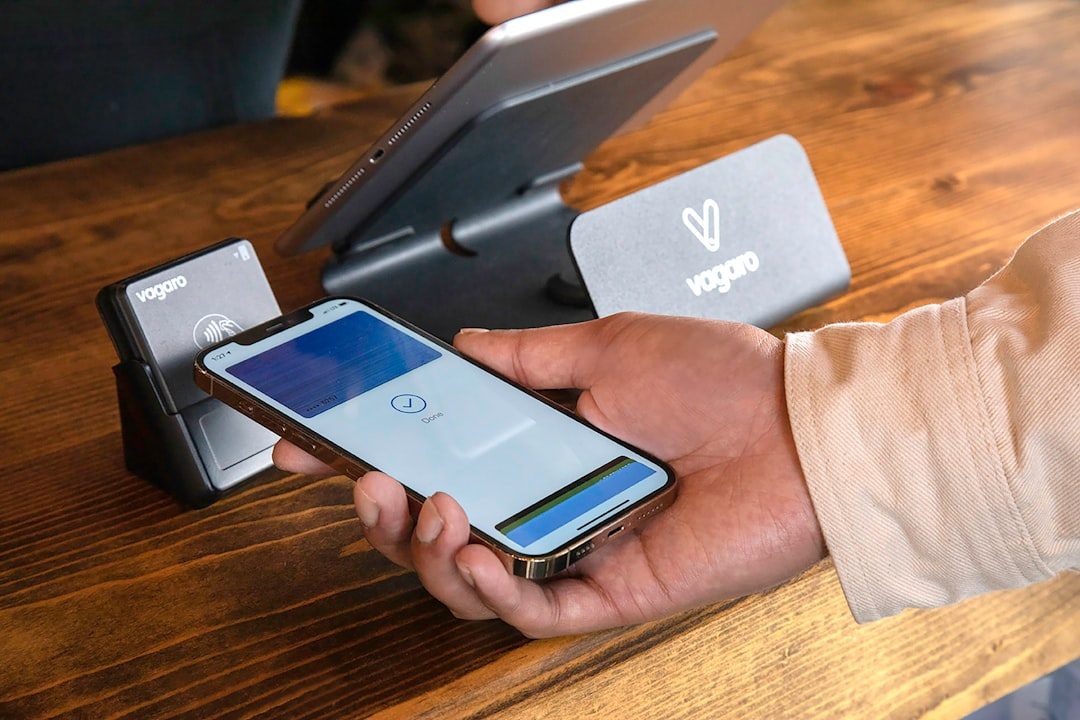
Walmart has officially launched Tap to Pay, allowing contactless payments with cards, phones, and smartwatches. Discover how it works, its benefits, and what this means for shoppers.
Aug 21, 2026
Tech layoffs 2026: Tracking job losses across TikTok, Meta, Microsoft, Oracle, Samsung and others
Aug 20, 2026Comments (0)
Keep it civil. Anyone can reply. Edit and delete stay on this browser after refresh.
No comments yet. Start the conversation.