
Energy Volatility Could Fast-Track Global EV Adoption to 50% Above Base Case | Wood Mackenzie
Wood Mackenzie forecasts a dramatic increase in global electric vehicle (EV) adoption driven by energy volatility, governmental policies, and technological advancements.

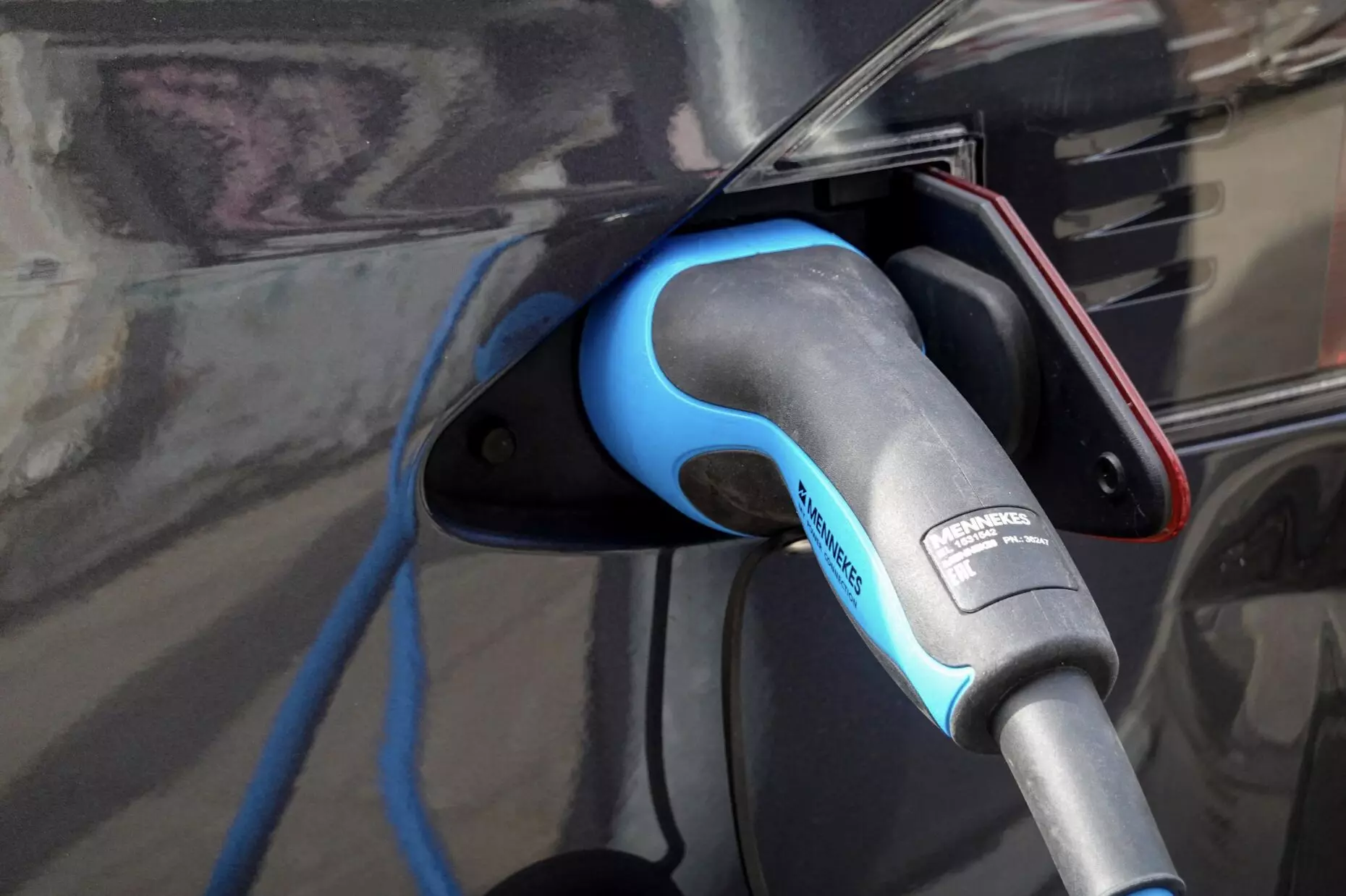
Energy volatility could fast-track global EV adoption to 50% above base case | Wood Mackenzie
As global tensions and energy market fluctuations continue to unfold, a new report by Wood Mackenzie highlights a surprising trend: energy volatility could propel global electric vehicle (EV) adoption by as much as 50% above current forecasts. This bold assertion is backed by three key factors that are expected to reshape the automotive landscape over the next two decades.
In their latest Horizons report, Wood Mackenzie projects that under normal circumstances, EVs would grow from just 4% of the global fleet today to about 25% by 2040. However, they have identified a scenario, dubbed the "electric shock," that could see this adoption rate soar significantly higher, driven by enhanced government investment in the EV supply chain, rising fuel prices nudging consumers toward EVs, and rapid technological advancements.
What Changed in the EV Landscape?
The landscape for electric vehicles is changing rapidly. As traditional fossil fuel markets face volatility—partly driven by geopolitical tensions in the Middle East—policymakers and consumers alike are reevaluating their transportation choices. The report emphasizes that should these three forces—government investment, consumer behavior shifts, and technological innovation—coalesce, we could witness a seismic shift in EV adoption.
China is poised to lead this charge. Currently, the country accounts for a significant portion of global EV sales, and under the electric shock scenario, annual EV sales in China could jump from 8.9 million in 2025 to an astonishing 29.9 million by 2040. This leap is expected as China implements policies that could reduce the total cost of ownership for EVs by about 30%, including full purchase tax exemptions and larger purchase credits.
How Will the U.S. and Europe Respond?
The United States faces a stark contrast in its EV market dynamics. Currently, EVs make up only about 3% of the U.S. vehicle fleet, and sales have recently dipped due to the withdrawal of tax incentives. Without aggressive policy support and investments in advanced battery technologies, the U.S. risks falling behind not just in domestic sales but also in the global EV race.
In response to the accelerating global demand for EVs, U.S. policymakers may need to step up and implement targeted support that could attract foreign direct investment into local supply chains. The report suggests that this could bring total cost of ownership parity with gasoline vehicles two years earlier than previously estimated, by 2031.
Europe, on the other hand, enters this scenario with a robust set of decarbonization ambitions but faces its own challenges, including significant job cuts in the auto sector. The report envisions a "grand bargain" for Europe, where tariff relief is exchanged for Chinese investment in local manufacturing, which could accelerate the EV transition while protecting jobs.
The Investment Challenge: Minerals and Infrastructure
One of the critical challenges highlighted in the report is the need for substantial investment in mineral supplies to support this accelerated growth. Wood Mackenzie estimates that an additional $45 billion in greenfield metals supply over the next decade will be necessary. Copper, in particular, emerges as a bottleneck, with annual mine capacity additions needing to increase significantly to meet the rising demand from EVs and other technologies.
Furthermore, the infrastructure to support this growth, particularly charging stations, must also expand. Currently, the world has about 7 million public charging ports, but under the electric shock scenario, demand will skyrocket, necessitating an additional 4 million ports in China alone, representing roughly $200 billion in incremental investment. Europe will similarly require significant investments to build out its charging infrastructure, estimated at an additional $108 billion.
The Future of EV Adoption
If the perfect storm of geopolitical factors, consumer behavior, and technological advancements aligns, we could see global oil demand fall to approximately 99 million barrels per day by 2040, which is about 5 million barrels per day below the current base case. This shift could trigger the early closure of around 40 oil refineries worldwide, fundamentally altering the energy landscape.
David Brown, Director of Energy Transition Research at Wood Mackenzie, notes that this convergence could create lasting advantages for OECD countries in terms of securing critical mineral supplies and technological know-how. As demand for energy storage surges due to the global AI boom, battery supply chains will become increasingly important.
In conclusion, while the path to widespread EV adoption is fraught with challenges, the potential for an electric shock driven by energy volatility presents a compelling case for a rapid transition to electric vehicles. As the automotive industry braces for these changes, the next decade will be crucial in determining how quickly and effectively these shifts can be realized across the globe.
The Role of Government Policies in EV Growth
Government policies play a crucial role in shaping the EV market and can accelerate adoption rates. With the right incentives, regulations, and investments, governments can make the transition to electric vehicles not just a possibility, but a reality. Let's dive into how different regions are leveraging policy to promote EV adoption.
Financial Incentives and Tax Breaks
One of the most effective ways governments can encourage EV adoption is through financial incentives. In regions like Norway, where EV adoption rates are among the highest globally, the government has implemented a combination of high taxes on petrol and diesel vehicles, coupled with generous exemptions for electric ones. This strategy has done wonders in making EVs more affordable and appealing to consumers.
In the U.S., tax credits have been a significant factor in driving sales. However, recent changes in policy have seen some of these incentives withdrawn, leading to a slowdown in growth. It's a classic case of "you don't know what you've got until it's gone." The lesson here? Consistent and attractive incentives are key to maintaining interest in EVs.
Infrastructure Investment
Another critical component of government policy is the investment in charging infrastructure. Wood Mackenzie notes that the global EV charging infrastructure market is rapidly growing, with Europe leading the charge (pun intended!). By 2030, the EU is expected to have a robust network of charging stations, making it easier for consumers to switch to EVs without the nagging fear of running out of battery.
China has also showcased the power of coordinated industrial policy, investing heavily in both EV production and supporting infrastructure. The result? A well-oiled machine that is rapidly expanding its EV market while simultaneously creating jobs.
The Case for Innovative Financing Solutions
While the upfront cost of EVs remains a barrier, innovative financing solutions are emerging to tackle this issue. Options like zero-interest loans and on-bill financing are gaining traction, allowing consumers to pay for their vehicles over time without the burden of high interest. This could be the key to unlocking EV adoption for middle-income households that might otherwise be left in the dust, making it less of a luxury and more of a viable option for the average Joe (or Jane).
Global Trends and Local Responses
Across the globe, we see a patchwork of policies that reflect local priorities and economic conditions. In South America, for instance, Chinese EVs are gaining popularity as countries look to modernize their automotive industries. The government’s role in facilitating partnerships and investments will be crucial in shaping the future of EV adoption in these emerging markets.
In Europe, the European Commission’s Green Deal aims to make the region the first climate-neutral continent by 2050. This ambitious policy framework not only outlines stringent emissions targets but also provides a roadmap for transitioning to sustainable transport solutions. The EU’s commitment to banning the sale of new internal combustion engine vehicles by 2035 is a clear signal to consumers and manufacturers alike that the future is electric.
Consumer Behavior and Market Trends in EV Adoption
Understanding consumer preferences and trends is essential to predicting future EV adoption rates. As we delve into the psyche of the average car buyer, we find that various factors influence their decisions, from environmental awareness to financial considerations.
Environmental Awareness and Social Influences
One of the strongest motivators for consumers adopting EVs is environmental concern. As awareness of climate change and pollution grows, so does the interest in sustainable alternatives. Studies show that consumers who prioritize sustainability are more likely to consider EVs as a viable option. This shift in consciousness is not just a fad; it's becoming a core value for many, especially younger generations.
Financial Incentives and Purchase Decisions
Despite the positive public sentiment towards EVs, financial considerations remain a significant barrier. As noted earlier, the purchase price of battery-electric vehicles can be 10% to 50% higher than their internal combustion counterparts, which puts a damper on adoption outside of high-income households. However, as battery technology improves and costs decrease, this gap is expected to close, making EVs more accessible to a broader audience.
Market Trends: Shifting Preferences and Innovative Models
The automotive market is not static; it's continuously evolving. Recent trends indicate that consumers are increasingly interested in flexible mobility solutions. Subscription services and pay-per-use models are gaining popularity, catering to those who prefer not to commit to a full purchase. This flexibility can lower barriers to entry, making it easier for more people to experience the benefits of EVs without the long-term commitment.
Demographic Insights: Who's Buying EVs?
Interestingly, demographic factors also play a role in EV adoption. Reports indicate that while interest in EVs is relatively equal among genders, preferences differ. Women tend to prioritize safety features, while men are more inclined towards performance metrics like acceleration and range. Understanding these nuances can help manufacturers tailor their marketing strategies and product features to better meet consumer needs.
The Future of EV Consumer Behavior
As the EV market continues to mature, we can expect consumer behavior to shift alongside it. With increasing availability of models, improvements in battery technology, and growing charging infrastructure, the early adopters will be joined by a more diverse group of buyers. In the coming years, we may even see a shift from EVs being viewed as niche products to essential components of everyday life.
In summary, the interplay between government policies, consumer behavior, and market trends will be crucial in determining the future of EV adoption. As we navigate this electric landscape, one thing is clear: the road ahead is charged with potential.
Newsletter
Get the morning gadget briefing
A short recap of the stories that actually matter — phones, AI, EVs, and the rest — in your inbox.
No spam. We’ll only send the briefing.
Keep reading
Read next
More in Other
Continue
 EV
EVIn South America, Chinese EVs Are Racing Ahead
As BYD and other Chinese electric vehicle brands dominate the South American market, we explore the factors fueling their rapid growth and the implications for the future of transportation in the region.
Aug 20, 2026
2027 Hyundai Tucson Revealed: New Design, Features, Price and Release Date
Aug 19, 2026Comments (0)
Keep it civil. Anyone can reply. Edit and delete stay on this browser after refresh.
No comments yet. Start the conversation.