
In South America, Chinese EVs Are Racing Ahead
As BYD and other Chinese electric vehicle brands dominate the South American market, we explore the factors fueling their rapid growth and the implications for the future of transportation in the region.

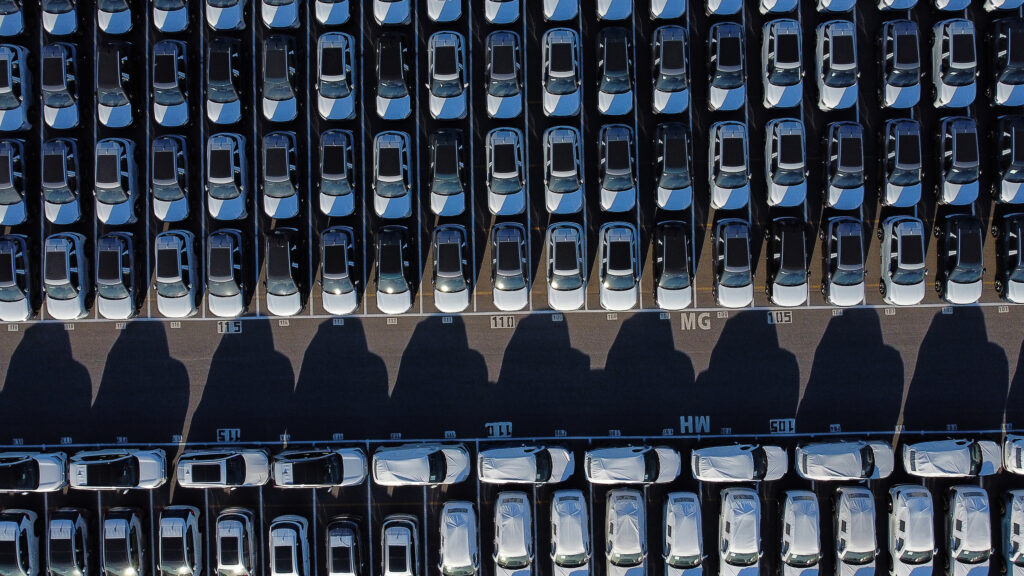
In South America, Chinese EVs Are Racing Ahead
As the world pivots toward sustainable transportation, South America has emerged as a surprising battleground for electric vehicle (EV) supremacy, with Chinese manufacturers, particularly BYD, racing ahead. This transformation is not merely a trend; it's a seismic shift in the automotive landscape, driven by a mix of market dynamics, government policies, and consumer behavior.
In Argentina, for instance, BYD has captured a staggering 89% of all-electric and plug-in hybrid vehicle sales through May 2026. Analysts suggest that Argentina might even surpass the United States in EV market share by late 2026 or early 2027. This article delves into the factors propelling this rapid growth, the implications for the automotive industry, and what it means for consumers in South America and beyond.
The Rise of BYD in Argentina
BYD, or Build Your Dreams, has transformed from a relatively obscure name into a household brand in Argentina's burgeoning EV market. With its aggressive marketing strategies and an impressive lineup of affordable electric vehicles, BYD has resonated with a population eager for change.
Franco Bornancini, a sales manager at a BYD dealership in Córdoba, likens the brand’s allure to that of tech giants like Apple. The dealership buzzes with activity, as young, affluent customers flock to purchase electric vehicles that promise not just mobility, but a lifestyle change. The impact of BYD's entry into the market is evident: according to the Global South Center for Clean Transportation, EV market share in Argentina soared to 6% of new sales in early 2026, up from less than 1% just a year prior.
This leapfrogging phenomenon—where emerging markets rapidly adopt advanced technologies—has caught the attention of industry analysts. Unlike traditional markets, Argentina's shift toward electric vehicles has been fuelled by a combination of economic necessity and favorable import policies.
The Economic Landscape and Government Policies
The narrative of BYD’s success is intertwined with Argentina's recent economic policies under President Javier Milei. By reducing trade barriers and offering incentives for electric vehicle imports, the government has made it easier for companies like BYD to penetrate the market. One pivotal change includes lowering tariffs on electric vehicles priced below $16,000, allowing models like the BYD Dolphin Mini to compete effectively against gasoline alternatives.
This strategic shift has not only made electric vehicles more accessible but has also encouraged a broader demographic to consider EVs as viable options. Previously, cars in Argentina were often viewed as luxury items, largely due to high import taxes that shielded domestic manufacturers from competition.
Now, with the introduction of lower-cost Chinese EVs, the landscape is shifting. The Dolphin Mini, priced at approximately $23,000 after taxes, is a game-changer for consumers who may have been reluctant to invest in electric vehicles due to cost concerns.
Consumer Preferences and Trends in EV Adoption
Understanding consumer preferences is crucial to analyze the growth of EVs in South America. The rapidly evolving landscape of electric vehicles is shaped by a myriad of factors, including government incentives, economic conditions, and cultural shifts. In recent years, South America has seen significant growth in EV adoption, primarily driven by government policies and infrastructure investments.
For instance, Chile and Colombia have emerged as leaders in the EV adoption curve. Chile's commitment to sustainable transport is evident in its ambitious goal of having 40% of all public transport electrified by 2025. Colombia, on the other hand, has implemented tax exemptions for electric vehicle purchases, making EVs more financially appealing. The Brazilian government has also launched the "Recharge Brazil" program, targeting the establishment of 120,000 EV charging stations by 2027. Now that's a goal that would make any charging enthusiast's heart race!
Moreover, Stellantis's recent EUR 5.6 billion investment plan for South America from 2025 to 2030 is set to accelerate localized platform upgrades and technology adoption. This investment is a clear indicator of the automotive industry's pivot towards electrification in the region.
Interestingly, consumer behavior reflects a growing awareness of environmental issues. Surveys indicate that South American consumers are increasingly concerned about air quality and climate change, translating into a greater willingness to embrace electric vehicles. The allure of zero-emission driving is hard to resist, especially when you factor in the potential savings on fuel and maintenance.
However, while the enthusiasm for electric vehicles is palpable, barriers still exist. Concerns regarding charging infrastructure and vehicle range continue to linger. For example, in Brazil, where 45% of the population lives within one kilometer of an electric vehicle charger, the numbers are considerably lower in Argentina, where public charging stations are still limited. This disparity in infrastructure can significantly influence consumer adoption rates.
Competition and Market Dynamics
While BYD leads the charge, it’s essential to understand the competitive landscape in South America. The rapid rise of Chinese EV brands isn't limited to BYD; other manufacturers like BAIC and Geely are also making significant inroads. However, BYD has established a commanding lead in Argentina, with its strategic focus on affordability and local partnerships.
The broader South American market is seeing similar trends. Brazil, the region's largest automotive market, reported an EV market share of around 12.7% in early 2026. BYD's Brazilian operations are also flourishing, with the company recently rolling out its 100,000th new-energy vehicle from its assembly line in Camacari. This expansion is indicative of Chinese manufacturers' commitment to establishing a solid foothold in the region.
Challenges Ahead: Infrastructure and Consumer Adoption
Despite the rapid growth and increasing sales figures, challenges remain. One of the most pressing issues is the lack of adequate charging infrastructure across Argentina. Currently, many EV owners rely on home or workplace charging solutions, as public charging stations are limited.
The vast geography of Argentina complicates the development of a robust charging network. Stretching over 2,300 miles from north to south, the country faces significant logistical hurdles in establishing a comprehensive charging infrastructure that can support long-distance travel.
Companies like EVTRON are beginning to address this gap, having installed around 100 charging stations over an 18-month period. However, to sustain growth in EV sales, substantial investment in both public and private charging infrastructure will be crucial.
Impact of Chinese Manufacturing on Local Economies
The automotive industry in South America has seen significant growth post-2020, driven by major investments from companies like Stellantis and Volkswagen, and increasing vehicle sales. This growth is not just a boon for the automotive sector; it has far-reaching implications for local economies.
Chinese manufacturers, particularly, have been instrumental in reshaping the automotive landscape. Their entry into the South American market has resulted in job creation, technology transfer, and increased competition. As these manufacturers localize production to avoid tariffs, they also contribute to the regional economy by establishing manufacturing plants and creating jobs. For instance, the Stellantis investment is expected to generate thousands of jobs and stimulate local suppliers.
However, the influx of Chinese EV manufacturers is not without its controversies. While they may offer more affordable options for consumers, there are concerns regarding the impact on local manufacturers. Many fear that the competitive pricing of Chinese EVs could undermine domestic automotive companies, leading to job losses and economic dislocation.
In Brazil, the economic recovery and technological advancements are expected to boost the automotive sector further. With a projected GDP growth of 2.5% by 2025, household incomes are anticipated to rise, stimulating automotive lending and vehicle purchases. This could create a virtuous cycle where increased vehicle ownership leads to greater investment in infrastructure, including charging stations.
The Future of EVs in South America
Looking ahead, the trajectory for electric vehicles in South America appears promising but requires careful navigation of economic and political landscapes. The possibility of a left-wing challenger defeating Milei in upcoming elections could lead to a reversal of pro-EV policies, including tariffs and import regulations. Such changes could jeopardize the current momentum that BYD and other Chinese manufacturers have built.
Furthermore, the phenomenon of "leapfrogging" in EV adoption could redefine transportation emissions globally. If developing nations like Argentina can bypass the reliance on gasoline-powered vehicles, it may set a precedent for other emerging markets. However, experts caution that simply electrifying the vehicle fleet won't be sufficient for comprehensive decarbonization. A multifaceted approach that includes investments in public transport and infrastructure for walking and biking is essential.
Conclusion: A New Era for Electric Vehicles
As we witness the rise of Chinese EVs in South America, it’s clear that the automotive industry is undergoing a fundamental transformation. BYD's success in Argentina serves as a case study for how emerging markets can leapfrog traditional automotive paradigms, driven by economic necessity and innovative policies.
The implications of this shift extend beyond South America. As the world grapples with climate change and seeks sustainable solutions, the rapid adoption of electric vehicles in developing nations could play a critical role in shaping global transportation emissions.
In summary, the journey of electric vehicles in South America is just beginning. With consumer demand on the rise, government policies evolving, and competition heating up, the stage is set for an electric future that could redefine not only the automotive industry but also the global landscape of transportation.
Newsletter
Get the morning gadget briefing
A short recap of the stories that actually matter — phones, AI, EVs, and the rest — in your inbox.
No spam. We’ll only send the briefing.
Keep reading
Read next
More in Other
Continue
 EV
EVBefore You Buy a Second-Hand EV: 7 Things Every Buyer Should Check
Before purchasing a used electric vehicle, ensure you check these seven essential aspects to make an informed decision and avoid costly mistakes.
Aug 25, 2026
2027 Hyundai Tucson Revealed: New Design, Features, Price and Release Date
Aug 19, 2026Comments (0)
Keep it civil. Anyone can reply. Edit and delete stay on this browser after refresh.
No comments yet. Start the conversation.