From Lab to Factory Floor
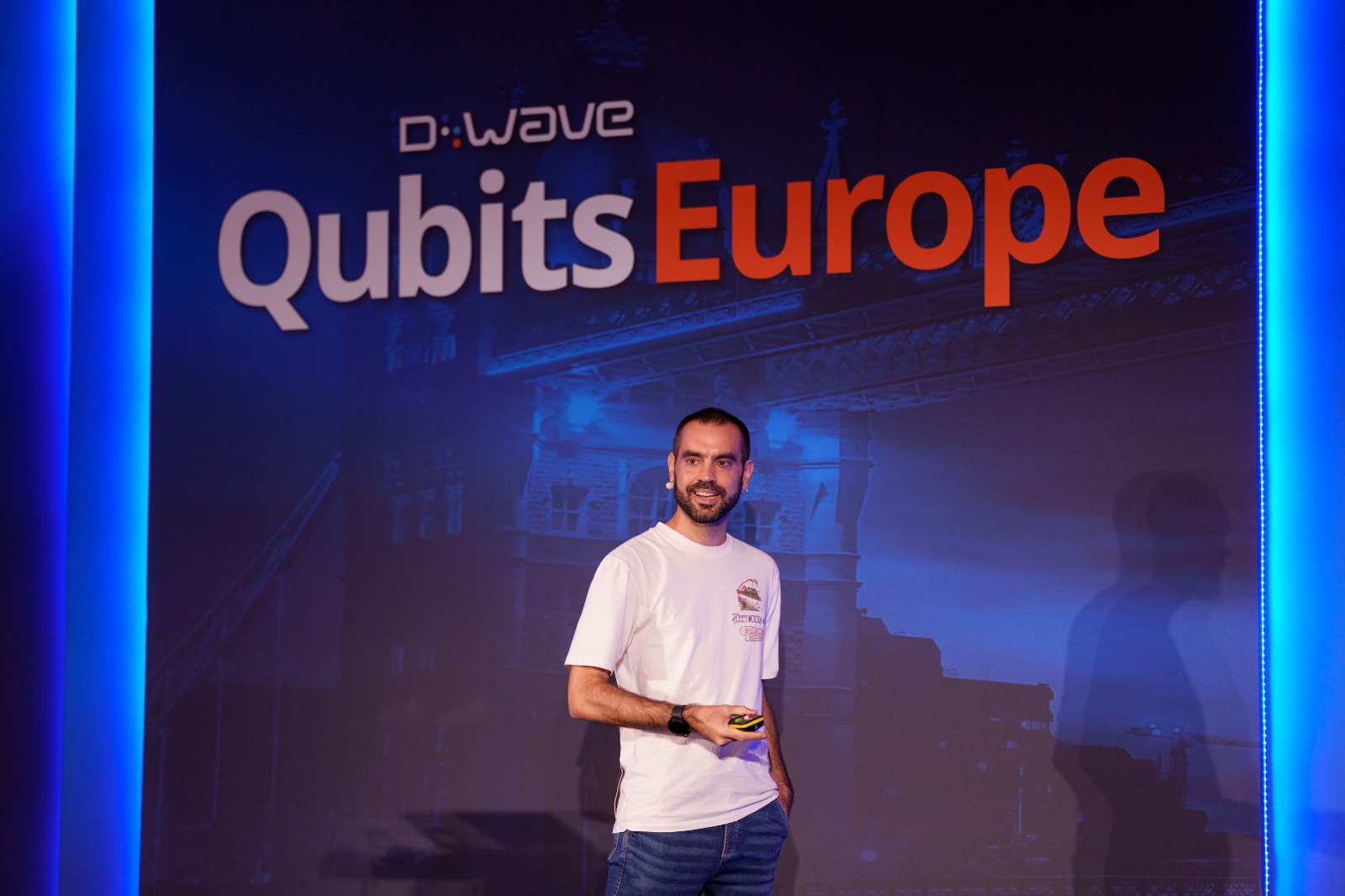
In the summer of 2026, TECNALIA—Spain’s research powerhouse—stepped onto the stage of Qubits Europe and presented a portfolio of real‑world quantum use cases. From chemical‑process optimisation in the petrochemical sector to advanced cryptographic key generation for financial services, the panel showcased scenarios that had previously existed only in theoretical papers.
The round‑table, titled Quantum Investment in Europe, was moderated by Irene López de Vallejo, a senior researcher at TECNALIA. The conversation touched on two main themes: the trending investment flows that are feeding quantum hardware research and the persistent challenges that still keep the technology from mainstream deployment.
A key takeaway was that quantum advantages are being realised in narrow, problem‑specific domains. In logistics, a mid‑size freight company in Germany used a 53‑qubit processor to reduce routing costs by 12 %. Meanwhile, a biotech firm in Boston reported a 15 % speed‑up in protein‑folding simulations. These examples illustrate that quantum computing is no longer confined to academic curiosity.
"We’re at a tipping point," said Dr. Ana Torres, a quantum chemist at the University of Cambridge, "but it’s a slow‑burn process. The hardware has to hit error‑correction thresholds before we see large‑scale gains."
The blockquote above captures the sentiment that, while the field is progressing, the timeline for mass‑scale quantum solutions remains uncertain.
Market Momentum
Financially, the quantum ecosystem is showing the signs of a boom. IonQ’s 2025 earnings report announced a 287 % revenue increase to $80 million, a headline that caught the attention of venture capitalists across Silicon Valley.
According to a recent market analysis, the quantum‑computing segment is projected to grow from $1.93 billion in 2026 to $21.86 billion by 2035, implying a compound annual growth rate of roughly 31 %. The growth drivers cited include heightened research funding, the proliferation of cloud‑based quantum services, and the growing need for quantum‑resilient encryption.
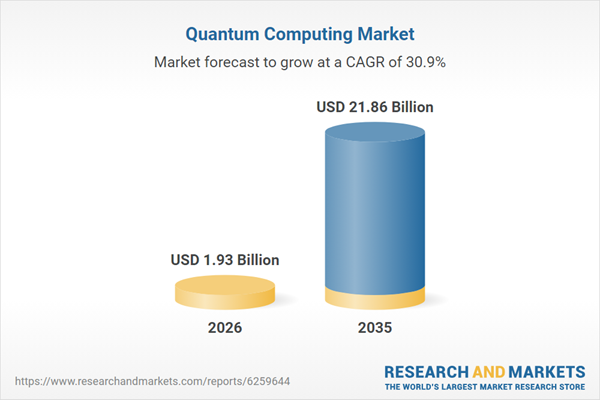
The projection of $21.87 billion is based on current market estimates, but the actual trajectory could be affected by supply‑chain constraints for superconducting qubits and the pace of error‑correction breakthroughs.
Industry players are already positioning themselves. IBM has expanded its Quantum Network to 24 global partners, while Google’s Sycamore chip has entered the quantum‑as‑a‑service arena through its Cloud Quantum API. Even traditional manufacturing giants are investing; a consortium of automotive OEMs announced a joint venture to develop quantum‑assisted material discovery pipelines.
Challenges on the Horizon
Despite the optimism, several obstacles loom. Quantum hardware still grapples with decoherence—the loss of quantum state over time—making reliable, long‑run computations difficult. Error‑correction, the holy grail of quantum tech, remains a costly endeavor; the current leading designs require thousands of physical qubits to support a single logical qubit.
Software ecosystems are also lagging. High‑level quantum programming languages such as Qiskit, Cirq, and Ocean are in rapid evolution, but translating classical algorithms into efficient quantum circuits is still an art. The lack of standardised benchmarking tools means that comparing performance across platforms can be misleading.
From a regulatory standpoint, quantum computing could disrupt existing cybersecurity frameworks. As noted in the Quantum Computing And Crypto Security briefing, quantum‑breakable encryption threatens to invalidate current RSA and ECC keys. Policymakers are racing to update standards before the first practical quantum attacks become a reality.
In the end, whether 2026 will be the year quantum computing steps into everyday industry depends on a convergence of hardware maturity, software readiness, and regulatory adaptation. The field is moving at a breakneck pace, but the timeline for fully error‑corrected, large‑scale machines is still uncertain.
In 2026 we might witness quantum’s first real‑world footprints, but the journey toward ubiquitous deployment is far from complete.
 Computing