 Audio
AudioBest New Headphones and Speakers Revealed at IFA Berlin 2026
From open‑ear comfort to crystal‑adorned earbuds, the 2026 IFA showcased a wave of audio tech that’s poised to change how we listen.
Aug 16, 2026New releases from JBL and Google, plus rumors from Sonos, suggest that machine learning is taking over the world of quiet listening.
By Vaughn Miles · Updated August 16, 2026 at 4:43 AM
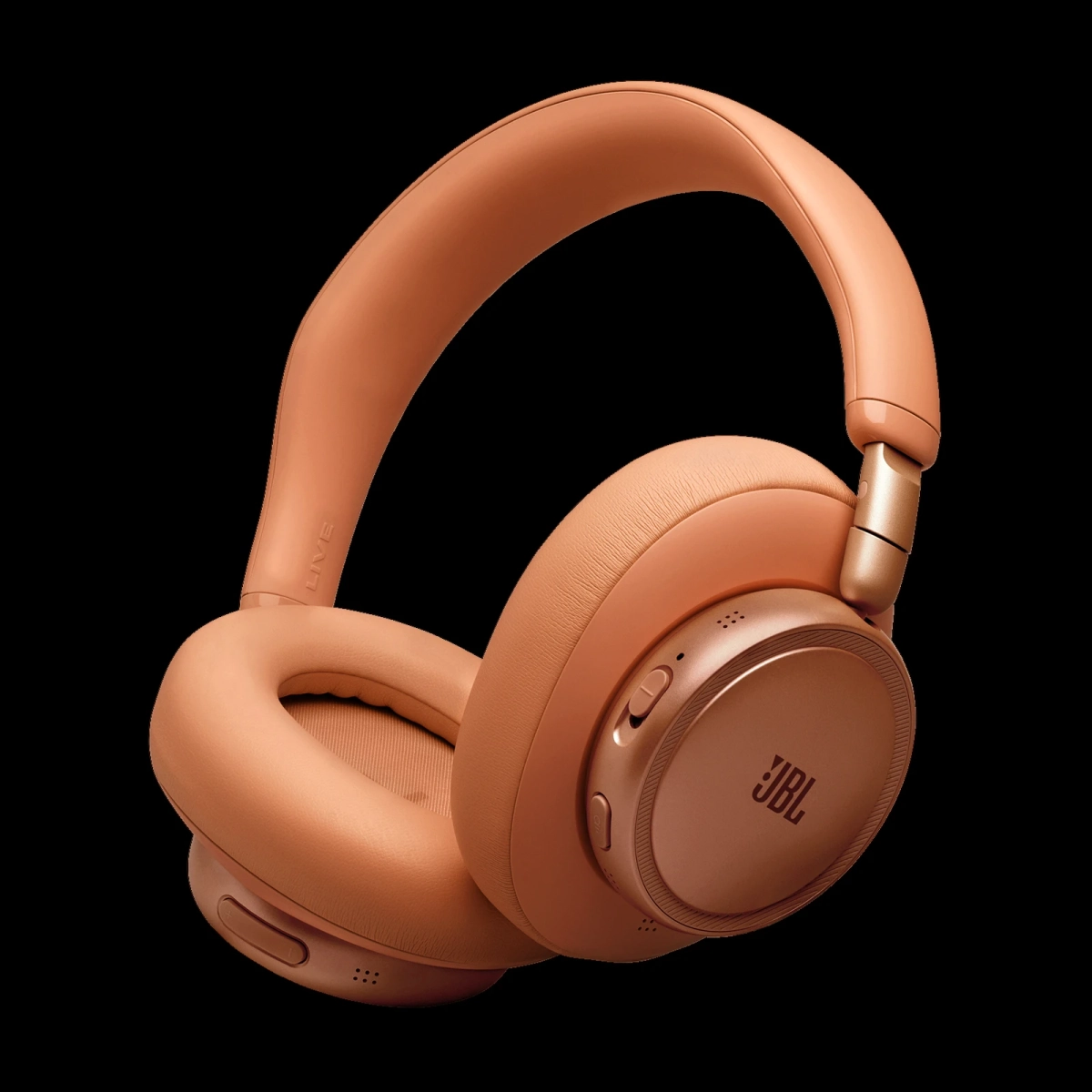
The concept of noise cancellation has been a staple of high‑end headphones for years, but the technology that powers it is finally catching up with the broader AI revolution. Instead of fixed algorithms that simply block out ambient sound, modern headsets are now employing real‑time machine learning models that can distinguish between different sound sources—traffic, office chatter, or even a loved one’s voice—and selectively block or pass through those sounds.
JBL’s newest “Live” series is the first mainstream consumer product to claim fully AI‑driven noise suppression. The over‑the‑ear model boasts a 20‑hour battery life under normal use and up to 80 hours on a single charge, while its companion earbud edition delivers a similar experience in a smaller form factor. What sets the Live Series apart is a “live‑analysis” feature that continuously scans the environment, adapts the filter strength, and learns from the user’s listening habits. This means the headphones can, for example, soften traffic noise in a subway tunnel but still allow a conversation to pass through when you’re on a call.
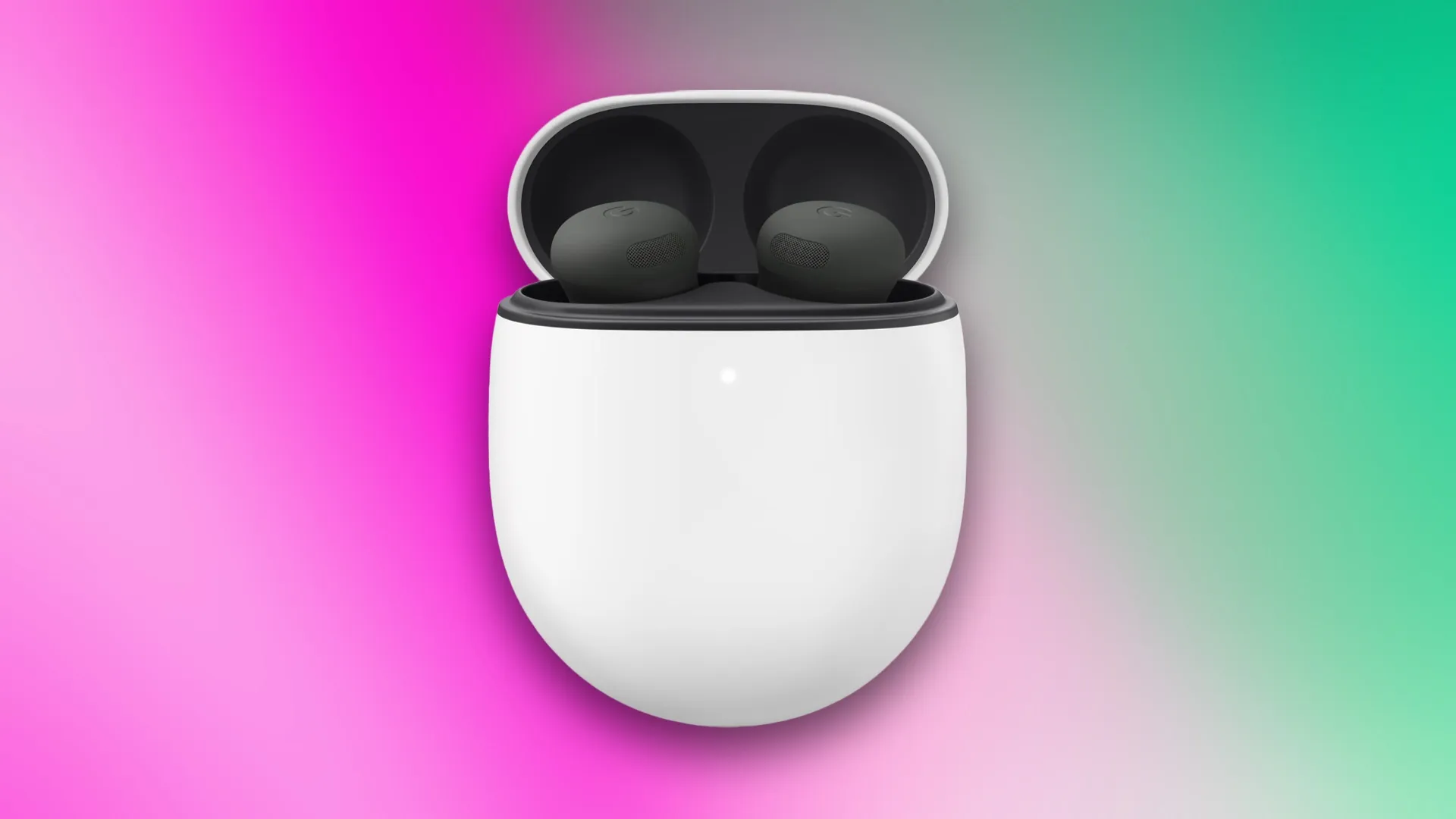
Google’s Pixel Buds Pro 2 are the second‑generation earbuds that have finally landed on the shelves, and they come with a suite of AI‑assisted features that go beyond noise cancellation. The earbuds run on a custom “Pixel Audio” chip that processes ambient sound through a convolutional neural network trained on millions of audio samples. According to a recent CNET article, the AI can identify a user’s preferred audio mix and adjust the equalizer in real time, providing a personalized listening experience.
The Pro 2’s noise cancellation is reported to be 30% more effective than the original model, especially in dynamic environments. What’s more, the earbuds feature “Voice Match” that allows the device to recognize the wearer’s voice and tailor the acoustic settings accordingly. The earbuds’ price was lowered to $189, giving consumers a surprisingly affordable entry into AI‑enhanced audio.
While JBL and Google have taken concrete steps, Sonos is reportedly planning to release a new headset called the Ace Ultra, which would integrate AI as a core feature. According to a 9to5Mac report, Sonos is looking to push the company’s Voice Control into the realm of audio, allowing the headphones to respond to voice commands in a more context‑aware way. It’s unclear whether the Ace Ultra will be a true “noise‑cancelling” model or simply a high‑fidelity listening device that uses AI for equalization. Because Sonos has not yet announced any product specifications, the details remain speculative at this point.
"Sonos’ move into AI‑powered headphones signals a broader shift in the audio industry toward more intelligent devices, though the exact implementation of their noise‑cancellation technology has yet to be revealed," a former industry analyst told a press conference.
For the average user, the promise of AI‑driven noise cancellation is twofold: more efficient quieting of unwanted noise and a more personalized listening experience. In practice, this means earbuds that adapt to a city commute one minute and a quiet office the next. It also means a reduction in battery drain because the algorithms can run at lower power when less aggressive filtering is required.
However, there are caveats. Machine learning models require data to function optimally, raising privacy concerns about what audio is being captured and how it’s processed. Many manufacturers claim that audio data is processed locally on the device, but verification of these claims is scarce.
Moreover, the cost curve remains steep. While JBL’s Live Series and Google’s Pixel Buds Pro 2 are available at mid‑tier prices, the upcoming Sonos Ace Ultra is expected to sit in the high‑end segment. The true test will be whether consumers perceive the added value of AI features enough to justify the premium.
In the near term, the race is on to create the most adaptive, intelligent noise‑cancelling headphone. As AI models become more efficient and cheaper to run on embedded hardware, we may see a flurry of new entrants from both established audio brands and tech giants. The next wave of headphones may not just silence the world—they might learn how we want it to sound.
The question, therefore, is not whether AI‑powered noise cancellation will become mainstream, but how quickly it will evolve and how many consumers will demand it. The fact that JBL, Google, and even Sonos are already investing heavily in this technology suggests that the next big headphone feature is already in the making.