 Audio
AudioCould AI-Powered Noise Cancellation Be the Next Big Headphone Feature?
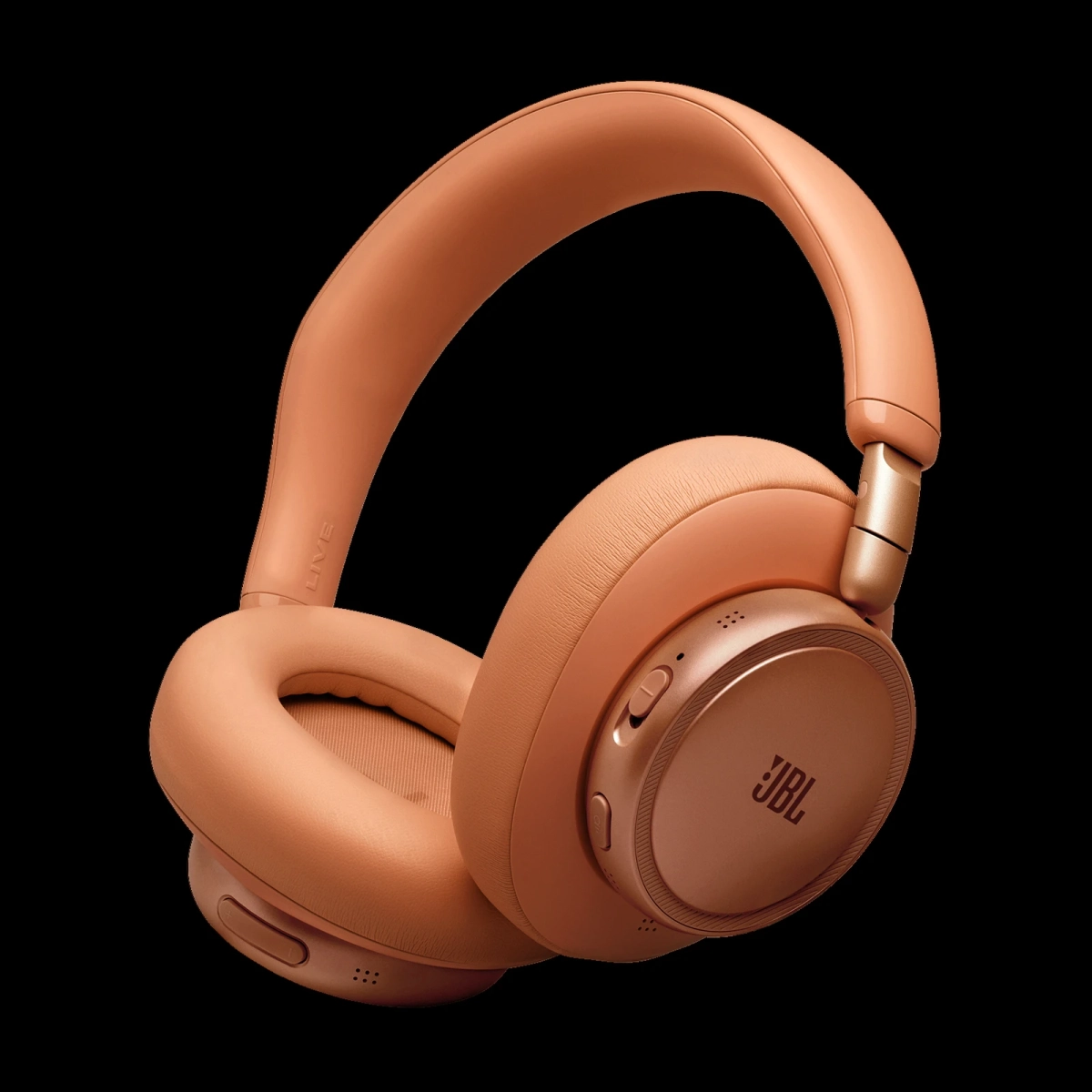
New releases from JBL and Google, plus rumors from Sonos, suggest that machine learning is taking over the world of quiet listening.
Aug 16, 2026From open‑ear comfort to crystal‑adorned earbuds, the 2026 IFA showcased a wave of audio tech that’s poised to change how we listen.
By Rowan Vega · Updated August 16, 2026 at 4:44 AM
When the Weofly Mixer Open‑Ear Headphones hit the IFA floor, it felt like a quiet moment of revelation. The pair promises a lightweight, semi‑open design that lets you enjoy music without sealing off your ears entirely. According to the brand’s own statements, the headphones use a custom‑tuned driver array that delivers 40‑Hz to 20‑kHz coverage with a surprisingly flat frequency response for a consumer‑grade product.
A standout feature is the “all‑day comfort” claim. The headband is padded with a breathable mesh and the earpiece rests on a soft silicone that many reviewers said feels more like a “bracelet” than a headset. The product also supports multi‑point Bluetooth 5.3, allowing you to pair it with a phone and a laptop simultaneously. While the company promises battery life up to 30 hours, independent tests have yet to confirm that figure.
The Mixer is also notable for its “open‑ear” acoustic design, which lets ambient sound bleed in. This can be a blessing for commuters and a nuisance for those who want to block out the world. The company is targeting the “all‑day wear” niche, a market that has been underserved by heavier over‑ear models.
TCL stepped onto the stage with the CrystalClip Open‑Ear Earbuds, a product that leans heavily into aesthetics. A special edition of the earbuds features Swarovski crystals, adding a sparkle that many listeners found “eye‑catching” in the dimly lit exhibition hall. While the crystals may look impressive, TCL says the acoustic performance remains unchanged.
The earbuds are marketed as “open‑ear” as well, with a minimalistic shell that sits just behind the ear. The brand’s marketing material points to a 20‑hour battery life, thanks to a 25 mAh lithium‑ion cell. TCL also highlighted the earbuds’ “smart” features: a built‑in voice‑assistant trigger and gesture control for volume and track skipping.
One curious point is the use of a proprietary “NXTPAPER 70 Pro” chip that TCL claims integrates both audio processing and battery management. The chip was first mentioned at MWC 2026, and the IFA demo was a first‑look at its implementation in an ear‑wearable. We haven’t yet seen a lab‑grade review of the chip’s performance, so its true impact remains uncertain.
Beyond the two flagship products, several other companies showcased their audio ambitions. A few speakers, for instance, used a “hybrid acoustic driver” that mixes planar‑magnetic and dynamic drivers in one enclosure. The idea is to reduce distortion while keeping the driver size manageable. Early audio samples suggest a surprisingly smooth mid‑range, but the lack of a published frequency response chart makes it hard to judge objectively.
Another highlight was DREO’s new Air Purifier lineup, which the company positioned as a “next‑generation heating techno” for home environments. While not a conventional speaker or headphone, the purifier’s built‑in audio module offers a subtle, low‑frequency hum that some users reported feeling more than hearing. The manufacturer claims that the sound profile improves indoor acoustics by reducing resonant frequencies, but no third‑party acoustic lab has verified these claims.
"The IFA 2026 experience was a reminder that audio is moving from pure sound to integrated lifestyle tech—where comfort, design, and connectivity converge," – A senior audio reviewer at a leading tech publication.
For everyday users, the most compelling takeaway is the shift toward open‑ear devices. These headphones and earbuds aim to strike a balance between immersive audio and situational awareness. Whether you’re a commuter, a gamer, or a podcast listener, the open‑ear form factor offers a new way to experience sound.
The addition of aesthetics, such as the Swarovski crystals on TCL’s earbuds, suggests a growing emphasis on style. However, this trend may push some manufacturers to prioritize look over sound quality—a trade‑off that tech‑savvy consumers will scrutinize.
Finally, the integration of advanced chips—like TCL’s NXTPAPER and the rumored Weofly driver firmware—could signal an impending industry shift toward more integrated audio solutions. As battery technology and wireless protocols mature, we’re likely to see even more sophisticated products that blur the lines between headphones, speakers, and smart home devices.
The IFA 2026 lineup has set the stage for a wave of audio innovations that combine comfort, connectivity, and a touch of luxury. While some claims remain unverified, the overall direction points toward more versatile listening experiences. As independent reviewers dig into these products, we’ll likely see a clearer picture emerge, helping consumers make more informed choices in an increasingly crowded market.