 Phones
Could Smart Glasses Replace Your Phone? Apple's Chip Roadmap Hints at the Future
Apple’s next‑gen eyewear may let you snap photos, call friends, and tap into AI—yet the device could still lean on an iPhone for full power.
Aug 16, 2026Phones/Popular Phone Brands/Samsung
A decisive legal victory in the NAND flash arena could reshape Samsung’s memory strategy and strengthen its Galaxy line of processors.
By Jules Whitmore · Updated August 16, 2026 at 4:35 AM

Samsung’s legal team celebrated a pivotal win last week when a U.S. federal judge ruled in favor of the company’s NAND flash patents, a battle that had lingered for over a decade against Netlist. The decision, which affirms Samsung’s claims over a core set of memory technologies, is the latest chapter in a saga that began in the early 2010s when Netlist sued Samsung for alleged infringement of its 3D NAND designs. While the court did not disclose the full extent of the damages, it did declare Samsung’s patents to be valid and infringed, giving the company a powerful leverage point in the rapidly evolving memory market.
Shortly after the ruling, Samsung and Netlist announced a five‑year strategic alliance aimed at advancing artificial‑intelligence (AI) memory. Under the terms—some of which remain confidential—Samsung will gain access to Netlist’s complete patent portfolio, which covers everything from server DIMM (Dual‑In‑Line Memory Module) to high‑bandwidth memory (HBM) technologies. In exchange, Samsung will supply Netlist with DRAM and NAND flash memory for its own research and development.
Uncertain facts: The exact number of patents transferred, the licensing fees involved, and the timeline for implementation are still undisclosed. However, industry analysts believe the agreement positions Samsung to accelerate its entry into the high‑performance memory arena that is critical for next‑generation AI workloads.
For Samsung’s flagship Galaxy line, the ruling and alliance could translate into a more robust, low‑latency memory subsystem. By integrating the newly secured NAND technologies, future Galaxy processors may support faster internal storage, reducing the need to rely on external eMMC or UFS modules for certain high‑bandwidth tasks.
"This ruling is a testament to Samsung’s relentless pursuit of innovation in memory technology," said a Samsung executive during a briefing. "It not only clears a legal hurdle but also unlocks new pathways for integrating advanced NAND into our mobile silicon stack."
While the exact specifications of the upcoming Galaxy chips remain under wraps, engineers anticipate improvements in data throughput and power efficiency—critical metrics for mobile AI inference and gaming.

The broader AI boom has intensified the race for faster, denser memory. Server DIMM and HBM, both covered under Netlist’s portfolio, are becoming foundational to the training and deployment of large language models. Samsung’s newfound legal footing means it can pursue proprietary designs without fear of infringement suits, potentially accelerating its foray into data‑center‑grade memory products.
Industry observers also point to Samsung’s prior involvement in a price‑fixing scandal involving DRAM in the early 2000s. That episode, which resulted in a $300 million fine, underscores the company’s sensitivity to patent and antitrust issues. The latest court ruling could be seen as a strategic effort to safeguard its market position by tightening control over the memory IP it uses.
If the alliance proceeds as expected, Samsung could become a key player in the emerging memory‑centric AI ecosystem. The company’s existing manufacturing prowess—particularly its 3‑nm and 5‑nm process nodes—combined with Netlist’s IP could yield chips that push the envelope in terms of bandwidth and density.
However, the landscape remains fluid. Competitors such as SK Hynix and Micron are also pursuing aggressive patent strategies, and regulatory bodies like the U.S. International Trade Commission have begun investigating related claims. Samsung will need to navigate not only technical challenges but also the complex web of intellectual property and antitrust scrutiny.
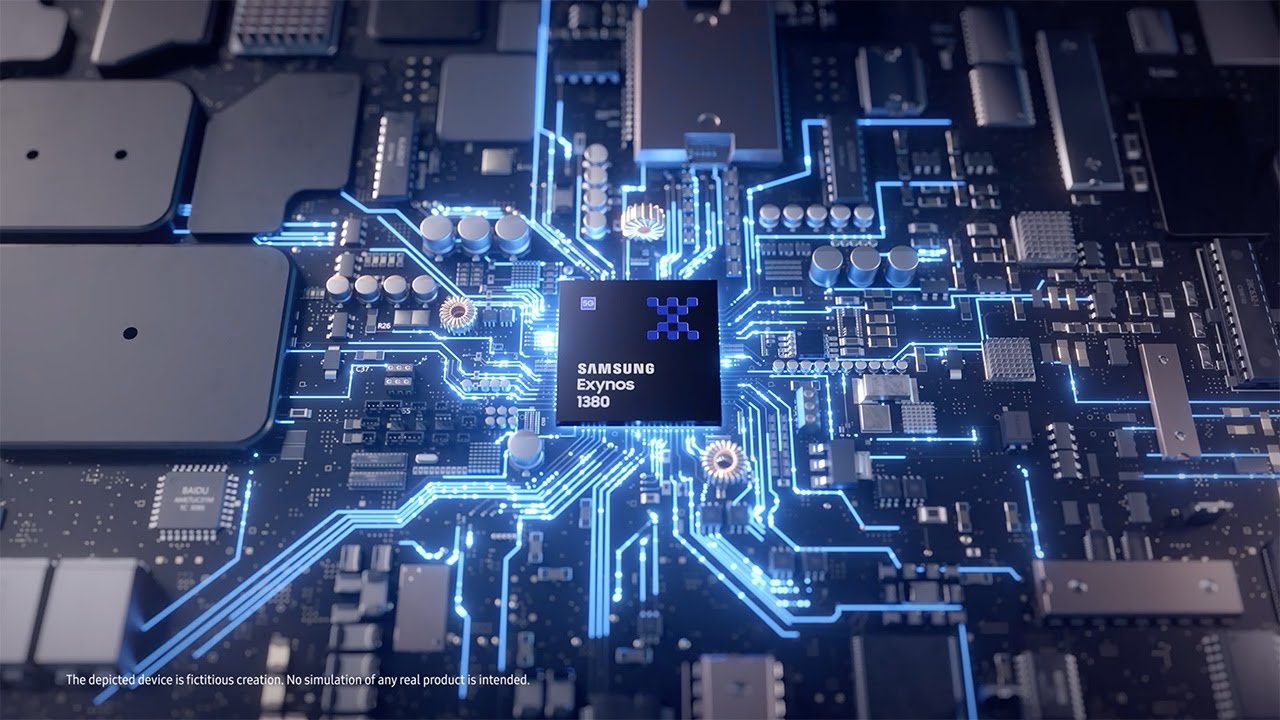
In the end, the court’s decision is more than a legal win; it is a strategic lever that Samsung can use to re‑engineer its Galaxy lineup and position itself at the forefront of AI‑ready mobile hardware. The next few years will reveal whether the partnership with Netlist delivers on its promise of cutting‑edge memory solutions that keep Samsung ahead of the curve.
PhonesApple’s next‑gen eyewear may let you snap photos, call friends, and tap into AI—yet the device could still lean on an iPhone for full power.
Aug 16, 2026 Phones
The rumored Baltra chip, developed alongside Broadcom, was slated to power Apple’s next wave of generative AI services but infrastructure hurdles have pushed its debut back.
Aug 16, 2026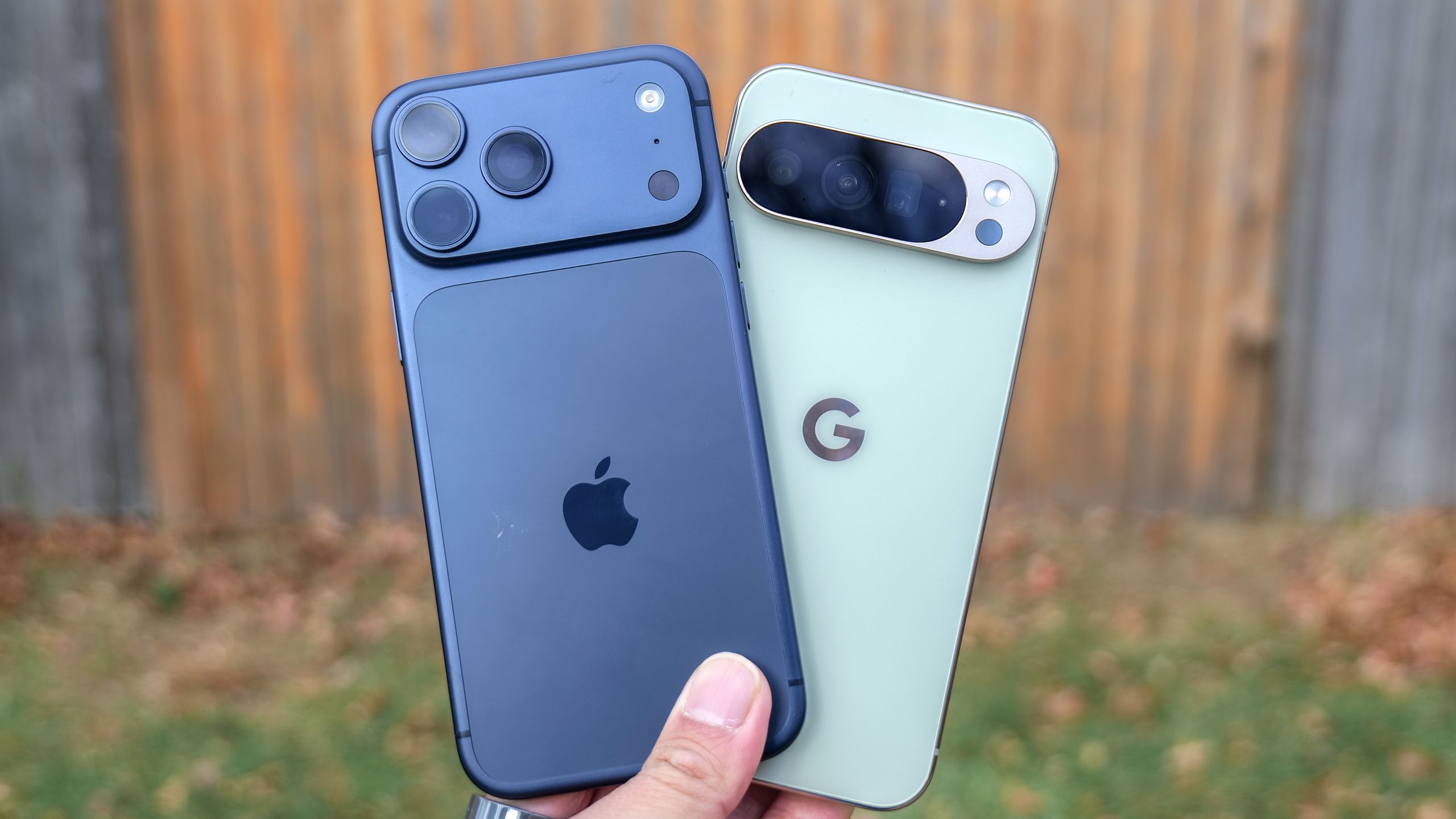 Phones
Apple's next flagship, the iPhone 18 Pro, may launch in September 2026 with a massive camera array, thicker chassis, and a vapor‑chamber cooling system. The rumors also point to a new dynamic island and a possible price boost.
Aug 15, 2026