
Phones/Operating Systems/Android
Why $100 Android Phones Are Quietly Disappearing from US Shelves
The market for budget-friendly smartphones in the US is shrinking rapidly, with sales of sub-$100 Android devices plummeting 64% year-on-year. What’s driving this trend and what does it mean for consumers?

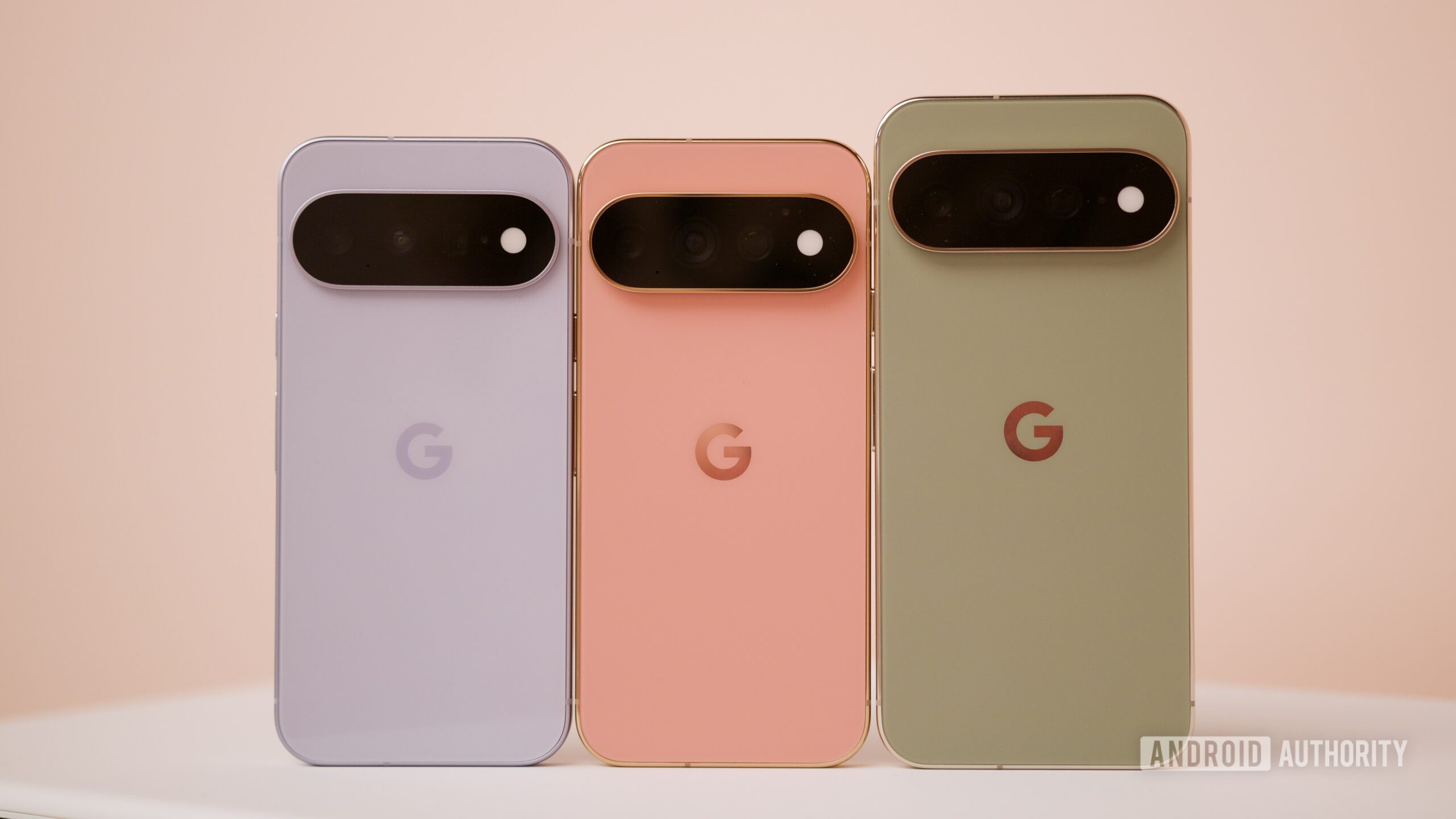
Why $100 Android Phones Are Quietly Disappearing from US Shelves
If you’ve been shopping for a budget-friendly smartphone lately, you might have noticed something unsettling: the sub-$100 Android phone market in the US is shrinking faster than a pair of jeans after one too many holiday dinners. According to Counterpoint Research, sales of these budget devices plummeted by a staggering 64% in the second quarter of 2026. While many of us have grown accustomed to the steady stream of affordable tech, it seems the days of snagging a decent Android phone for less than a C-note are fading fast.
What’s behind this sudden vanishing act? Well, it’s a perfect storm of rising costs, economic pressures, and some classic supply and demand hurdles that are squeezing the life out of the lower end of the smartphone market. Let’s dive deeper into the reasons behind this disappearance and what it means for consumers.
What Changed?
The landscape of budget smartphones is changing, and not for the better. The primary culprit behind the decline in sub-$100 Android phones is the skyrocketing cost of memory chips. As tech giants and hyperscalers ramp up their investments in AI and data centers, they’ve been buying up RAM in bulk, which, unsurprisingly, has driven prices through the roof. This surge in memory costs has severely impacted margins for manufacturers operating on the lower end of the market.
In a nutshell, when memory prices rise, the cheapest smartphones become less viable for manufacturers to produce. Brands that once thrived in the budget segment have either stopped shipping these devices altogether or have quietly raised their prices to levels that no longer qualify them as “cheap.”
Counterpoint's research indicates that overall smartphone sales in the US fell by 5% during the same period, but the decline in budget phones was particularly pronounced. The big players—Apple, Samsung, Motorola, and Google—only saw a slight dip in their sales, while smaller brands faced a 45% drop. This disparity highlights the growing divide in the smartphone market, where larger companies can leverage their scale to secure component inventory that smaller brands simply can’t touch.
Price in the US
So, where does this leave consumers hoping to snag a budget Android phone? Unfortunately, the options are becoming increasingly limited. The price increase trend is evident, with some brands hiking their prices by $30 or more. For instance, Samsung raised the price of its Galaxy A17 by $50 just this past July, pushing it further away from that sweet spot under $100.
As smaller brands exit the market or discontinue their budget lines, the remaining players are consolidating their offerings. Samsung and Motorola now dominate the prepaid market, holding a combined 79% share. This leaves consumers with fewer choices and a higher likelihood of paying more for devices that were once affordable staples.
The reality is that if you’re looking for a phone that won’t break the bank, you may need to either adjust your budget expectations or be prepared to act quickly. With the current trajectory, it’s likely that smartphones priced under $100 will soon become a rarity in the US.
Why It Matters

The decline of sub-$100 Android phones has broader implications beyond just limited options for budget-conscious consumers. It reflects a troubling trend in the tech industry where economic pressures are forcing manufacturers to cater primarily to higher-end markets. This could exacerbate the digital divide, leaving low-income consumers—those who often rely on budget devices—stranded without access to essential technology.
In addition, the rising costs of living, especially for basic necessities like fuel and groceries, further compound the issue. With inflation and economic uncertainty, many consumers are less willing or able to spend on tech upgrades. This means that the traditional budget phone consumer—who might only have a $30 swing in their budget—might simply opt to hold onto their old devices longer or forgo upgrades altogether.
The Impact on Low-Income Consumers
The disappearance of affordable Android phones is particularly concerning for low-income individuals who rely heavily on budget devices for communication and access to essential services. As sales of sub-$100 smartphones have collapsed by 64%, many consumers are left with a dwindling selection of devices that suit their financial constraints.
For many low-income families, a smartphone is not just a luxury—it’s a lifeline. It enables them to stay connected with family, access job opportunities, and even manage financial transactions. A report from Pew Research indicates that around 31% of households earning less than $30,000 rely solely on smartphones for internet access. With affordable devices disappearing, these households may find themselves cut off from vital online resources.
Moreover, the rising costs of living further complicate matters. When families are already struggling to make ends meet, the prospect of spending more than $100 on a smartphone is daunting. As budget devices vanish, low-income consumers may be forced to turn to used or refurbished models, which often come with their own set of risks, such as limited warranties and potential hardware issues.
The situation is exacerbated by the fact that many low-income consumers are not just looking for a phone to browse TikTok; they need reliable devices to handle important tasks like online job applications or telehealth appointments. The loss of affordable options could result in a widening digital divide, where only those with disposable income can stay connected and access the resources they need to improve their circumstances.
Additionally, while companies like Fairphone are introducing more sustainable options with repairable designs, such innovations come with a price tag that is well above the budget range that low-income consumers can afford. Fairphone's latest model, for instance, retails for $649, which feels more like a luxury item than the accessible technology that many need.
Market Trends in Affordable Smartphones

As the market for budget-friendly smartphones contracts, it’s essential to understand the broader trends shaping this segment. The decline of sub-$100 devices is not just a fluke; it’s the result of rising costs, shifting consumer preferences, and strategic decisions by manufacturers.
One of the most significant factors contributing to the decline is the increasing cost of components. The price of memory chips has skyrocketed, driven in part by demand from tech giants investing in artificial intelligence and data storage. This has created a ripple effect, making it more difficult for manufacturers to produce budget devices without sacrificing quality or profitability. As a result, many companies are opting to focus on mid-range and premium models that offer better margins.
Moreover, market consolidation is playing a crucial role in this trend. Major brands like Samsung and Motorola have strengthened their positions in the budget segment, leaving less room for smaller manufacturers to compete. With these giants controlling a significant share of the market, they can dictate pricing and availability, often pushing smaller players out of the game entirely. A staggering 79% of the prepaid market is now dominated by these two companies, leaving consumers with fewer choices.
In response to these trends, manufacturers are increasingly focusing on creating devices that blend affordability with features that appeal to a broader audience. For example, many budget smartphones are now being marketed with better camera capabilities, larger displays, and enhanced battery life—features that may have previously been reserved for higher-end models. However, these enhancements often come at a higher price point, further squeezing consumers in the budget category.
The entry of refurbished and second-hand smartphones into the market is an interesting development. Platforms like Back Market are offering a range of options for consumers looking for budget-friendly devices. While these can be a great alternative, they also come with caveats, such as the lack of a warranty and the risk of purchasing a device with hidden issues. Nonetheless, for many low-income consumers, these refurbished models may be the last bastion of hope for affordable technology.
Overall, the market trends indicate that the days of easily finding a reliable smartphone for under $100 are rapidly coming to a close. With rising costs, consolidation among manufacturers, and shifting consumer preferences, the landscape of affordable smartphones is set to change drastically.
Should You Wait?
If you’re in the market for a new phone, you might be wondering whether to wait it out in hopes that prices will stabilize or new budget options will emerge. Unfortunately, the outlook isn't particularly rosy. With major manufacturers like Apple and Google expected to launch new devices at higher price points, the trend of rising costs for smartphones seems set to continue.
Moreover, as smaller brands exit the market, the chances of new entrants providing budget options are slim. The market's current dynamics make it clear that consumers should act quickly if they see a budget phone that meets their needs. Waiting for a better deal might just lead to fewer choices down the line.
Conclusion
In conclusion, the quiet disappearance of sub-$100 Android phones from US shelves isn’t just a passing trend; it’s a signal of larger shifts in the tech landscape. As memory prices rise and economic pressures mount, the budget smartphone market is being squeezed out, leaving consumers with fewer options and higher prices. If you're seeking a budget device, now might be the time to make a move before those options vanish altogether.
The smartphone industry is undergoing significant changes, and while some may argue that better phones are worth the investment, we must consider the implications for those who rely on budget devices. As we navigate this shifting landscape, one thing is clear: the days of easily finding a reliable smartphone for under $100 are quickly becoming a thing of the past.
With economic factors in play and major shifts in supply chains, consumers will need to stay vigilant and informed to make the best choices for their tech needs. So next time you see a budget Android phone, consider snapping it up—before it’s just another relic of a bygone era.
Newsletter
Get the morning gadget briefing
A short recap of the stories that actually matter — phones, AI, EVs, and the rest — in your inbox.
No spam. We’ll only send the briefing.
Keep reading
Read next
More in Android
Continue
 Phones
Pokémon x Polaroid Cameras: Price, Release Date and Where to Buy
Explore the exciting collaboration between Pokémon and Polaroid featuring limited-edition instant cameras, themed film, and accessories.
Aug 19, 2026

eSIM‑Only Phones Are Becoming the Default in the US — What You’re Losing
Aug 16, 2026
Comments (0)
Keep it civil. Anyone can reply. Edit and delete stay on this browser after refresh.
No comments yet. Start the conversation.