
Tesla NACS vs CCS: The Battle for EV Charging Standards
The North American Charging Standard (NACS) is gaining traction, but will it surpass the Combined Charging System (CCS) in the US and EU?
By Casey Brooks · Updated August 16, 2026 at 5:20 PM
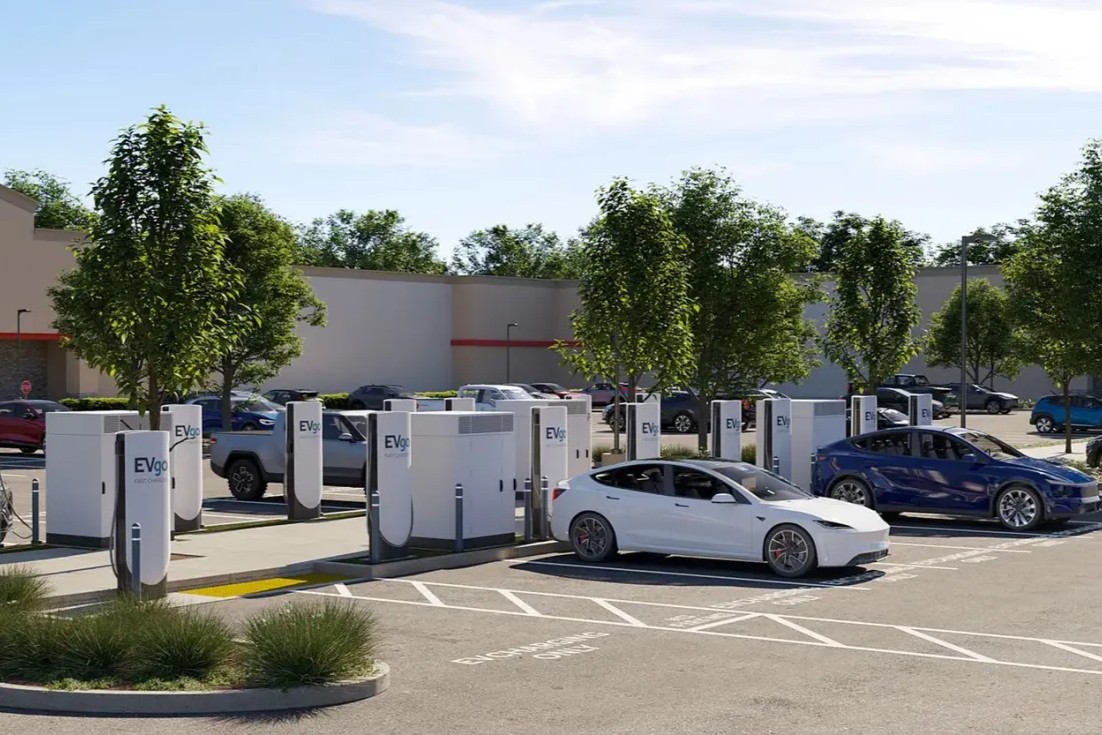
The electric vehicle (EV) landscape is undergoing a significant transformation, with the North American Charging Standard (NACS) developed by Tesla gaining momentum. As of August 2026, several key players in the industry are adopting NACS, including EVgo, which plans to deploy Tesla Superchargers across its network. This move is expected to increase the accessibility of fast-charging infrastructure for both Tesla and non-Tesla EV owners.
One of the primary advantages of NACS is its convenience. With a single plug, drivers can charge their vehicles at either Tesla Superchargers or other NACS-compatible stations. This streamlined experience is a significant improvement over the current system, which often requires multiple adapters and accounts. The new Mitsubishi Eclipse Sportback EV, for example, will come equipped with both J1772 and NACS charging ports, allowing drivers to take advantage of Tesla's extensive Supercharger network.
The adoption of NACS is not limited to new vehicle models. Several existing EVs, such as the 2026 Hyundai Ioniq 5 and the 2027 Chevy Blazer EV, are also being upgraded with NACS ports. This trend is expected to continue, with many manufacturers transitioning to the NACS standard in the coming years. As a result, the number of NACS-compatible charging stations is likely to increase, providing EV owners with greater flexibility and convenience.
However, the Combined Charging System (CCS) remains a widely used standard, particularly among non-Tesla automakers. CCS has been adopted by many European manufacturers, and its use is prevalent in countries like Germany and France. The CCS standard is also supported by several major charging networks, including Ionity and ChargePoint.

Despite the competition between NACS and CCS, the ultimate goal of both standards is to provide a seamless charging experience for EV owners. As the demand for EVs continues to grow, the importance of a unified charging standard will become increasingly evident. In the US, for example, the number of EVs on the road is expected to reach 3.5 million by 2025, with many of these vehicles requiring access to fast-charging infrastructure.
The future of EV charging will be shaped by the adoption of NACS and CCS. As the industry continues to evolve, it is essential to prioritize a unified standard that prioritizes convenience, accessibility, and sustainability.
In conclusion, the battle between NACS and CCS is far from over. While NACS is gaining traction, CCS remains a widely used standard. Ultimately, the success of either standard will depend on the ability of manufacturers and charging networks to provide a seamless and convenient charging experience for EV owners. As the EV landscape continues to shift, one thing is certain: the importance of a unified charging standard will only continue to grow.
The growth of the EV market is also driving innovation in charging technology. New companies are emerging, and existing players are expanding their offerings to meet the increasing demand for fast and convenient charging. The development of more efficient and sustainable charging solutions will be critical in supporting the widespread adoption of EVs.
As the industry moves forward, it is essential to consider the long-term implications of the NACS and CCS standards. While both standards have their advantages and disadvantages, the ultimate goal should be to create a unified and accessible charging network that supports the growth of the EV market. By prioritizing convenience, sustainability, and accessibility, the EV industry can continue to thrive and provide a better experience for drivers around the world.