
Hybrids Are Capturing California’s Auto Market, Overtaking EVs as Gas Prices Surge
In Q2 2026, hybrids account for nearly 25% of California car sales, surpassing electric vehicles for the first time since 2020 amid rising fuel costs and fading tax incentives.
By Rowan Vega · Updated August 16, 2026 at 1:13 PM
The Hybrid Surge
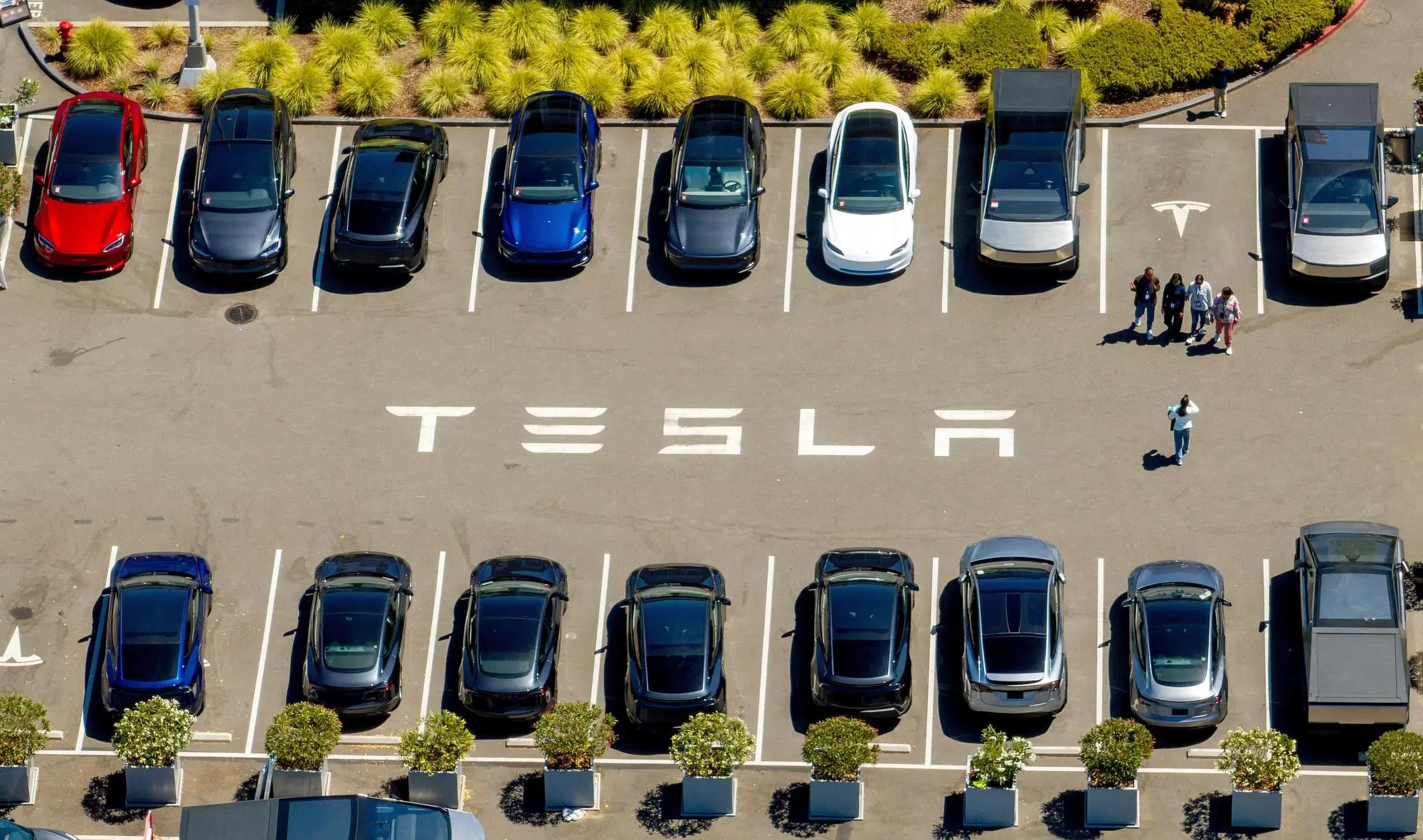
California’s automotive landscape is flipping a new page. According to recent sales data, hybrids now represent almost one in every four vehicles purchased in the state during the second quarter of 2026. That’s a staggering 25% share—larger than the 17.8% that battery electric vehicles (BEVs) command. For the first time since 2020, hybrids outpaced EVs in a market that has long been championing electrification.
The shift is not just a numbers story; it reflects deeper changes in consumer priorities. Fuel prices have climbed to a new high in California, with average gasoline costs hovering near $4.00 per gallon. At the same time, the federal EV tax credit—once a significant driver for electric buyers—has expired for many models, eroding the price advantage of BEVs.
"Hybrid vehicles are now the preferred choice for many Californians looking for a cost‑effective, fuel‑efficient solution without sacrificing range or performance," said a spokesperson for the California New Car Dealers Association. "The market is showing that hybrids are not a niche but a mainstream option.”
Why Hybrids Are Winning
1. Fuel Economy Meets Affordability
Hybrid models offer a sweet spot between traditional internal combustion engines and full electric drivetrains. They deliver near‑EV range in city driving while still providing the flexibility of a gasoline backup for long trips. With California’s fuel prices high, the savings on gas can offset the higher upfront cost of many hybrid models.
2. More Options on the Lot
Dealerships now carry a broader selection of hybrids—from compact city cars to midsize sedans and SUVs. Manufacturers have responded to the market signal by accelerating hybrid development. That breadth gives buyers more choice, which is especially appealing when the perceived future value of an EV is uncertain.
3. Tax Credit Expiration
Federal incentives for EVs have been a major sales driver. The $7,500 tax credit phased out for several popular models in 2025, and many remaining EVs no longer qualify. Hybrids, on the other hand, have largely stayed out of the tax credit radar, keeping their pricing more competitive.
4. Used Market Dynamics
The used EV market is heating up, but the average listing price for a used all‑battery vehicle in California is $38,342—up 3.5% from May and 7% year‑over‑year. For many buyers, the price premium on used EVs, combined with uncertain battery warranties, makes new hybrids an attractive alternative.
Market Outlook
While hybrids are currently leading, the automotive industry remains in flux. Battery technology is advancing rapidly, and several automakers are launching new electric models slated for 2027. Additionally, California’s Zero‑Emission Vehicle (ZEV) mandate will continue to push for higher electric penetration.
However, if gasoline prices remain high and federal incentives for electric vehicles stay limited, hybrids could maintain or even grow their share of the market. Some analysts predict that hybrid sales might account for 30% of new car purchases in California by the end of 2028, if the current trends persist.
What Buyers Should Consider
- Total Cost of Ownership: Hybrids typically have higher maintenance costs than pure EVs but lower fuel costs than conventional cars. Compare projected fuel savings with maintenance expenses.
- Range Anxiety: If you drive long distances regularly, consider the battery range of hybrid models versus full EVs.
- Resale Value: With the used EV market priced higher, hybrids may hold value better in a short‑to‑mid‑term resale window.
Bottom Line
California’s shift toward hybrids underscores a broader message: consumer confidence in fully electric vehicles is not as strong as the industry had hoped, especially when external factors like fuel prices and tax policies fluctuate. Hybrids bridge the gap, offering the environmental benefits of electrification without the perceived risks of an all‑electric future.
The next few years will reveal whether hybrids become a permanent fixture in California’s fleet or a transitional phase leading back to pure electric dominance.