
EV/Batteries & Technology/Batteries
EV Battery Factory Slowdowns in the US: What's Actually Behind the Pause
The US electric vehicle battery factory construction and operations slowdown, attributed to policy and market uncertainties, and shifting demand to energy storage systems
By Cameron Reed · Updated August 16, 2026 at 2:24 PM
Introduction to the EV Battery Factory Slowdown
The slowdown in EV battery factory construction and operations in the US has been a topic of discussion in recent months. This slowdown is primarily due to policy and market uncertainties surrounding federal EV tax credits, as well as a significant shift in demand from passenger EVs to energy storage systems (ESS).
AESC's suspension of the Florence County project in June 2025 was attributed to policy and market uncertainty, while GM's Indiana battery plant pause in May 2026 was due to a slowdown in EV demand following the expiration of the federal EV tax credit.
Despite these pauses, companies like Sila are expanding their battery materials factories to meet global EV demand, which has seen a 27% year-over-year increase. Additionally, some companies are converting parts of their EV battery plants to focus on ESS production, driven by strong demand in the US.
The Role of Policy and Market Uncertainty
Policy and market uncertainty have been major contributors to the slowdown in EV battery factory construction and operations. The expiration of the federal EV tax credit in September 2025 led to a decrease in EV demand, causing companies like GM to pause production at their battery plants.
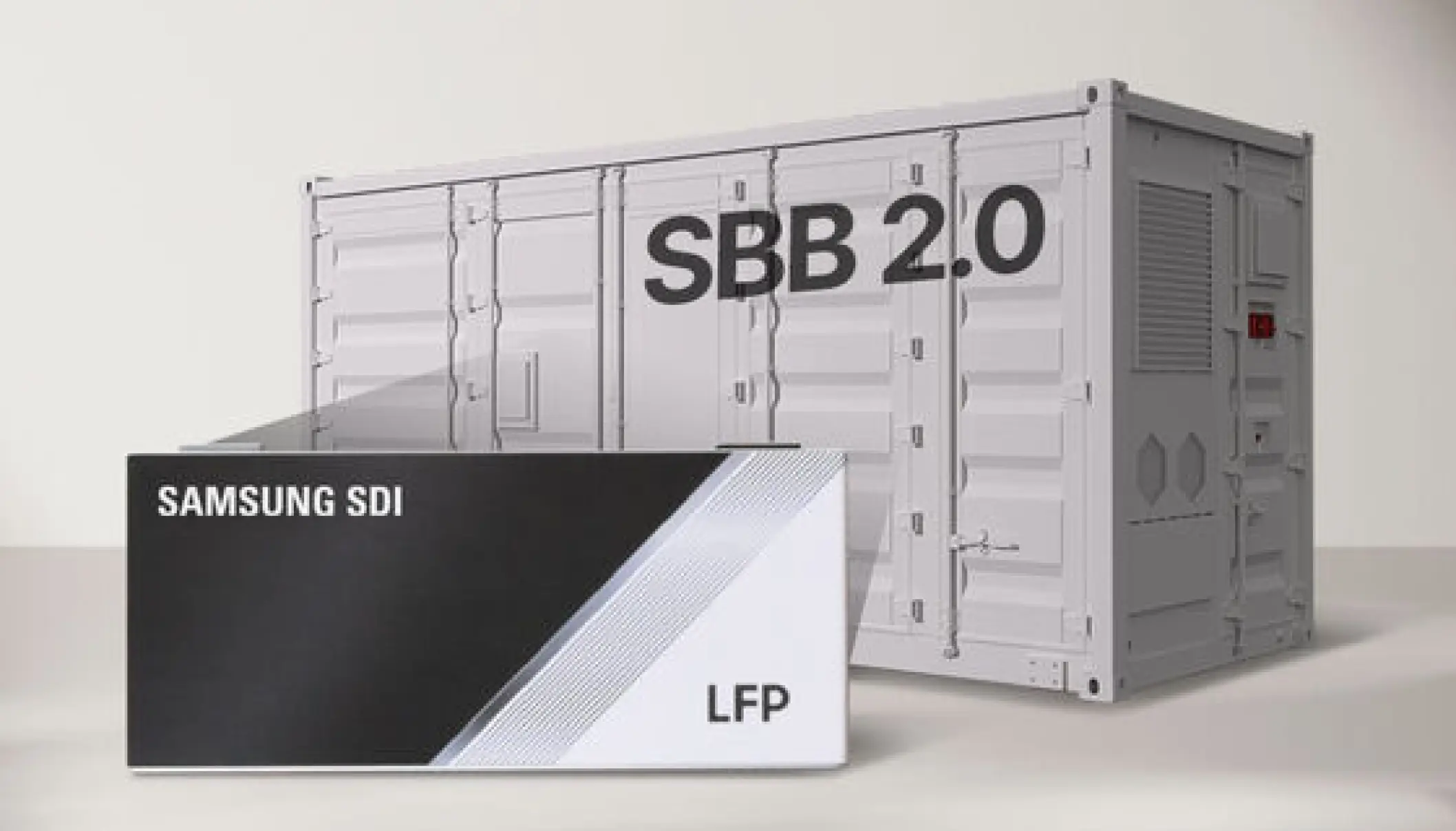
The shift in demand from passenger EVs to ESS has also played a significant role in the slowdown. As the demand for ESS batteries increases, companies are adapting by converting their EV battery plants to meet this new demand.
The Impact of the Slowdown on the Industry
The slowdown in EV battery factory construction and operations has had a significant impact on the industry. Companies like AESC and GM have had to pause production, leading to a decrease in employment and economic activity in the areas where these plants are located.
However, the expansion of battery materials factories by companies like Sila is a positive sign for the industry. The increase in global EV demand is driving the need for more battery materials, and companies are responding by expanding their production capacity.
The slowdown in EV battery factory construction and operations is a complex issue, driven by a combination of policy and market uncertainty, as well as shifting demand.
The Future of the EV Battery Industry
Despite the current slowdown, the future of the EV battery industry looks promising. The increase in global EV demand is driving the need for more battery production, and companies are responding by expanding their capacity.
The shift in demand from passenger EVs to ESS is also expected to continue, driven by the increasing need for energy storage solutions. Companies that are able to adapt to this shift will be well-positioned for success in the future.
Conclusion
In conclusion, the slowdown in EV battery factory construction and operations in the US is a complex issue, driven by a combination of policy and market uncertainty, as well as shifting demand.
Despite the challenges, the future of the EV battery industry looks promising, driven by the increase in global EV demand and the shift in demand from passenger EVs to ESS. Companies that are able to adapt to these changes will be well-positioned for success in the future.
The expansion of battery materials factories by companies like Sila is a positive sign for the industry, and the conversion of EV battery plants to focus on ESS production is a testament to the ability of companies to adapt to changing market conditions.
As the EV battery industry continues to evolve, it will be important to monitor the impact of policy and market uncertainty, as well as the shift in demand from passenger EVs to ESS.
By understanding these factors, companies and investors can make informed decisions about the future of the industry, and work to create a more sustainable and efficient EV battery supply chain.