
Love them or hate them, data centers are now an election issue
As data centers become a focal point in politics, public opposition grows, reshaping the landscape of the upcoming midterm elections.

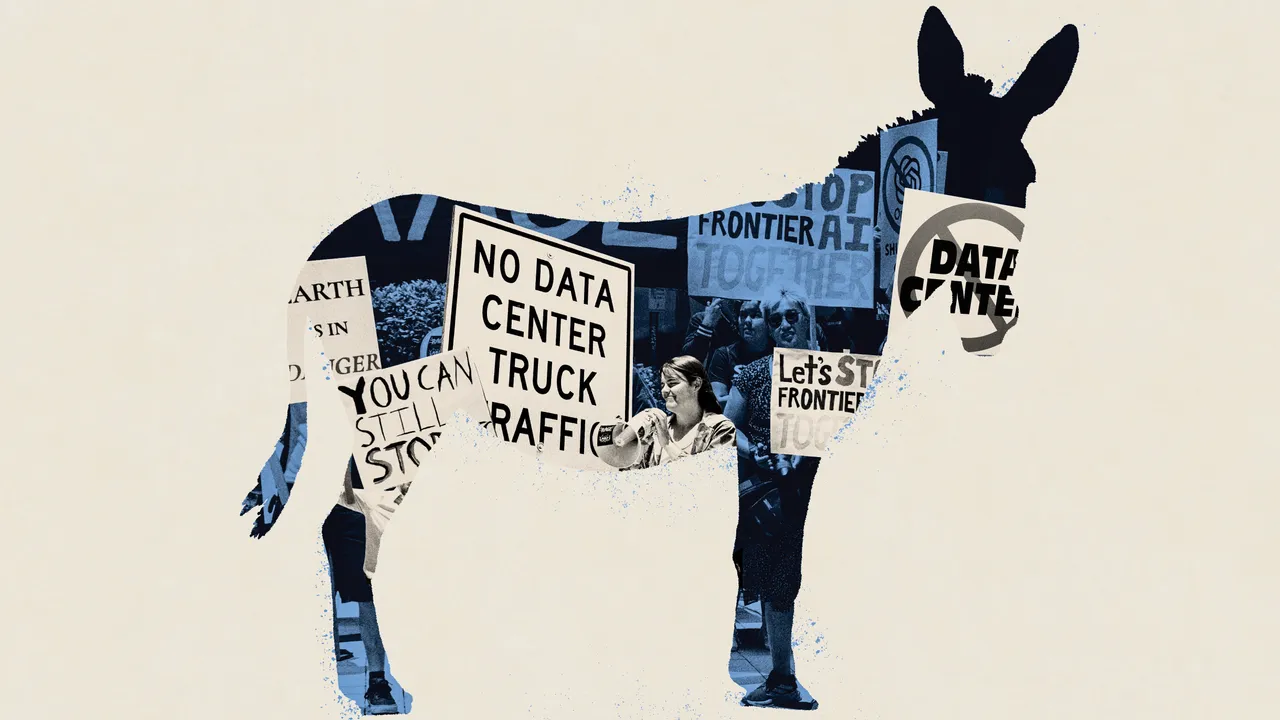
Love them or hate them, data centers are now an election issue
In the past few years, data centers have transitioned from being mere infrastructure components to hot-button political issues. As the American public becomes increasingly aware of the implications of artificial intelligence (AI) and the massive data centers that power it, candidates from both sides of the political aisle are scrambling to address the growing backlash. With recent primary results showcasing the potency of this issue, it's evident that data centers are no longer just a technological concern; they're shaping political discourse and rallying voters, especially as the midterm elections loom.
The rise of opposition to data centers can be traced back to growing public concerns about their environmental impact, job displacement, and rising electricity costs. According to a Gallup poll, a staggering 70% of Americans oppose building large-scale data centers in their communities. The opposition is not confined to one political faction; it's a broad-based movement that unites progressives and conservatives alike, raising questions about the future of AI infrastructure in the U.S. and beyond.
What Changed?
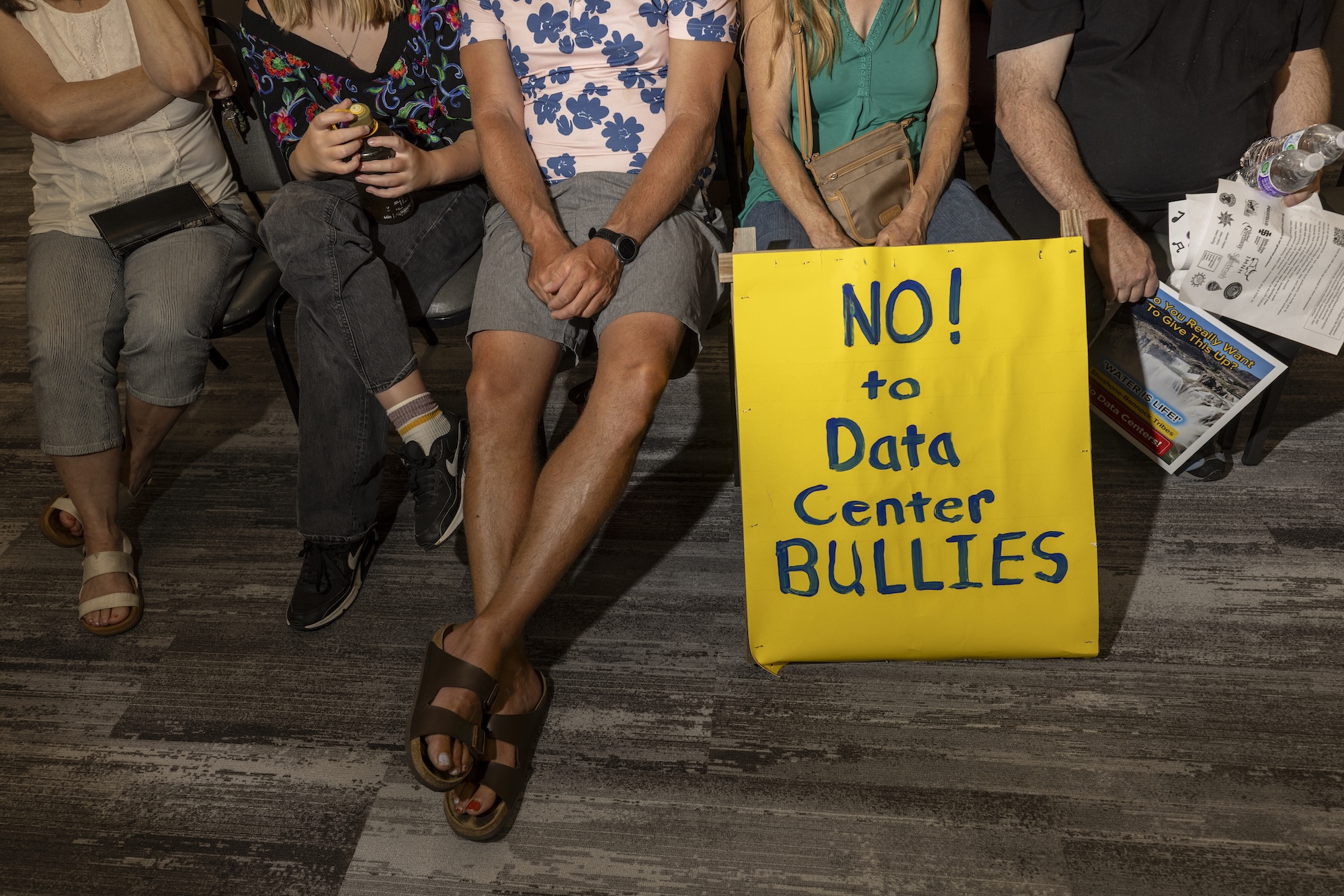
Historically, the narrative surrounding data centers was largely positive, with politicians and industry leaders touting their potential to drive economic growth and technological advancement. However, recent months have seen a dramatic shift. Candidates like Abdul El-Sayed in Michigan and Francesca Hong in Wisconsin have emerged as vocal opponents of data centers, advocating for moratoriums on their construction. This shift is not merely a reaction to local sentiment but a reflection of a nationwide trend where the public is increasingly skeptical of the tech industry and its promises.
In Michigan, El-Sayed's campaign has highlighted the negative consequences of data centers, framing them as a threat to local communities rather than a boon. His assertion that "people really effing hate data centers" resonates with a public that has witnessed firsthand the disruption these facilities can cause, from increased electricity rates to environmental degradation. Similarly, Hong's campaign has used striking imagery, such as the slogan "press control-alt-delete to put a stop to this A.I.-data-center crisis," to galvanize support against what many view as unchecked corporate expansion.
The backlash has prompted even traditionally pro-tech politicians to reconsider their positions. For instance, Texas Governor Greg Abbott, who previously championed data centers as a cornerstone of economic development, recently announced a suspension of all new data center projects pending a review of their costs and benefits. This pivot illustrates a growing recognition among politicians that public sentiment is shifting against these massive facilities.
The Price Tag on Data Centers
The financial implications of data centers are a significant factor in the current political climate. The construction of hyperscale data centers, which can consume as much electricity as entire cities, often leads to increased electricity costs for local residents. This is a major concern for voters, particularly in states where energy prices are already high. Local leaders are being forced to reckon with the reality that while data centers promise technological advancement, they often come at a substantial cost to their communities.
In addition to soaring electricity costs, there are concerns about job displacement. While data centers create jobs during the construction phase, many of these positions are temporary. Once operational, data centers require a relatively small workforce compared to the vast resources they consume. This has led to accusations of "jobless growth," where communities bear the brunt of the environmental and economic impacts without reaping significant employment benefits.
The juxtaposition of promising economic growth against the backdrop of rising costs and job losses is fueling public outrage. As voters become more aware of the hidden costs associated with data centers, they are increasingly vocal about their opposition. This public outcry is manifesting in protests, town hall meetings, and, crucially, at the ballot box.
The Political Landscape
As data centers become a focal point in the current election cycle, candidates are beginning to take note. The National Republican Senatorial Committee has flagged data centers as a "sleeper issue" in the midterm elections, indicating that both parties recognize the potential political fallout of supporting their construction. Democrats are leveraging this backlash to highlight the perceived duplicity of pro-tech politicians, particularly those aligned with former President Trump.
Trump's administration has been a staunch advocate for data centers, framing them as essential for economic growth and AI development. However, his base is increasingly skeptical, with polls showing that a majority of Americans, including a significant number of Republicans, oppose new data centers in their communities. This disconnect has led to a precarious position for candidates who once championed data centers as economic engines but now find themselves navigating a complex landscape of public opinion.
Vivek Ramaswamy, the Republican nominee for governor of Ohio, recently distanced himself from the pro-data center rhetoric, asserting that he is not "pro-data center," a statement that underscores the shifting political winds. As candidates scramble to align themselves with voter sentiment, the data center debate has emerged as a defining issue that could shape the outcome of elections in key battleground states.
Should You Wait?
For those contemplating the future of AI infrastructure, the question remains: should we wait for a clearer political consensus before proceeding with data center projects? As the backlash against data centers continues to grow, it may be prudent for stakeholders to pause and reassess the landscape. The political climate is rapidly changing, and what was once considered a surefire investment may now carry significant risks.
The emergence of moratoriums on data center construction in states like New York signals a shift toward more cautious approaches to AI infrastructure. Stakeholders must consider not only the economic implications of data centers but also the social and environmental repercussions that have sparked widespread opposition. As communities increasingly voice their concerns, the need for transparency and accountability in the tech industry has never been more pressing.
Waiting may also provide an opportunity for more sustainable and community-focused approaches to data center development. As public sentiment evolves, there is potential for innovative solutions that prioritize local needs while still advancing technological growth. Engaging with communities and addressing their concerns head-on could pave the way for more responsible infrastructure development in the future.
In the meantime, candidates and policymakers must navigate the tricky waters of public opinion, balancing the demands of their constituents with the interests of the tech industry. As the election cycle unfolds, the data center debate will undoubtedly remain a focal point, shaping not only political outcomes but also the future of AI infrastructure in the United States and beyond.
Impact on Local Communities
Data centers can significantly impact local economies and communities, both positively and negatively. While they promise to bring jobs and investment, the reality is often more complicated. For starters, data centers consume massive amounts of resources. A mid-sized data center uses as much water daily as a small town, and larger facilities can guzzle up to 5 million gallons per day! That’s enough to make you wonder if they’re running a data center or a water park.
In many areas, the construction and operation of these centers can lead to increased utility rates for residents. Local governments often offer tax incentives to attract these tech giants, leading to a loss in potential revenue that could have funded public services. “Great, we’ve got a shiny new data center,” residents might think, “but why is my electricity bill skyrocketing?” The answer often lies in the increased demand on local utilities and infrastructure that simply can’t keep up.
Moreover, there’s a growing concern over land use. As data centers pop up, they can consume vast tracts of land, leading to habitat destruction and changes to local ecosystems. This has prompted some communities to enact moratoriums or bans on new data center construction, seeking to protect their environments and ensure that the benefits of these developments are shared with local residents.
Community responses vary widely. Some embrace the economic potential, while others rally against what they see as a violation of their quality of life. Initiatives to establish transparent community agreements have emerged, aiming to ensure that local residents see tangible benefits such as tax revenue, workforce training, and improved public amenities. After all, if you're going to host a data center the size of a small city, you’d better be getting more than just a few extra jobs and a slightly faster internet connection in return.
Counties across the U.S. have started implementing moratoriums on new data center constructions. This is often a "natural reaction" to the myriad concerns about noise, infrastructure strain, and public health impacts associated with these facilities. Residents are understandably wary of the potential pollution risks that accompany data centers, which can include air and water contamination from construction and operation.
It's not all doom and gloom, though! Some data centers have invested in community programs, pledging to contribute to local schools or parks. However, these benefits can seem like a drop in the bucket compared to the massive footprint they leave behind. The critical question for many communities remains: Are we truly benefiting from hosting these tech behemoths, or are they just taking more than they give?
Environmental Concerns
The environmental impacts of data centers are critical issues that have sparked debate in the current election discourse. With data centers projected to account for 8% of U.S. energy usage by 2030—double what it is today—there's a lot to unpack. Most of this energy is derived from fossil fuels, leading to increased greenhouse gas emissions. As anyone who’s ever tried to run a computer in a poorly ventilated room knows, the heat generated can be staggering, and it's not just the servers that are feeling the heat—our planet is too.
One of the most pressing concerns is the water usage for cooling systems. Data centers require significant amounts of water to maintain optimal temperatures, which can contribute to local water shortages, especially in areas already facing drought conditions. Experts warn that a one-size-fits-all approach to data center regulation doesn't work; local conditions vary widely, and understanding these nuances is critical for sustainable development.
Additionally, the construction and operation of data centers can lead to air and water pollution risks. The increased traffic and infrastructure needed to support these massive facilities can contribute to higher emissions and a decline in local air quality. As local communities grapple with these issues, the calls for more stringent regulations grow louder.
The push towards renewable energy adoption is essential to mitigate the environmental impact of data centers. While some companies are making strides toward sustainability, many still rely heavily on traditional energy sources. The conversation around renewable energy isn’t just about being eco-friendly; it’s also about reducing costs in the long run and ensuring that we can power our digital future without frying our planet in the process.
Moreover, the potential for urban heat effects is a growing concern as data centers become more common in metropolitan areas. The heat generated by these facilities can exacerbate the urban heat island effect, contributing to higher local temperatures and increased cooling demands in nearby buildings. It's a vicious cycle that not only affects the environment but also places additional strain on local energy resources.
As communities and policymakers begin to address these environmental concerns, there is a growing recognition that responsible data center development must prioritize sustainability. Whether through energy efficiency measures, renewable energy sourcing, or transparent community engagement, the path forward must involve collaboration between tech companies and the communities they impact.
Conclusion
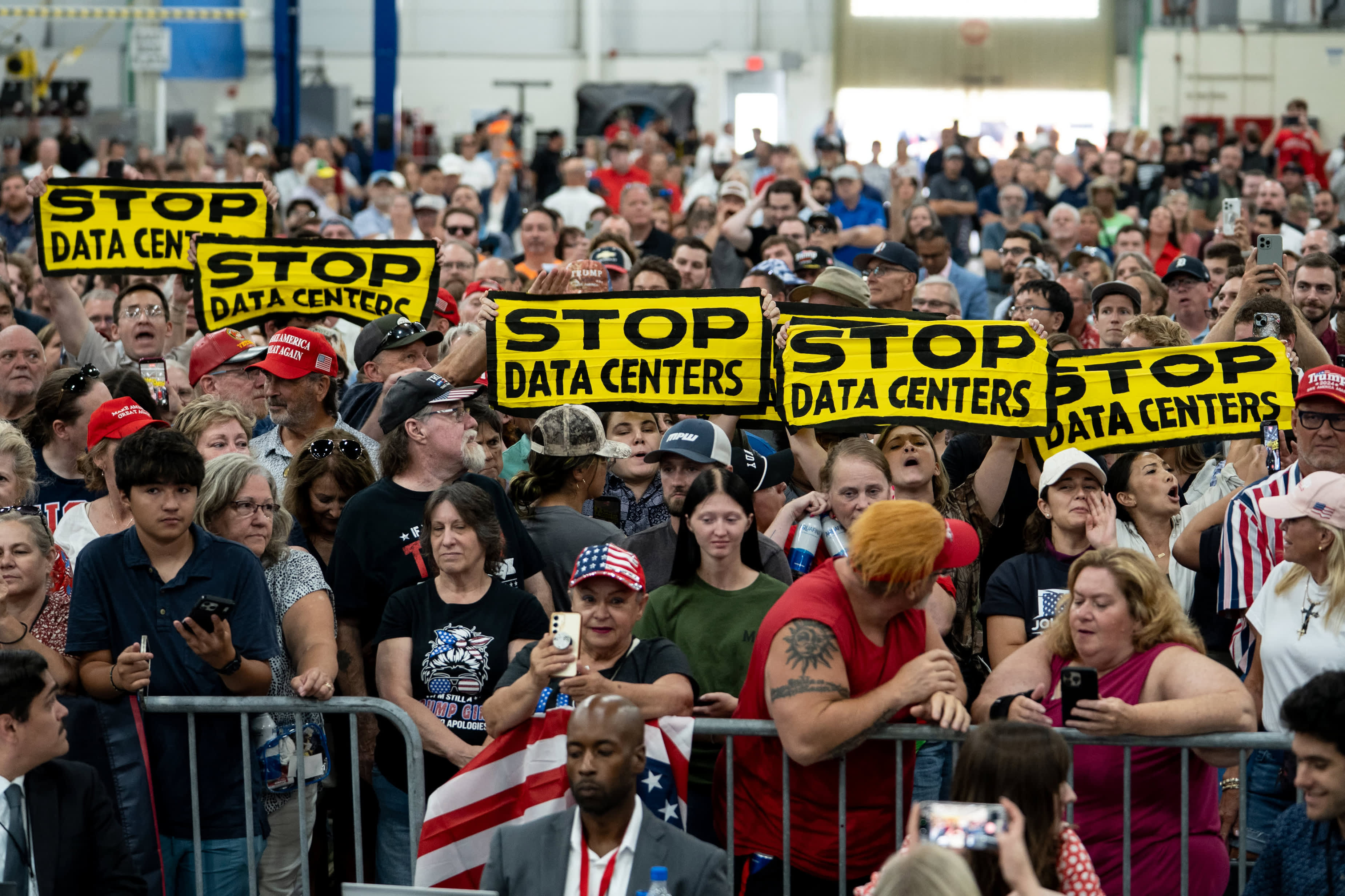
The rise of data centers as a political issue reflects a broader societal reckoning with the implications of AI and technology. As public sentiment shifts against the unchecked expansion of data centers, candidates are finding that opposition to these facilities can be a powerful rallying cry. The consequences of this backlash are far-reaching, impacting not only local communities but also the broader political landscape.
As we move closer to the midterm elections, it is crucial for voters to engage with these issues and hold their representatives accountable. The growing resistance to data centers offers an opportunity for meaningful dialogue about the future of technology and its role in our lives. Whether viewed as a threat or a necessity, data centers are now an inescapable part of the political conversation, and their fate will undoubtedly shape the future of AI in America.
Newsletter
Get the morning gadget briefing
A short recap of the stories that actually matter — phones, AI, EVs, and the rest — in your inbox.
No spam. We’ll only send the briefing.
Keep reading
Read next
More in Other
Continue
 AI
AITech Weekly: Strong AI Earnings Power a Volatile Week
This week, the stock market soared to record highs, driven by impressive earnings from AI-centric companies. As the U.S. and European markets thrive, we delve into the implications of these developments for investors and the economy at large.
Aug 20, 2026


Comments (0)
Keep it civil. Anyone can reply. Edit and delete stay on this browser after refresh.
No comments yet. Start the conversation.