What Is RGB Mini LED, and Why Is Every TV Brand Betting on It in 2026?
The next big leap in TV brightness and color fidelity is coming in 2026, and every major manufacturer is racing to adopt RGB Mini‑LED backlights. But how does it differ from existing LCD and OLED tech, and what does it mean for home entertainment?
By Jesse Monroe · Updated August 16, 2026 at 6:27 AM
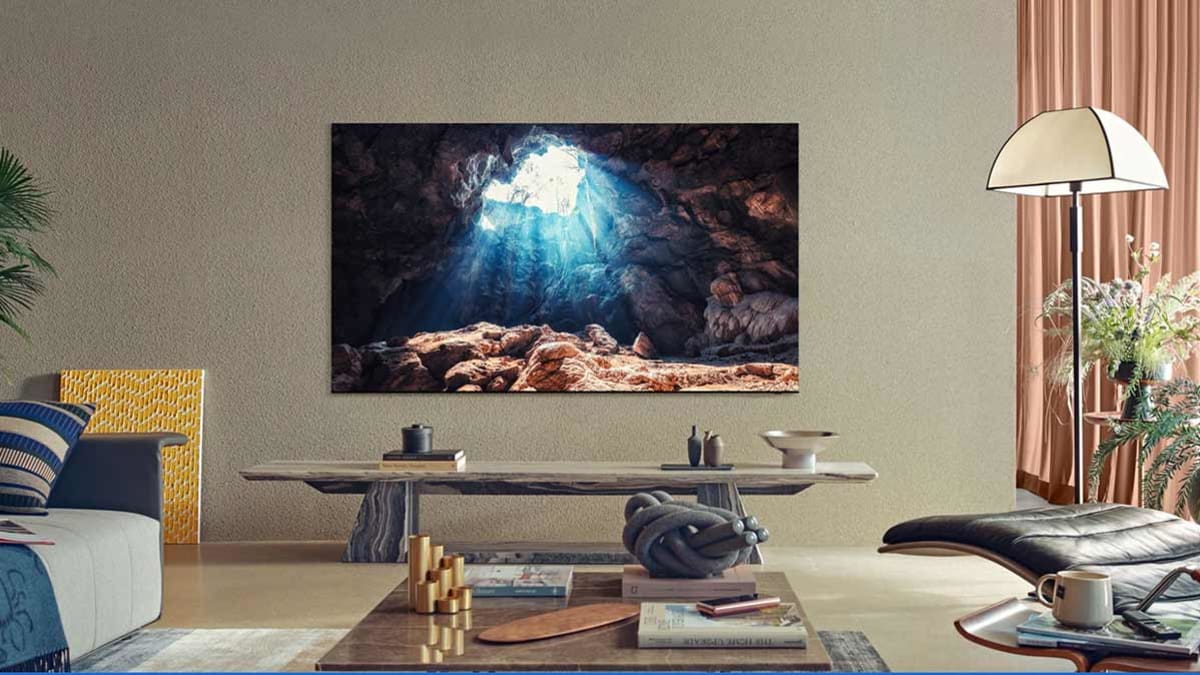
The Basics of RGB Mini‑LED
Traditional LCD televisions rely on a single white LED array that is filtered by a liquid‑crystal layer to produce colors. In contrast, RGB Mini‑LED uses thousands of tiny, independently controlled red, green, and blue LEDs directly behind the screen. These mini‑LEDs are so small—often less than 0.1 mm in diameter—that they can be grouped into tight local‑dimming zones. The result is a backlight that can illuminate a pixel cluster with the exact hue it needs, rather than relying on color filters.
The immediate benefit? A far wider color gamut and more precise control over brightness. While standard LED backlights are limited by the phosphor conversion of white LEDs, RGB Mini‑LED can reach peak luminance levels of 3,000 cd/m² or more, comfortably surpassing the 1,500–2,000 cd/m² ceiling of most conventional panels.
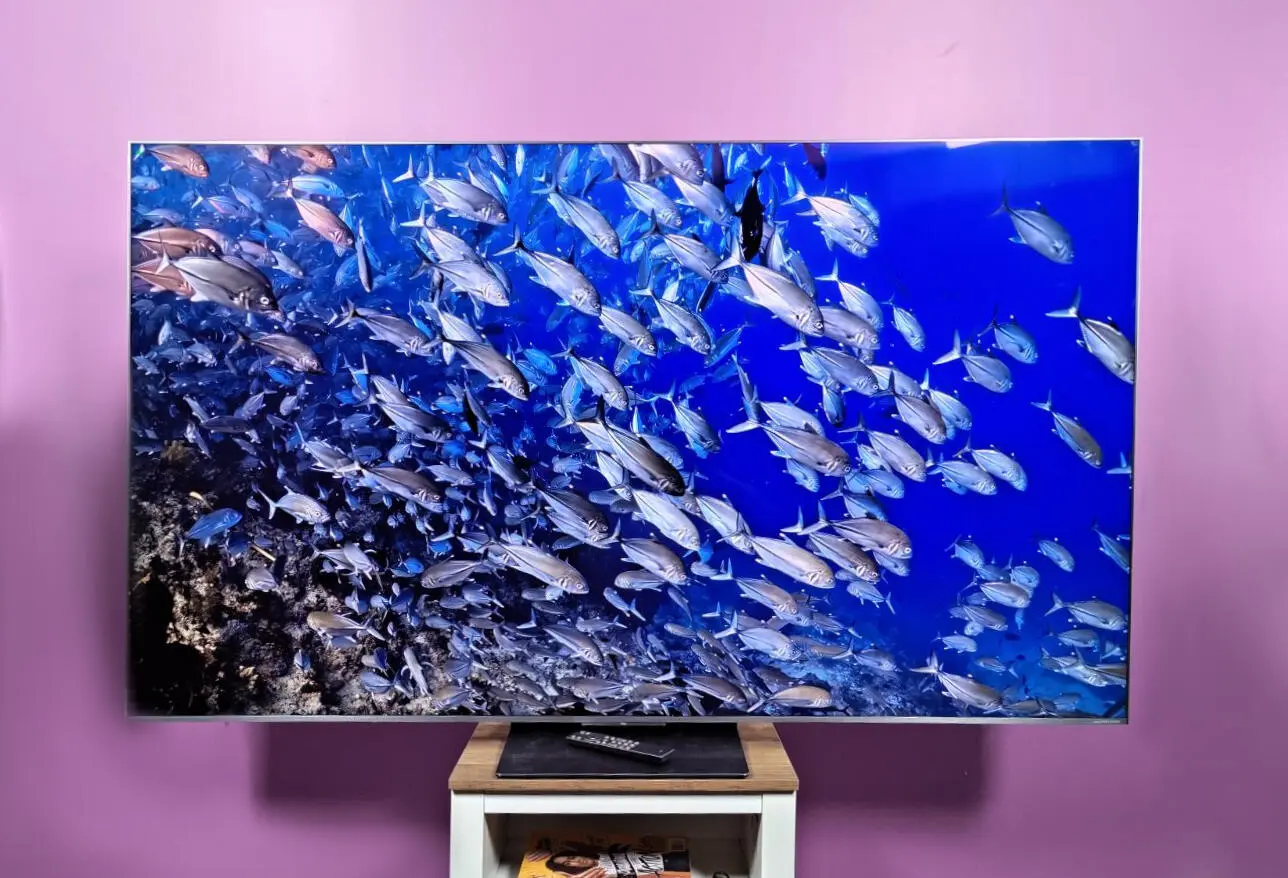
Why 2026 Is a Turning Point
A few key developments converge to make 2026 the year of RGB Mini‑LED:
- Manufacturing Maturity – The cost of producing ultra‑small LEDs dropped sharply after 2024, thanks to economies of scale in semiconductor fabs and improved photolithography.
- Software Advancements – TV‑makers now have sophisticated local‑dimming algorithms that can manage hundreds of zones simultaneously, turning what once was a niche feature into a mainstream selling point.
- Competitive Landscape – With OLED’s supply constraints and the rising price of 4K panels, brands are seeking an alternative that offers OLED‑level brightness without the same production bottlenecks.
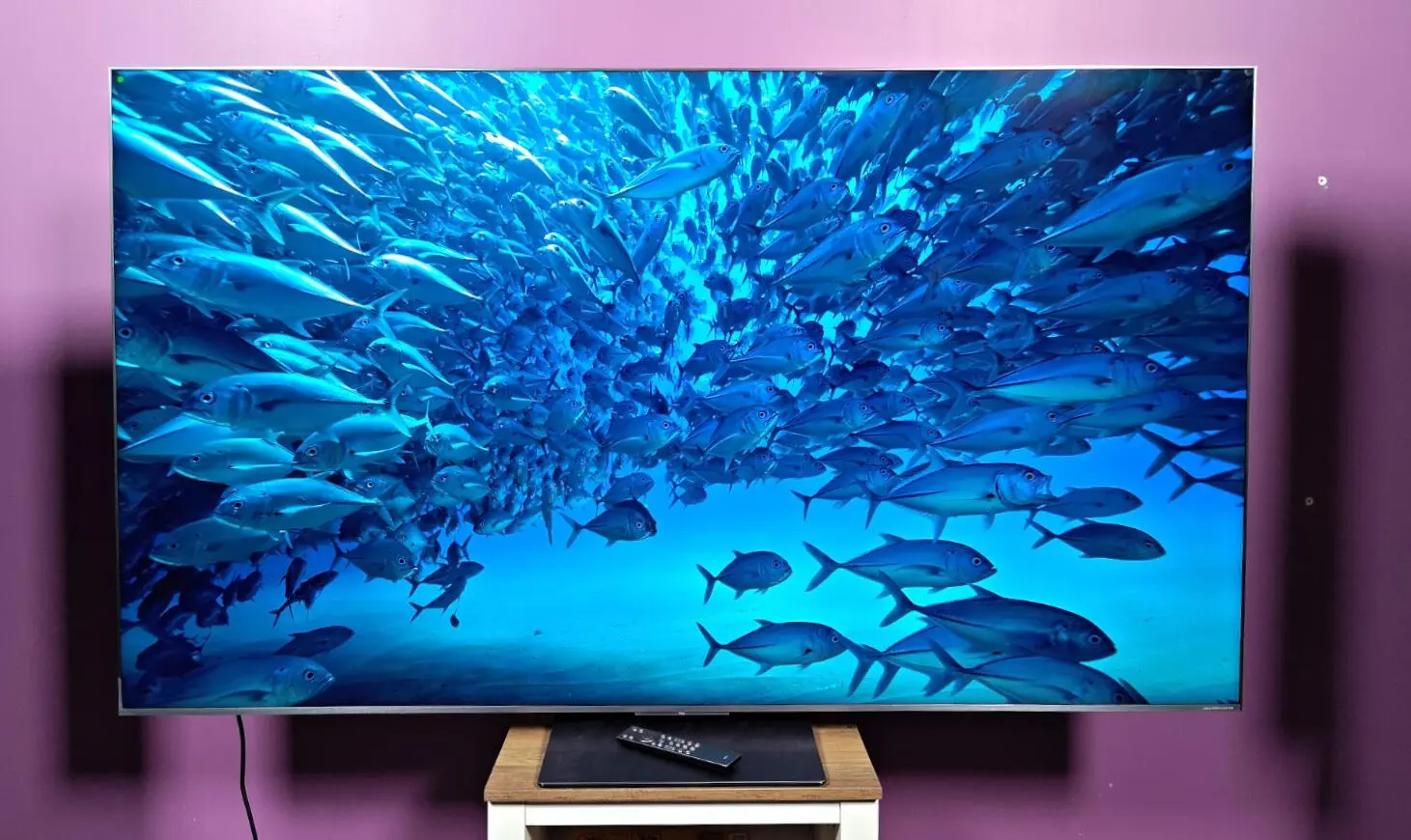
Every major brand—Hisense, LG, Samsung, and TCL—has announced flagship models that highlight these benefits. Their marketing pushes the narrative that RGB Mini‑LED is the only way to bring cinema‑grade HDR to the living room.
RGB Mini‑LED vs. OLED: A Comparative Lens
"RGB Mini‑LED is not a silver bullet. It can outshine OLED in brightness, but OLED still dominates in local‑contrast and black‑level performance. The question is, will the gap close enough that consumers will prefer RGB for sheer luminosity?"—Industry analyst
OLED panels achieve perfect blacks by turning off individual pixels, whereas RGB Mini‑LED still relies on a backlight. Even with thousands of dimming zones, a small light leak can reduce contrast. However, the higher luminance makes RGB Mini‑LED well‑suited for bright rooms and gaming, where HDR peaks are prized.
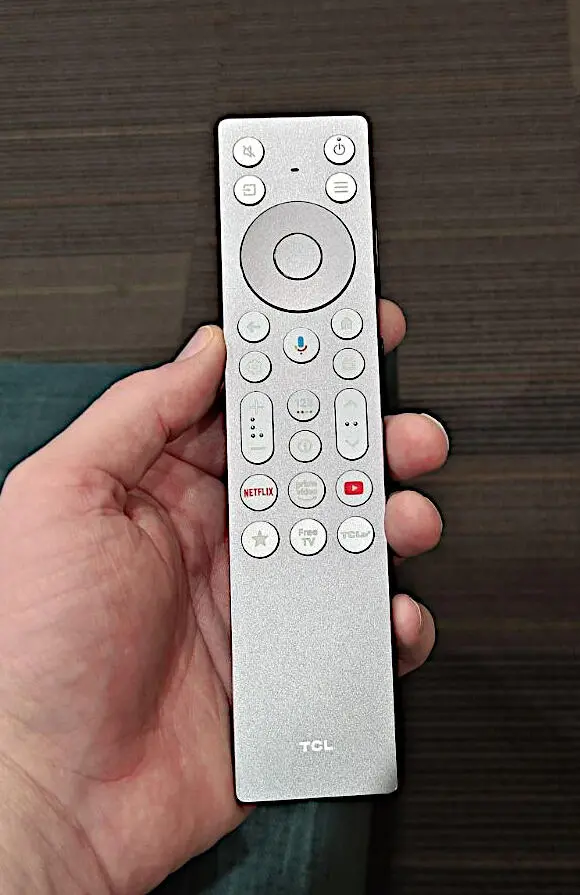
Another angle is color accuracy. Because the LEDs are individually tuned, RGB Mini‑LED can reproduce color coordinates that approach Rec. 2020 more closely than white‑LED backlit LCDs. OLED, while excellent in contrast, can suffer from subtle hue shifts at high brightness.
The Consumer Experience
For everyday viewers, the most noticeable change is the “firework” of color that RGB Mini‑LED can produce in HDR scenes. In a recent blind test, a 75‑inch RGB Mini‑LED model achieved a peak brightness of 2,800 cd/m², while its OLED counterpart capped at 1,200 cd/m². That means brighter, more vibrant sunsets and fireworks, especially in well‑lit rooms.
However, the price premium remains a hurdle. The average retail cost for a 55‑inch RGB Mini‑LED TV is roughly 15‑20 % higher than comparable OLEDs. Some manufacturers, like TCL’s QM8L, have tried to offset this by offering aggressive pricing or bundling features such as AI upscaling and advanced gaming modes.
Uncertain facts: while early data suggests superior brightness, long‑term durability of the minuscule LEDs under constant high‑luminosity operation is still being evaluated.
The Future Outlook
If the current trajectory holds, we may see a gradual migration toward hybrid panels—combining OLED pixel layers with RGB Mini‑LED backlights—to capture the best of both worlds. Sony’s upcoming “Hybrid LED‑OLED” concept, for instance, is rumored to integrate RGB Mini‑LED zones with OLED’s native self‑illuminating pixels.
For now, the main takeaway is that RGB Mini‑LED represents a significant step forward in color science, but it is not yet a complete replacement for OLED. Enthusiasts will likely gravitate toward it for gaming and bright‑room use, while movie buffs and cinephiles may still prefer OLED’s superior black levels.
In 2026, every major TV brand has a stake in RGB Mini‑LED. Whether it becomes the dominant technology or simply a niche premium option remains to be seen, but one thing is certain: the next wave of home entertainment will be brighter, more colorful, and more complex than ever before.