Intel Pours $15 B into AI Chip Surge, Ramping Up Production and Workforce Restructuring
The silicon giant’s fresh capital raise coincides with aggressive job cuts and a renewed focus on custom silicon, advanced packaging and external wafer fabs, amid a booming AI chip market.
By Owen Clarke · Updated August 16, 2026 at 6:34 AM
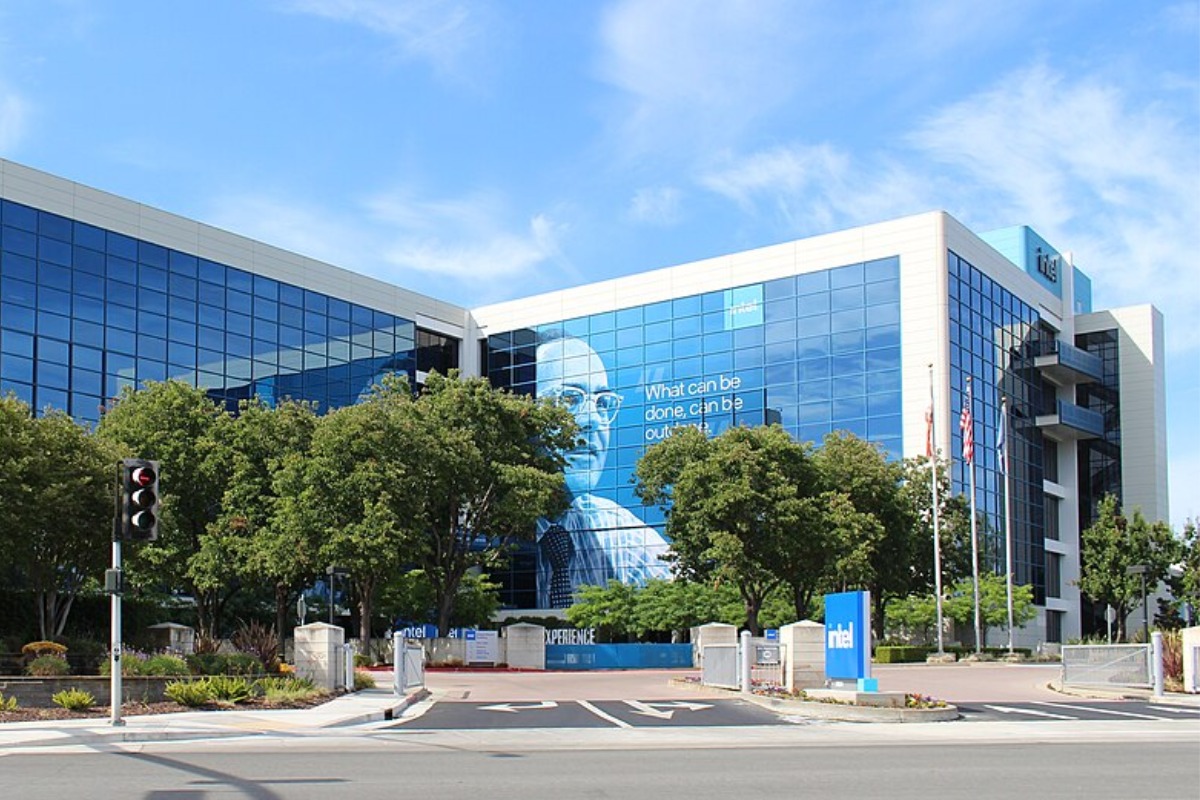
Intel Pours $15 B into AI Chip Surge, Ramping Up Production and Workforce Restructuring
Intel Corp. announced on August 10, 2026 that it will issue $15 billion of new common stock in an underwritten offering, using the proceeds to fund capital expenditures, working capital and a broad range of corporate initiatives.
"We are taking bold steps to secure our position in the AI chip race," CEO Lip‑Bu Tan said in a statement. "The capital we raise today will fuel the next wave of silicon innovation and help us win in a highly competitive market."
A Bold Move in a Competitive Landscape
Intel’s stock has nearly tripled since the beginning of the year, reflecting investor optimism around its AI ambitions. The new stock sale is part of a larger strategy to rebuild Intel’s manufacturing footprint and compete for contract chip production against rivals such as TSMC and Samsung.
The company has raised its 2026 capital‑spending target to $20 billion, signaling a commitment to significant investment in both internal fabs and external partnerships. The funds will support the expansion of Intel’s physical‑AI portfolio, custom silicon design, advanced packaging technologies, and the procurement of external wafer manufacturing services.
Why AI Demand Drives the Fundraise
Artificial‑intelligence workloads have become a primary driver for chip demand. As more enterprises adopt large‑language‑model inference and generative AI applications, the appetite for high‑performance, low‑latency processors has surged. Intel’s new offerings aim to address these needs by pushing the boundaries of silicon density and power efficiency.
Under CEO Tan, who assumed the role in 2025, the company has already made aggressive moves to streamline operations. Since 2024, Intel has cut more than 35,000 jobs globally, a move that has reshaped the company’s workforce profile and freed up capital for strategic investment.
Implications for Intel’s Workforce and Manufacturing
The stock offering arrives alongside a leaner Intel workforce. While the job cuts have raised concerns about morale, they have also positioned the company to allocate resources to high‑growth areas. Intel plans to use the capital to support its next‑generation manufacturing facilities, including new advanced packaging plants and collaborations with external foundries.
In addition to physical AI, Intel is focusing on custom silicon solutions tailored for specific AI workloads, such as inference acceleration and high‑speed data movement. These initiatives will likely require significant engineering talent and capital, reinforcing the need for a robust financial foundation.
Uncertain Outlook: Are the Numbers Real?
Some analysts remain uncertain about how Intel will allocate the $15 billion. While the company has stated the proceeds are for "general corporate purposes," it has not broken down the exact percentage of funds earmarked for capital expenditures versus working capital. This lack of granularity makes it difficult to gauge the precise impact on production capacity.
Moreover, the competitive landscape for AI chips is rapidly evolving. Intel’s ability to win contract chip work against established foundries will depend on its ability to deliver cost‑competitive, high‑performance products. The company’s success in this arena remains to be seen.
Looking Ahead
Intel’s fresh capital raise is a clear signal that the company is serious about competing in the AI chip market. By coupling its funding with aggressive cost cutting and a focus on high‑growth silicon segments, Intel hopes to regain market share and deliver long‑term value to shareholders.
Only time will tell whether the $15 billion infusion translates into a sustainable competitive advantage. Investors and industry observers will be watching closely to see how the company balances its workforce reductions, capital investments, and the inevitable pressure from rivals.
In the meantime, Intel’s stock continues to rally, buoyed by the broader AI boom. The company’s next moves will likely define its role in the next generation of silicon innovation.