
Audio/More from Audio/Audio News
GDC Technology Surpasses 50 DTS:X for IAB Screens Across South Asia as the IAB Standard Accelerates Immersive Audio Adoption
GDC Technology's milestone of over 50 DTS:X for IAB screens marks a significant shift toward immersive audio in South Asia, enhancing the cinematic experience.

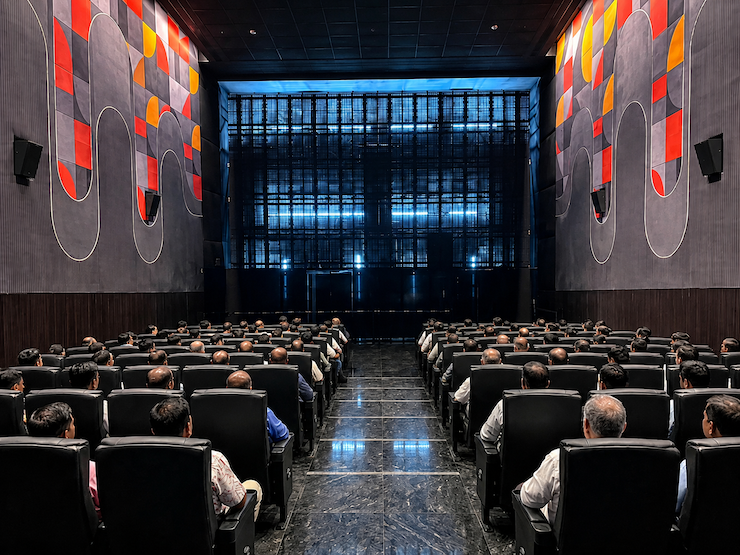
GDC Technology Surpasses 50 DTS:X for IAB Screens Across South Asia
In a significant leap for immersive audio technology, GDC Technology Limited has announced that it has surpassed the milestone of 50 DTS:X for IAB (Immersive Audio Bitstream) screens across South Asia. This achievement is not just a number; it reflects the rising tide of immersive audio adoption in a region that is rapidly embracing advanced cinema technologies. The milestone spans major markets, including India, Nepal, and Sri Lanka, indicating a robust interest in enhancing the cinematic experience.
The IAB standard, which aims to provide a common 3D audio format, is gaining traction as both consumers and cinema operators look for ways to elevate the movie-going experience. At the heart of this technological transformation is the DTS:X sound codec, recognized for its ability to deliver high-quality audio that can adapt to the unique characteristics of each cinema space. Let’s delve deeper into the implications of this development, the specific advancements made by GDC Technology, and what it means for the future of cinema in South Asia.
The Rise of Immersive Audio in South Asia
The adoption of immersive audio technologies is not merely a trend; it represents a fundamental shift in how audiences experience films. The DTS:X for IAB screens is designed to create a three-dimensional sound environment that enhances storytelling through audio. This is particularly important in a region where cinema is not just a form of entertainment but a cultural phenomenon.
GDC's announcement comes on the heels of notable upgrades at various cinema chains, with Vettri Theatres in Chennai making headlines for installing India’s first acoustically transparent cinema LED screen. This innovative setup, combined with GDC’s immersive audio processor, is a prime example of how technology can work hand-in-hand with cinema to create a more engaging experience.
The completion of 50 DTS:X screens in South Asia is a clear indication that both filmmakers and audiences are ready to embrace this new audio landscape. It also underlines the competitive edge that cinema operators can gain by investing in cutting-edge technologies.
What is DTS:X and IAB?
Before we dive deeper into the implications of GDC's achievement, it’s worth understanding what DTS:X and the IAB standard entail.
DTS:X
DTS:X is an advanced audio codec that allows sound designers to place sounds in a three-dimensional space. Unlike traditional audio formats, which are limited to specific speaker channels, DTS:X allows for a more fluid and dynamic sound experience. This means that sounds can come from above, below, or all around the audience, making for a more immersive experience.
Immersive Audio Bitstream (IAB) Standard
The IAB standard is an initiative aimed at establishing a common format for immersive audio in cinemas. By adopting a standardized approach, cinema operators can ensure compatibility across various audio systems and formats. This not only simplifies the technical aspects of cinema operation but also enhances the audience's experience by delivering consistent sound quality.
The combination of DTS:X and the IAB standard is a game-changer for cinemas. It allows for greater creativity in sound design and offers audiences an unparalleled level of immersion.
The Impact of GDC's Achievement
So, what does it mean for GDC Technology to have surpassed 50 DTS:X for IAB screens?
A Benchmark for Industry Growth
This milestone is a benchmark that showcases GDC's commitment to advancing cinema technology in South Asia. By leading the charge in immersive audio, GDC is not only capturing market share but also setting the stage for future innovations. The company is positioned as a key player in the region’s cinematic evolution, which could lead to further investments in immersive technologies across various fronts.
Enhancing Cinematic Experience
For cinema-goers, the impact is immediate and tangible. With more DTS:X for IAB screens available, audiences can expect a richer, more engaging movie experience. This is especially crucial in a market where competition among cinema chains is fierce. Operators that invest in these technologies can differentiate themselves and attract more viewers.
Encouraging Filmmakers
The proliferation of DTS:X for IAB screens could also encourage filmmakers to experiment with sound design in their projects. With the ability to create immersive soundscapes, directors and sound designers have the freedom to craft narratives that resonate on a deeper level with audiences. As more cinemas adopt this technology, we may see an uptick in films designed to take full advantage of immersive audio capabilities.
Case Study: Vettri Theatres, Chennai
One of the standout examples in this narrative is Vettri Theatres, which has made significant strides in integrating immersive audio into its offerings.
The First Acoustically Transparent Cinema LED Screen
Vettri Theatres made headlines with the installation of India’s first acoustically transparent cinema LED screen. This groundbreaking technology allows sound to pass through the screen, creating a seamless visual and auditory experience. When combined with GDC’s immersive audio processor, the result is a cinema experience that is both visually stunning and acoustically rich.
This upgrade not only enhances the viewing experience but also represents a broader trend in which cinemas are looking to differentiate themselves through technology. In an era where streaming services are a click away, traditional cinemas must offer compelling reasons for audiences to choose the big screen over their home setups.
Audience Reception
The initial reception of these upgrades has been overwhelmingly positive. Audience members have reported a heightened sense of immersion, with many claiming that the quality of sound has significantly enhanced their overall movie experience. This kind of feedback is invaluable as it helps shape future investments in cinema technology.
Future Outlook for Immersive Audio in South Asia
As we look ahead, the future of immersive audio in South Asia appears promising.
Growth Potential
The completion of 50 DTS:X for IAB screens is just the beginning. With increasing interest from both cinema operators and audiences, there is substantial growth potential in this sector. As more cinemas adopt immersive audio technologies, the demand for content that leverages these capabilities will likely increase.
Possible Challenges
However, it’s not all smooth sailing. The adoption of new technologies often comes with its own set of challenges. For instance, cinema operators must invest not only in the technology itself but also in training staff and marketing these new experiences to audiences. Additionally, there may be technical hurdles to overcome in ensuring compatibility across different cinema systems.
The Role of Content Creators
Content creators will play a crucial role in shaping the future of immersive audio. As filmmakers experiment with DTS:X and the IAB standard, audiences will begin to expect more from their cinematic experiences. This could potentially lead to a renaissance in sound design, with filmmakers pushing the boundaries of what is possible in audio storytelling.
Technological Innovations Driving DTS:X Adoption
While the adoption of DTS:X in South Asia is exciting, it’s essential to explore the technological innovations that are driving this trend.
Integration of Advanced Equipment
The integration of the GDC SR-1000 Standalone Integrated Media Block (IMB) with built-in DTS:X for IAB rendering is a game-changer. This system not only simplifies the installation process but also enhances audio output quality, making it easier for cinema operators to adopt immersive audio technologies. The SR-1000 is designed to work seamlessly with the AIB-3000 cinema audio processor, ensuring that the sound experience is as immersive as the visuals.
Interoperability of Standards
The interoperability offered by the SMPTE ST 2098-2 Immersive Audio Bitstream (IAB) standard is another key driver of DTS:X adoption. By providing a common framework for immersive audio, the IAB standard allows various cinema technologies to work together harmoniously. This means that cinema operators can invest in DTS:X without worrying about compatibility issues, making it a more attractive option.
The Rise of Object-Based Audio
Object-based audio formats like DTS:X and Dolby Atmos have gained traction due to their ability to create a three-dimensional sound environment. This technology allows sound designers to place sounds in a three-dimensional space rather than confining them to specific channels. The result? A more immersive experience that enhances the storytelling of films. As the market becomes more familiar with object-based audio, we can expect further growth in its adoption.
Market Demand for Immersive Experiences
Consumer demand for immersive experiences is also propelling the adoption of DTS:X. As audiences become accustomed to high-quality sound in their home theaters, they begin to expect the same level of audio fidelity in cinemas. This shift in expectations is forcing cinema operators to invest in immersive audio technologies to remain competitive.
Comparative Analysis: DTS:X vs. Other Immersive Audio Technologies
To fully appreciate the significance of DTS:X, it’s important to compare it with other immersive audio technologies available in the market.
DTS:X vs. Dolby Atmos
DTS:X and Dolby Atmos are the two leading contenders in the immersive audio space, and each has its unique strengths. While both formats utilize object-based audio, DTS:X is known for its flexibility. It allows sound designers to create audio experiences that can adapt to various speaker configurations without requiring a specific setup. This means that cinemas can implement DTS:X in a wider range of environments without the need for extensive modifications.
On the other hand, Dolby Atmos typically requires specific speaker placements, including in-ceiling speakers or Atmos-enabled floor modules, to create the intended three-dimensional sound experience. This can make it more challenging for some cinema operators to implement, especially in older venues.
DTS:X Pro: The Next Step
DTS:X Pro is an enhanced version of the original format, offering improved consistency and performance across different speaker setups. This upgrade aims to address some of the limitations found in the original DTS:X, making it a more appealing option for cinema operators looking for a reliable immersive audio solution. With DTS:X Pro, sound designers can create a more cohesive audio experience that can be enjoyed regardless of the specific speaker configuration used in a cinema.
Auro-3D: The Other Player
Another player in the immersive audio landscape is Auro-3D, which introduced height channels in commercial cinemas. While Auro-3D was the first to implement this concept, DTS:X and Dolby Atmos have since gained a more substantial foothold in the market due to their adaptability and broader industry support. Auro-3D typically requires a more complex setup, which can be a deterrent for some cinema operators.
Market Trends and Consumer Preferences
As immersive audio technologies continue to evolve, it’s essential to consider market trends and consumer preferences. Research indicates that audiences increasingly expect high-quality audio experiences in cinemas, driven in part by advancements in home audio systems. This has prompted cinema operators to invest in immersive audio solutions like DTS:X to meet these evolving expectations.
The competitive landscape also drives innovation, as cinema chains seek to differentiate themselves through superior sound experiences. With the rise of streaming services offering high-quality audio, traditional cinemas must adapt to these changes or risk losing audience share.
Conclusion: A New Era for Cinema
GDC Technology’s achievement in surpassing 50 DTS:X for IAB screens across South Asia is not just a milestone; it’s a signal of a broader shift in the cinematic landscape. The adoption of immersive audio technologies is set to redefine how audiences experience films, making each visit to the cinema a unique event.
As we move forward, the focus will likely shift toward enhancing these experiences further, exploring new creative avenues, and ensuring that the technology is accessible to audiences across the region. With industry leaders like GDC paving the way, the future of cinema in South Asia looks brighter than ever, promising a new era of immersive storytelling that could captivate audiences for years to come.
Newsletter
Get the morning gadget briefing
A short recap of the stories that actually matter — phones, AI, EVs, and the rest — in your inbox.
No spam. We’ll only send the briefing.
Keep reading
Read next
More in Audio News


Comments (0)
Keep it civil. Anyone can reply. Edit and delete stay on this browser after refresh.
No comments yet. Start the conversation.