
The Gulf Oil Shock Is Pushing E.V. Sales to New Heights Globally
As global oil prices soar due to geopolitical tensions, electric vehicle sales are experiencing a historic surge, reshaping the automotive landscape and driving a shift towards sustainable transportation.
By Devon Price · Updated August 22, 2026 at 1:14 PM
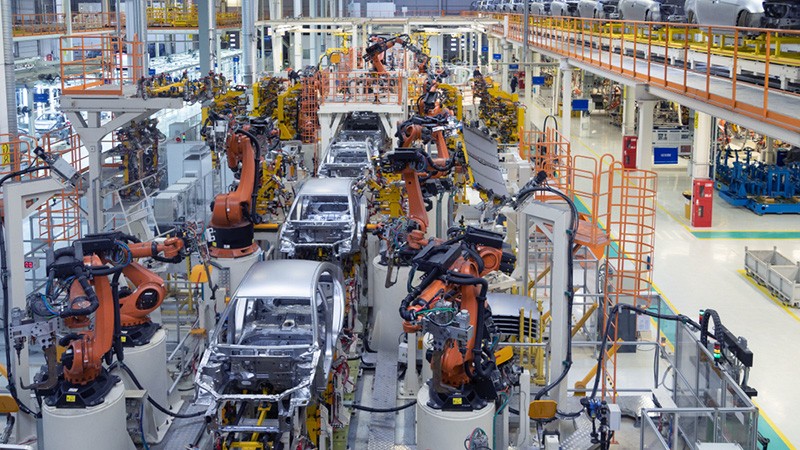
The Gulf Oil Shock Is Pushing E.V. Sales to New Heights Globally
The world is facing a seismic shift in transportation as electric vehicle (EV) sales surge like never before. This unprecedented growth is not happening in a vacuum; it's a direct response to the Gulf Oil Shock, which has sent oil and gasoline prices soaring. With governments around the globe scrambling to address energy security and reduce fuel costs, the spotlight is firmly on electric vehicles. In fact, recent reports indicate that EV sales are projected to account for nearly 30% of all new car sales worldwide in 2026, a dramatic increase from just 4% in 2020.
This article dives deep into the statistics and trends that underscore this EV revolution while examining the broader implications for the auto industry, consumer behaviors, and energy policies. So buckle up, as we explore how the Gulf Oil Shock is not just a crisis but a catalyst for a cleaner, more sustainable future on the roads.
What Changed: The Gulf Oil Shock and Its Impact on EV Sales
The Gulf Oil Shock, primarily driven by geopolitical tensions in the Middle East, has resulted in significant disruptions to oil supply. This shock follows previous oil crises, but its effects have been compounded by the ongoing volatility in global energy markets. According to the International Energy Agency (IEA), global EV sales surged by 35% in the second quarter of 2026 compared to the first quarter, with analysts expecting that 29% of all new cars sold this year will be electric.
This sharp uptick in sales is not merely coincidental; it's a direct response to rising fuel prices and the economic pressures faced by consumers. In Europe, for instance, EV sales jumped nearly 30% year-on-year during the first quarter of 2026, while sales in the Asia Pacific region (excluding China) skyrocketed by a staggering 80%. This trend is indicative of a broader global shift towards electric mobility, with countries like Brazil, India, and Vietnam reporting doubled sales compared to the same period last year.
The Role of Government Policies
One of the most significant drivers behind this surge in EV sales has been the proactive stance taken by governments worldwide. More than a dozen countries have introduced new policies to encourage EV adoption, ranging from tax incentives to substantial investments in charging infrastructure. The urgency for these measures has been driven by the realization that reliance on fossil fuels is increasingly untenable in the face of geopolitical uncertainties.
Moreover, as the IEA's reports suggest, the time is ripe for a "revolution" in the automotive market. Governments are leveraging this crisis to bolster their commitments to sustainability and climate goals, making EVs not just an option but a necessity for many consumers.
Consumer Attitudes: How the Gulf Oil Shock is Shaping Perceptions of EVs
Understanding consumer sentiment is crucial for analyzing the impact of the oil shock on EV adoption. During the Gulf Oil Shock, consumer attitudes towards electric vehicles shifted significantly due to soaring fuel prices. The International Energy Agency (IEA) reported a surge in EV adoption globally, with sales rebounding sharply in the second quarter as drivers preferred EVs amid fuel price volatility.
In sizable markets like Brazil, India, Australia, and Vietnam, EV sales roughly doubled between March and June compared to the same period in the previous year. This was not just a reaction to rising prices; it was a revelation for many that electric vehicles could be a viable alternative to traditional gasoline-powered cars.
Notably, the oil shocks of the past also influenced consumer behavior, as seen during the oil crises of the 1970s. Back then, consumers overreacted to sudden price spikes, leading to a temporary surge in demand for more fuel-efficient vehicles. Similarly, today’s consumers are driven by economic necessity, with many realizing that the long-term savings associated with EV ownership could outweigh the initial purchase price.
Countries like the Netherlands and Sweden have taken proactive measures to incentivize the switch to electric vehicles, including providing subsidies and reducing public transportation costs. These initiatives are not only aimed at easing the financial burden on consumers but also serve to promote a culture of sustainability. As more people become aware of the environmental benefits of EVs, the notion of electric vehicles is evolving from a niche market to a mainstream choice.
The Evolving Narrative Around EVs
The narrative around electric vehicles is undergoing a metamorphosis. Once seen as quirky or "too new" for the mainstream, EVs are now the poster children of modern transportation. It turns out that consumers are not just looking for a car; they are looking for a solution to their fuel price woes. With soaring gas prices, the prospect of driving an EV is now akin to discovering a hidden stash of cash in your couch cushions—it just makes sense!
Social media has also played a pivotal role in shaping consumer perceptions. Viral videos showcasing the speed and efficiency of electric cars, along with humorous memes about gas prices, have contributed to a more favorable view of EVs. Suddenly, owning an electric vehicle feels less like a sacrifice and more like a savvy financial decision.
Price in the U.S.: How Fuel Costs Are Shaping Consumer Choices
In the U.S., the story is a bit more complicated. The withdrawal of federal EV tax credits in late 2025 has slowed the pace of electric vehicle adoption, leading to a significant decline in sales. In fact, research indicates that U.S. EV sales fell by 32.9% during the first five months of 2026, a stark contrast to the global trend. This dip has left many industry experts questioning whether the U.S. can maintain its competitive edge in the evolving auto market.
However, amid these challenges, rising fuel prices are pushing some consumers to reconsider their options. With gas prices soaring, the cost of maintaining traditional internal combustion engine (ICE) vehicles is becoming increasingly prohibitive. For many drivers, the prospect of switching to an EV is no longer just about environmental concerns; it's a question of economic survival.
The Price of Gasoline vs. the Cost of EV Ownership
As fuel prices fluctuate, so too does the calculus of car ownership. With gasoline costs hitting new highs, many prospective buyers are looking at the total cost of ownership (TCO) when considering their next vehicle. Although the initial purchase price of EVs can be higher than that of traditional vehicles, the long-term savings from lower fuel and maintenance costs are becoming increasingly appealing.
In Canada, for instance, EV sales saw a 5.3% increase year-on-year, with total sales reaching 78,512 vehicles in the first half of 2026. Canadian consumers are increasingly recognizing that while the upfront costs may be higher, the savings over time make EVs a smart financial choice. This shift in consumer sentiment could signal a broader acceptance of electric vehicles as a viable alternative, even in markets where incentives are limited.
Global Trends: The Rise of Electric Vehicles in Key Markets
While the U.S. grapples with policy-induced challenges, other regions are experiencing explosive growth in EV adoption. According to data from the IEA, Europe is currently leading the charge, with EV sales in Western and Central Europe increasing by nearly 30% from January to May 2026. Italy, in particular, emerged as a standout performer, with sales surging by an impressive 82.6%.
The Asia-Pacific Region: A Powerhouse for EV Growth
In the Asia-Pacific region, excluding China, EV sales have surged by an astonishing 80%. Countries like India and Vietnam are rapidly adopting electric vehicles, driven by a combination of rising fuel prices and supportive government policies. As emerging markets begin to prioritize sustainability, the demand for affordable electric vehicles is set to accelerate further.
China, while facing its own unique challenges, remains a dominant force in the global EV market. With over 60% of new cars sold in China expected to be electric in 2026, the country is well-positioned to maintain its leadership in EV adoption. However, the IEA has cautioned that the overall car market in China may weaken, which could impact EV sales in the short term.
Supply Chain Challenges: The Impact of the Oil Shock on EV Production
The Gulf Oil Shock not only heightened consumer interest in electric vehicles but also introduced significant challenges for EV manufacturers. Supply chain issues can significantly affect EV availability and market growth in response to external shocks.
Despite the perception that electric vehicle manufacturers are insulated from oil price fluctuations, the reality is quite different. The battery minerals that underpin the EV transition—lithium, cobalt, nickel, and manganese—are all energy-intensive to mine, refine, and transport. As oil prices rise, so do the costs associated with these critical components. In fact, reports indicate that the cost of aluminum, copper, lithium, and memory chips needed to produce a single electric vehicle has increased by 44%, adding roughly $1,000 to carmakers' expenses.
Disruption in Logistics and Production
The ongoing geopolitical tensions in the Gulf region have caused disruptions in logistics and production for the automotive industry. While the region may not be a major producer of car parts, it is a key source of oil, and rising fuel costs have a ripple effect throughout the supply chain. Automakers are already grappling with a series of supply chain shortages, and the conflict in the Gulf is exacerbating these issues, driving up production costs while limiting access to essential raw materials.
As the automotive industry transitions toward electric vehicles, the challenges of sourcing and transporting battery materials become increasingly critical. The need for a reliable and sustainable supply chain is paramount, and companies are exploring alternative sources and methods to mitigate these risks.
The New Normal for EV Production
The oil shock has not only increased costs but has also prompted a reassessment of supply chain strategies. Automakers are now prioritizing local sourcing of materials to reduce dependence on international shipping, which has become a costly and unreliable venture. This shift could lead to a more resilient supply chain in the long run, but it also raises questions about the sustainability of sourcing materials like lithium, which is often mined in environmentally sensitive areas.
Moreover, automakers are investing in research and development to create more efficient batteries that require fewer raw materials. This innovation could potentially lower production costs and lessen the industry's vulnerability to external shocks. The irony, of course, is that as demand for EVs rises, the pressure on the supply chain will only increase, leading to a fascinating dance between consumer demand and production limitations.
Should You Wait? The Future of EV Adoption
With the current trends indicating a rapid shift towards electric vehicles, many consumers are left wondering whether they should wait to purchase an EV. Given the volatility in fuel prices and the ongoing geopolitical tensions, the short answer is: it depends.
The "Electric Shock" Scenario
Analysts from Wood Mackenzie have introduced a notion they call the "electric shock" scenario, which posits that if governments implement supportive policies, consumer behavior shifts favorably, and technology advances rapidly, global EV adoption could soar to unprecedented heights. This scenario could see EVs accounting for 50% of the global vehicle market by 2040, drastically reducing oil demand and reshaping energy markets.
The implications of this scenario are profound. As governments around the world double down on their commitments to sustainability, it's likely that the availability of charging infrastructure, battery technologies, and overall consumer awareness will improve significantly. For those considering the switch to an electric vehicle, waiting may not be the best option, as the landscape is evolving rapidly.
The Cost of Inaction
Those who hesitate to make the switch could find themselves at a disadvantage, especially as traditional automakers pivot towards electric offerings. With many new models set to hit the market in the coming years, early adopters may benefit from a wider selection of vehicles and potentially better pricing as competition heats up.
Moreover, as fuel prices continue to hover at elevated levels, the running costs of ICE vehicles will only increase. For consumers, the cost of inaction could translate into higher expenses down the line, making the case for an electric vehicle even more compelling.
Conclusion: The Road Ahead for Electric Vehicles
The Gulf Oil Shock has acted as a wake-up call for consumers, governments, and automakers alike. As electric vehicle sales soar globally, the landscape of transportation is undergoing a fundamental transformation. While challenges remain—particularly in markets like the U.S.—the overall trend is clear: electric vehicles are not just the future; they are the present.
With rising fuel costs, supportive government policies, and a burgeoning commitment to sustainability, the momentum behind electric vehicles is undeniable. The transition to a cleaner, more efficient transportation system is well underway, and for consumers, the time to embrace this change is now. Whether it's for economic reasons, environmental concerns, or simply the thrill of driving something new, the electric vehicle revolution is here, and it’s not slowing down anytime soon.
Newsletter
Get the morning gadget briefing
A short recap of the stories that actually matter — phones, AI, EVs, and the rest — in your inbox.
No spam. We’ll only send the briefing.
Keep reading
Read next
More in EV News

Comments (0)
Keep it civil. Anyone can reply. Edit and delete stay on this browser after refresh.
No comments yet. Start the conversation.