Why US Communities Are Fighting Back Against Massive AI Data Centers
Residents across the country are standing up to tech giants, citing environmental, water, and utility concerns that threaten local communities.
By Lennox Pike · Updated August 16, 2026 at 6:34 AM
A Growing Resistance
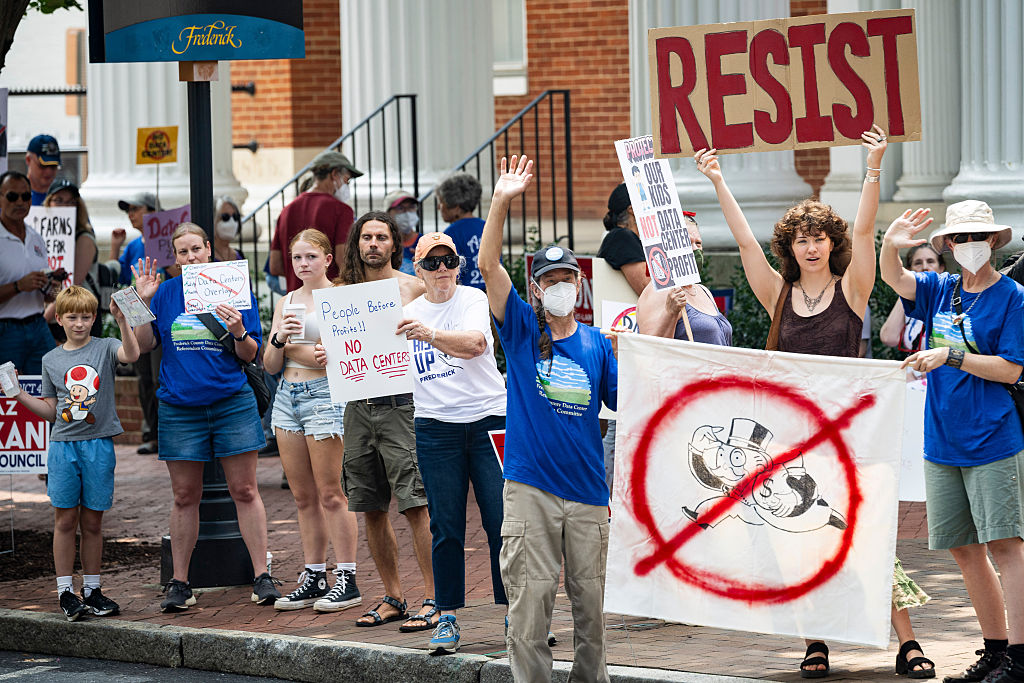
Across the United States, a quiet but growing movement is taking shape. More than 160 new AI data centers have sprung up in the past three years, a 70% increase from the previous period, according to an analysis of industry trends. While the tech industry celebrates the promise of AI, many residents see these sprawling facilities as an environmental and economic threat.
The Power and Water Footprint
AI data centers consume a staggering amount of electricity—some estimates suggest they account for roughly 4% of U.S. electricity usage in 2024. Even more eye‑watering is their water usage. Reports indicate that certain facilities draw as many as 5 million gallons of water per day to keep servers cool. Those figures vary by site, and exact consumption often remains undisclosed, but the scale is clear.

"We cannot ignore the reality that our water tables are being strained, and our electric bills are rising because of these data centers," says Maya Ramirez, a community organizer in a Midwestern town.
Local Utility Costs Rise
When a data center demands large amounts of power, local utilities must scale up supply or purchase additional wholesale energy. In several states, the cost of electricity for residents has risen by as much as 15% in the last two years—a figure that correlates strongly with the construction of new AI hubs. Some municipalities have even had to renegotiate rate structures to accommodate the additional load, often at the expense of schools and public services.
Environmental Concerns
Beyond water and power, the environmental footprint of these centers is a major point of contention. Cooling towers release hot air, increasing local temperatures, while the construction itself can disrupt ecosystems. Grassroots groups argue that the carbon emissions associated with powering vast server farms, many of which are built in remote but ecologically sensitive areas, outweigh the potential benefits.
The Organizing Response
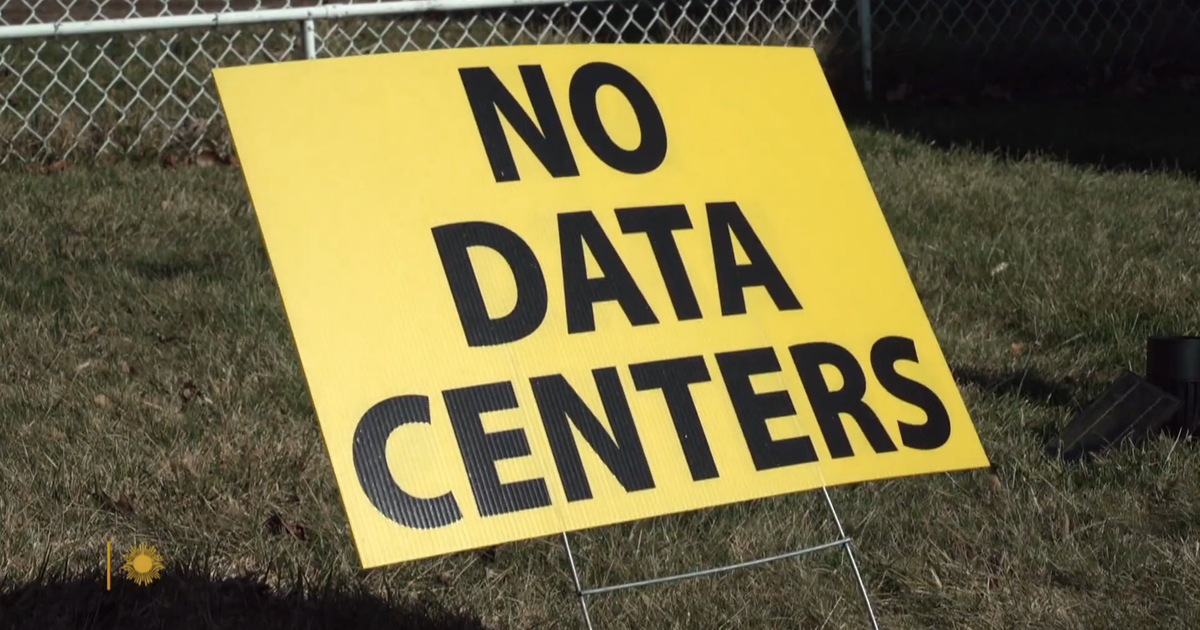
One of the most striking aspects of the backlash has been the speed and unity of the response. Community groups have forged broad coalitions, setting aside political differences to focus on shared concerns: water protection, utility fairness, and ecological stewardship. In some regions, activists have organized public hearings and petition drives, while others lobby state legislatures for stricter environmental oversight.
A Blueprint for the Future
New York recently paused the approval of a proposed AI data center, citing community input and a comprehensive review of environmental impacts. The decision has been hailed as a blueprint for other states. While some tech firms claim that their operations bring jobs and revenue, many residents weigh those benefits against the long-term sustainability of their neighborhoods.
What’s Next?
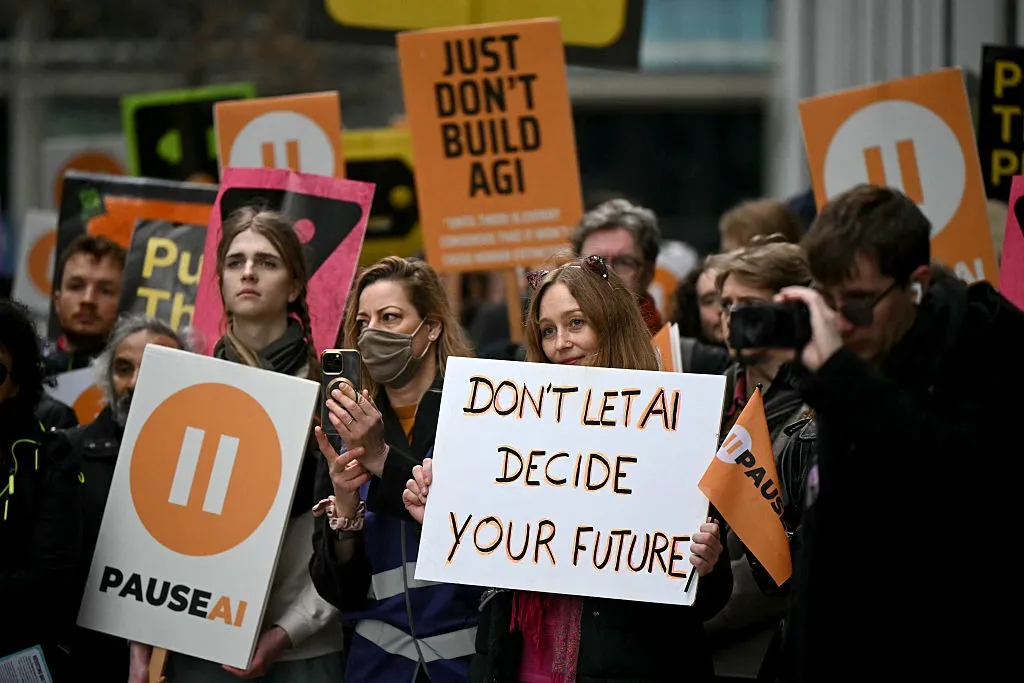
The tension between rapid AI expansion and local stewardship is likely to intensify. As companies look toward even larger, more energy‑hungry facilities, communities will need robust frameworks for negotiating resource use, protecting ecosystems, and ensuring that the economic gains are shared equitably.
In the words of a local farmer, "We are the ones who keep the land, the water, and the air clean. If we don't speak up, they'll do it for us." The challenge for the nation is to balance technological advancement with the rights and wellbeing of the people who live around these new data centers.